
The poplar meadow
White houses around a meadow shaded by tall poplars.
Jean-Pol GRANDMONT — CC BY 3.0 · FrDr — CC BY-SA 4.0 · FrDr — CC BY-SA 4.0 · FrDr — CC BY-SA 4.0
The Beguinage ("Ten Wijngaerde" — the vineyard) is Bruges' quietest and most serene corner: a small walled village of 1245 of whitewashed adjoining houses around a broad meadow shaded by tall poplars — home to the "beguines", devout women who lived communally without monastic vows, a phenomenon unique to the Low Countries. UNESCO-listed among the Flemish beguinages (1998). Entered by a bridge and a gate of 1776, the interior asks for silence: Benedictine nuns live here today, and visitors walk the paths quietly. In spring (March–April) the meadow floods with wild daffodils beneath the poplars — Bruges' most famous spring sight. One beguine's house has become a small museum showing their simple life, and the little baroque church is open. By the Lake of Love (Minnewater) in the south of the old town — the close of the southern route, and among Bruges' loveliest moments.
White houses around a meadow shaded by tall poplars.
A small museum of the devout women's simple life.
A bridge and gate separating serenity from the city.
Begijnhof 24-28-30, 8000 Bruges
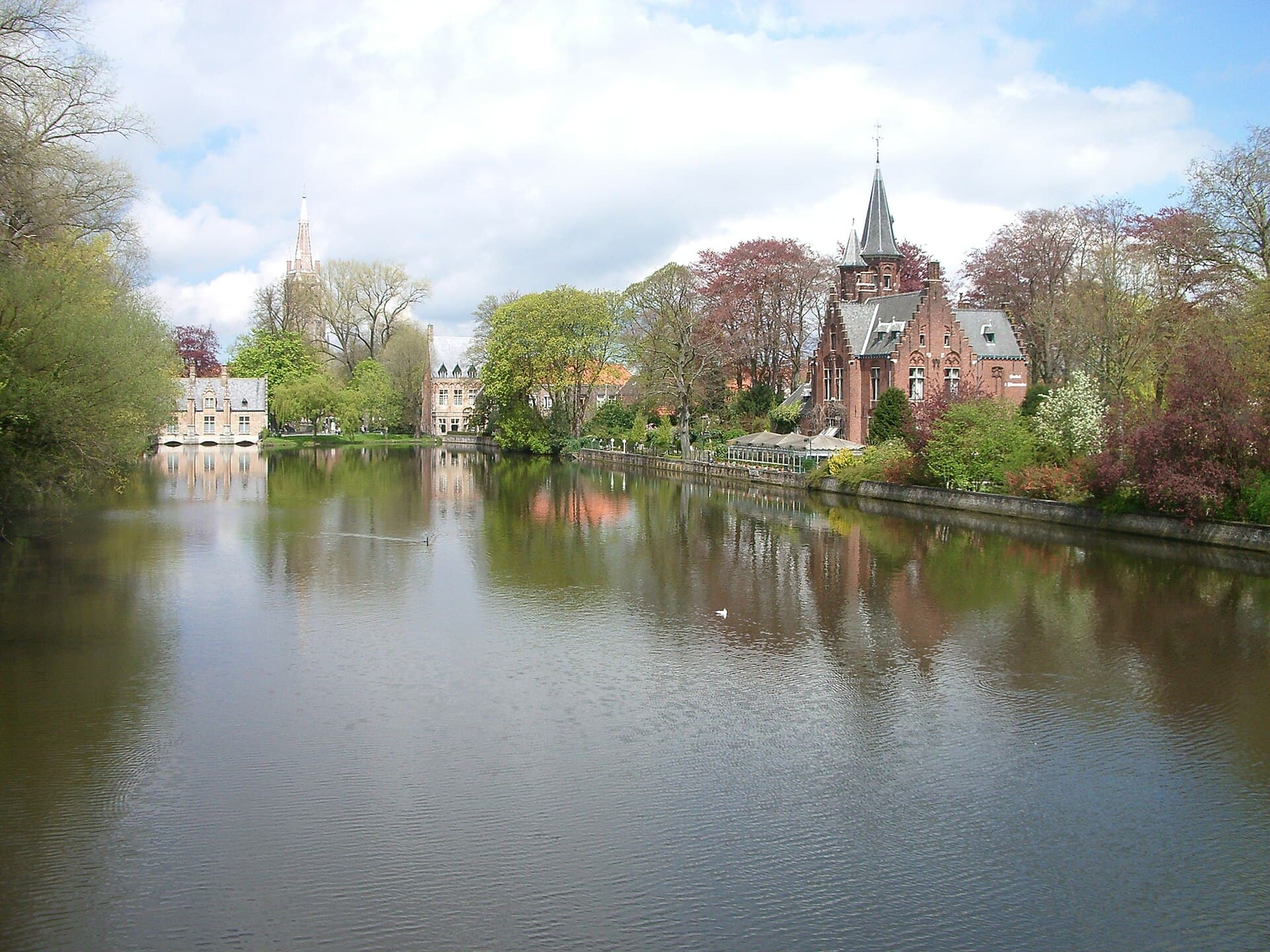 Minnewater (Lake of Love)The Minnewater is the romantic lake at the southern end of old Bruges — the "Lak7 minutes walk4.9
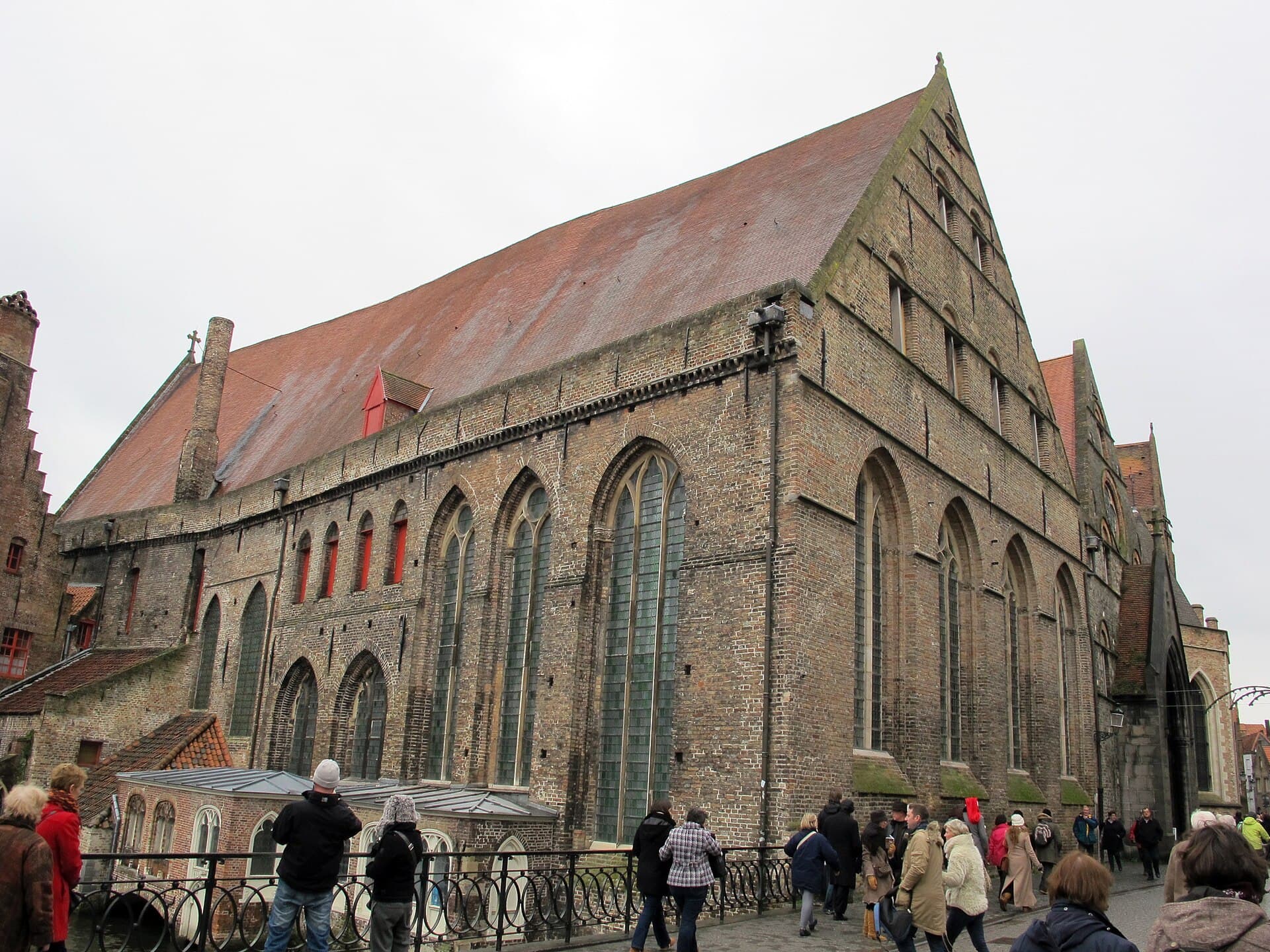 St John's Hospital (Memling Museum)St John's Hospital (Sint-Janshospitaal) is among Europe's oldest surviving hospi8 minutes walk4.4
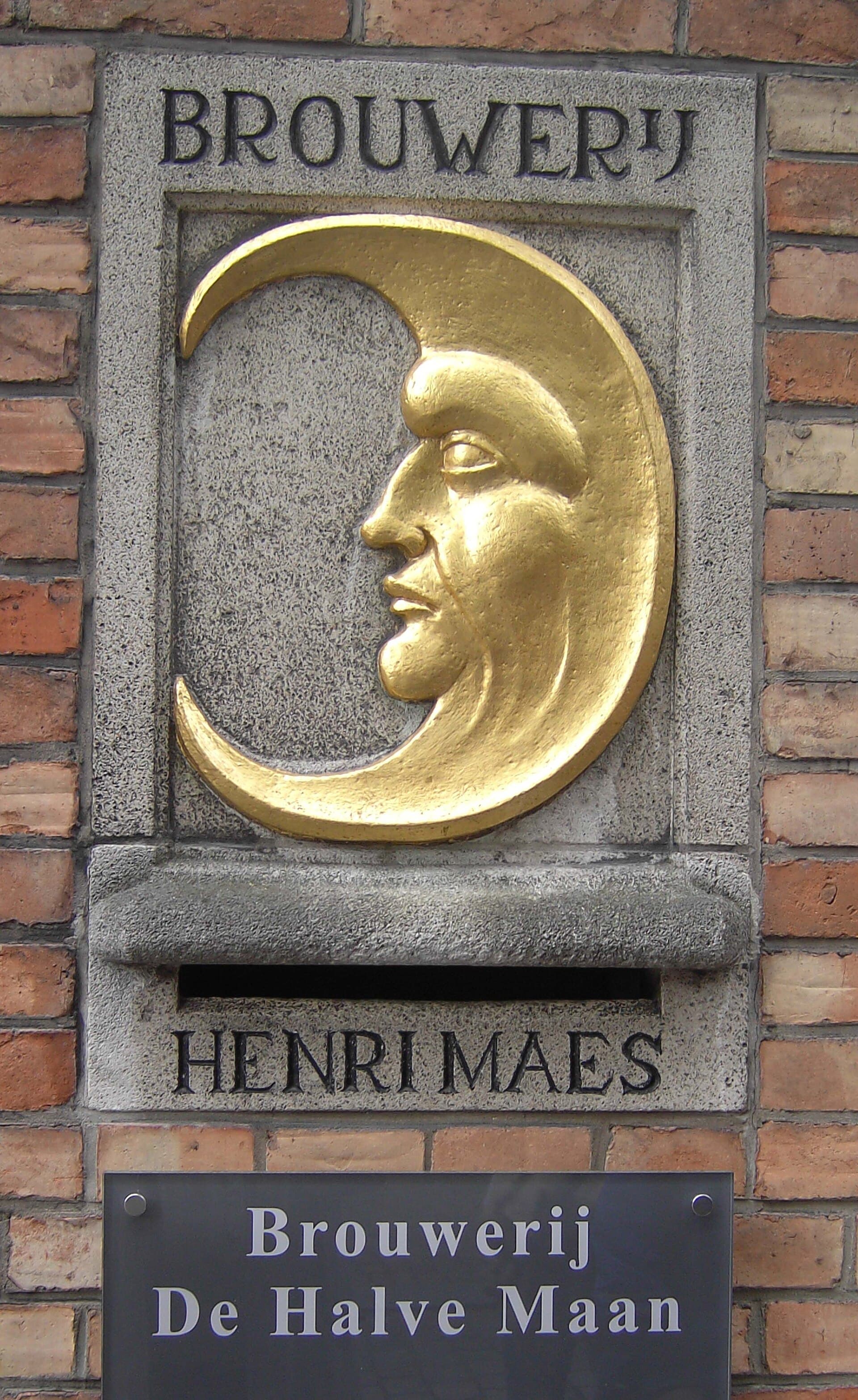 De Halve Maan BreweryA family brewery in central Bruges working since 1856, and the last active brewe8 minutes walk4.5
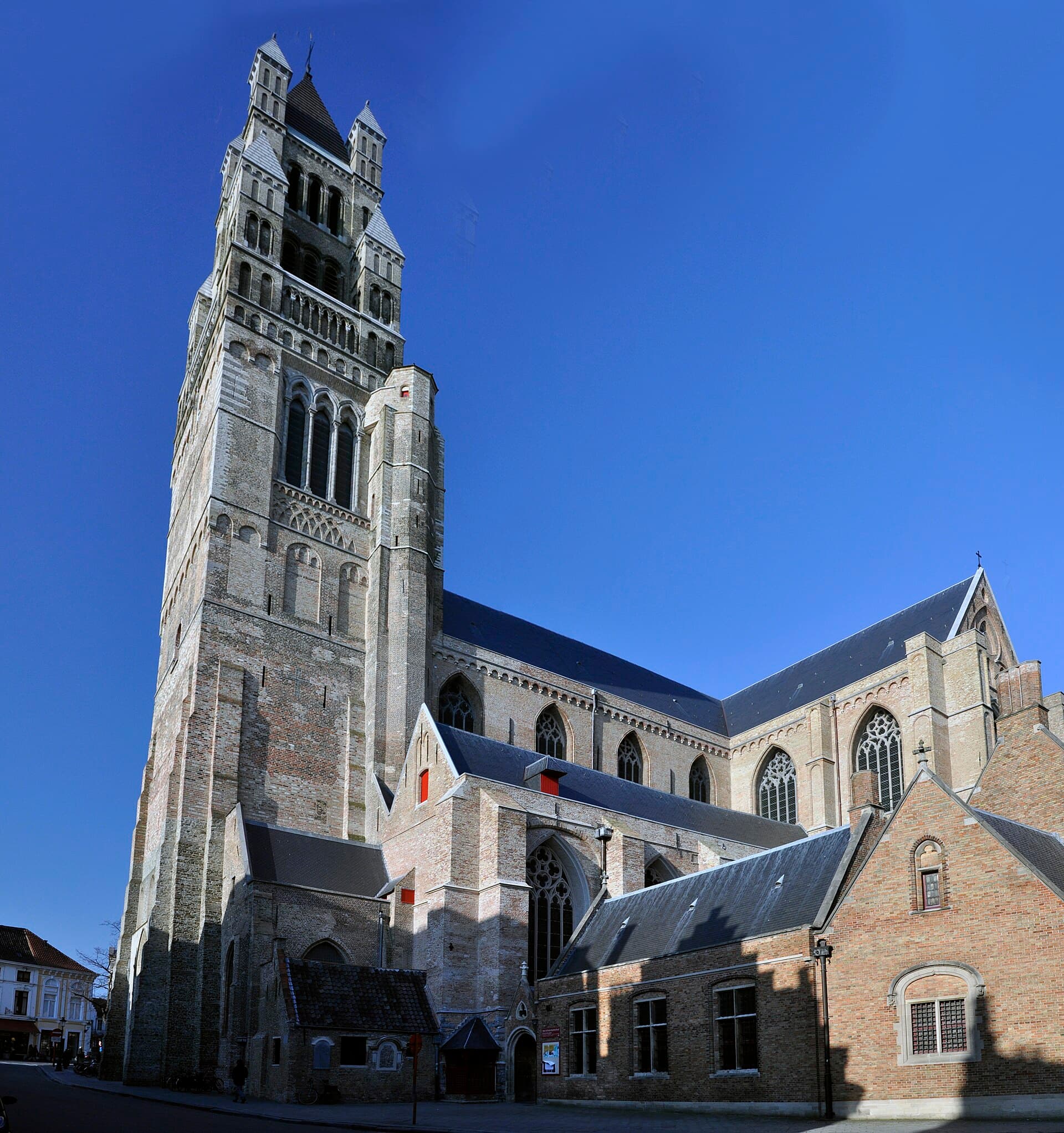 St Salvator's CathedralSt Salvator's Cathedral is Bruges' oldest parish church — founded in the tenth c9 minutes walk4.7
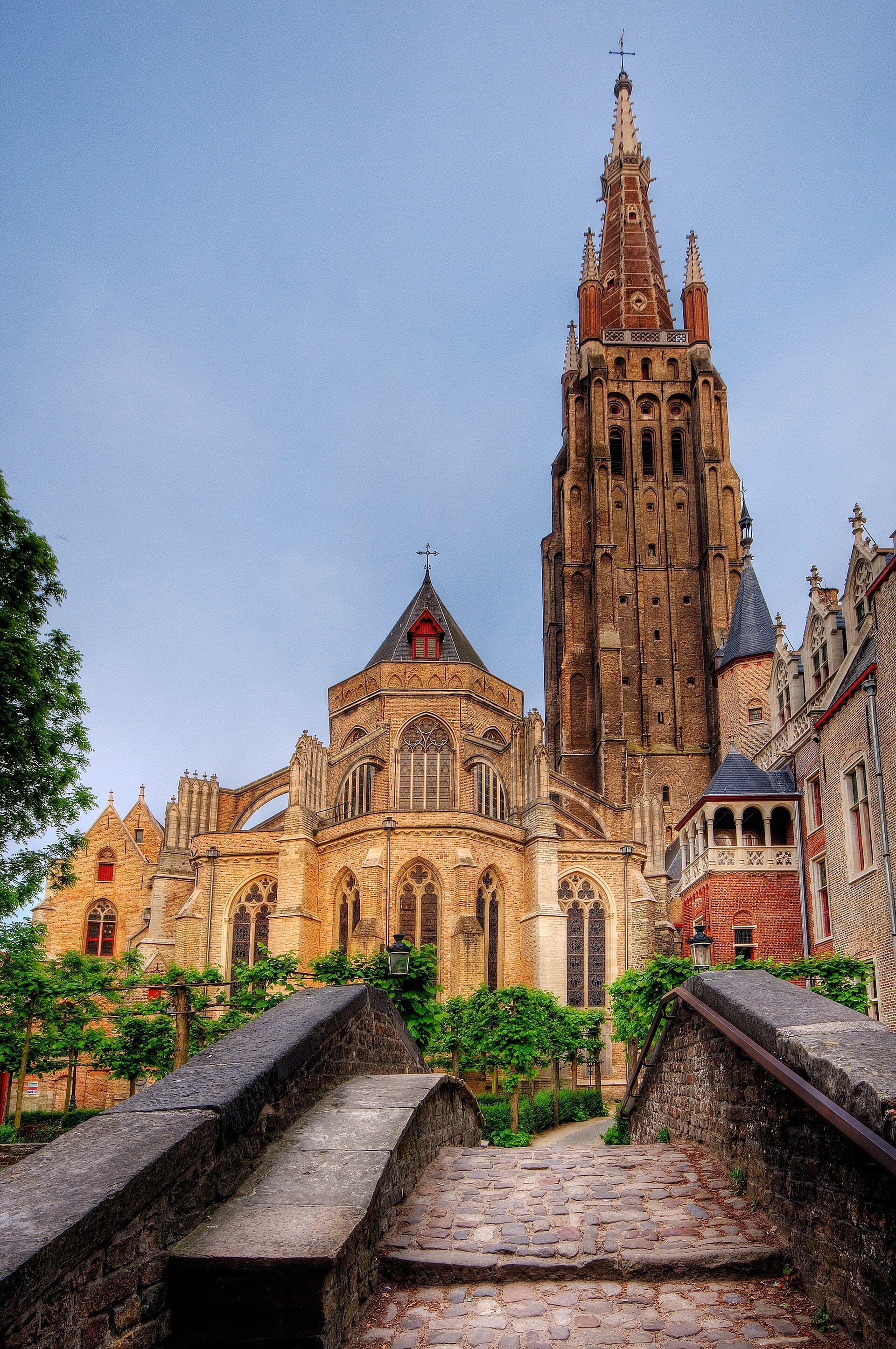 Church of Our LadyThe Church of Our Lady in Bruges has one of the tallest brick towers in the worl9 minutes walk4.7
Devout women from the thirteenth century on — widows and single women — who chose a communal life of prayer and work in walled compounds without permanent monastic vows, keeping their freedom and property; a unique women's movement of the Low Countries. The world's last beguine died in 2013. Bruges' beguinage is inhabited today by Benedictine nuns, and with those of Ghent and Leuven is UNESCO heritage.