
The stone ropes
Maritime Manueline braided on the ramparts.
Rehman Abubakr — CC BY-SA 4.0 · Lisbon Photoshoots — CC BY-SA 4.0 · Kyle Magnuson from Los Angeles, United States — CC BY 2.0 · Miguel Ángel García. from Ólvega., España — CC BY 2.0
Belém Tower is Portugal's royal seal on the Tagus: a Manueline fort (1519) built by Manuel I to guard the river mouth and honour-gate the ships returning from India and Brazil — every Portuguese discovery passed before its stones, and with its neighbour monastery it became the Age of Discoveries' World Heritage. It is the Manueline style's loveliest lesson — Portugal's maritime Gothic: braided stone ropes, the Order of Christ's cross (the funding knights' badge), Moorish-domed watch turrets, and Europe's first carved rhinoceros (below the western turret — the famous Indian gift its model). Inside are narrow floors on a single spiral stair (an entry-signal system) up to the view terrace — though truly the exterior is most of the worth: the full scene from the bank is free, the interior for castle lovers. Sunset gilds the stone from the river side.
Maritime Manueline braided on the ramparts.
The Moorish-domed watch turrets.
The stone ignites from the river bank at dusk.
Avenida Brasília, 1400-038 Lisbon
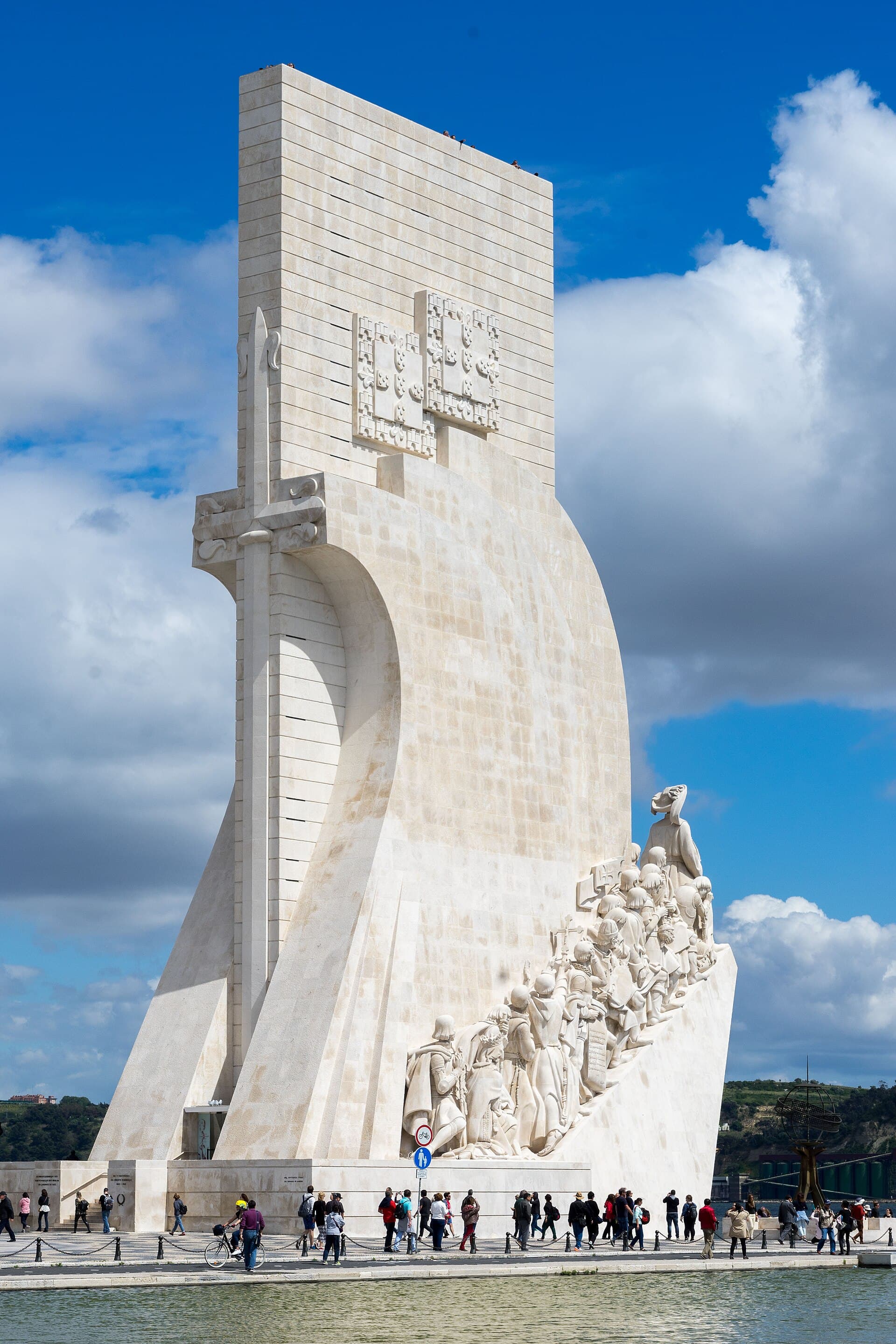 The Monument to the DiscoveriesThe Discoveries Monument is Portugal's stone ship: a 52-metre caravel charging t11 minutes walk4.7
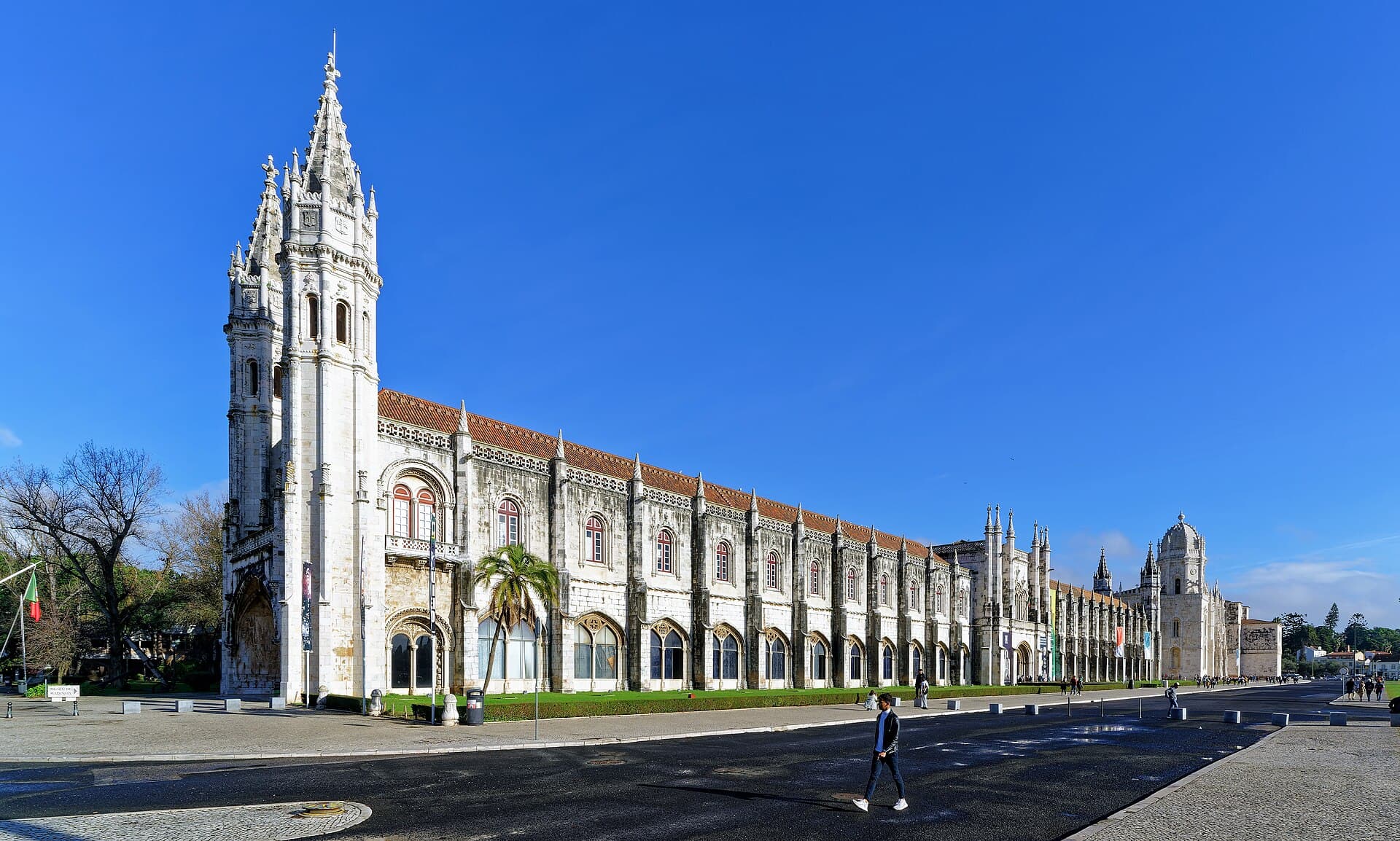 The Jerónimos MonasteryJerónimos is Portugal's glory carved: begun by Manuel I (1501) in thanks for Vas14 minutes walk4.3
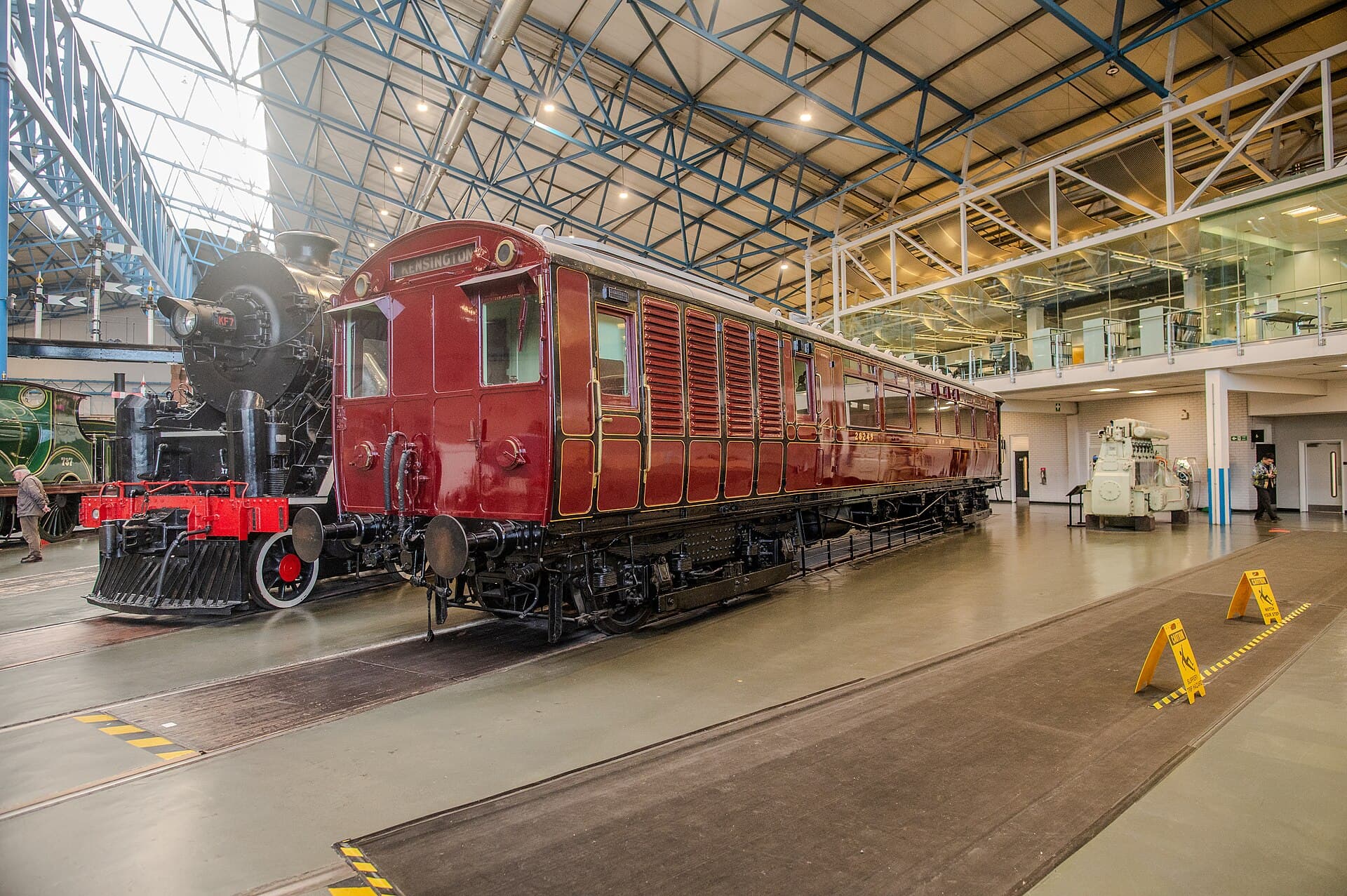 The National Coach MuseumThe Coach Museum is uncontested greatest of its kind on earth: Europe's royal ce21 minutes walk4.5
The golden order: monastery at opening (the dangerous queue), then tower, Discoveries monument at noon, Coach Museum or MAAT after — and between them the original Belém pastry from the blue 1837 bakery: the line moves fast and the custard secret earns it. Tram 15 or the Cascais train from Cais do Sodré serves the quarter.