
The lace cloister
Two golden Lioz storeys carved into a whole sea.
Holger Uwe Schmitt — CC BY-SA 4.0 · JensKunstfreund — CC BY 4.0 · Dale Cruse - 10M views from San Francisco, CA, USA — CC BY 4.0 · thirdsphoto — CC BY 2.0
Jerónimos is Portugal's glory carved: begun by Manuel I (1501) in thanks for Vasco da Gama's return from India and funded by spice gold — five percent of the Orient trade's profit for a century — yielding the greatest Manueline work of all, World Heritage with its neighbour tower. Its heart is the cloister without twin: two storeys of golden Lioz stone cut to complete lace — ropes, corals and sea creatures coiling every arch, a full hour owed to the carving alone — while the church (free to enter) raises stone-palm columns fanning into vaults, holding the facing tombs of Vasco da Gama and the poet Camões: the deed and the word. The custard tart was born here too: its monks sold their secret recipe to the neighbouring bakery (1837), making the Pastéis de Belém. Book online and stand at opening — its queue is Lisbon's most famous.
Two golden Lioz storeys carved into a whole sea.
Columns fanning into stone fronds.
Da Gama and Camões — the deed and the word.
Praça do Império, 1400-206 Lisbon
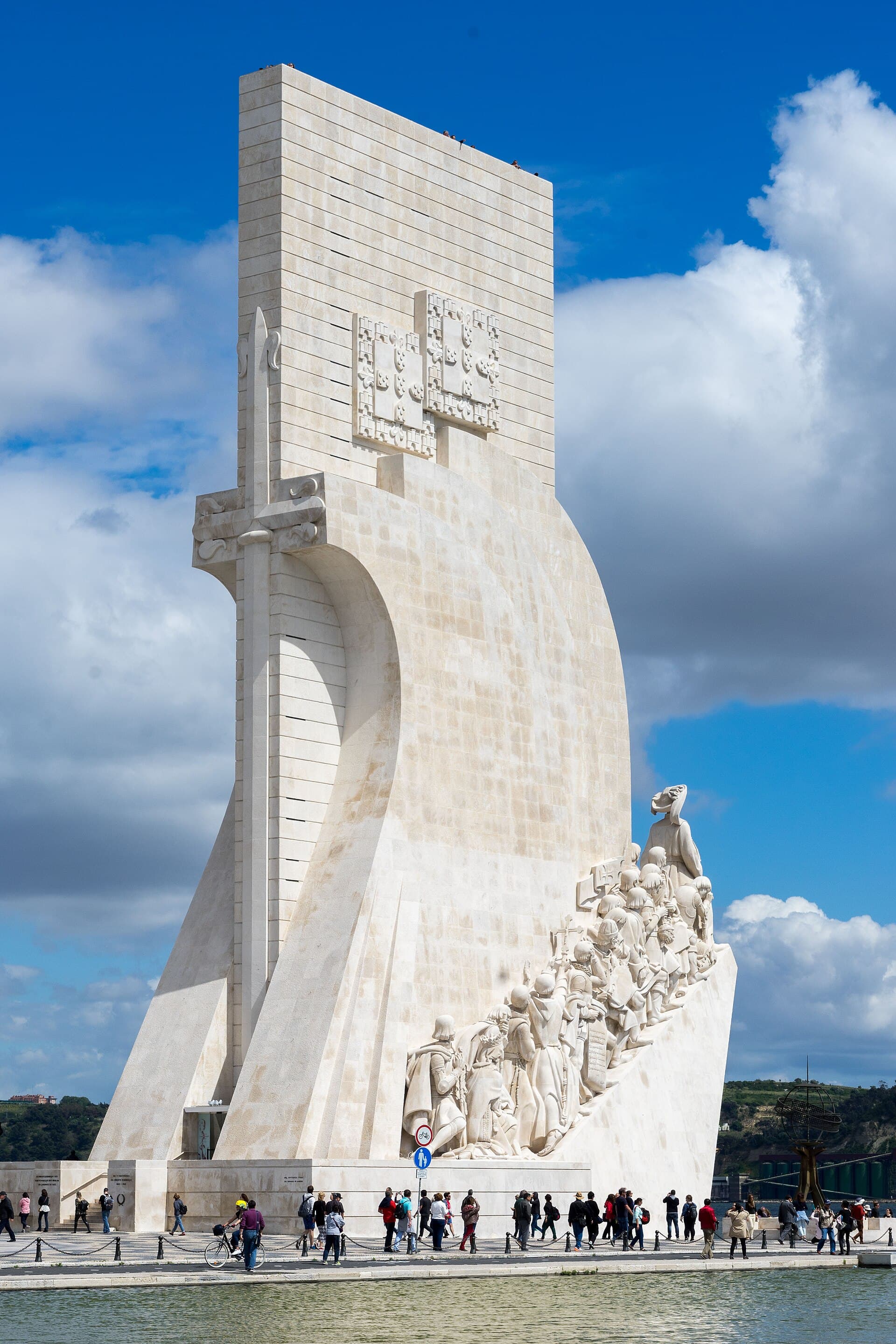 The Monument to the DiscoveriesThe Discoveries Monument is Portugal's stone ship: a 52-metre caravel charging t6 minutes walk4.7
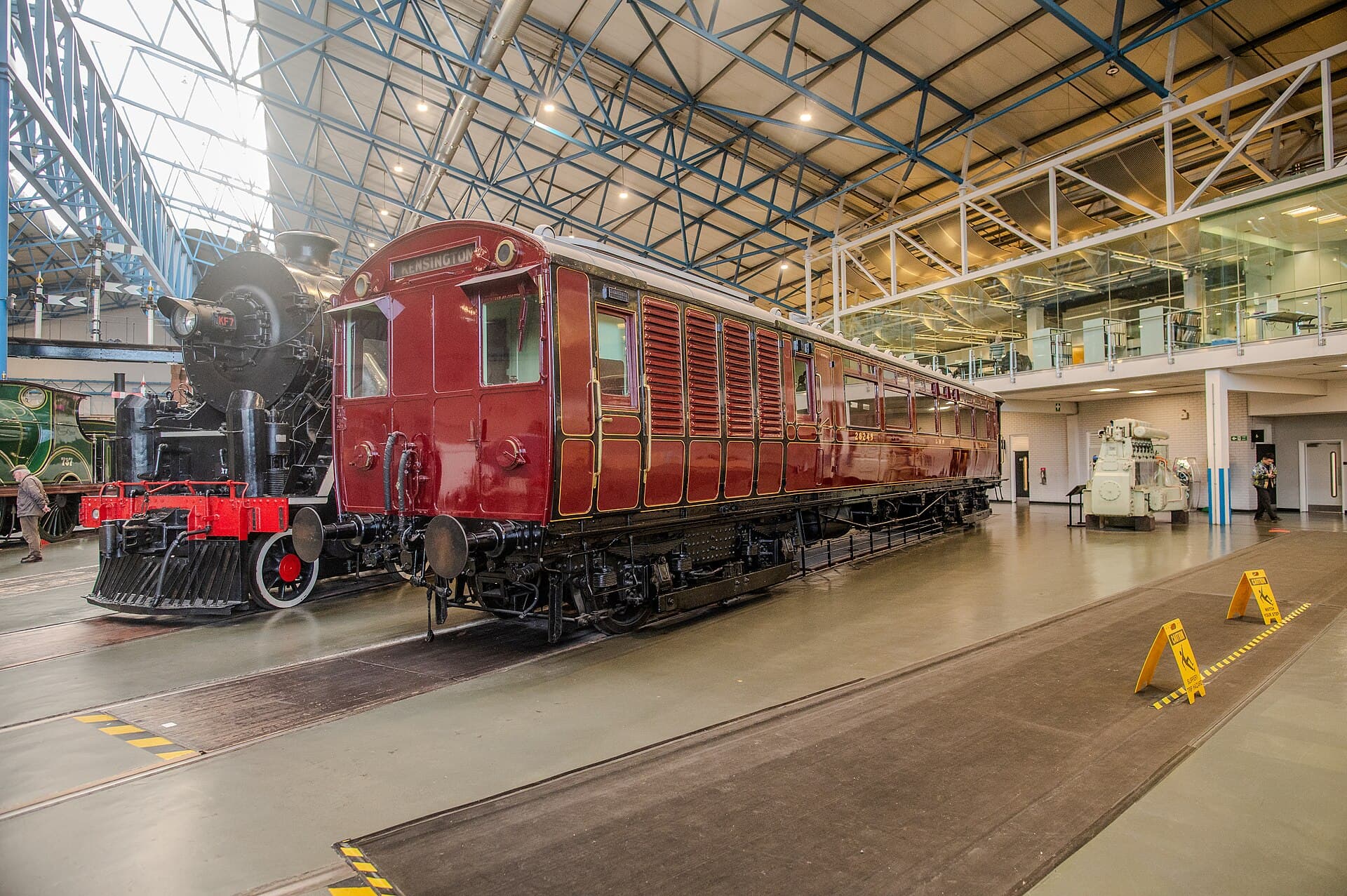 The National Coach MuseumThe Coach Museum is uncontested greatest of its kind on earth: Europe's royal ce8 minutes walk4.5
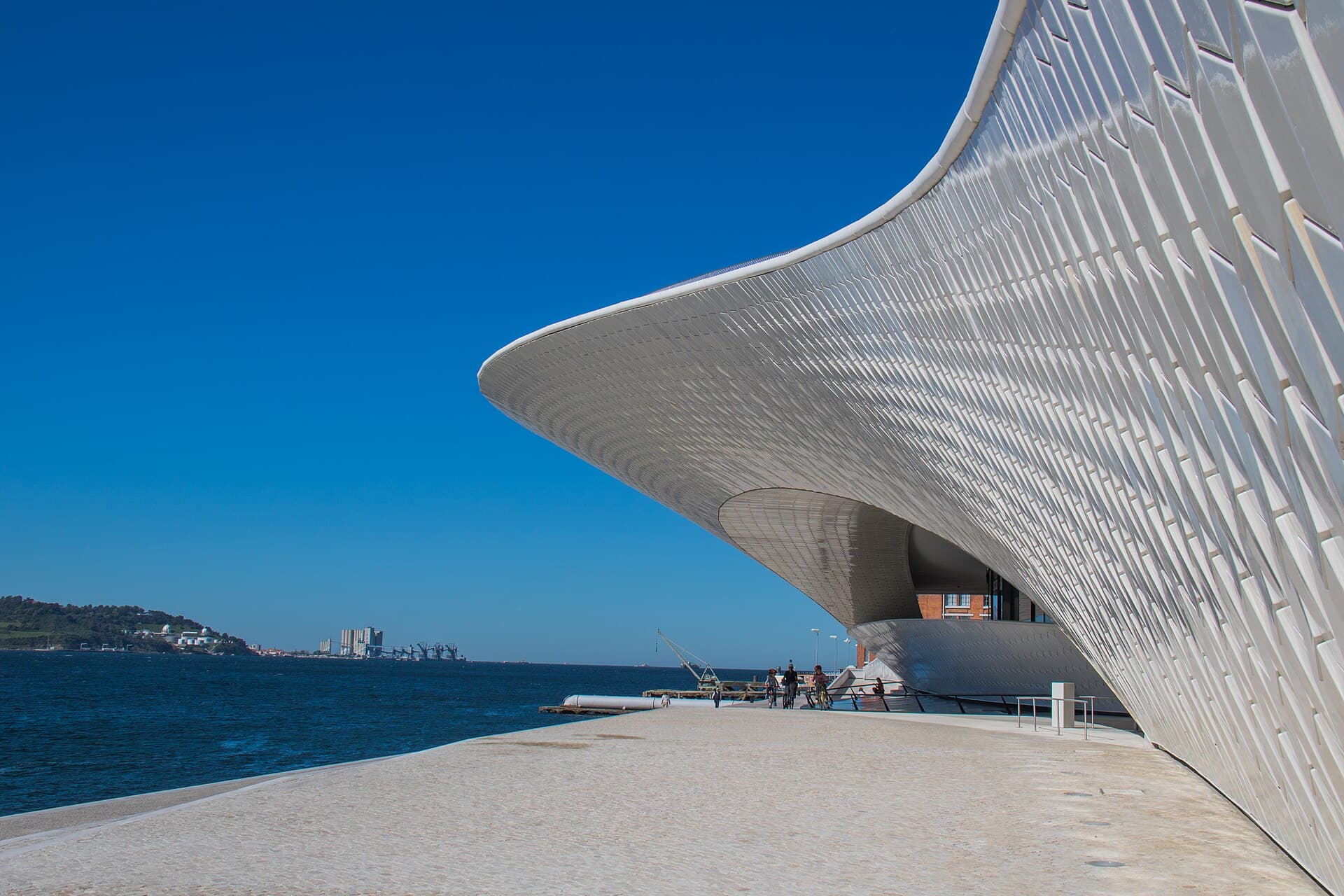 MAAT & the Tejo Power StationMAAT is Lisbon's contemporary wave on the river: the Museum of Art, Architecture13 minutes walk4.2
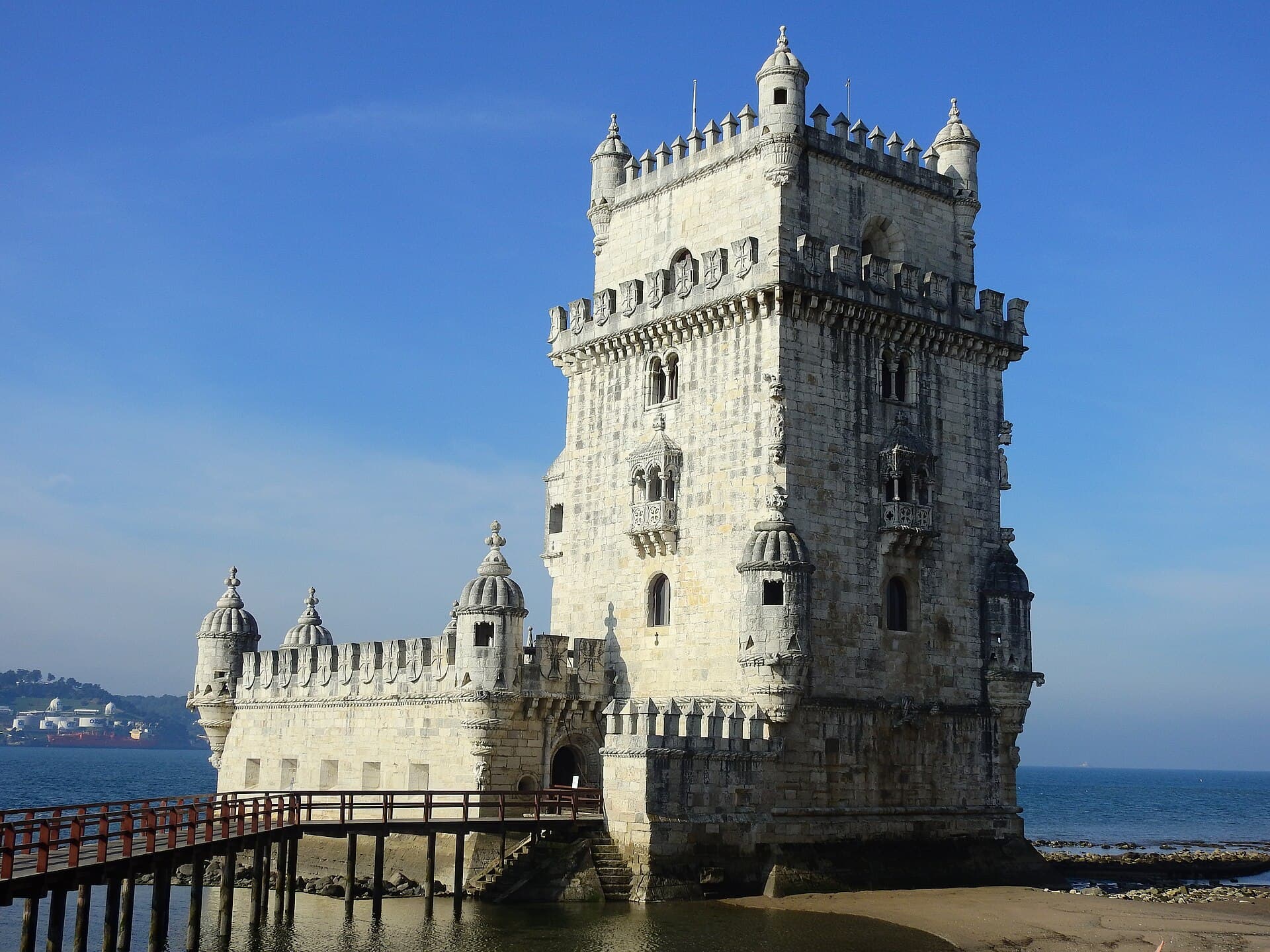 Belém TowerBelém Tower is Portugal's royal seal on the Tagus: a Manueline fort (1519) built14 minutes walk4.6
 The Ajuda National PalaceAjuda is Portugal's last royal palace: built above Belém after the quake scared 16 minutes walk4.8
Portugal's own style (named for Manuel I): late Gothic drowned in sea symbols — ropes, knots, armillary spheres, corals, ocean creatures — bankrolled by spice wealth. Its short life (decades) made it rare: Jerónimos and the tower are its world summits.