
Colonisation, critically
A section on the Congo presented as confrontation rather than celebration, rare in a national museum.
Diego Delso — CC BY-SA 4.0 · FrDr — CC BY 4.0 · FrDr — CC BY 4.0 · FrDr — CC BY 4.0
The museum of Belgian history, in an eighteenth-century mansion directly facing the royal palace. It covers the country from independence in 1830 to the present. Its real value is that it explains Belgium to people who do not understand it, and Belgium is genuinely hard to understand: a country created in 1830 by European decision more than popular movement, split between two languages and two communities, and turned into a complicated federal state to avoid coming apart. The museum presents that frankly rather than offering a polished national story. It also covers the colonisation of the Congo, both world wars and the occupations, and immigration, subjects treated critically rather than celebrated. The museum connects directly to the Coudenberg archaeological site beneath it: the remains of the old royal palace that burned in 1731, whose streets and halls are visited underground. The combined ticket between them is the sensible choice.
A section on the Congo presented as confrontation rather than celebration, rare in a national museum.
A state made by European decision and split by language — the museum does not simplify it.
Remains of the royal palace that burned in 1731, its streets visited underground.
Place des Palais, Brussels
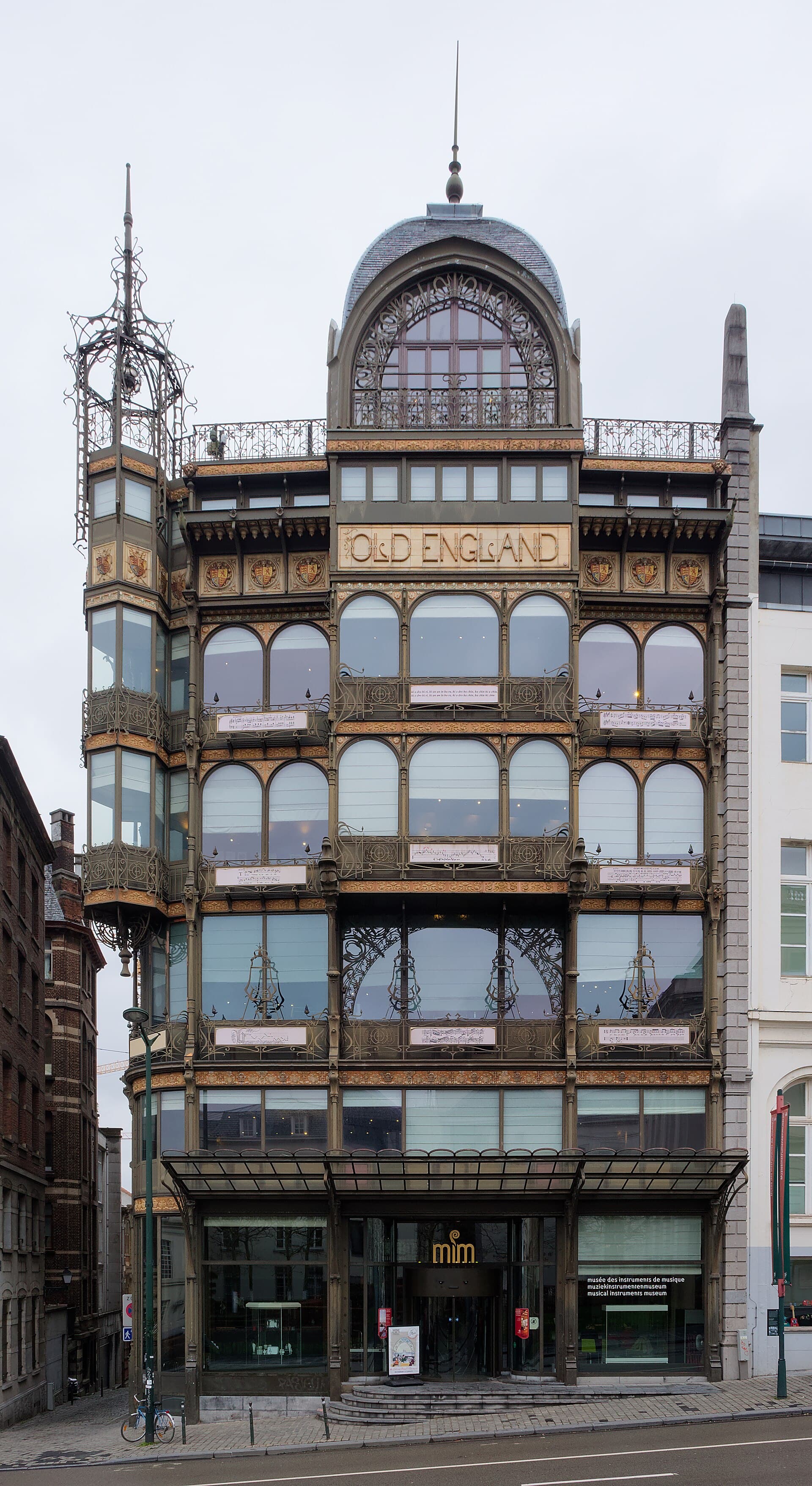 Musical Instruments Museum (MIM)The Musical Instruments Museum is among the world's most important instrument mu1 minute walk4.3
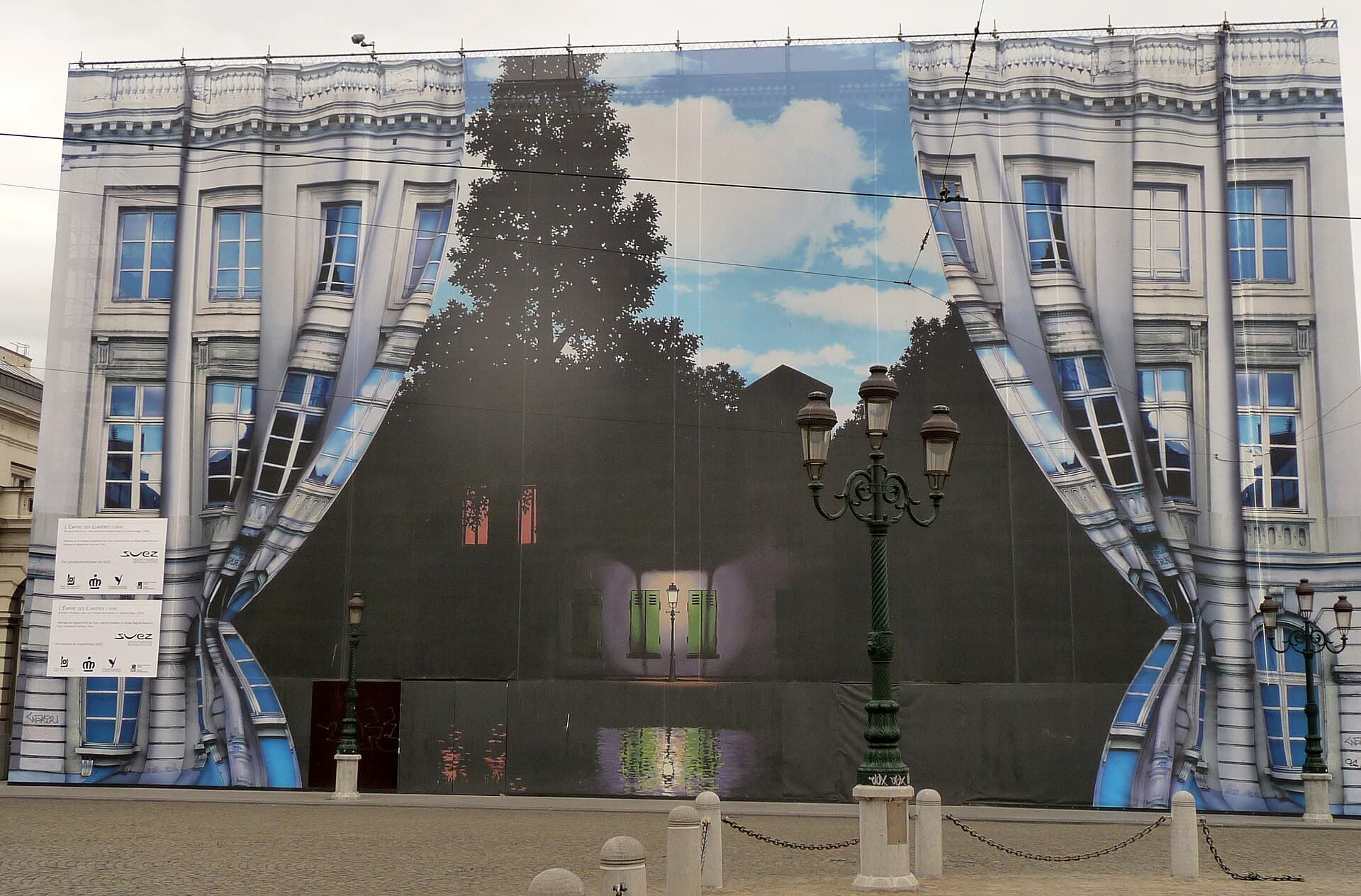 Magritte MuseumThe Magritte Museum holds the world's largest collection of René Magritte, Belgi2 minutes walk4.4
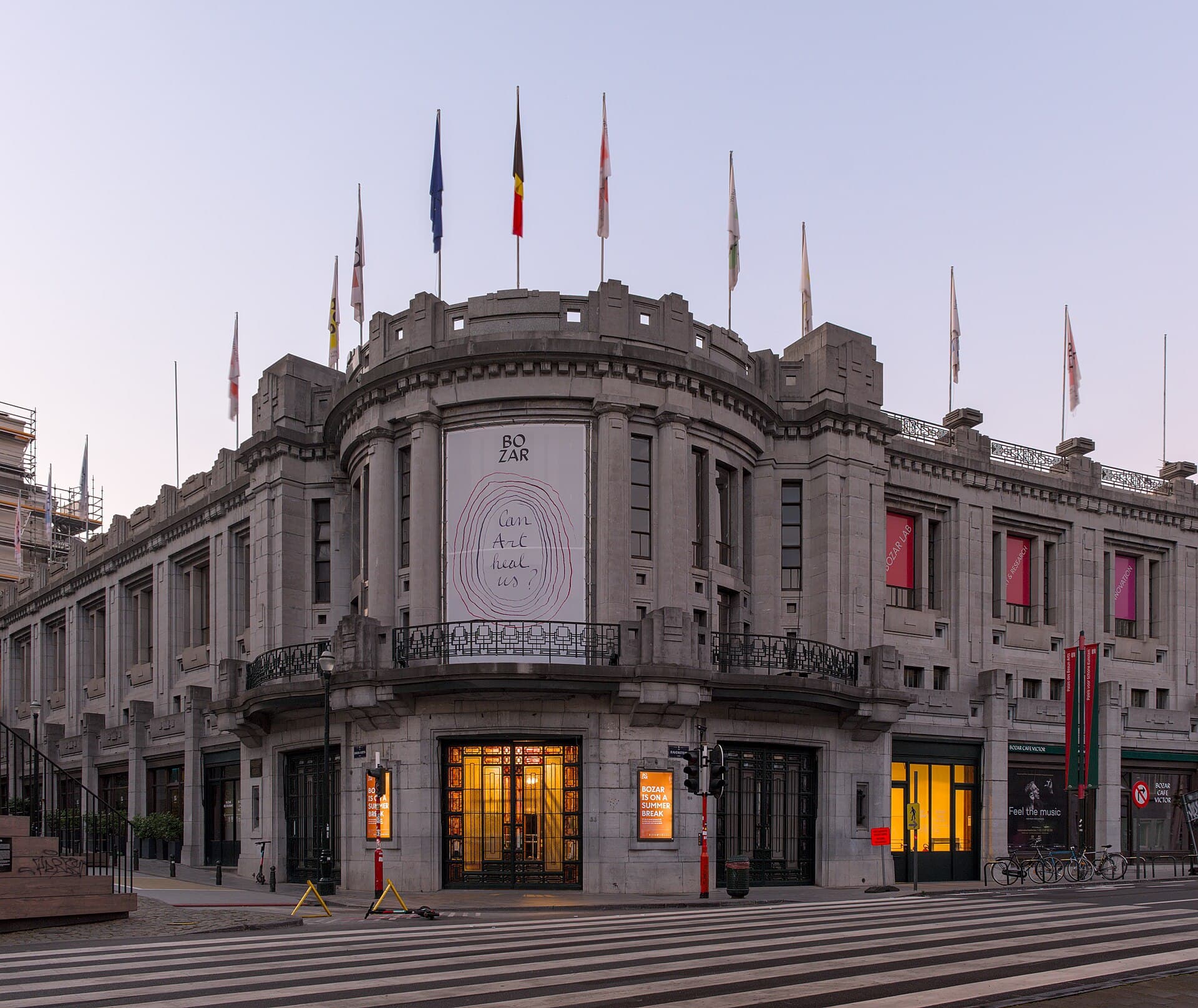 BOZAR Centre for Fine ArtsBrussels's principal arts centre, in a building designed by Victor Horta and com2 minutes walk4.6
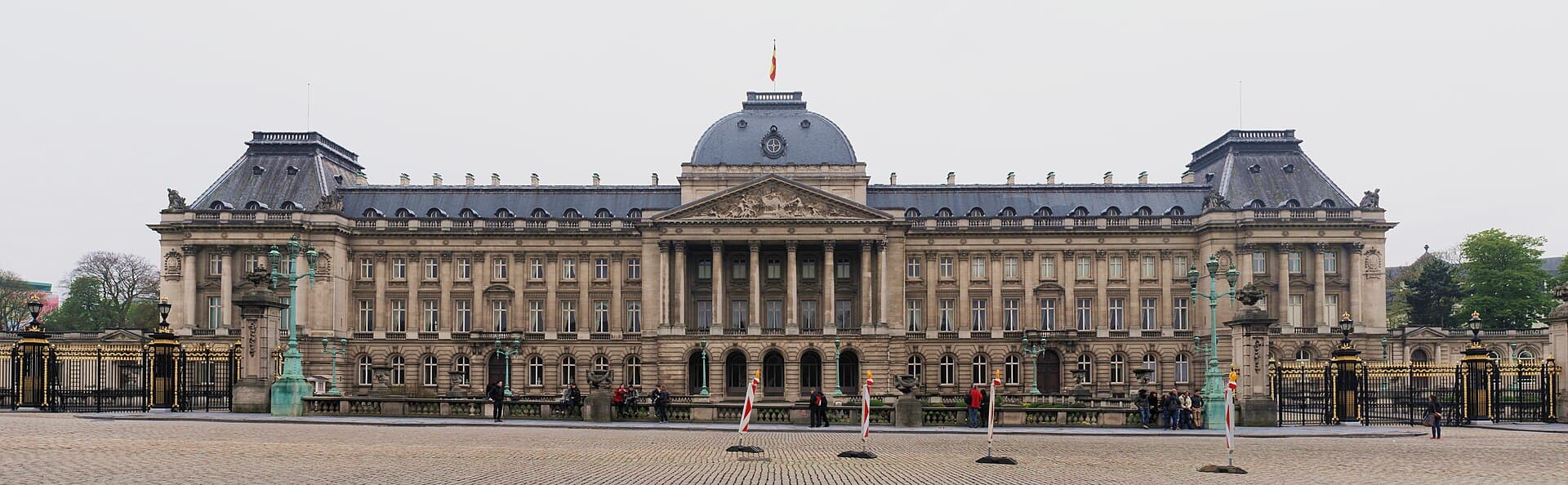 Royal Palace of BrusselsThe Royal Palace is the official palace of the King of the Belgians — not his re2 minutes walk4.6
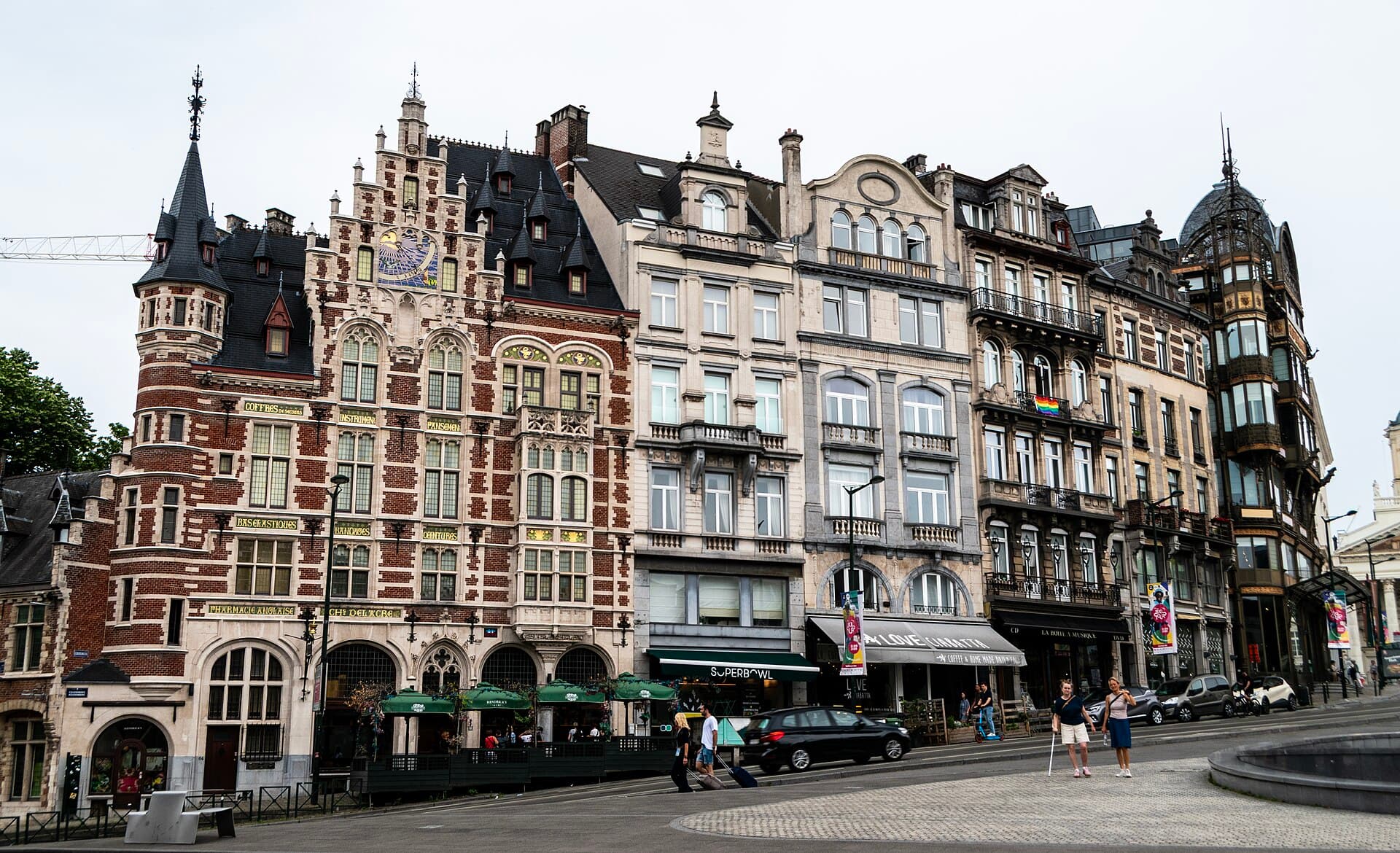 Coudenberg PalaceCoudenberg is Brussels' lost palace: on the hill of the Place Royale stood for c2 minutes walk4.4
Yes if you can. Belgium is hard to read from the street: the language divide, the complicated federalism and the colonial history all explain what you see later in Brussels, Flanders and Wallonia. Ninety minutes here at the start makes the rest of the trip clearer.
The remains of the old royal palace that stood here and burned in 1731. After the fire the ruins were levelled and the present square built over them, leaving the lower floors and streets preserved underground. They are visited today along passages, an entirely different experience from the museum above.