
A buried building
Rules forbade blocking the palace's view, so Horta sank most of it below street level.
Trougnouf (Benoit Brummer) — CC BY 4.0 · Rhododendrites — CC BY-SA 4.0 · Dietmar Rabich — CC BY-SA 4.0 · Dietmar Rabich — CC BY-SA 4.0
Brussels's principal arts centre, in a building designed by Victor Horta and completed in 1928. Horta was the pioneer of Belgian Art Nouveau, but this belongs to his later Art Deco phase, so do not expect the curving plant-forms he is known for. The constraint he worked under explains the building's shape: regulations forbade any construction blocking the view from the royal palace down to the lower city, so Horta had to bury most of the building below street level. The result is a modest-looking facade and a wide, many-levelled interior, with the Henry Le Bœuf concert hall among the best in Europe acoustically. The programme combines art exhibitions, concerts, cinema and theatre in one place, and what you find depends entirely on timing. This is not a museum with a permanent collection. Check the programme before going, and if nothing on it interests you the value of a visit is limited to the building itself.
Rules forbade blocking the palace's view, so Horta sank most of it below street level.
Among the best concert halls in Europe acoustically.
Exhibitions, concerts, cinema and theatre in one building.
Rue Ravenstein, central Brussels
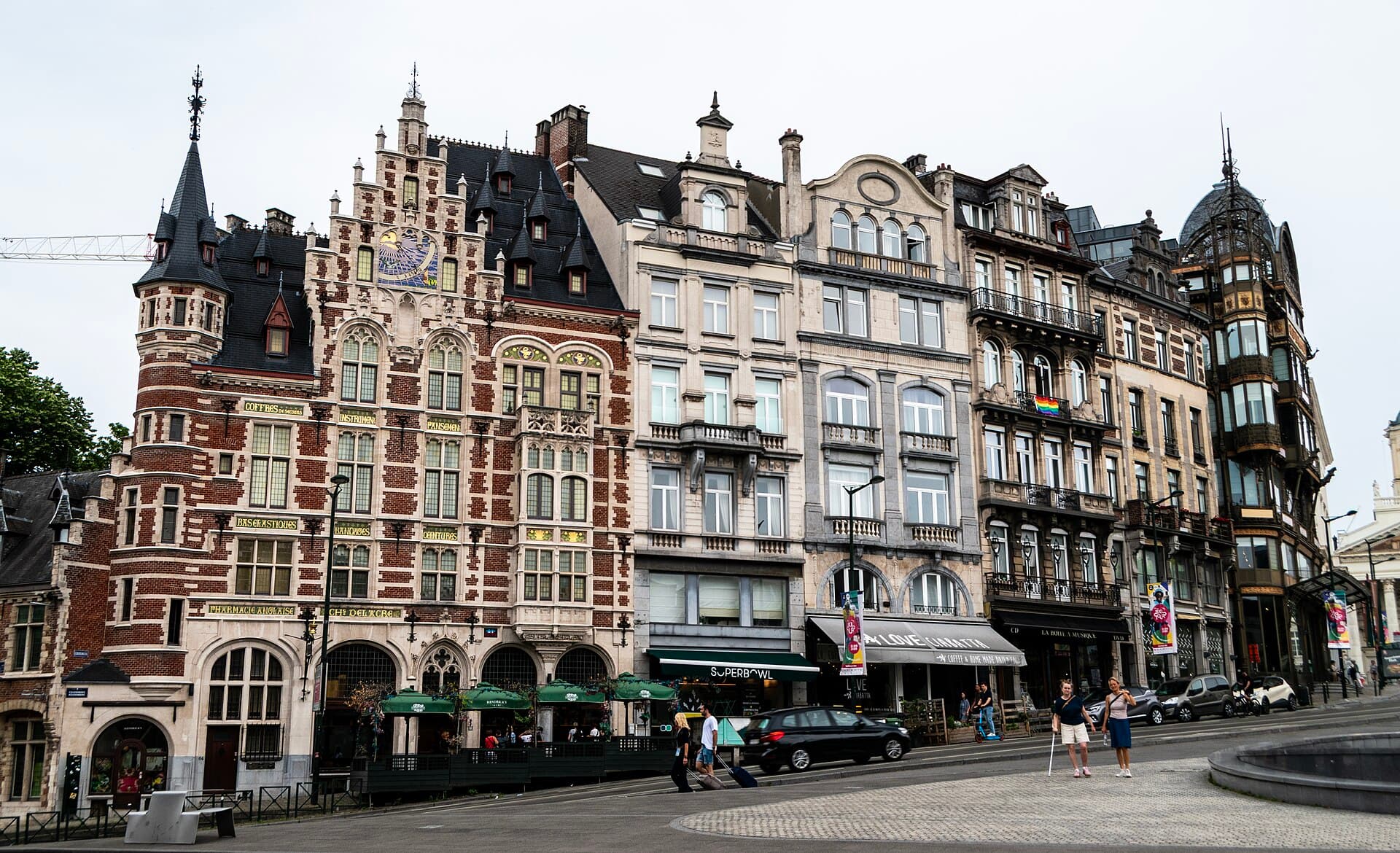 Coudenberg PalaceCoudenberg is Brussels' lost palace: on the hill of the Place Royale stood for c1 minute walk4.4
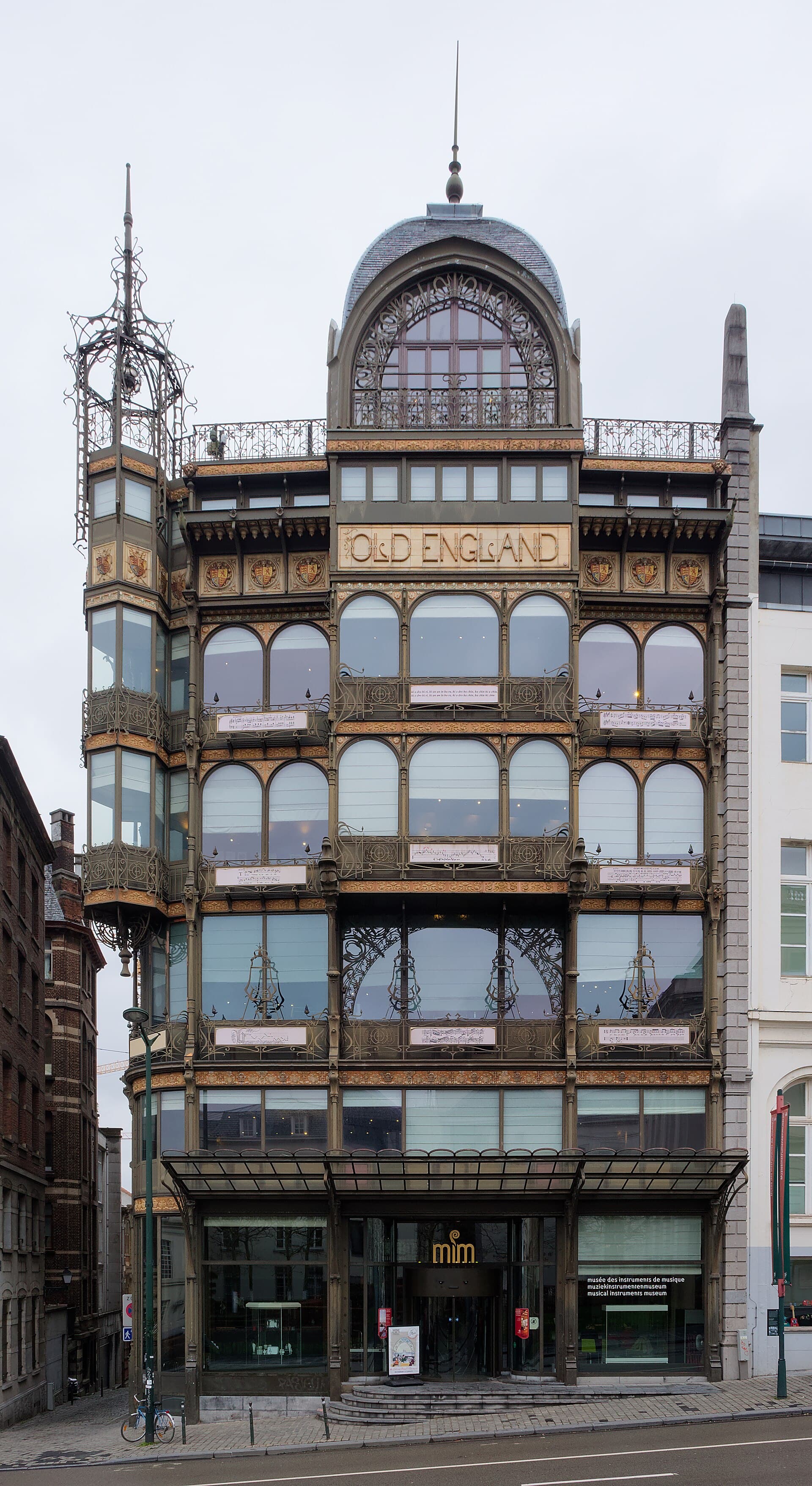 Musical Instruments Museum (MIM)The Musical Instruments Museum is among the world's most important instrument mu2 minutes walk4.3
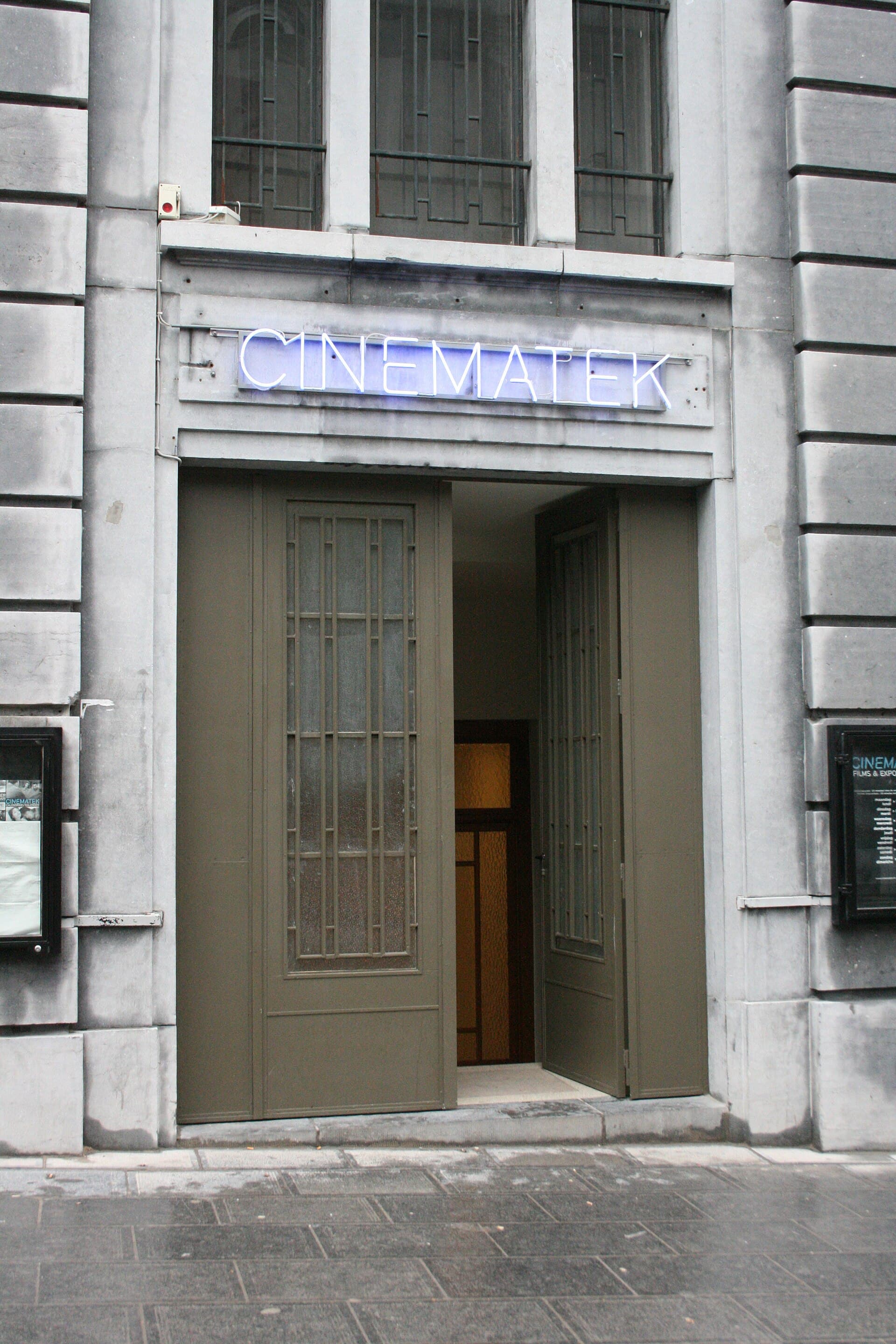 CINEMATEKBelgium's royal film archive, housed inside the BOZAR building. It preserves one2 minutes walk4.7
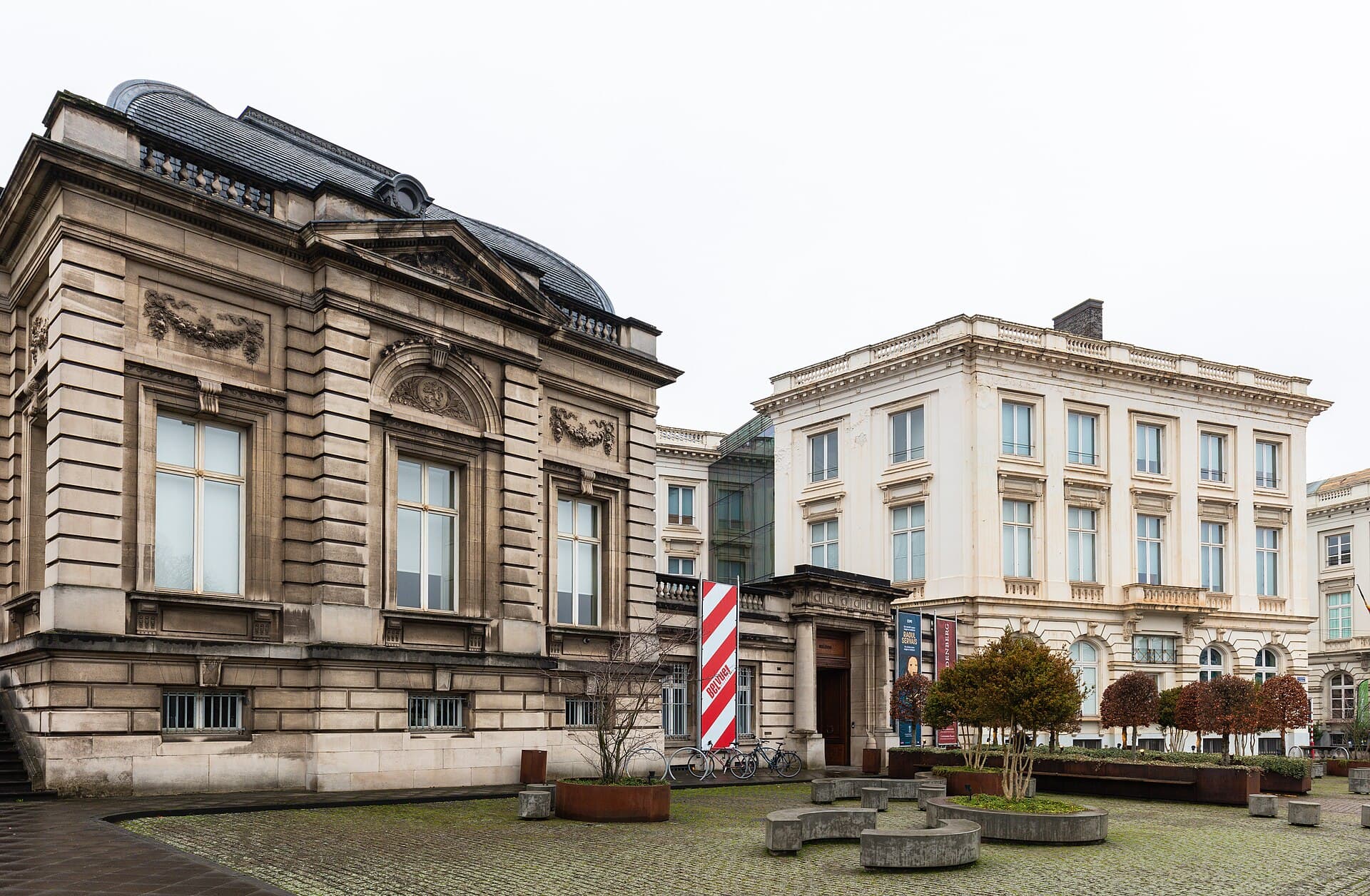 BELvue MuseumThe museum of Belgian history, in an eighteenth-century mansion directly facing 2 minutes walk4.3
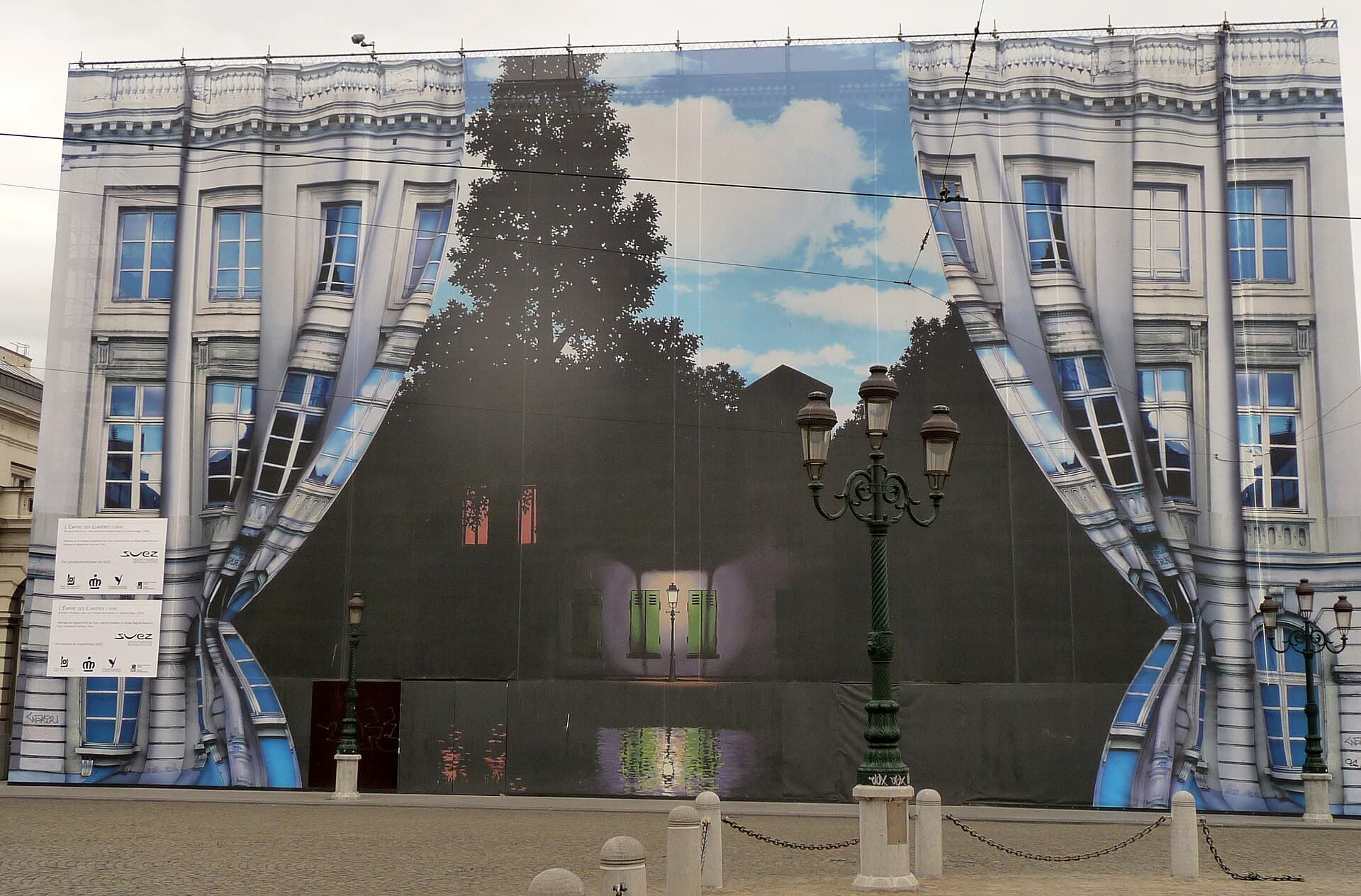 Magritte MuseumThe Magritte Museum holds the world's largest collection of René Magritte, Belgi2 minutes walk4.4
If Art Nouveau is what you are after, the Horta Museum in Saint-Gilles is the right destination, being his own house and the best example of his manner. BOZAR is from his later phase and looks entirely different. Come for its programme rather than the architecture you might expect.
Check the programme on the official site before going. The venue works by seasons and events rather than permanent display, and you can arrive between exhibitions and find nothing open beyond the public spaces.