
The material world
House, farming and trade behind the text.
Thomas Liptak — CC BY-SA 4.0 · Thomas Liptak — CC BY-SA 4.0 · Thomas Liptak — CC BY-SA 4.0
The Bibelhaus is a museum on Frankfurt's Museumsufer, but it is not a religious museum in an evangelising sense — it is a museum of history and archaeology, treating the Bible as a text that arose in a specific historical context and showing what archaeology says about that context. The exhibits include original artefacts from the ancient Near East — pottery, tools, inscriptions and coins from Palestine, Syria and Mesopotamia — on loan from museums and collections. The idea is that the visitor sees the material world in which the texts were written: what a house, a table, farming and trade actually were. It also holds copies of manuscripts and printed editions, including material on Luther's translation, which changed the German language itself. The museum is small and pitched at families and school groups in an interactive manner, and it sits among the major riverbank museums — so it is an addition for anyone who has finished the more important ones rather than a first destination.
House, farming and trade behind the text.
The text that changed the German language.
Metzlerstrasse 19, 60594 Frankfurt
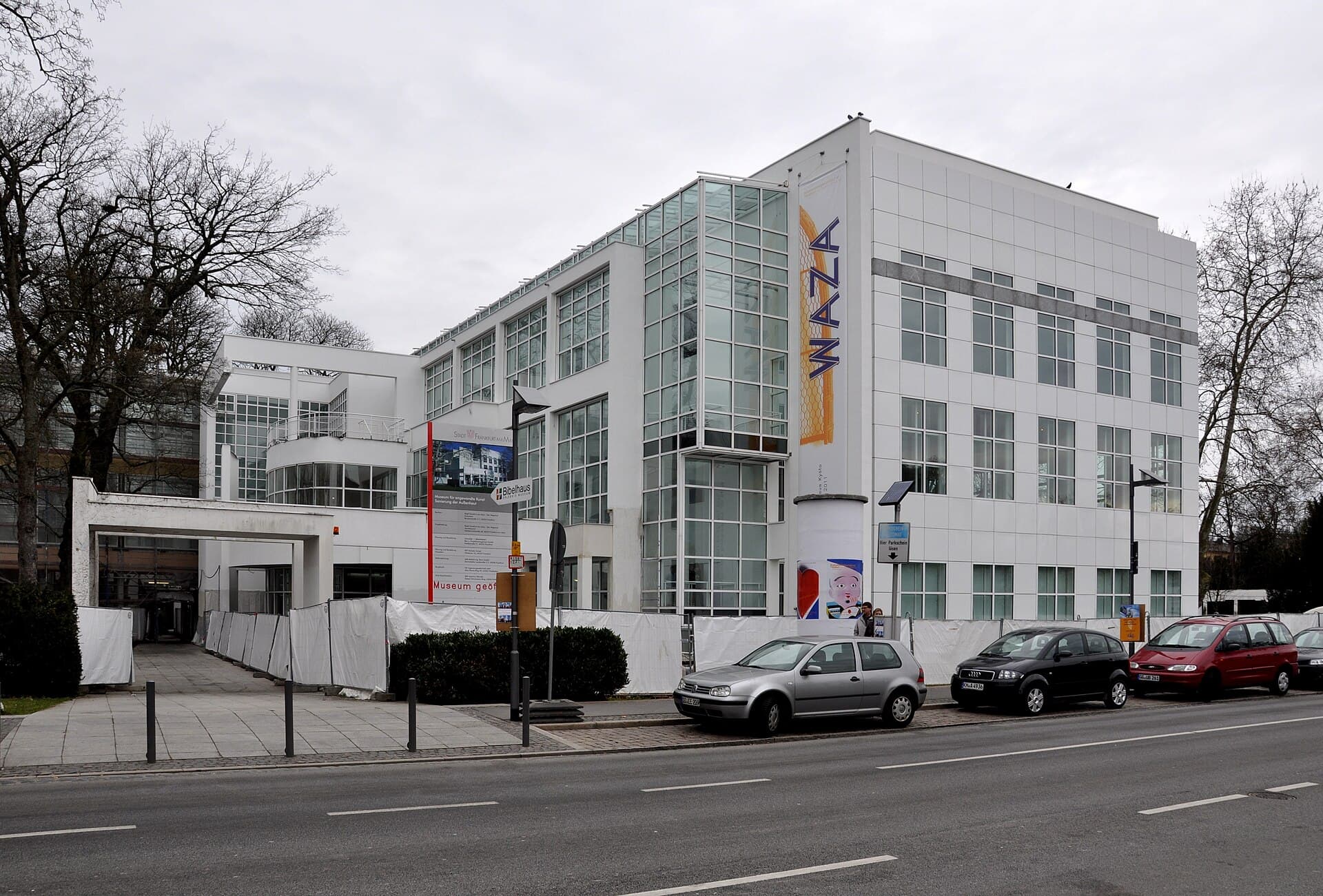 Museum Angewandte Kunst (Applied Arts)The Museum Angewandte Kunst is Frankfurt's design museum: how humans have design1 minute walk4.3
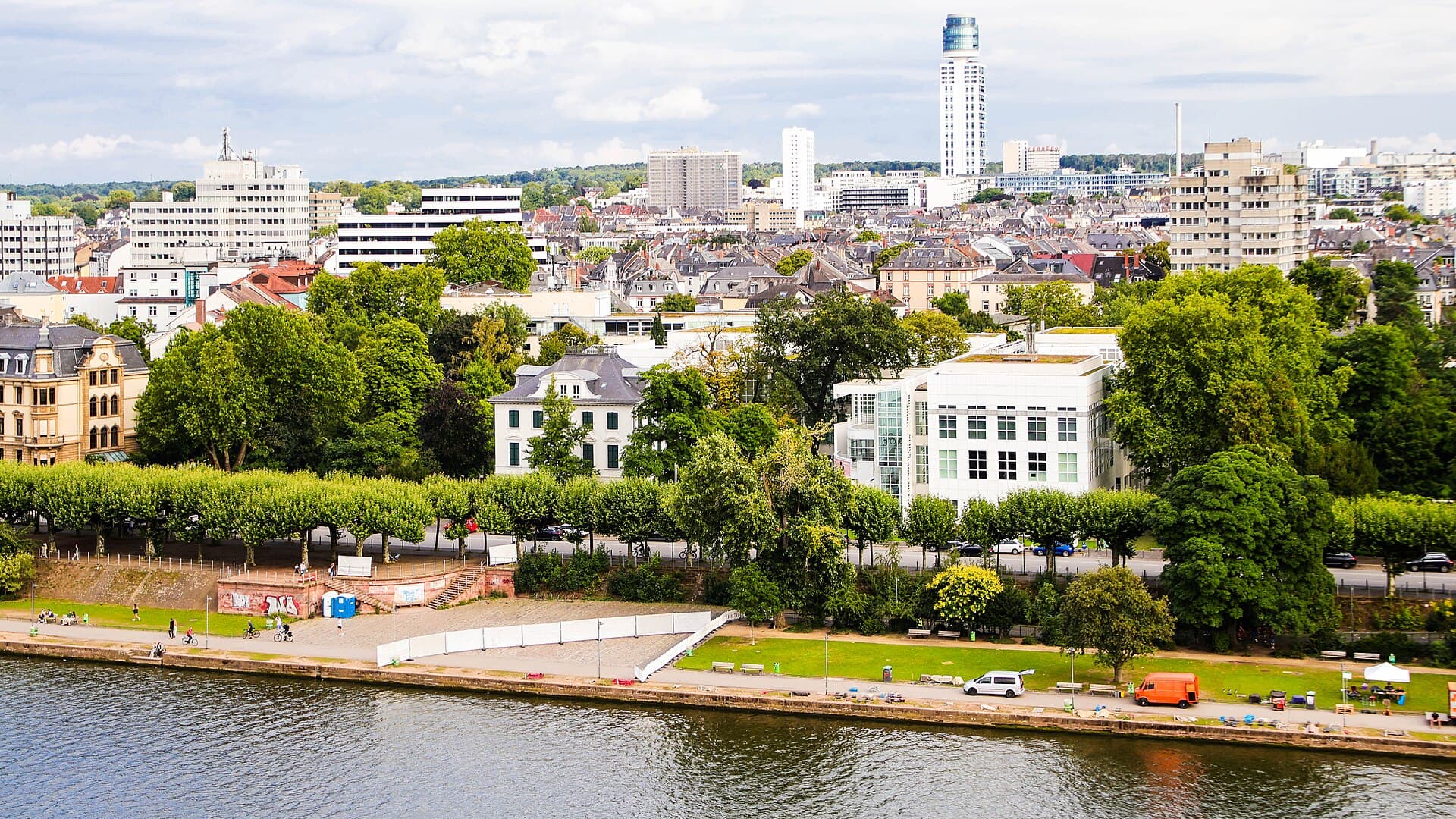 MuseumsuferThe Museumsufer, or museum embankment, is the name given to the south bank of th3 minutes walk4.5
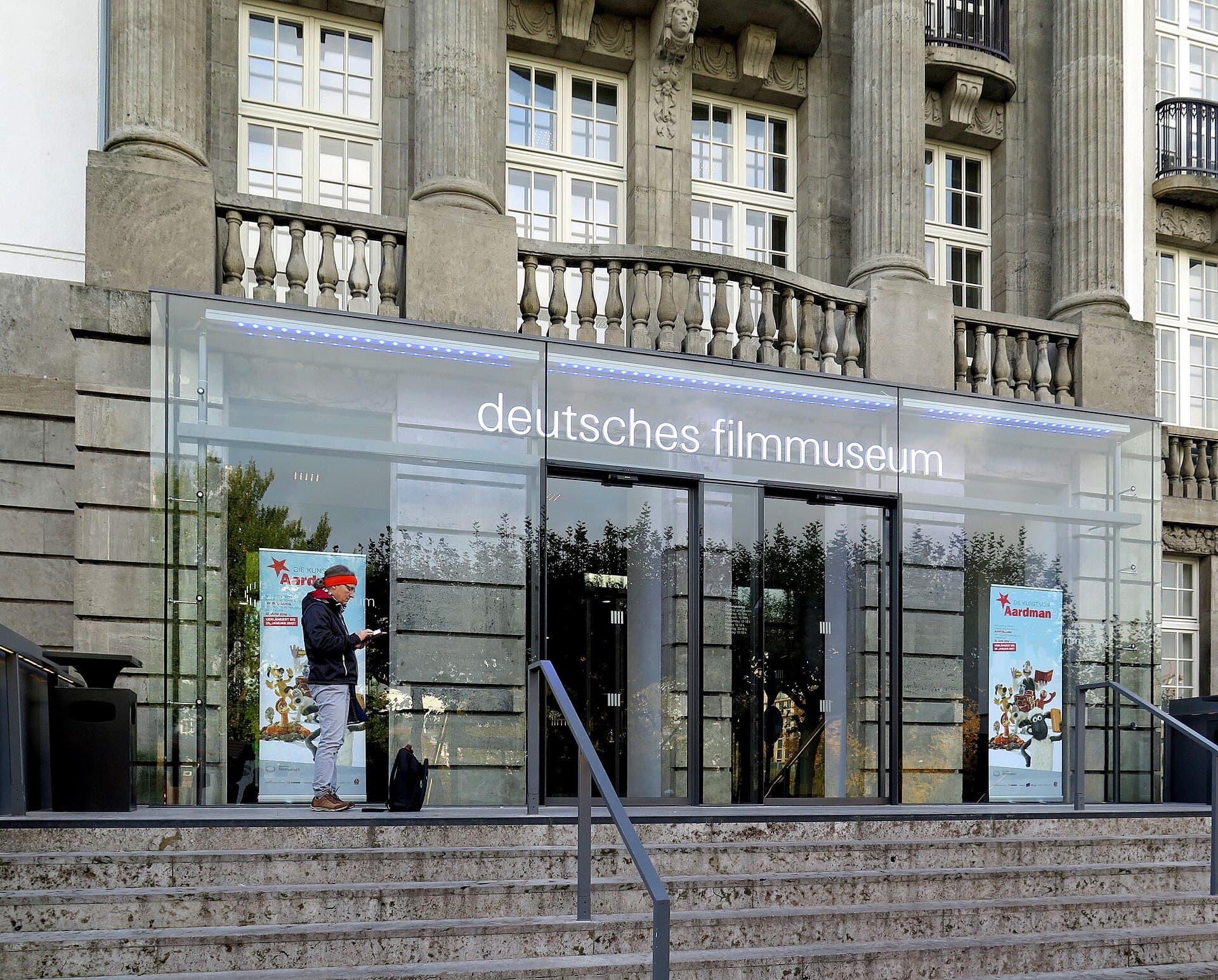 German Film Museum (DFF)On Frankfurt's museum embankment stands the German Film Museum: a journey throug3 minutes walk4.6
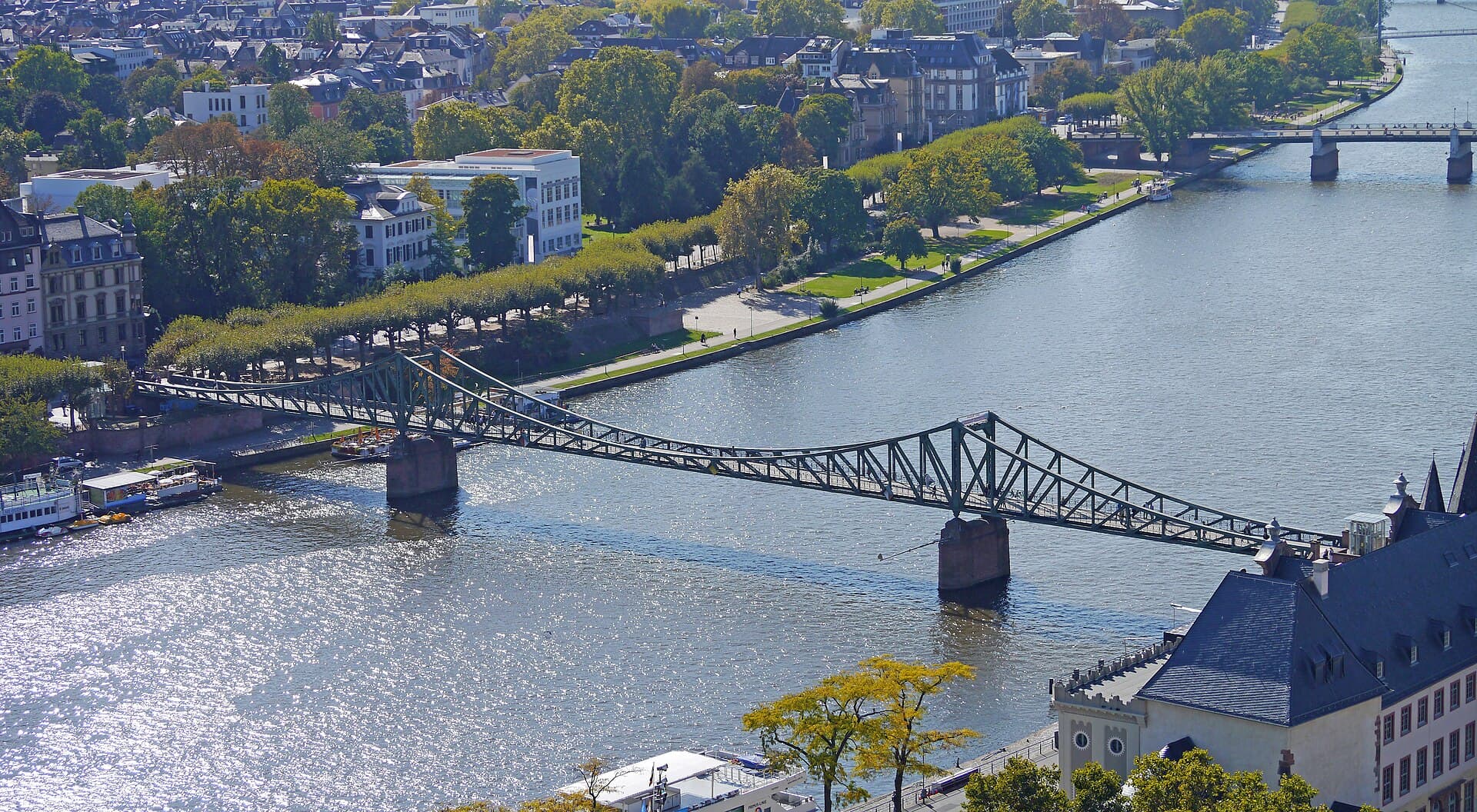 Eiserner StegThe Eiserner Steg is a pedestrian-only bridge across the river Main in the middl4 minutes walk4.7
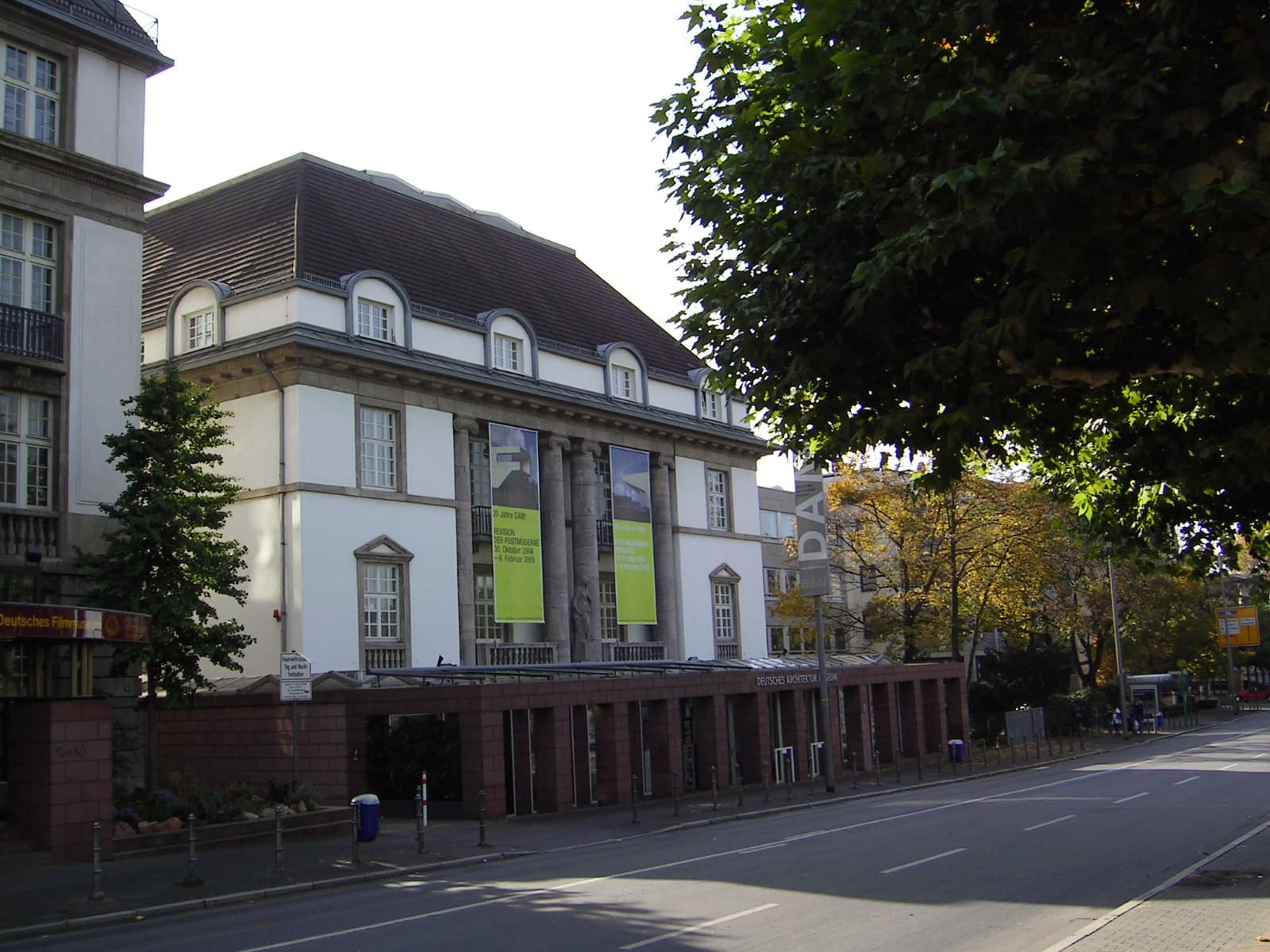 German Architecture MuseumThe German Architecture Museum sits on Schaumainkai, the stretch of the south ba4 minutes walk4.0
A stretch on the southern bank of the Main in Frankfurt where some fifteen museums stand within a short distance — the Städel for art, the German Architecture Museum, the film museum, ethnology and others. The concentration resulted from a cultural policy in the 1980s that converted nineteenth-century riverside villas into museums. Walking the bank passes all of them, and an annual August festival opens them together.