
The egg legend
60,000 eggs.
Petar Milošević — CC BY-SA 4.0 · Tommyy882 — CC BY-SA 3.0 · Tommyy882 — CC BY-SA 3.0 · Tommyy882 — CC BY-SA 3.0 · This illustration was made by Rašo. An email to Rašo would be appreciated too. — CC BY-SA 3.0 · Mister No — CC BY 3.0
The Clock Tower, or Saat Kula, is one of Bitola's landmarks, standing in the heart of the city at the northern end of Širok Sokak near Magnolia Square. The first tower was built in 1664 by Mahmut Bey, when the city was Ottoman and known as Manastır, and legend says the Ottomans collected 60,000 eggs from the surrounding villages and mixed the shells into the mortar. The tower was rebuilt in the 1830s. It is 33 metres high, each side of its base 5.8 metres long, built of massive stone blocks and topped by a small dome. Metal plates on its four faces carry Roman numerals; in Ottoman times the numbers were Eastern Arabic numerals. Beside it stands the Yeni Mosque, the «New Mosque», built by the judge Mahmud Efendi in 1558 and known for its ornaments, stalactite carvings and glazed tiles unique in the country; it is now an art gallery. The whole spot is free, and from here a bridge crosses to the Old Bazaar.
60,000 eggs.
Ornaments and stalactites.
The city's heart.
Northern end of Širok Sokak near Magnolia Square, Bitola
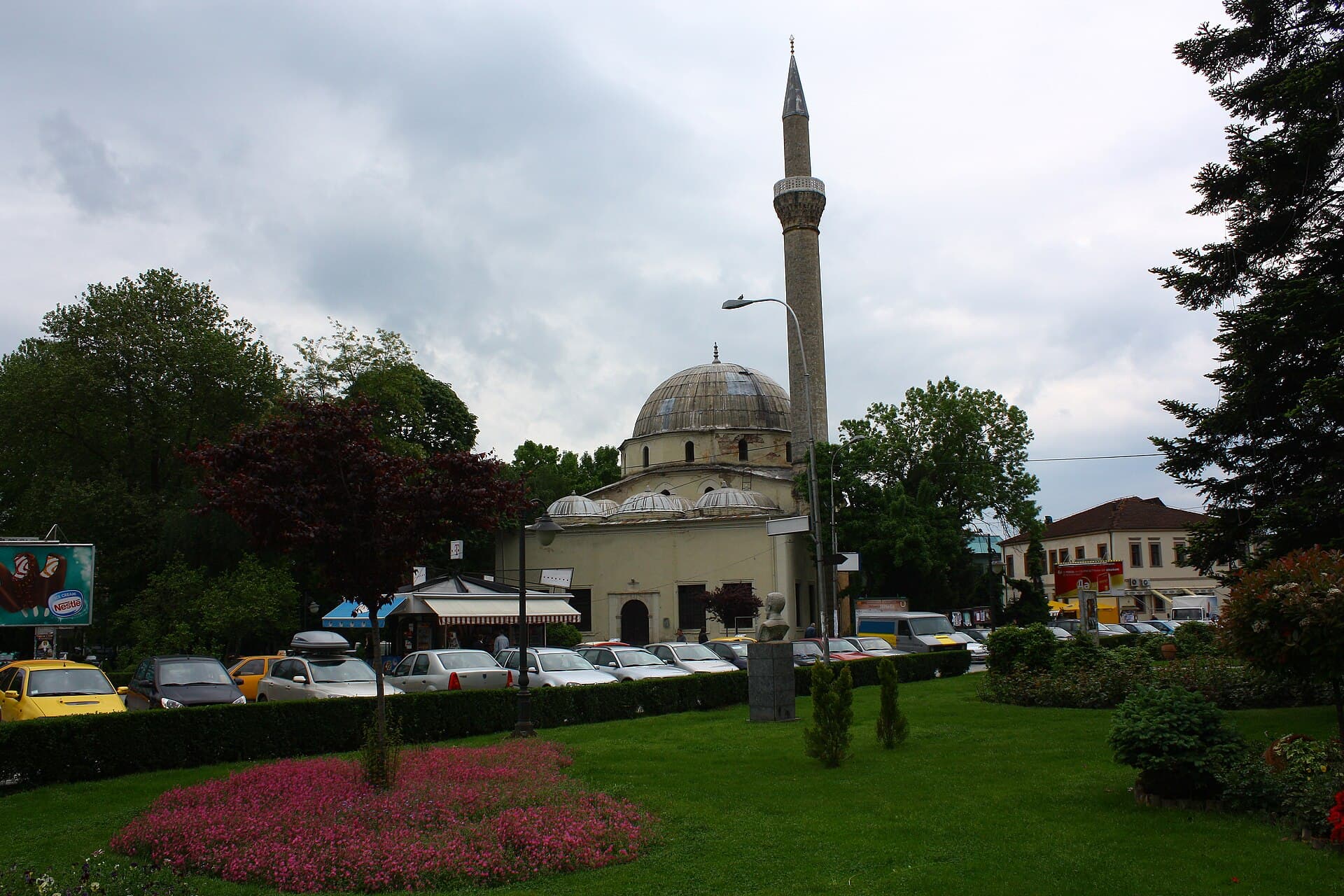 Ishak Çelebi MosqueThe Ishak Çelebi Mosque, popularly called the Ishakiye, is the largest mosque in2 minutes walk4.5
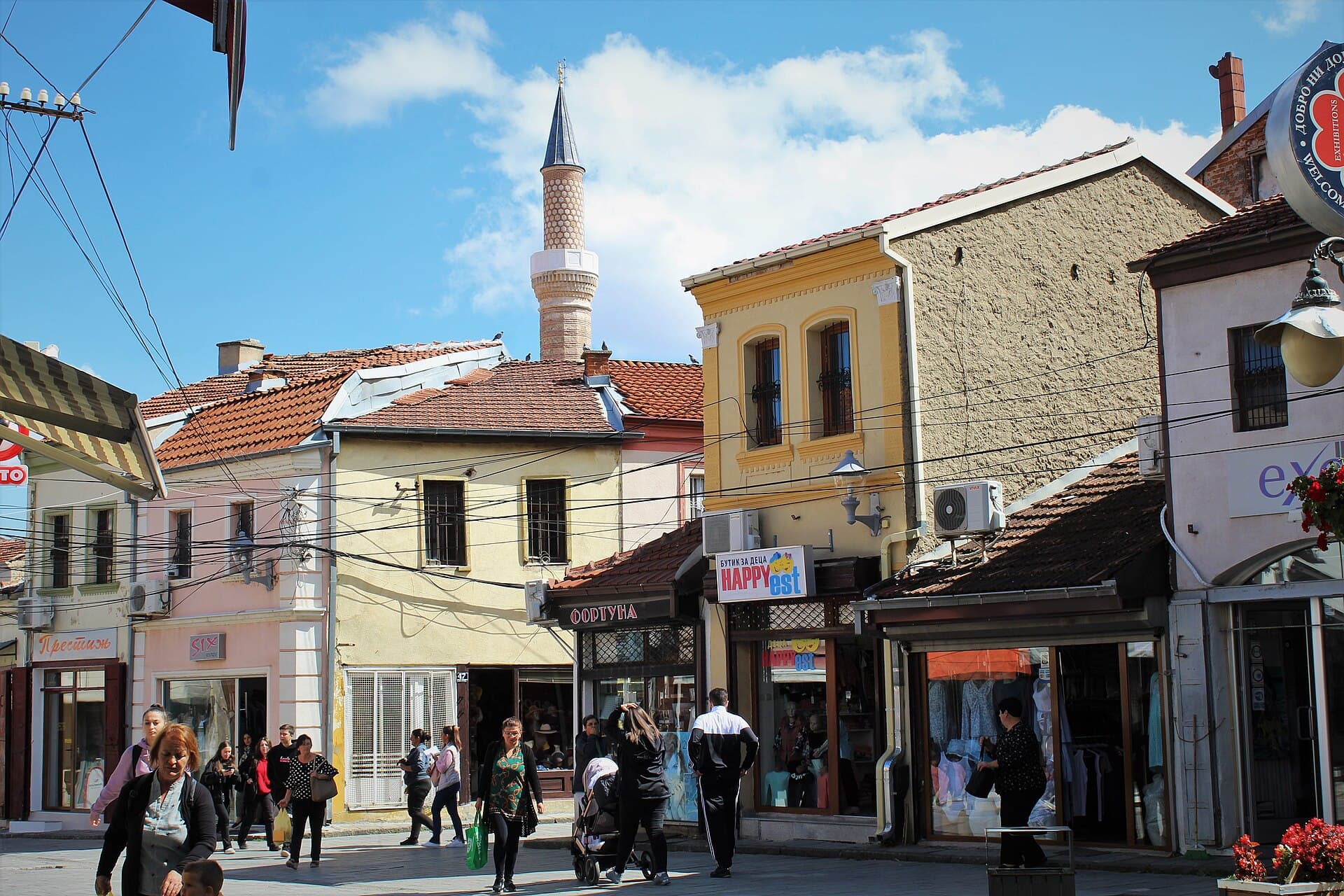 Old BazaarBitola's Old Bazaar, the Čaršija, lies on the north bank of the Dragor river in 5 minutes walk
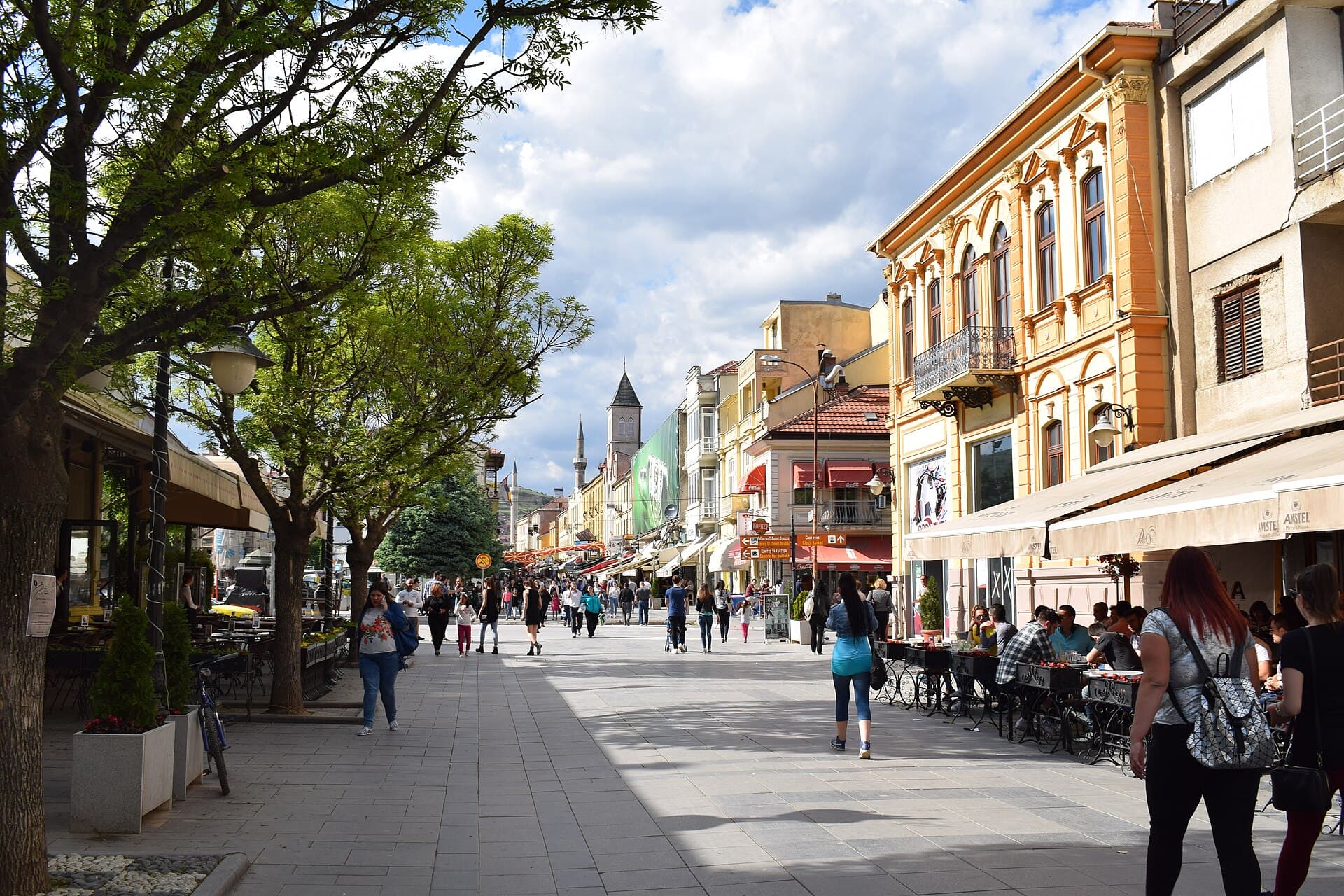 Širok SokakŠirok Sokak, the «wide alley» in Turkish, is a long pedestrian street that is th5 minutes walk4.6
Legend says the Ottomans collected 60,000 eggs from nearby villages and mixed the shells into the mortar.