
The Bezisten
A fortress-like market.
Sentimentalna — CC BY-SA 4.0 · Tommyy882 — CC BY-SA 3.0 · Tommyy882 — CC BY-SA 3.0 · Petar Milošević — CC BY-SA 4.0 · White Countess — CC BY-SA 3.0 · Sentimentalna — CC BY-SA 4.0
Bitola's Old Bazaar, the Čaršija, lies on the north bank of the Dragor river in the centre of the city and has been its centre of trade since the 15th century. In the mid-19th century, when Bitola was the third most important city of the Ottoman Empire in Europe after Istanbul and Thessaloniki, it held more than 2,000 shops for some 140 crafts and trades. Opposite the Clock Tower across the river stands the Bezisten, a covered market built to look like a fortress, which once held all kinds of shops and the studios of the city's artists. The bazaar also has the Deboj Hamam of the 17th or early 18th century, the Kerim Bey Hamam, the Ishak Çelebi Mosque at its western end and, just north, the Gazi Hajdar Kadi Mosque of 1561. The whole bazaar is listed as cultural heritage. Its lanes are full of goldsmiths, tailors, sweet shops and cafés today; wandering is free, and it is a good place to buy handmade filigree silver. Halal grills are easy to find, but ask about alcohol in restaurants.
A fortress-like market.
Deboj and Kerim Bey.
At the goldsmiths.
North bank of the Dragor, central Bitola
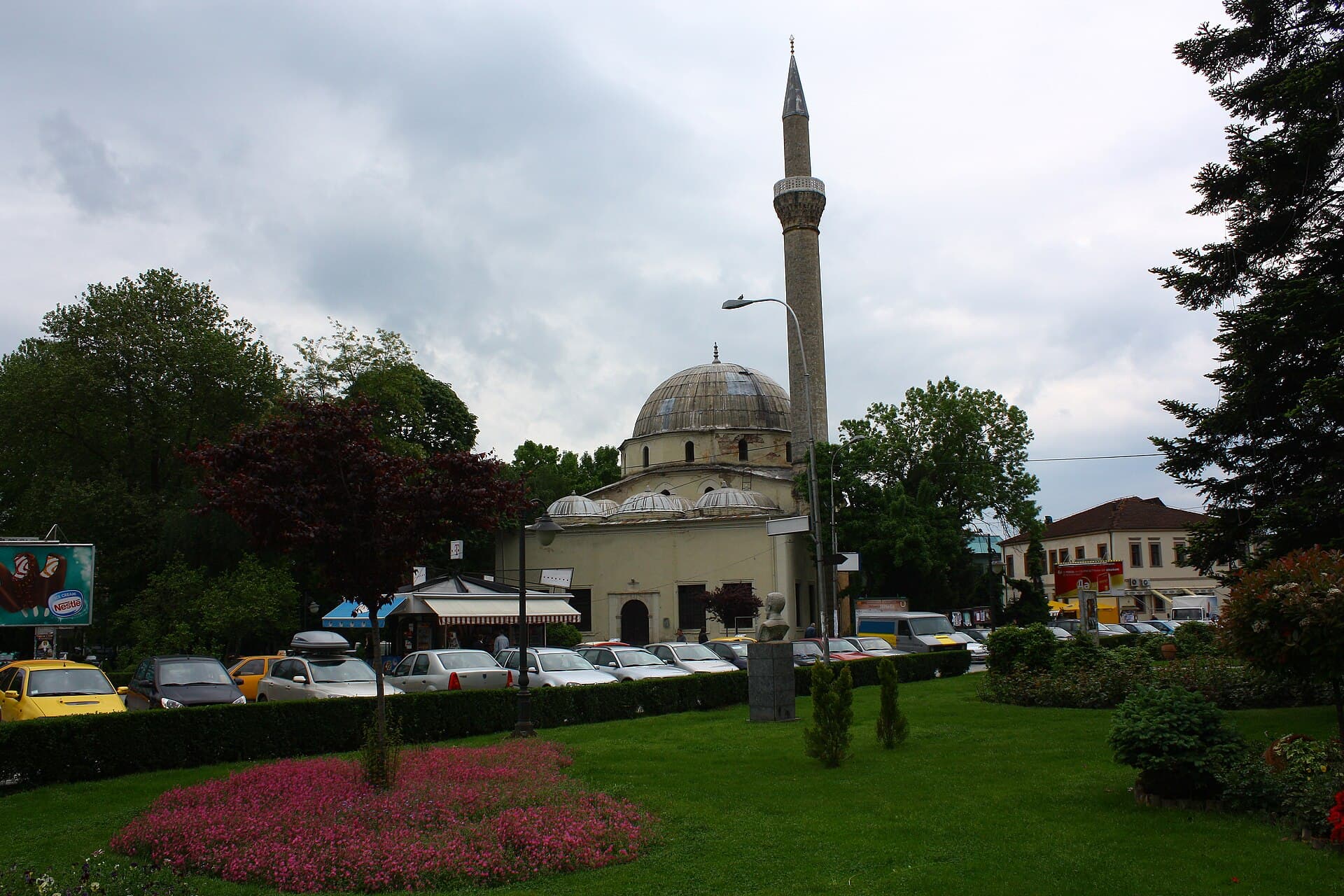 Ishak Çelebi MosqueThe Ishak Çelebi Mosque, popularly called the Ishakiye, is the largest mosque in4 minutes walk4.5
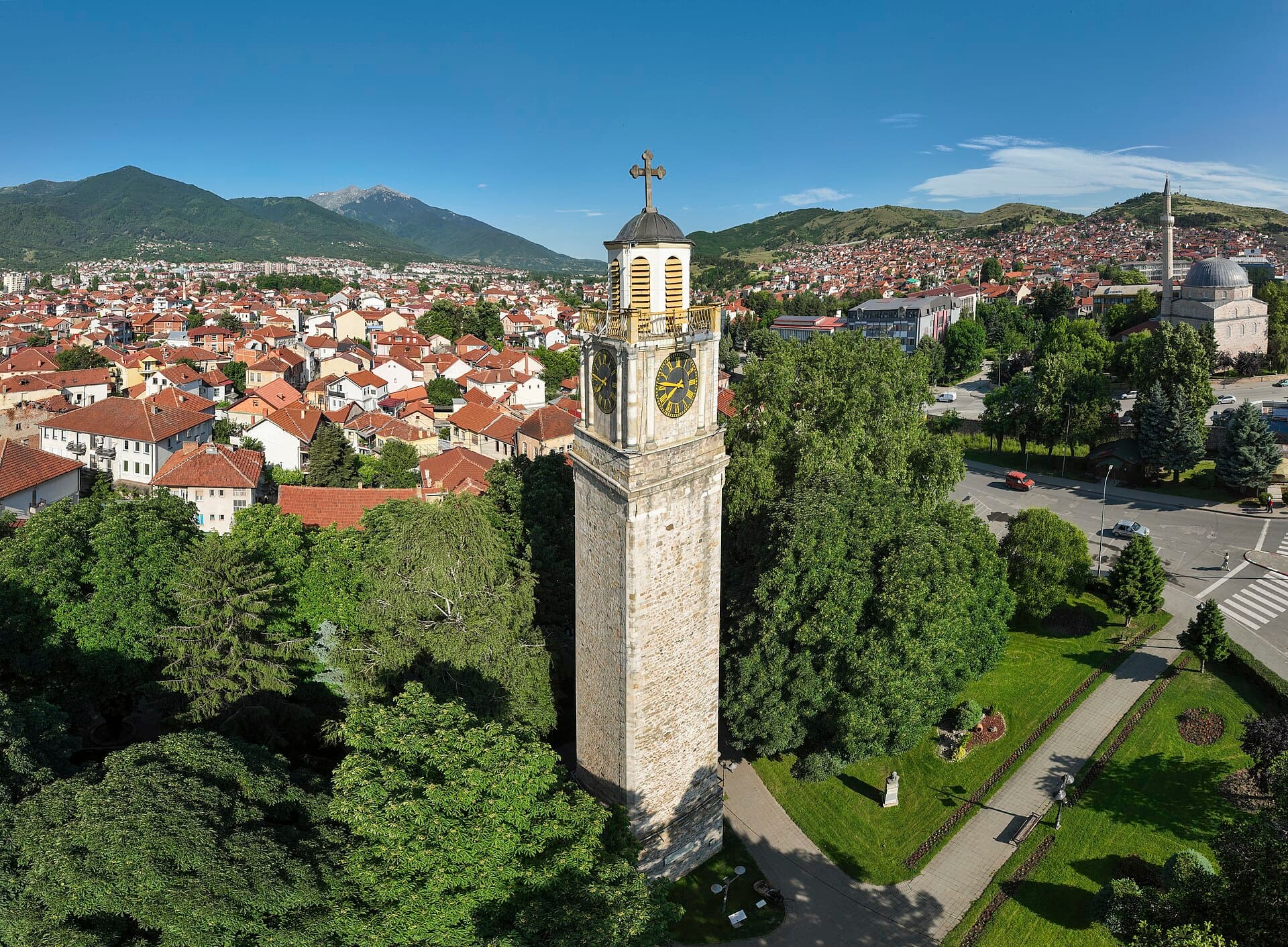 Clock TowerThe Clock Tower, or Saat Kula, is one of Bitola's landmarks, standing in the hea5 minutes walk4.6
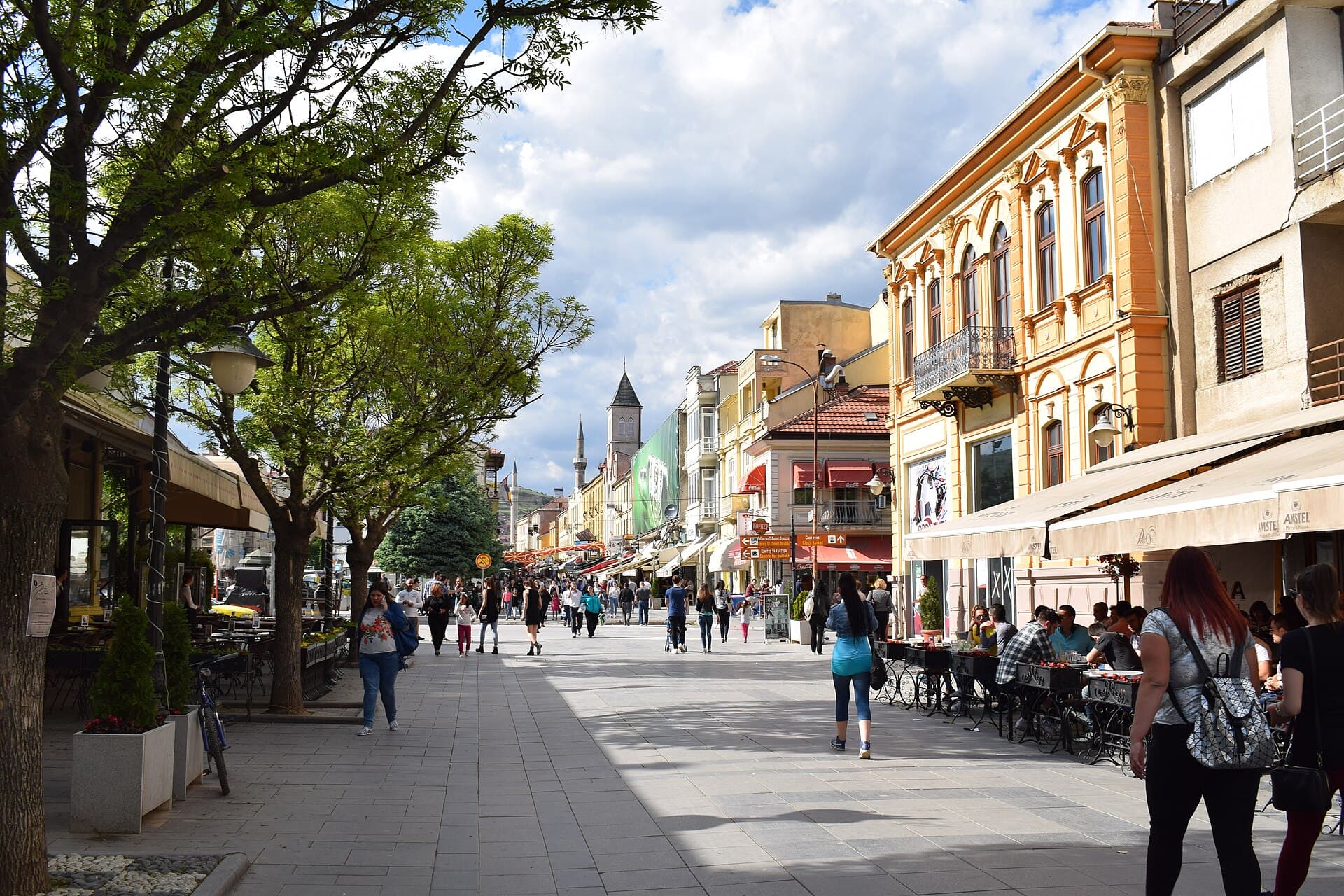 Širok SokakŠirok Sokak, the «wide alley» in Turkish, is a long pedestrian street that is th7 minutes walk4.6
Handmade filigree silver from the goldsmiths, traditional sweets and textiles.