
Plastination
A tissue-preservation method developed by a German scientist in Heidelberg in 1977, now used in medical teaching.
Geoprofi Lars — CC BY-SA 4.0 · Tobias Niepel — CC BY 2.0 · Stadtmarketing Mannheim GmbH — CC BY-SA 2.0
Body Worlds in Heidelberg displays real human bodies preserved by a process called plastination, developed by the German scientist Gunther von Hagens in Heidelberg itself in 1977. The bodies are shown opened up to reveal muscles, nerves, vessels and organs. Its stated purpose is educational: to help people understand how their bodies work and how habits and disease affect them. An important note before booking: the exhibits are the bodies of real people who donated them before death. That is a subject some visitors will find heavy or unacceptable on religious or personal grounds, and you have a right to know what it is before buying a ticket rather than after going in.
A tissue-preservation method developed by a German scientist in Heidelberg in 1977, now used in medical teaching.
Networks of blood vessels shown alone without surrounding tissue — among the most astonishing exhibits.
Comparisons showing what smoking, obesity and disease do to organs — the exhibition's public-health side.
Poststraße 36, 69115 Heidelberg
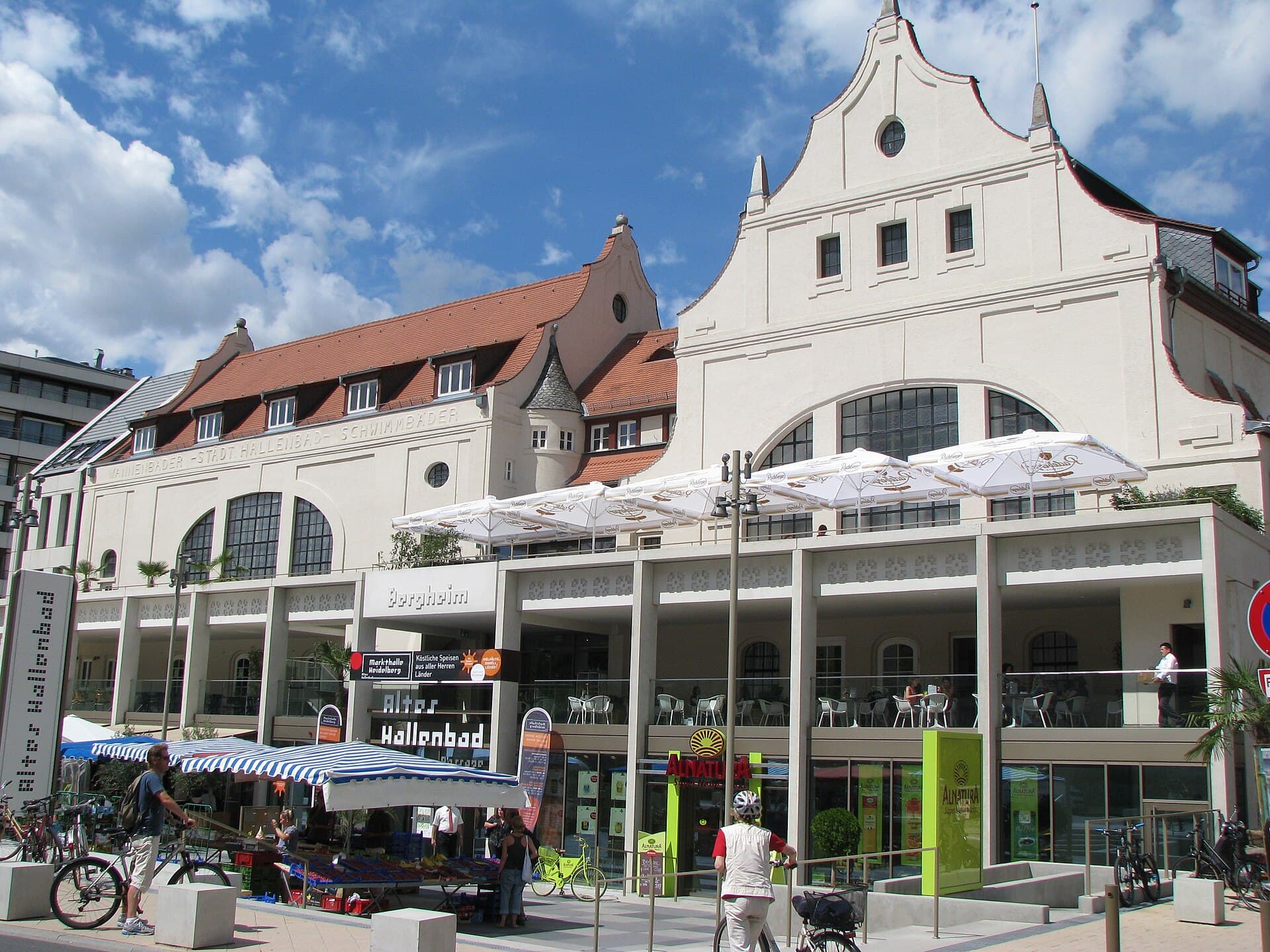 Altes HallenbadThe Altes Hallenbad is a public indoor swimming baths built in 1906 in Art Nouve1 minute walk4.6
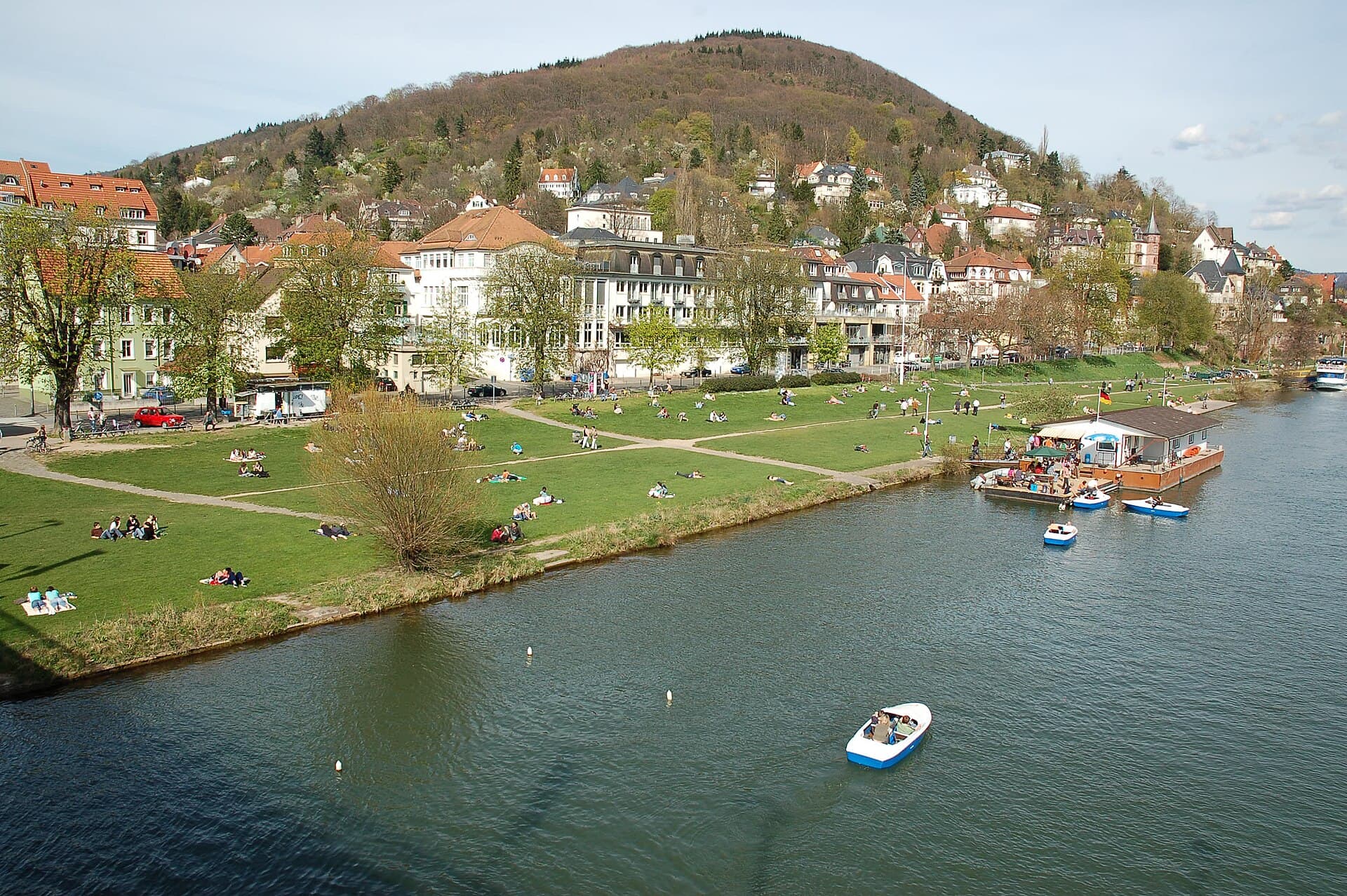 NeckarwieseThe Neckarwiese is Heidelberg's summer living room: a long green ribbon on the r7 minutes walk4.7
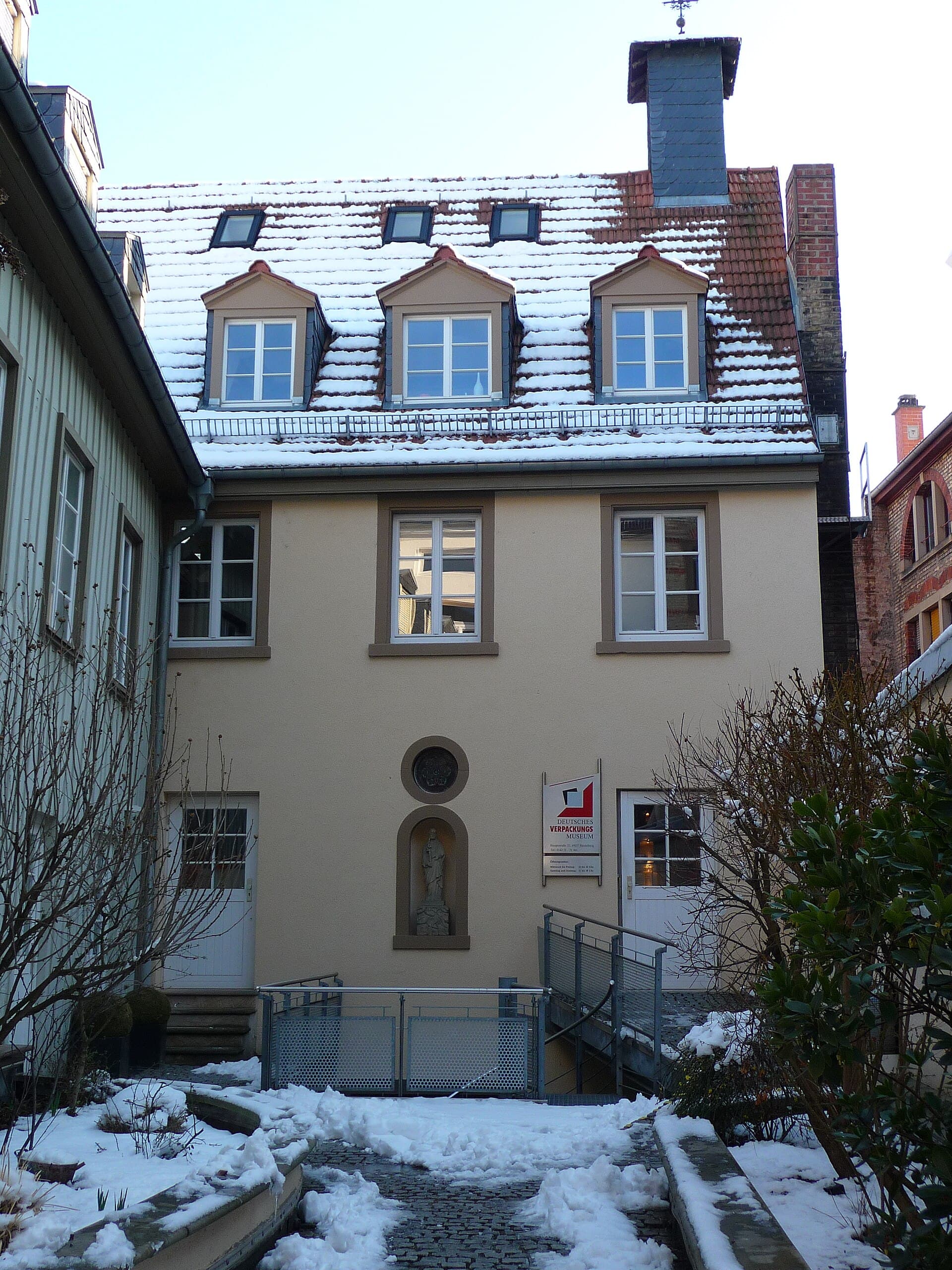 German Packaging MuseumThe German Packaging Museum is a small and unusual museum in the heart of Heidel7 minutes walk4.0
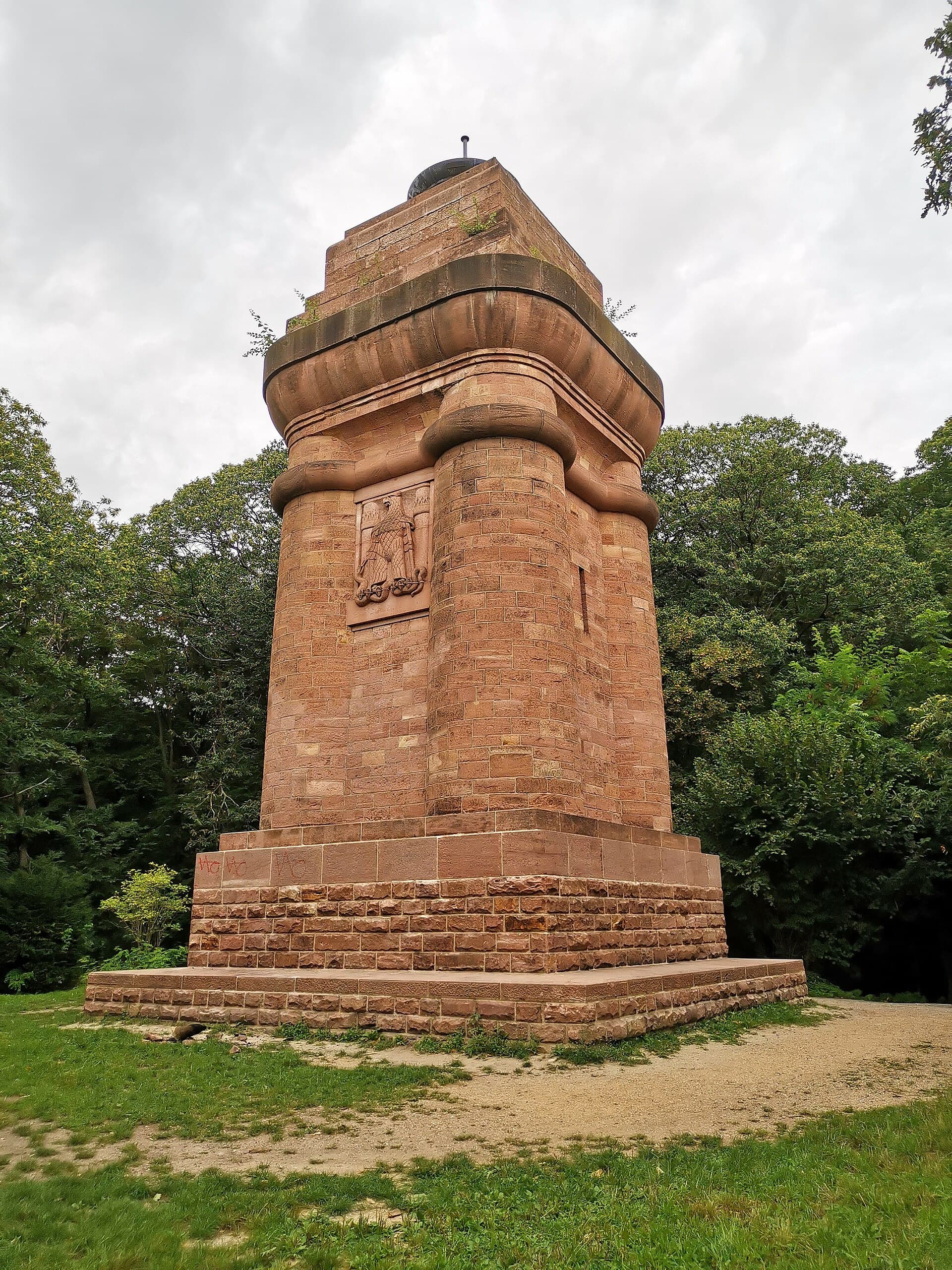 Bismarck TowerThe Bismarck Tower is a square stone tower on the Gaisberg hill north of Heidelb9 minutes walk4.4
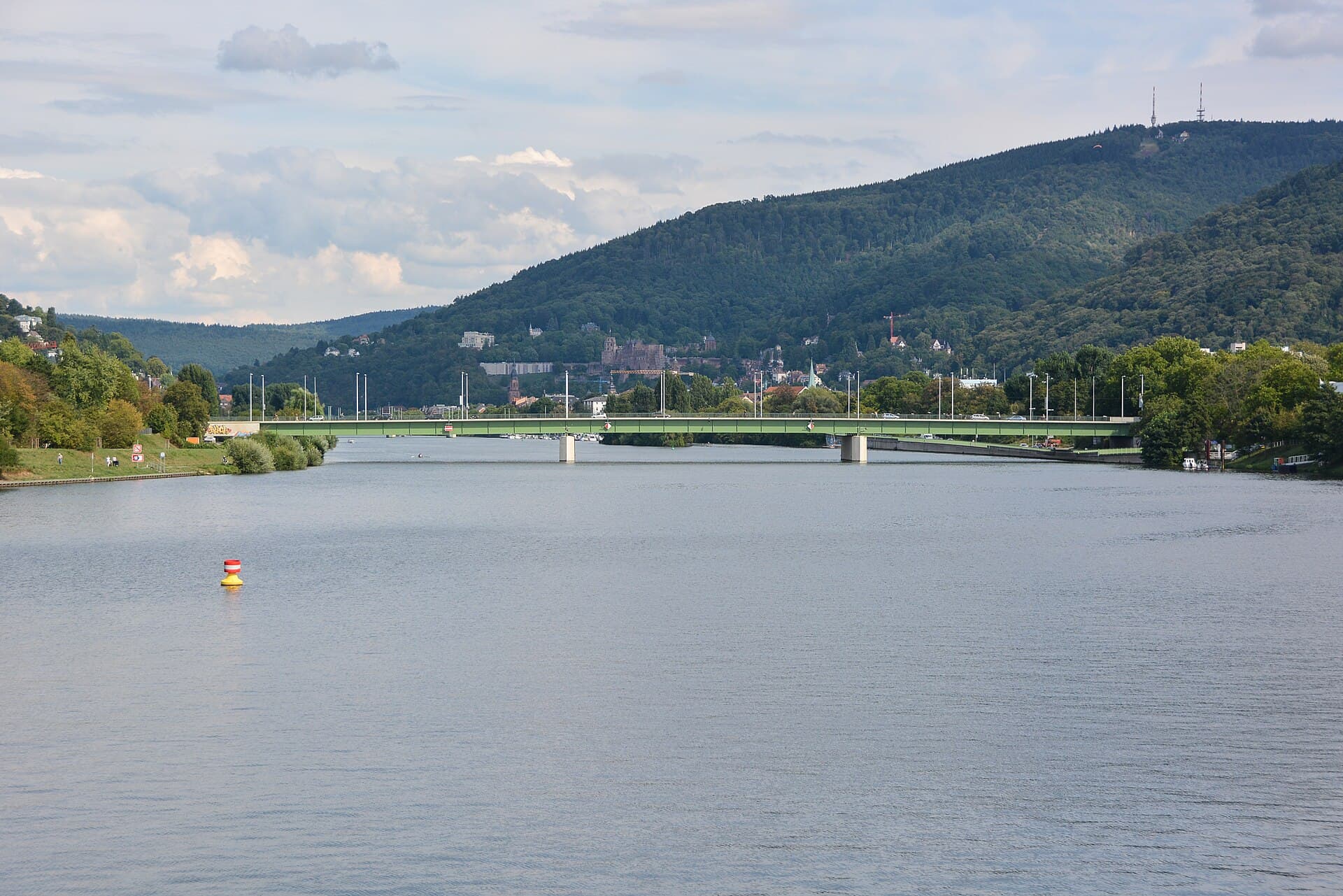 The Ernst Walz BridgeA bridge over the Neckar west of central Heidelberg, carrying the name of Ernst 12 minutes walk4.6
Yes, and this is something to know before booking. They are the bodies of people who signed donation consent before death for this purpose. The organisers publish information about the donation programme. If that does not sit right with you on religious or personal grounds, choose something else — the decision is entirely personal.
Not for young children. Teenagers interested in science or medicine can gain a great deal from it with explanation alongside, though some exhibits may disturb. Judge by your children's temperament rather than age alone.
If you decide against it, Heidelberg has plenty: the castle, the old bridge, the old town, the Philosophers' Walk and the botanical garden. All are closer to the city's general character and easier with a family.