
A city that escaped bombing
A rare exception in western Germany, explaining its centre's authenticity.
Hubert Berberich (HubiB) — CC BY-SA 3.0 · Stephan van Helden — CC BY-SA 4.0 · R. J. Mathar — CC BY 4.0 · Luftschiffhafen — CC BY-SA 4.0
A bridge over the Neckar west of central Heidelberg, carrying the name of Ernst Walz, the city's mayor in the early twentieth century. The bridge is functional rather than touristic, and that is why it is listed: Heidelberg is a small city visited by millions each year for its castle and its old bridge, the Alte Brücke, and the historic centre fills to a degree that makes it unbearable in season. The other bridges and crossings are what residents use. From this bridge the old town and castle are seen from a western angle away from the crowding at the Alte Brücke, and it is a good vantage for photographs, particularly in the evening. The wider context: Heidelberg was not bombed in the Second World War while neighbouring German cities were destroyed entirely. Its Baroque centre is therefore original rather than reconstructed, a rare exception in western Germany and part of the explanation for its appeal. Practical points: crossing is free and always open, and the bridge has a pedestrian walkway. It does not justify a dedicated trip — use it as a crossing or a quiet vantage point.
A rare exception in western Germany, explaining its centre's authenticity.
The centre fills with visitors; these bridges are what the city uses.
The old town and castle from a distance, without the crowds.
On the Neckar, west of Heidelberg
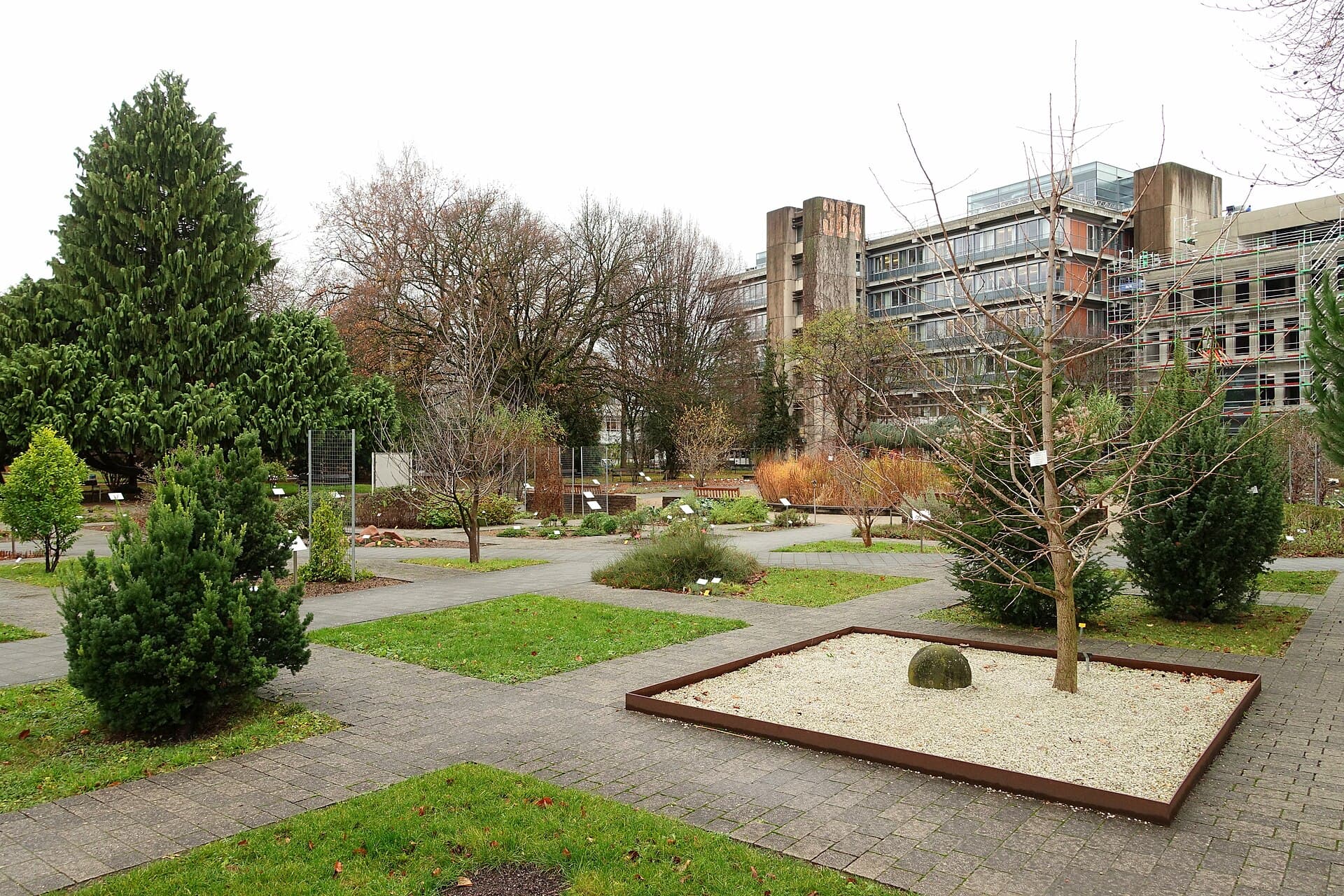 Heidelberg Botanical GardenThe Heidelberg Botanical Garden belongs to Heidelberg University and was founded10 minutes walk4.5
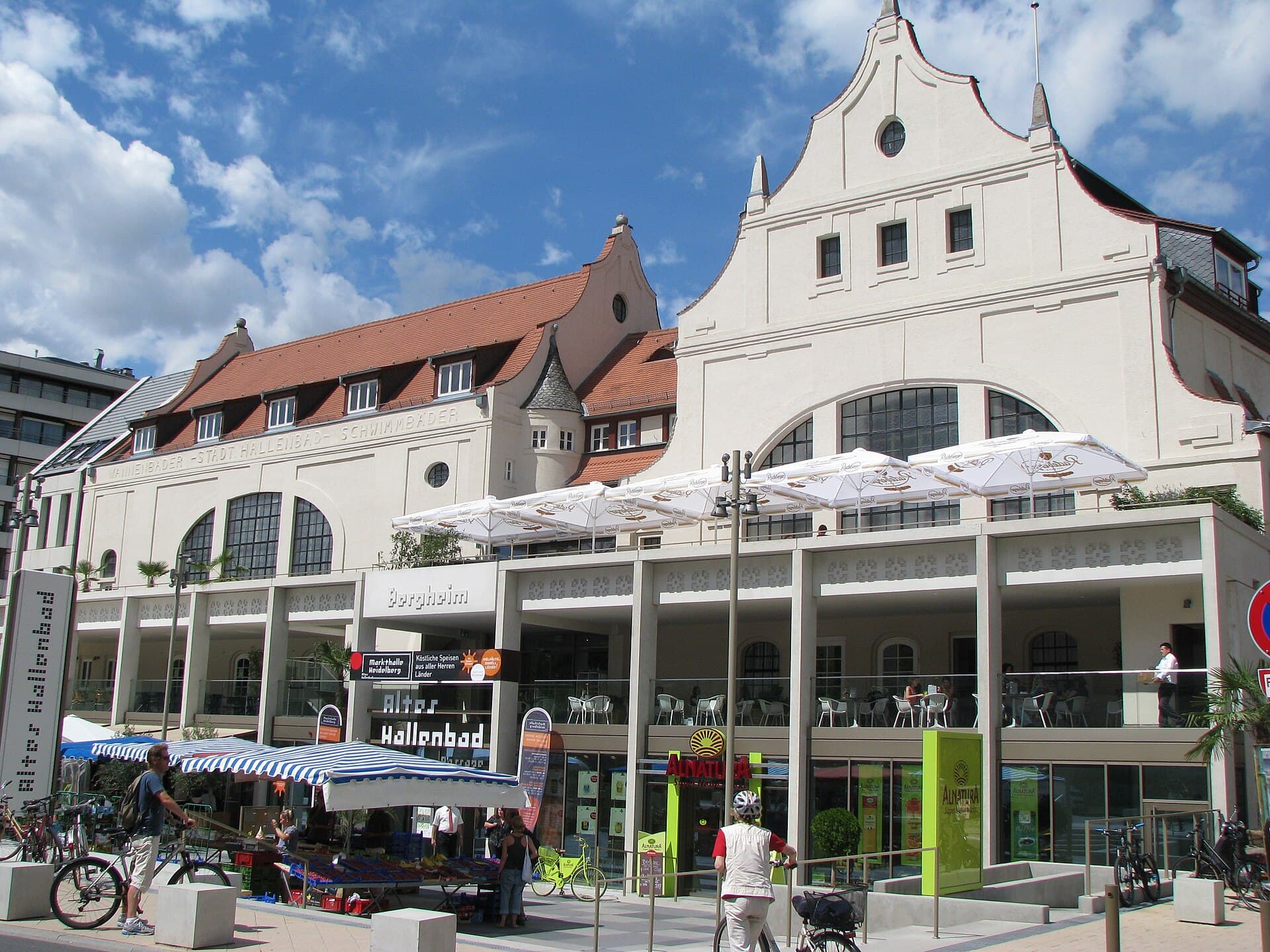 Altes HallenbadThe Altes Hallenbad is a public indoor swimming baths built in 1906 in Art Nouve11 minutes walk4.6
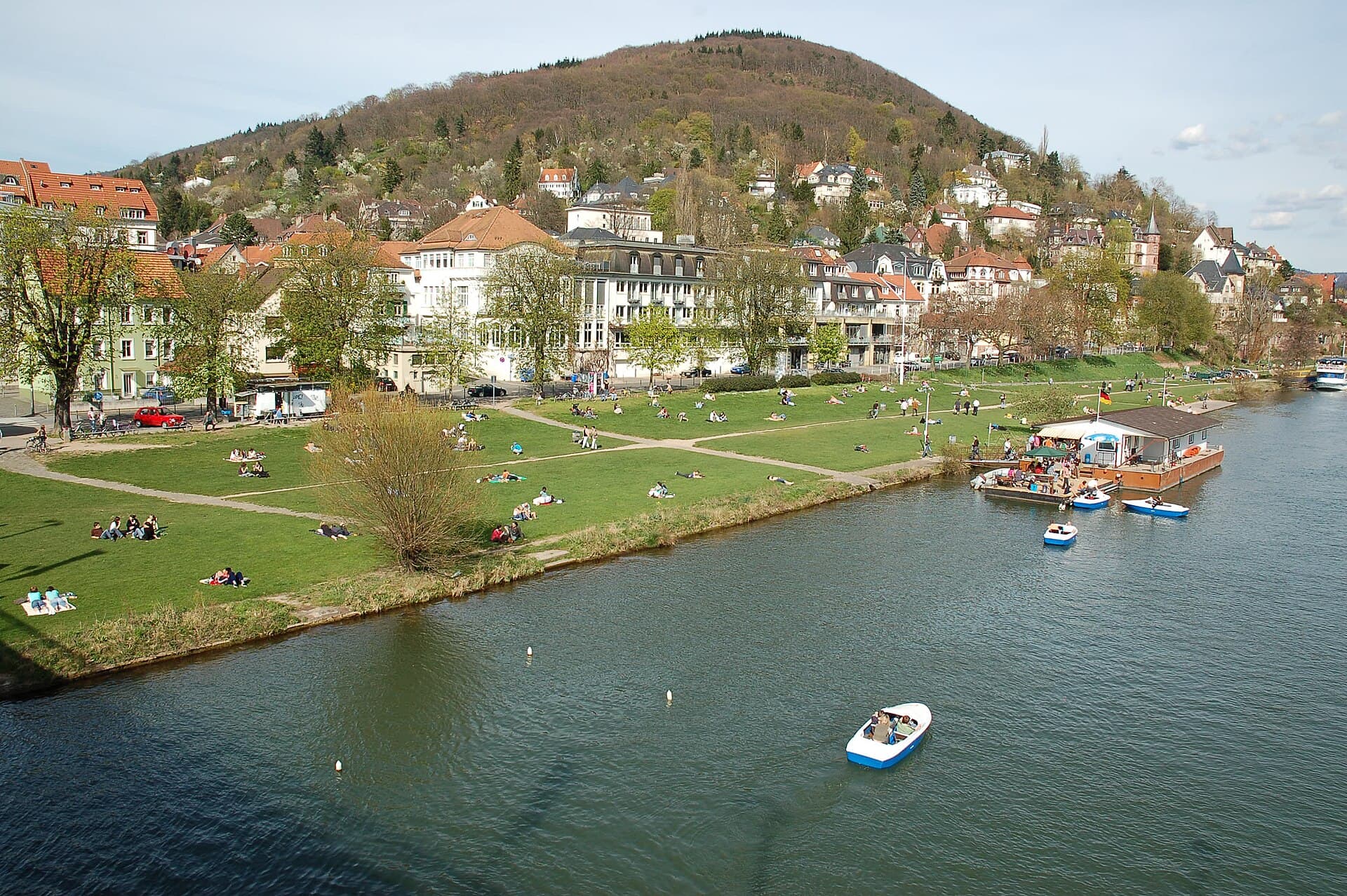 NeckarwieseThe Neckarwiese is Heidelberg's summer living room: a long green ribbon on the r11 minutes walk4.7
 Body Worlds HeidelbergBody Worlds in Heidelberg displays real human bodies preserved by a process call12 minutes walk4.6
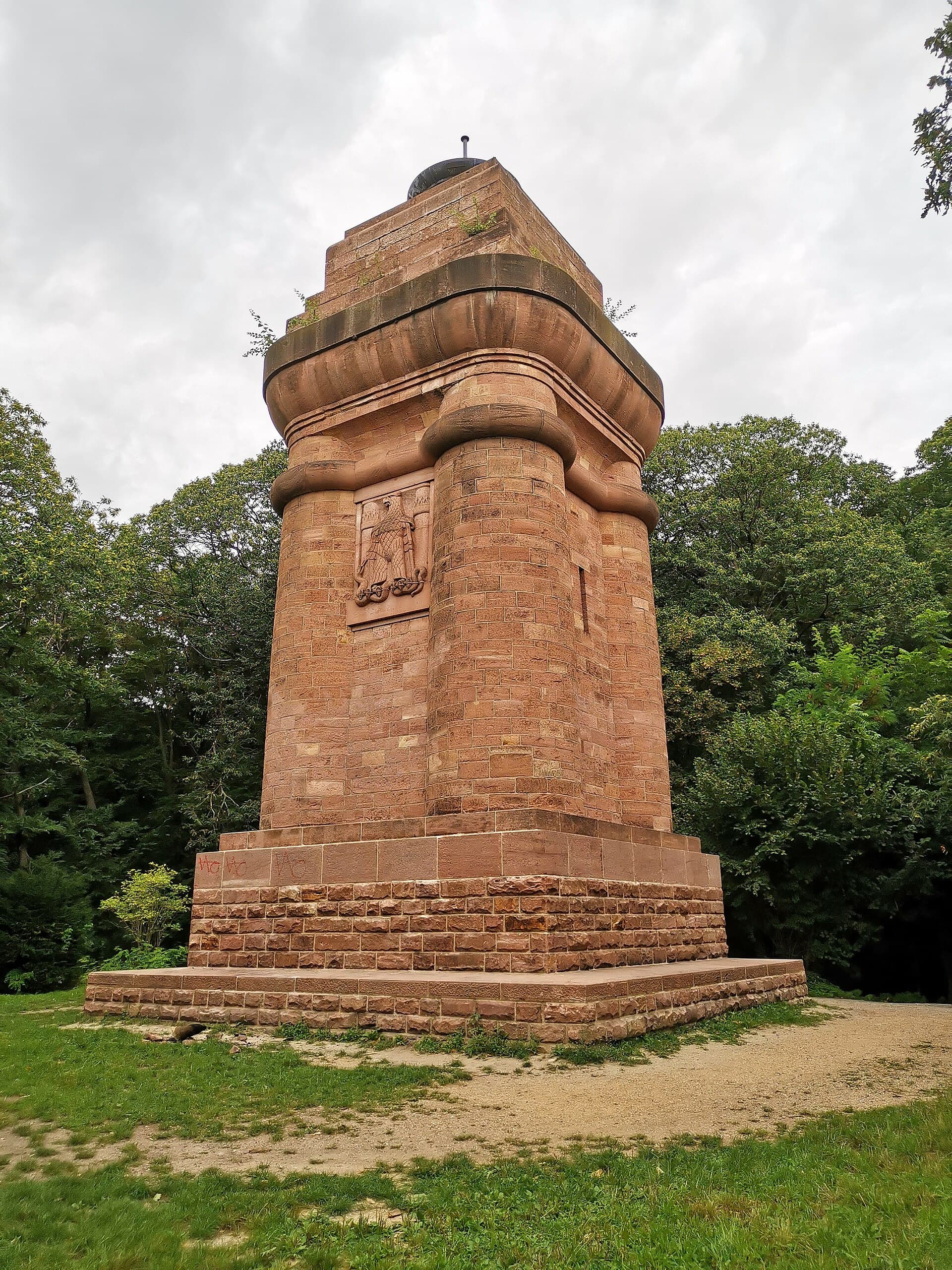 Bismarck TowerThe Bismarck Tower is a square stone tower on the Gaisberg hill north of Heidelb12 minutes walk4.4
There is no single confirmed explanation. The city was not an industrial centre or a major rail junction, which is practically enough to explain its absence from target lists. Stories circulate that the Allies wanted it preserved as a headquarters — and it did become the US Army's European headquarters for decades after the war — but historians treat that as a later explanation rather than a documented cause.
The city is very small relative to its visitor numbers, and the centre and castle fill between ten and five in season. Early morning changes the experience completely. The Philosophers' Walk on the opposite bank is far quieter and gives the best view of the castle; the climb is steep, which filters the crowds automatically.