Zlatni Rat
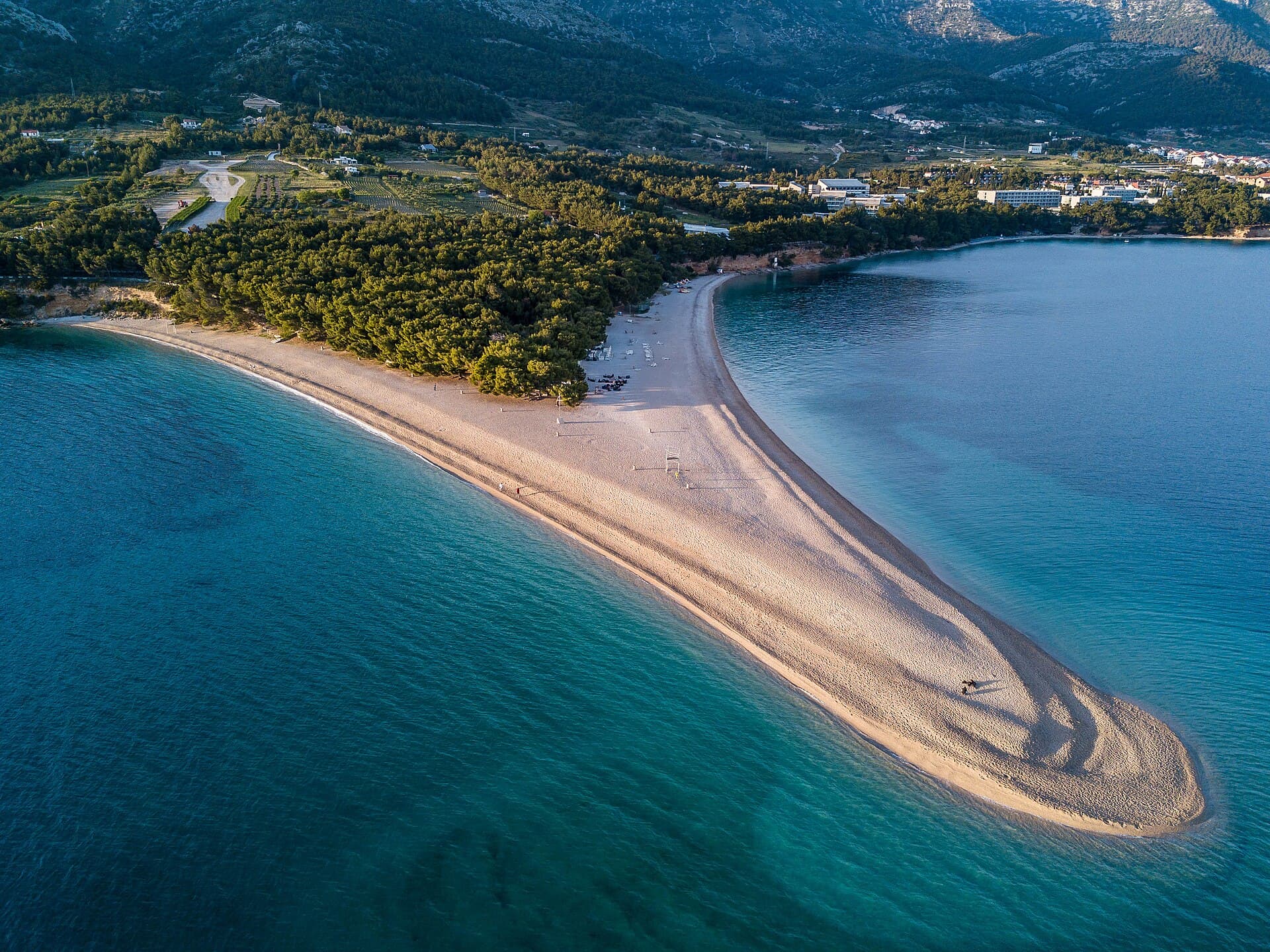
Croatia''s most famous beach, its tip shifting with the seasons.
Kelovy — Public domain · August Dominus — CC BY-SA 4.0 · Argo Navis — CC BY-SA 4.0 · Argo Navis — CC BY-SA 4.0
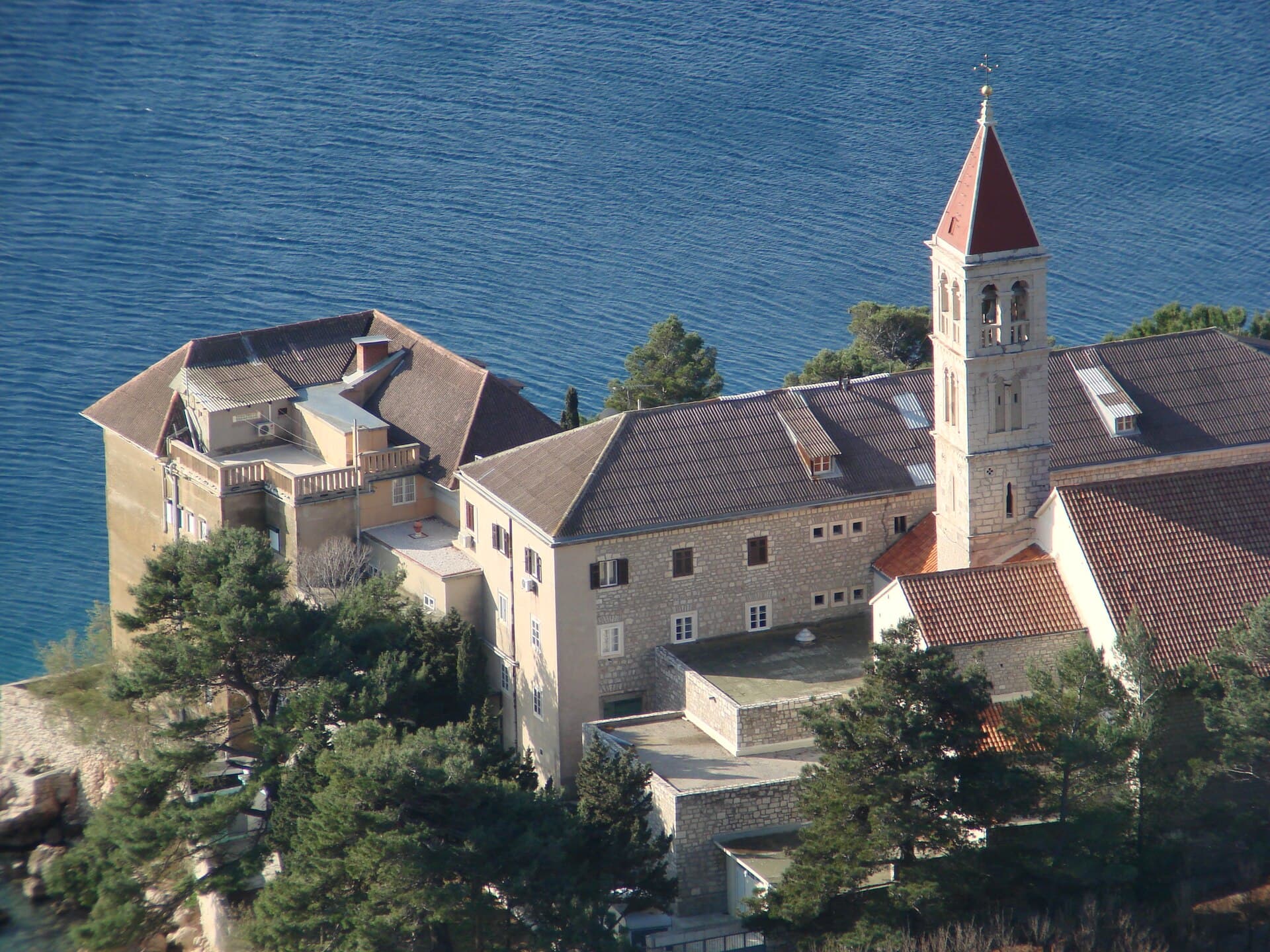
The oldest coastal settlement on Brač and its best-known town, on the southern shore directly beneath Vidova Gora. The town itself is small and stone-built: a long waterfront, narrow lanes, and a fifteenth-century Dominican monastery on a rocky point at its eastern end. But what made Bol internationally known lies two kilometres west: **Zlatni Rat** — a white pebble spit running about half a kilometre into the sea, whose tip **moves and changes direction** with the current and the seasonal winds. It is Croatia''s most famous beach and has been on guidebook covers for decades. Note: the beach is **pebble, not sand**, is very crowded in July and August, and is about 25 minutes'' walk from the town along a pine-shaded path. Bol is also a centre for **wind sports**: the channel between it and Hvar generates a steady afternoon wind (the *maestral*) that makes it one of the best windsurfing sites in the Mediterranean. Above it the road climbs to **Vidova Gora**, the highest point on any Adriatic island.
Croatia''s most famous beach, its tip shifting with the seasons.
From town to the beach, shaded, about 25 minutes.
The Hvar channel generating a steady wind every afternoon.
Bol, southern coast of Brač — about 40 km from Supetar
Because it is not a fixed beach but a **depositional spit** — a formation of limestone pebbles built up around a submerged rock by currents. Water moves along both its sides and meets at the tip, depositing pebbles there. When the **wind and current directions change between seasons** — the maestral in summer, the bora and jugo in winter — the pebbles shift from one side to the other and **the tip bends** left or right. The change is slow and cumulative, but visible from year to year, and satellite imagery documents it clearly. ⚠ Practically: the shape on the postcards is not necessarily its shape on the day you visit. ⚠ A storm in 2019 noticeably shortened it and stripped some of its pines, after which the current gradually rebuilt it.