
The monkey and mirror
A bronze figure with a hollow head you can put your own inside — the standard Heidelberg photograph.
Altera levatur — CC BY-SA 4.0 · Schlurcher — CC BY 4.0 · LeonSiPL — CC BY-SA 3.0 de · Wing — CC BY-SA 3.0
The Bridge Monkey is a bronze figure at the entrance to Heidelberg's Old Bridge. The monkey holds a mirror, and its head is hollow so visitors can put their own head inside for a photograph. The present statue is modern, placed by the artist Gernot Rumpf in 1979. But the idea of a monkey at this bridge is very old, going back at least to the fifteenth century. An original figure stood here and was destroyed in the wars of the seventeenth century. The meaning is rather good: the monkey reminded people crossing that those entering the town and those leaving it were equals, and nobody should look down on anyone. The mirror says look at yourself before judging others. Small bronze mice sit around the statue, and tourist custom holds that touching the mirror brings money and touching the mice brings children. These are modern additions for visitors, not old traditions. It is free, very short, and stands right on the Old Bridge.
A bronze figure with a hollow head you can put your own inside — the standard Heidelberg photograph.
Small mice around the statue; tourist custom says touching them brings children.
Alte Brücke, 69117 Heidelberg
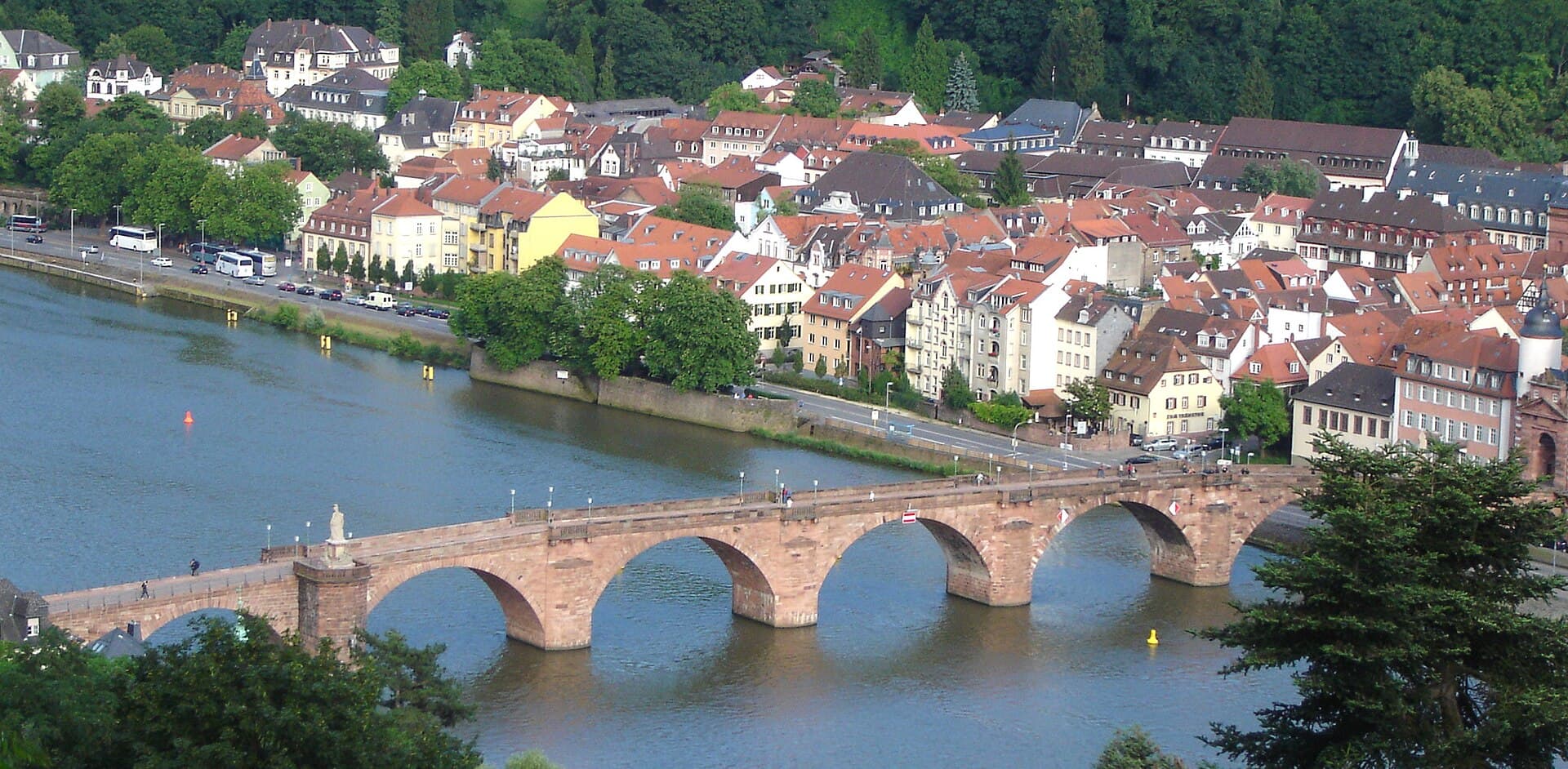 Old BridgeThe Old Bridge crosses the Neckar and links the old town with the far bank. Its 1 minute walk4.9
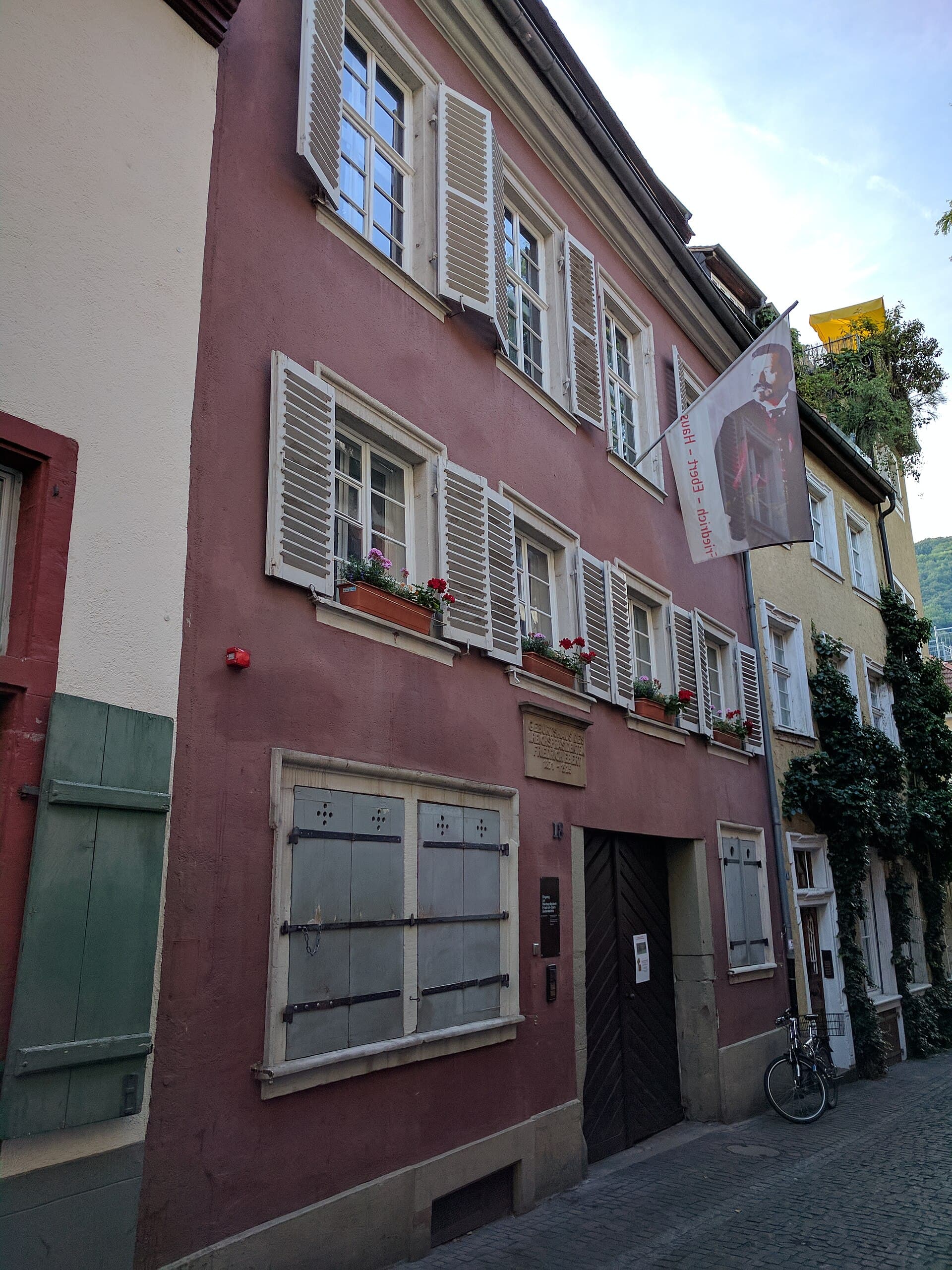 Friedrich Ebert MemorialThis house is where Friedrich Ebert was born in 1871 — Germany's first elected p1 minute walk4.7
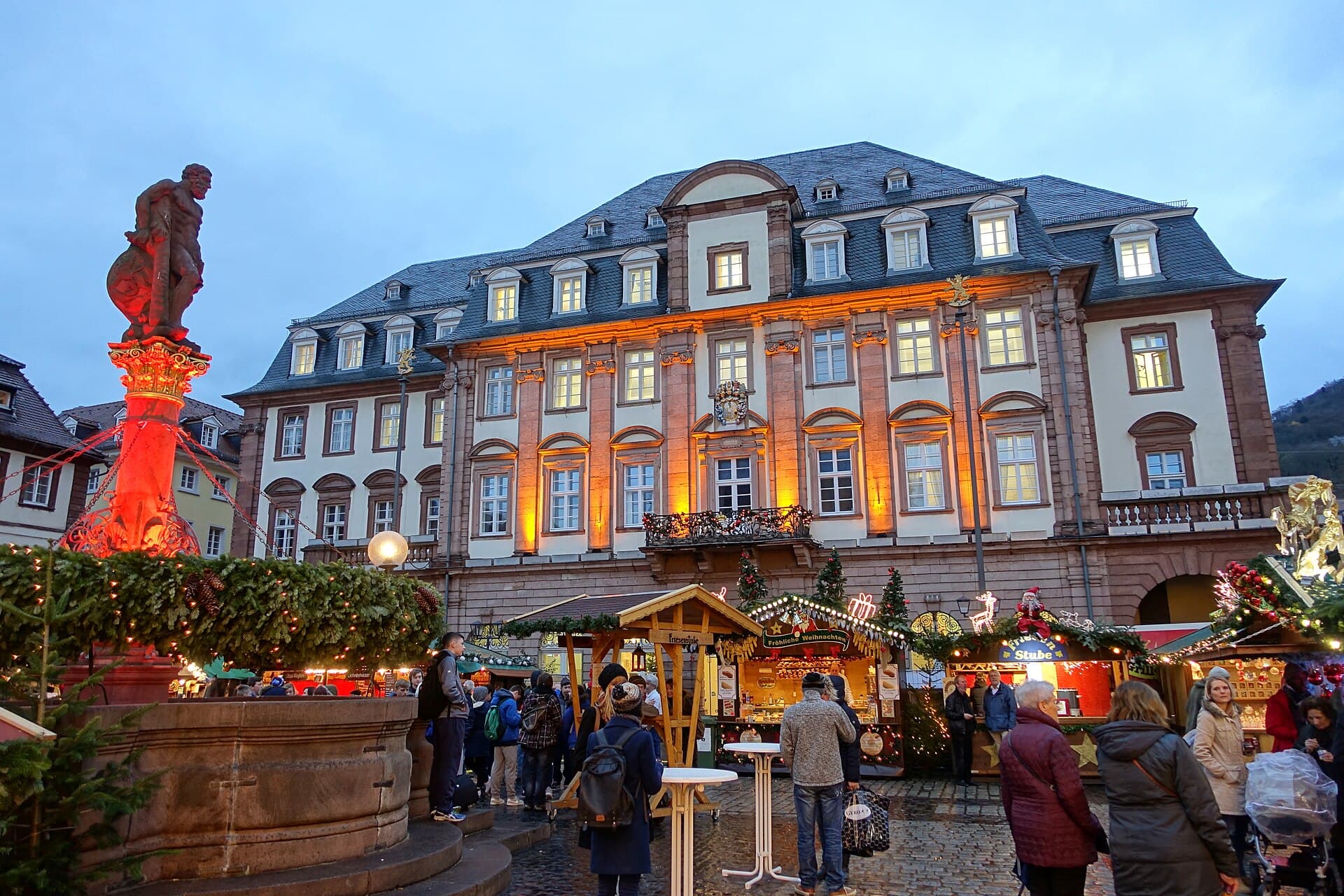 Heidelberg Market SquareThe Marktplatz is the heart of Heidelberg's old town, ringed by the Church of th2 minutes walk4.5
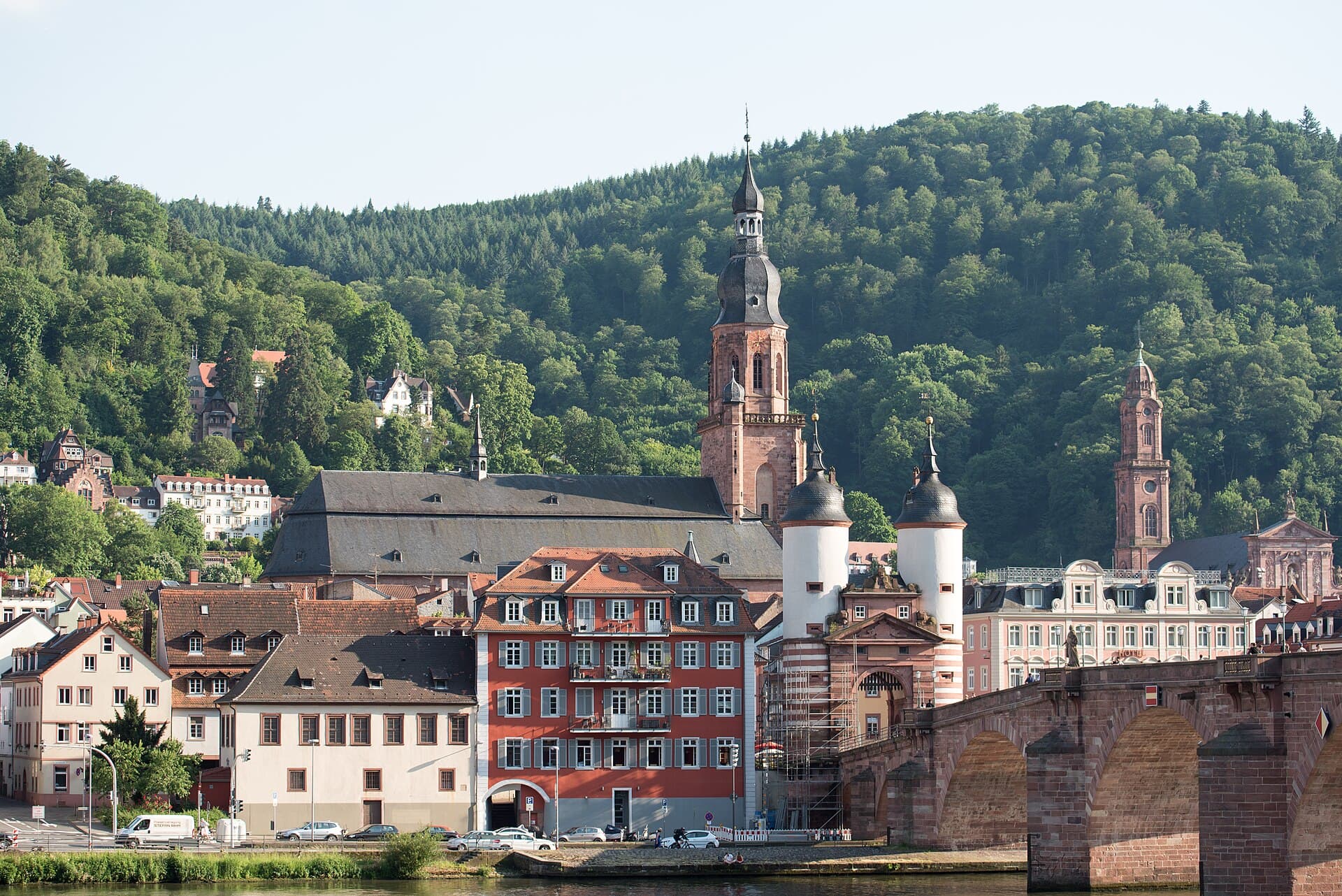 Church of the Holy SpiritThe Heiliggeistkirche stands dead-centre in the market square — old Heidelberg's2 minutes walk4.7
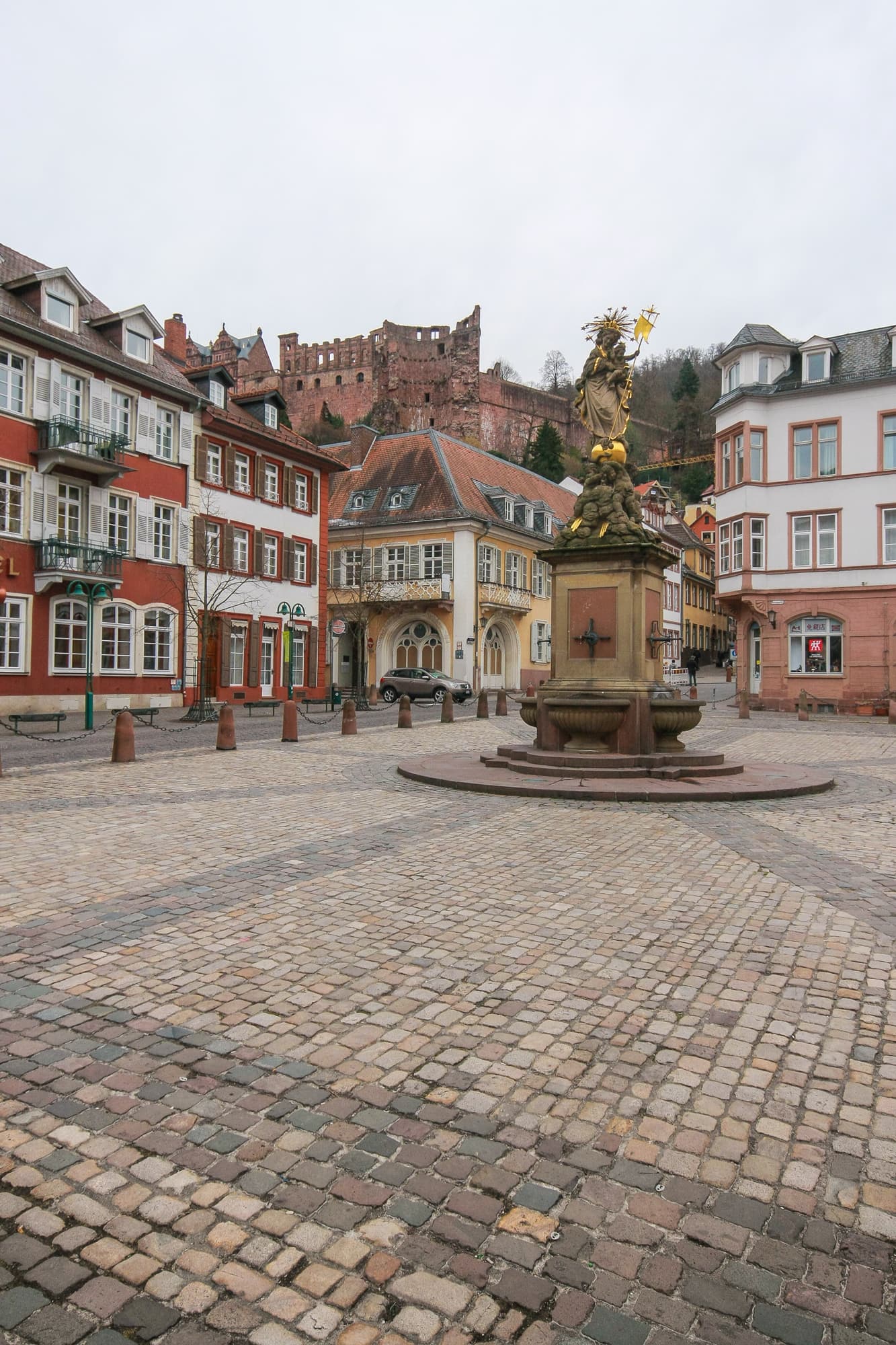 KornmarktThe Kornmarkt is a small square in the old town a few steps from the market squa3 minutes walk4.6
The present one dates from 1979. But the idea of a monkey at the bridge goes back at least to the fifteenth century; an original stood here and was destroyed in the seventeenth-century wars.
The old meaning is that those entering the town and those leaving are equals, so nobody should look down on anyone. The mirror invites you to look at yourself before judging others. Touching it for luck is a modern tourist habit.