
The original flat
Preserved behind the tailoring workshop.
Magnus Manske — CC BY-SA 3.0 · Ralf Krebs — CC BY 3.0 · flamenc — CC BY-SA 3.0 · hh oldman — CC BY 3.0
This house is where Friedrich Ebert was born in 1871 — Germany's first elected president and its first head of state from a working-class background. He was born in a small flat behind his father's tailoring workshop in a narrow old-town lane, and trained as a saddler before moving into trade union work and then politics. The distance between that flat and the presidency is the museum's whole subject. Ebert led Germany through its hardest years: he took office in 1919 after the collapse of the empire and defeat in the war, in a Weimar Republic caught between coups from the right, revolutions from the left, and runaway inflation, and he died in 1925 at fifty-four, worn down by a long campaign of legal defamation against him. The original flat is preserved with its modest furniture on the ground floor, and around it runs a modern exhibition on the Weimar Republic as a whole — its birth, its fragility and its end — which is among the best available explanations of that period for any visitor. Entry is free.
Preserved behind the tailoring workshop.
A full account of the republic's rise and fall.
Pfaffengasse 18, 69117 Heidelberg
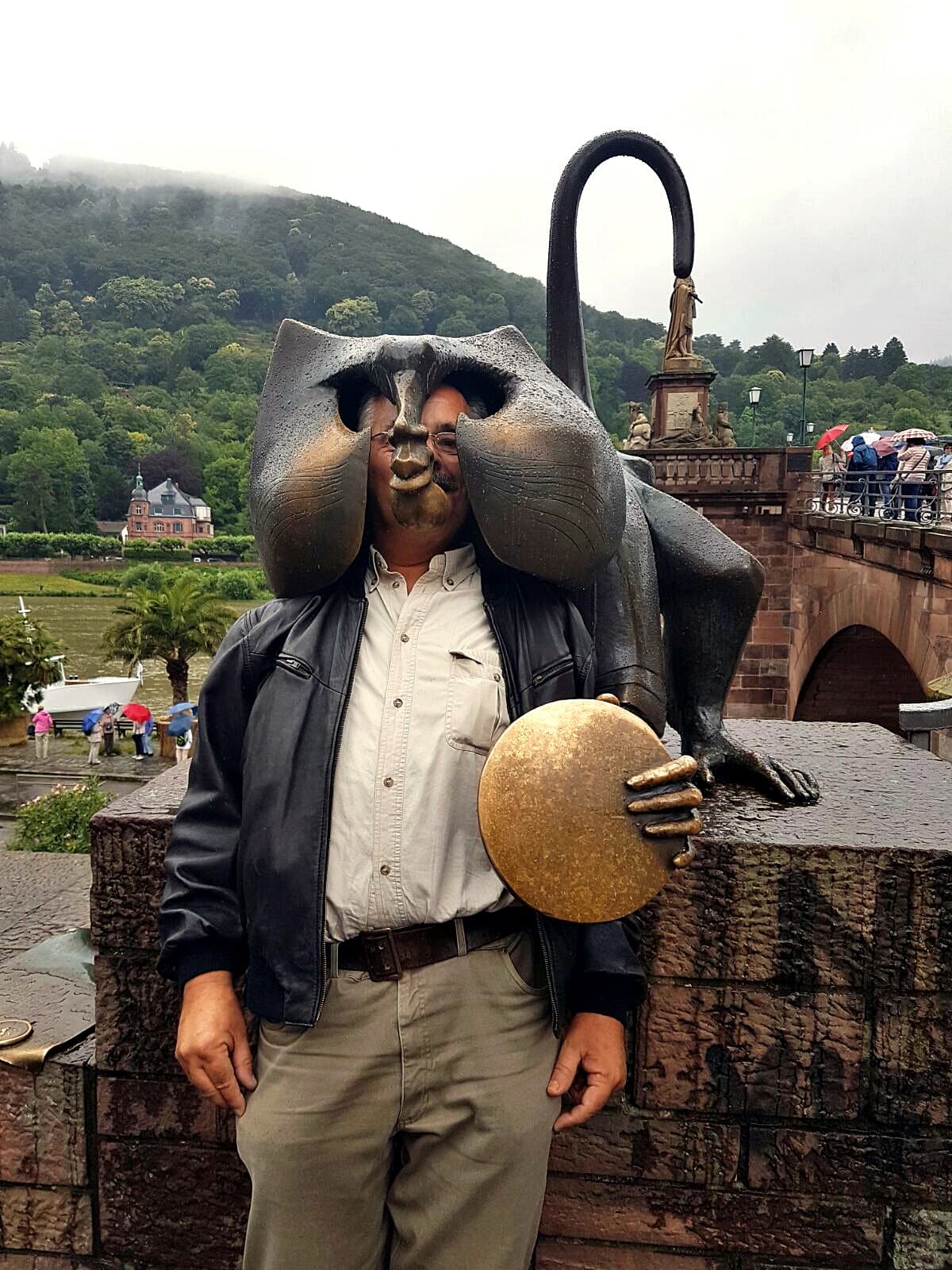 The Bridge MonkeyThe Bridge Monkey is a bronze figure at the entrance to Heidelberg's Old Bridge.1 minute walk4.5
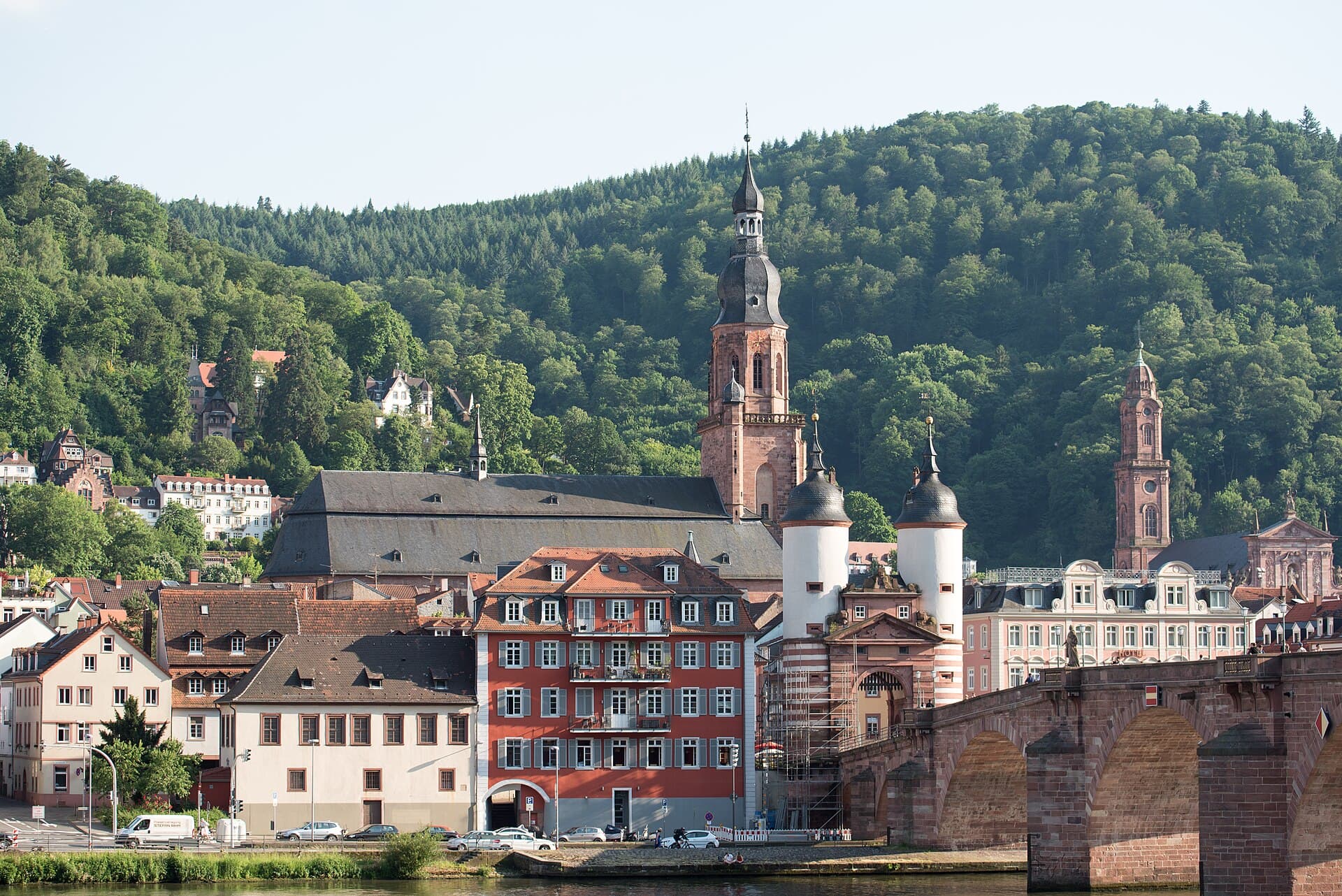 Church of the Holy SpiritThe Heiliggeistkirche stands dead-centre in the market square — old Heidelberg's2 minutes walk4.7
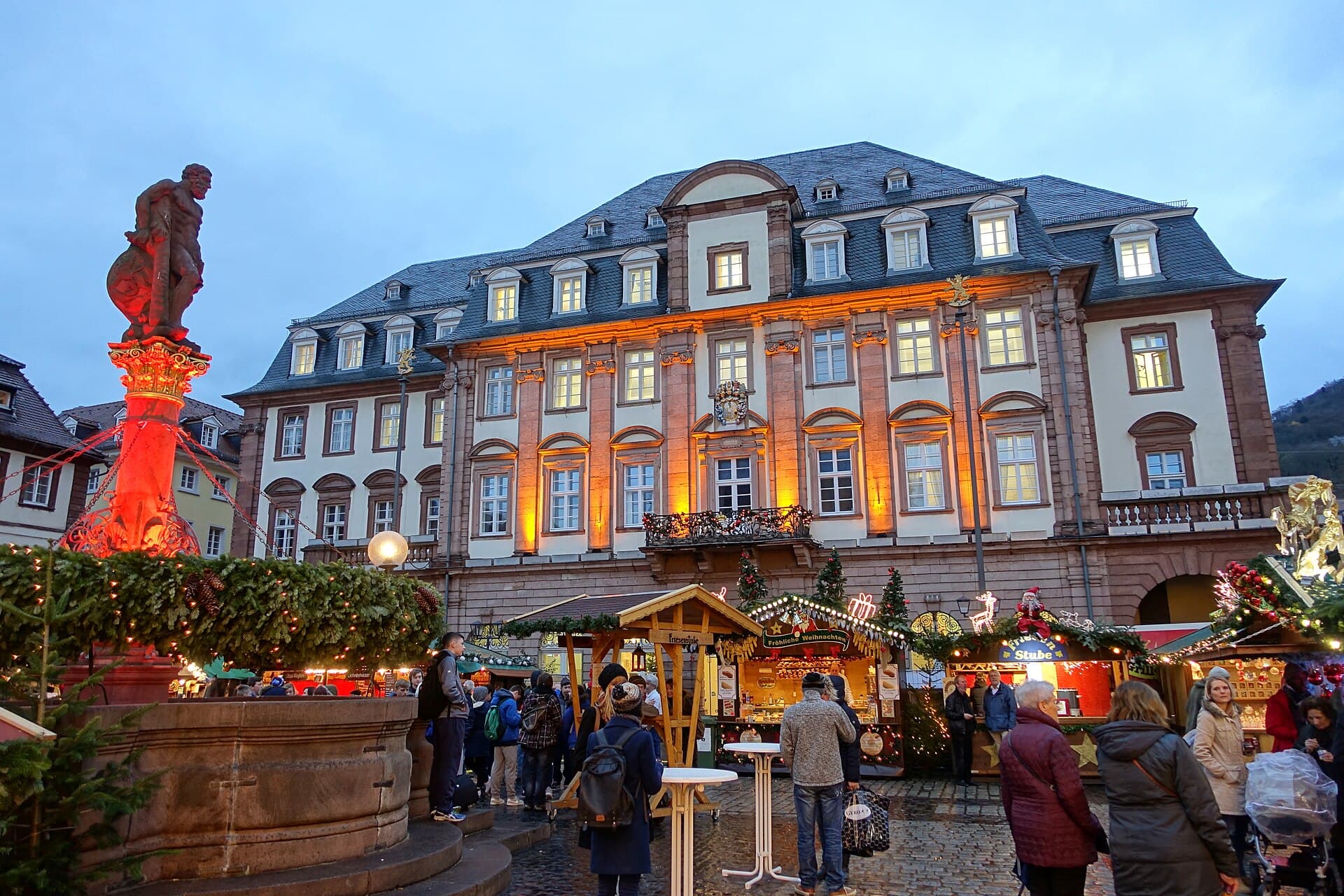 Heidelberg Market SquareThe Marktplatz is the heart of Heidelberg's old town, ringed by the Church of th2 minutes walk4.5
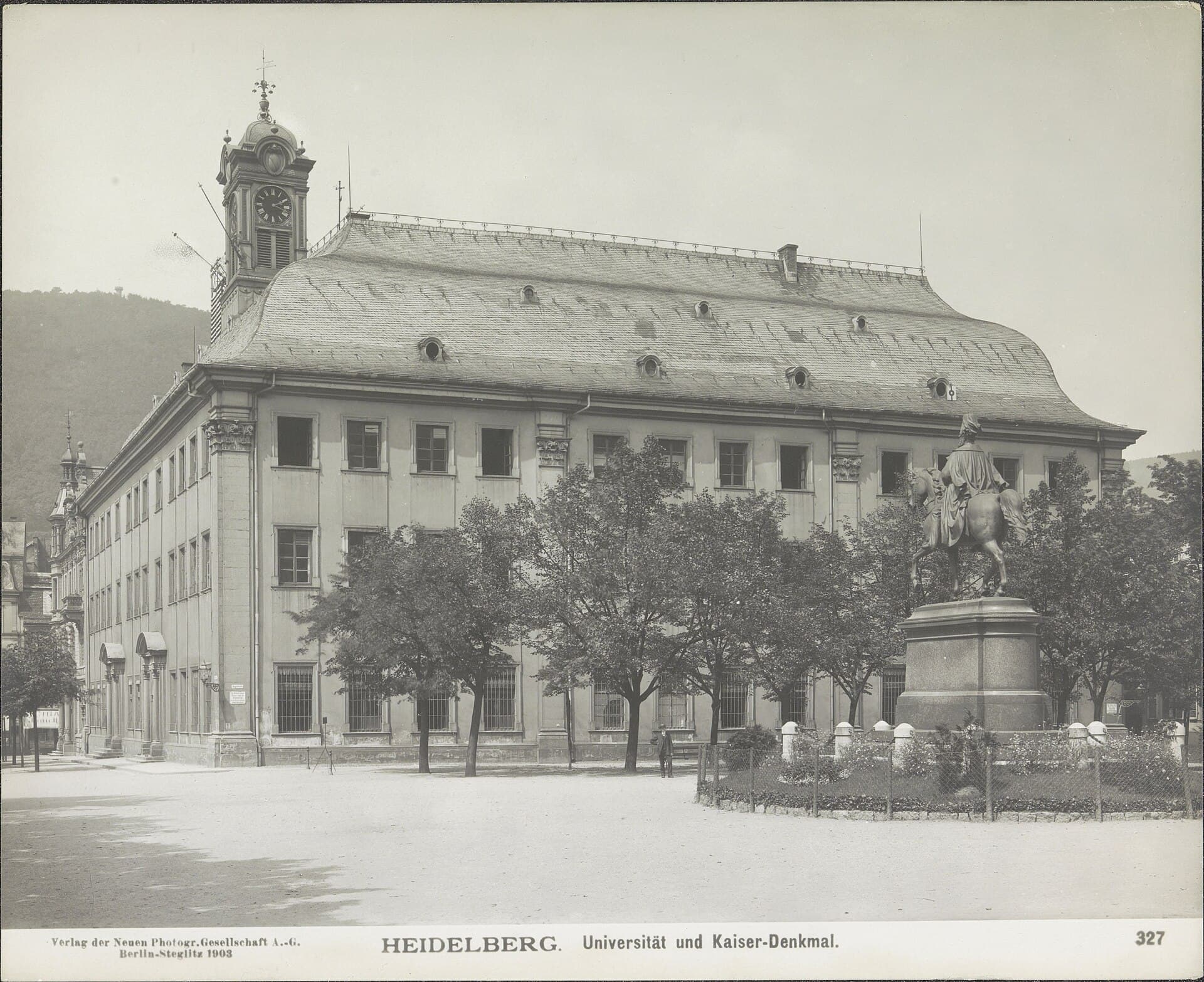 Heidelberg University MuseumA museum in the Old University building in Heidelberg, documenting the history o2 minutes walk4.1
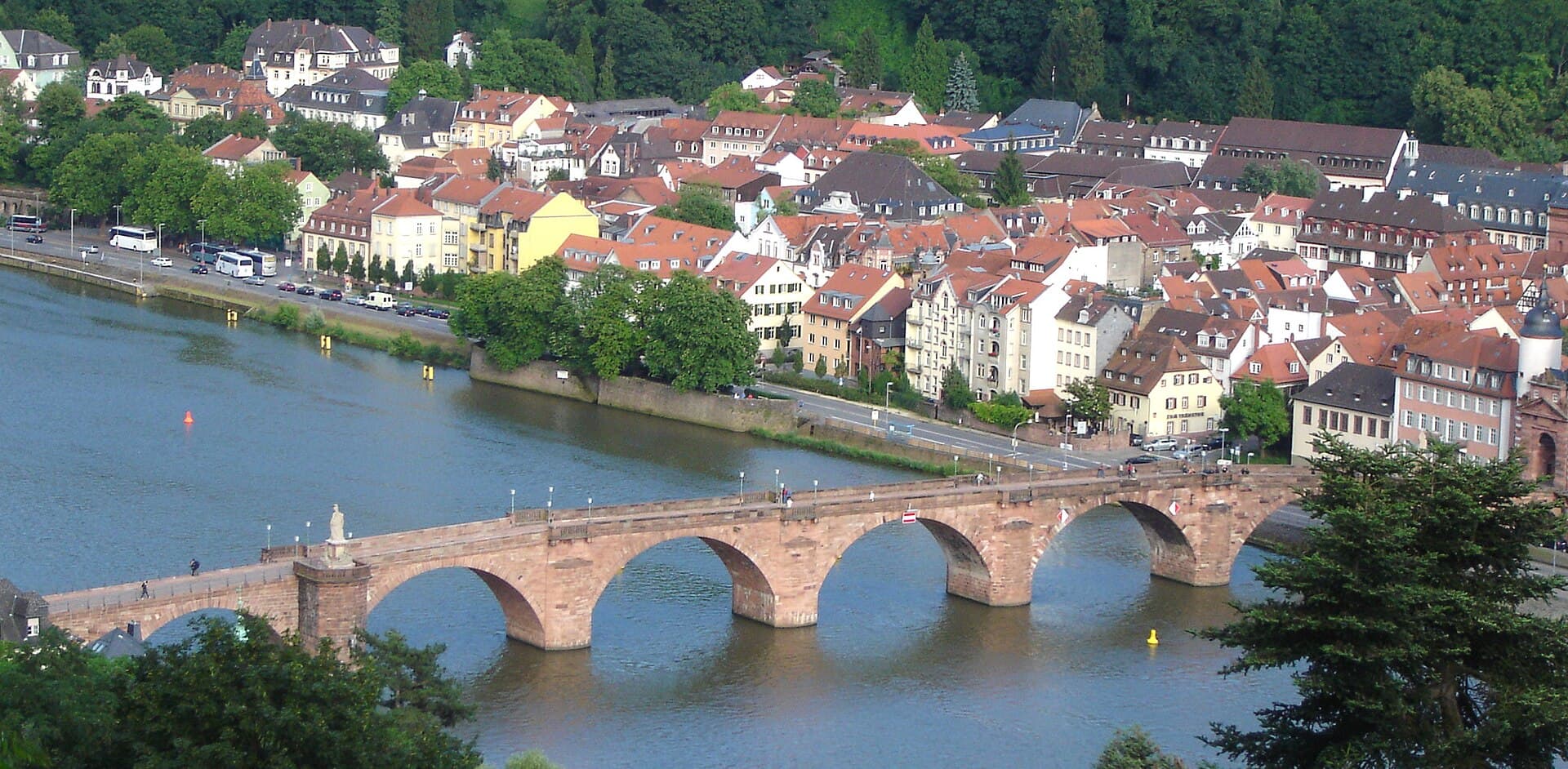 Old BridgeThe Old Bridge crosses the Neckar and links the old town with the far bank. Its 3 minutes walk4.9
Because the exhibition around it is not only about Ebert but about the Weimar Republic as a whole — and it is among the clearest accounts a visitor can read of how a young democracy collapses under economic crisis and political violence. If you are visiting Nazi-era sites in Germany, this museum explains what came before, the context most of them leave out.