
An escape from the city
Wealthy merchants built summer houses away from urban smells and epidemics.
OSeveno — CC BY-SA 4.0 · OSeveno — CC BY-SA 4.0 · OSeveno — CC BY-SA 4.0 · OSeveno — CC BY-SA 4.0
An old country estate on The Hague's north-eastern boundary, dating to the eighteenth century, whose grounds were turned in the 1920s into a planned residential district bearing its name. Estates like this — buitenplaatsen in Dutch — were a characteristic phenomenon of the Dutch golden age: wealthy merchants of Amsterdam and The Hague bought farmland outside the city and built summer houses with laid-out gardens on it, escaping the city's smells and epidemics in summer. Dozens of them concentrated in the sand belt between The Hague and Leiden where the ground is dry and the air cleaner. What distinguishes Marlot is that its conversion into a residential district in the 1920s was carried out to a unified design: brick houses with tiled roofs and curving streets that follow the old garden layout rather than a straight grid. The result is a district protected in its entirety as an urban monument, and among the quietest in The Hague. Walking the district and its greens is free; the houses are private.
Wealthy merchants built summer houses away from urban smells and epidemics.
A curving layout following the old garden rather than a straight grid.
Registered as an urban monument, and among The Hague's quietest.
North-east The Hague, on the Wassenaar boundary
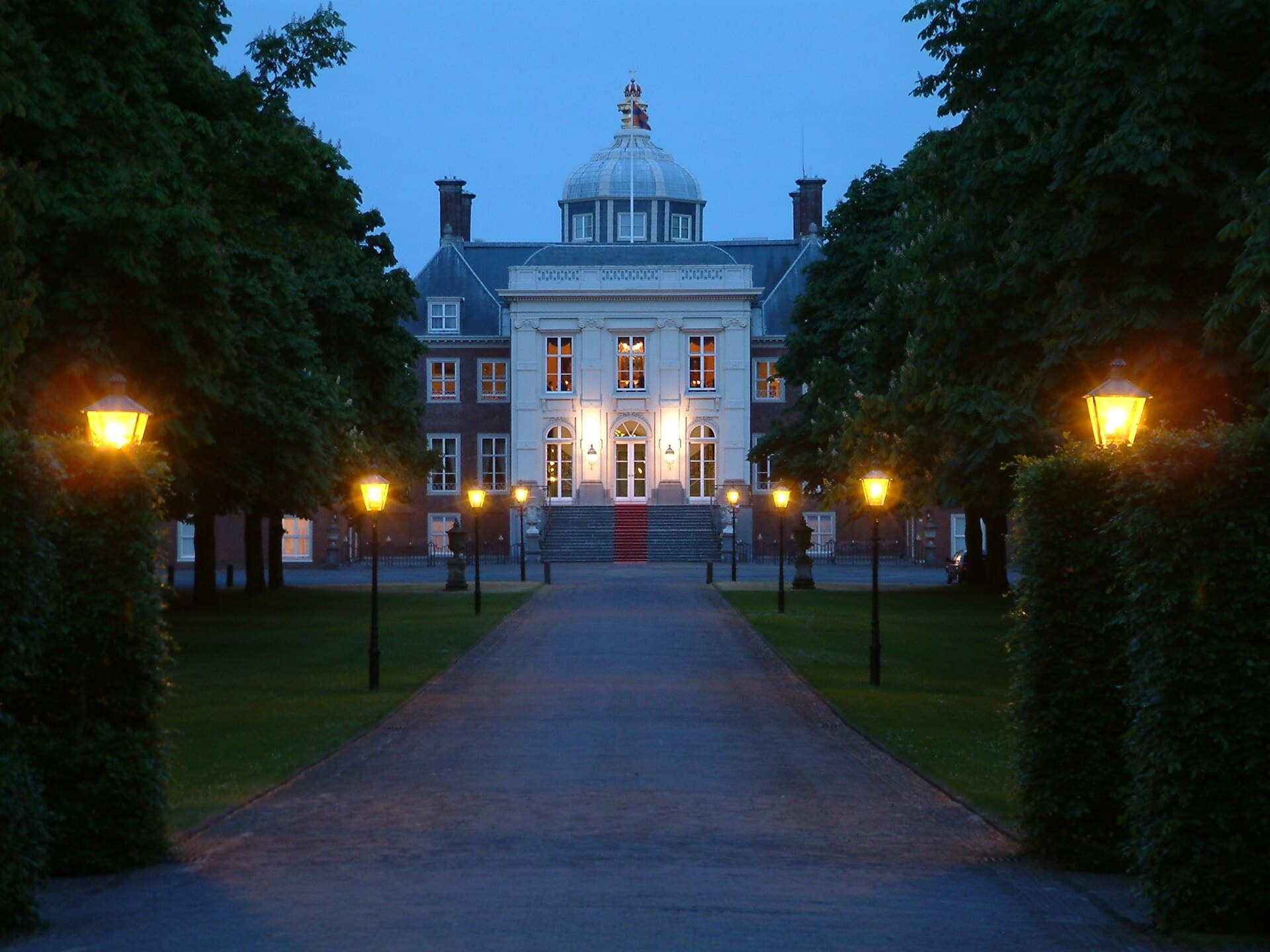 Huis ten Bosch PalaceHuis ten Bosch stands inside the Haagse Bos woodland east of The Hague, and has 15 minutes walk4.6
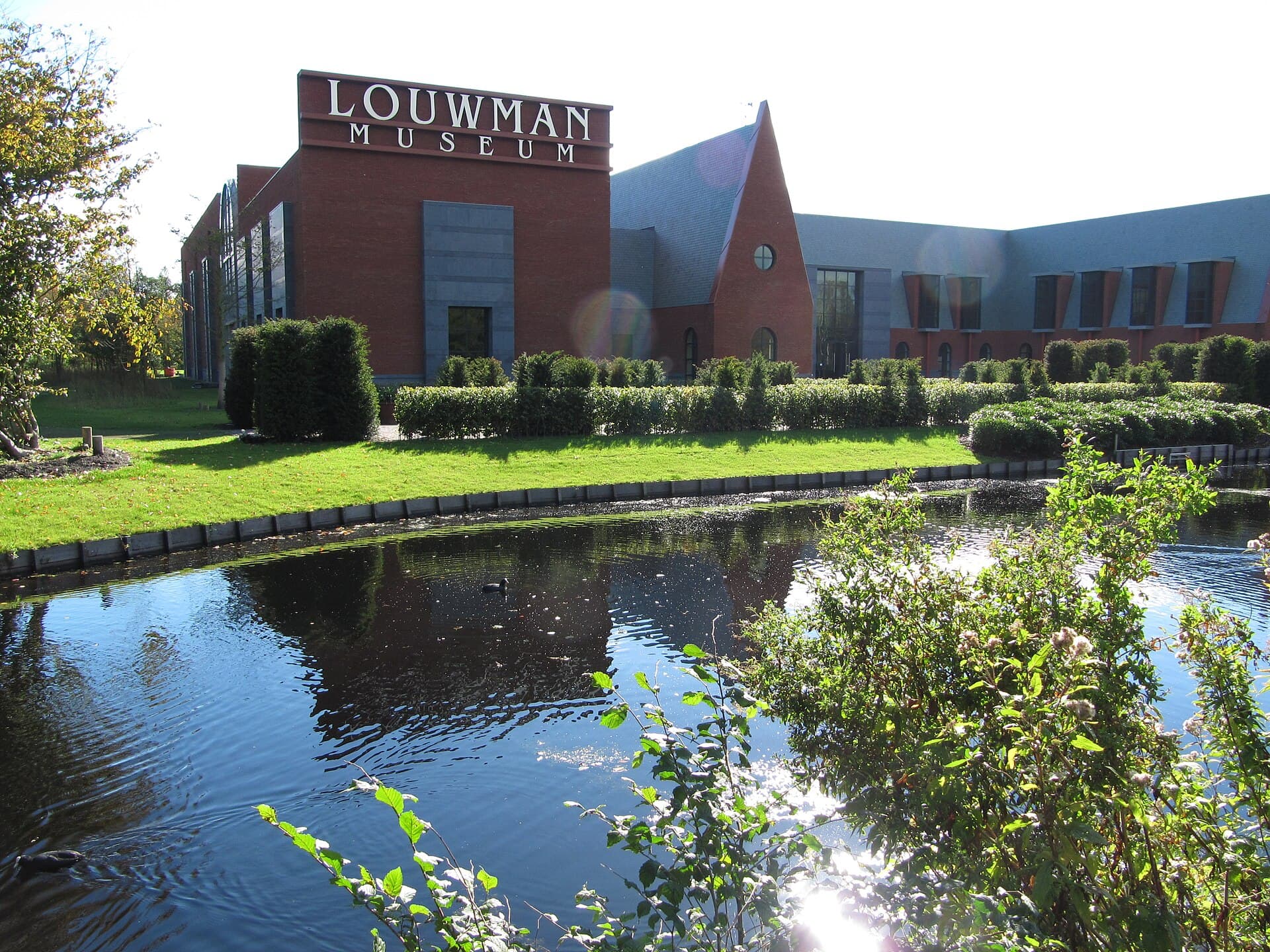 Louwman MuseumThe world's oldest private car collection: the Louwman family gathering since 1920 minutes walk4.7
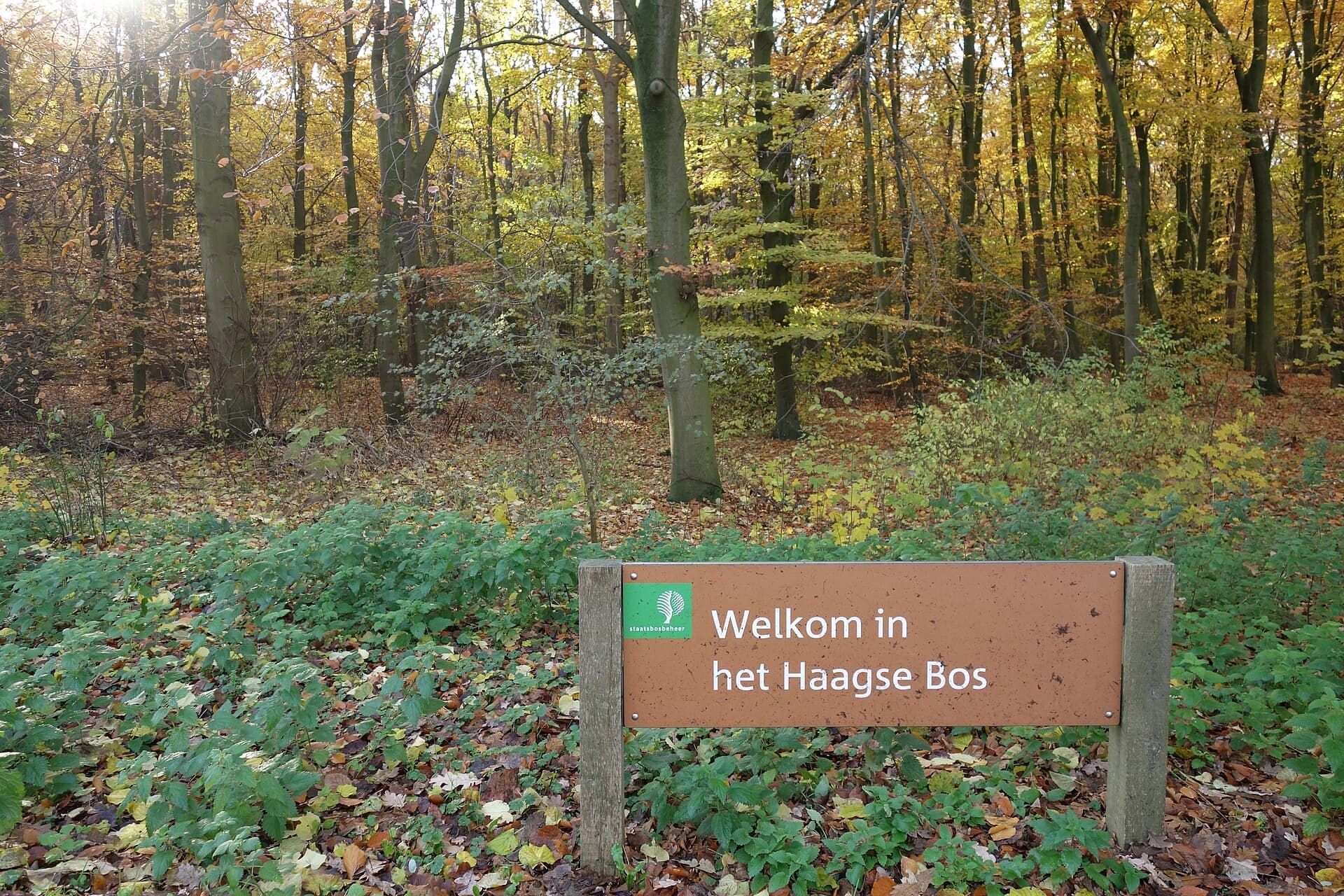 The Haagse BosAn ancient wood extending east of central The Hague, regarded as among the oldes21 minutes walk4.6
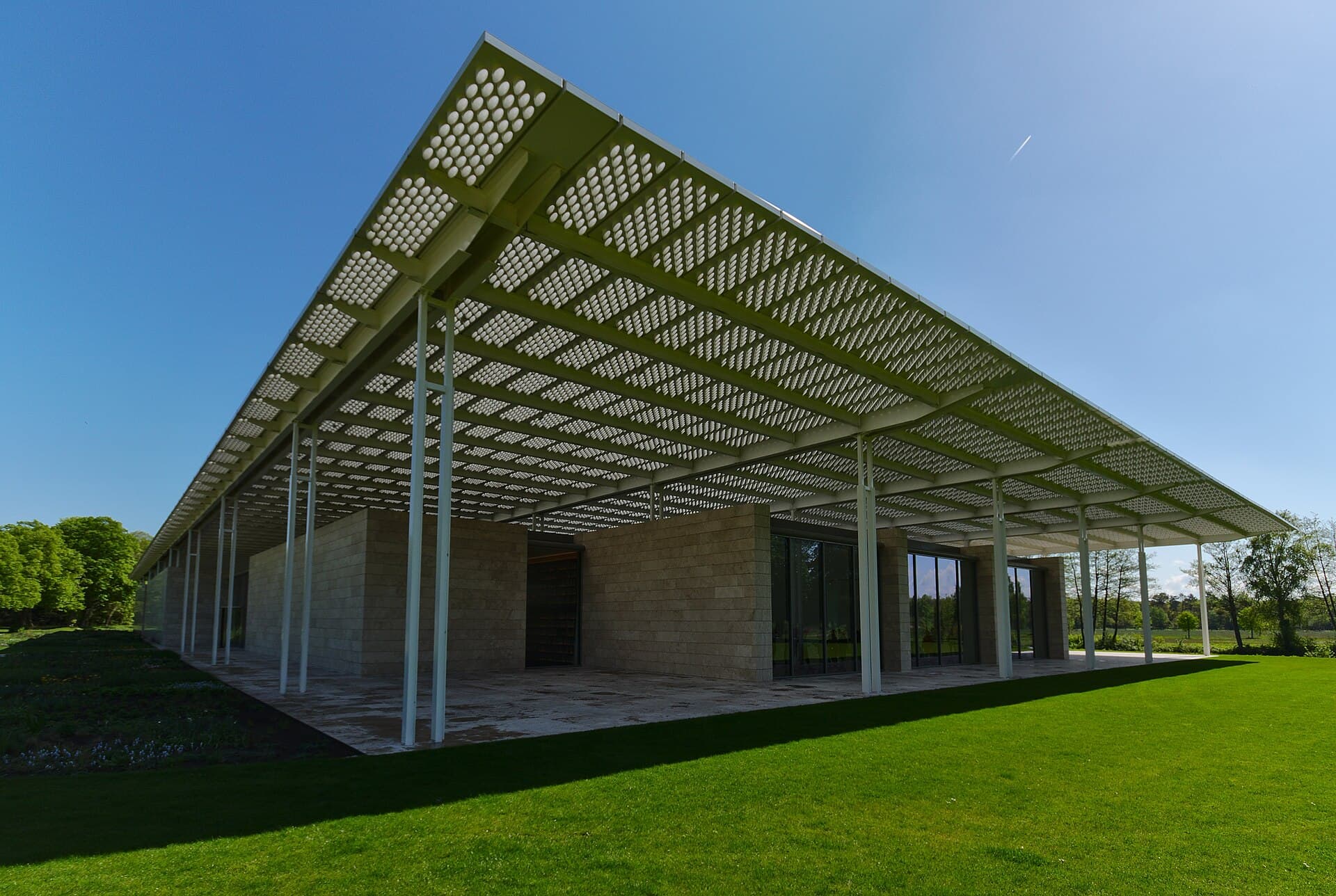 Museum VoorlindenA contemporary art museum inside a country estate: Voorlinden (2016) was built b24 minutes walk4.7
Country houses built by the wealthy outside Dutch cities between the seventeenth and nineteenth centuries, usually along rivers or in the coastal sand belt. They were not productive farms but seasonal residences with designed gardens, ponds and walks. Many were demolished in the twentieth century as cities expanded, and those that survived became museums, hotels, offices or — as here — the basis of a residential district. They are today counted as part of Dutch national heritage.
For anyone interested in residential architecture and town planning, yes — the district is a rare example of a unified design carried out in full and left as it was. Otherwise it is a quiet walk among trees rather than a sight. It is best added to a bicycle route taking in the Haagse Bos and the neighbouring Wassenaar estates to the north, which form a whole region of old country seats.