
The face above the entrance
A huge ceramic face looking down at the street — the building's best-known detail.
Enric — CC BY-SA 4.0 · Enric — CC BY-SA 4.0 · Enric — CC BY-SA 4.0 · Enric — CC BY-SA 4.0
A residential building in central old Palma, and the city's best-known modernista façade. It was designed in the early twentieth century, part of the wave that reached Mallorca from Barcelona. The façade is covered in coloured ceramic mosaic in the trencadís manner — broken pieces set into plaster — and finishes above the entrance with a huge face looking down at the street. The window design zigzags and the lines curve in a way that makes the building entirely unlike its straight-edged neighbours. This is a private building: you see it from the street only, and there is nothing to visit inside. The visit is a few minutes spent looking upwards. It stands a few steps from the Plaça Major and the shopping streets, so it does not merit a special trip but does merit stopping as you pass. Its presence here explains something about Palma: the city was rich enough in that period to import Barcelona's architecture wholesale.
A huge ceramic face looking down at the street — the building's best-known detail.
Broken ceramic set into plaster, the same technique you know from Barcelona.
The building explains Palma's wealth in that period and its link to Catalonia.
Carrer del Colom, central old Palma
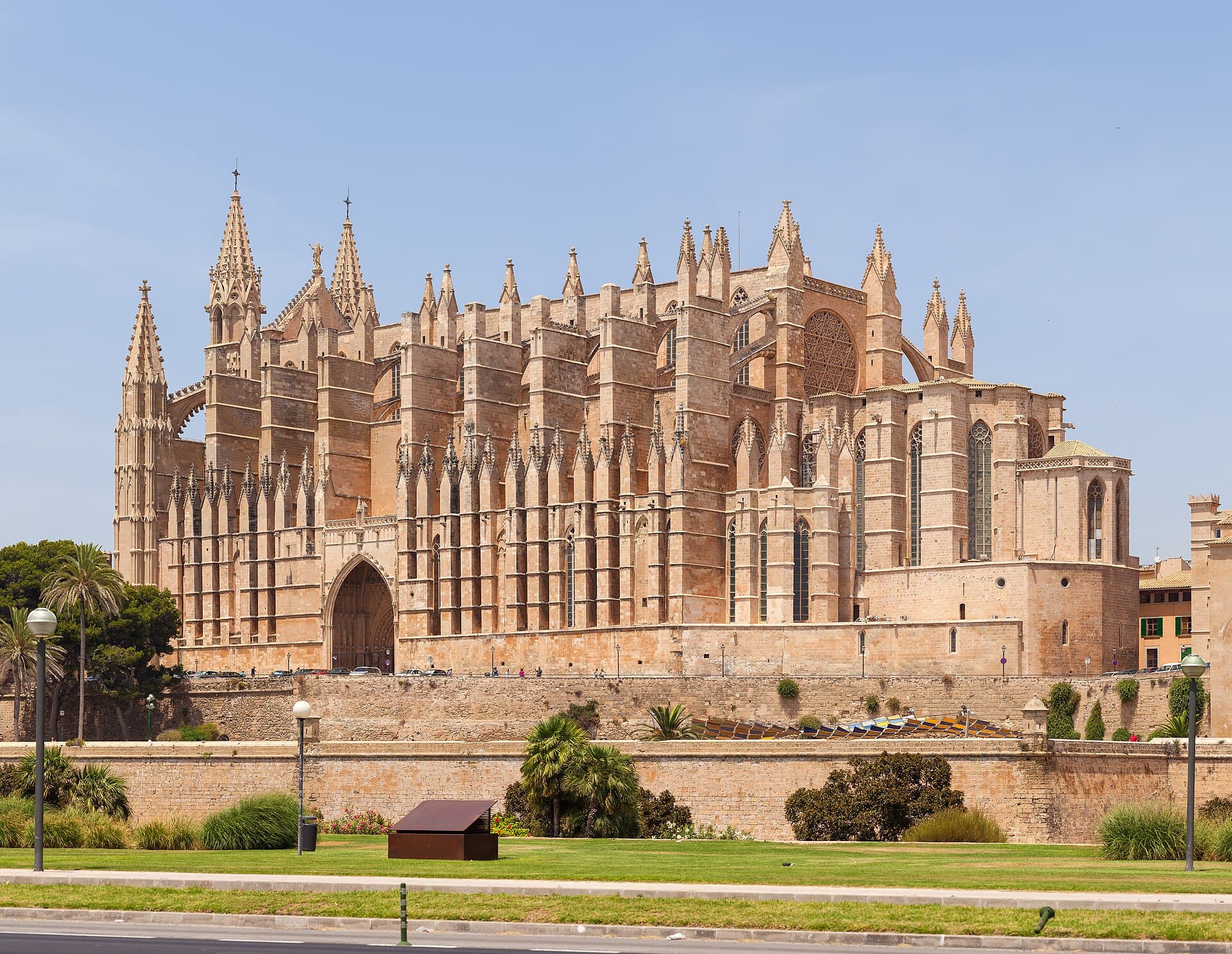 Palma Cathedral (La Seu)La Seu is the Mediterranean's Gothic wonder: a cathedral rising straight from th6 minutes walk4.8
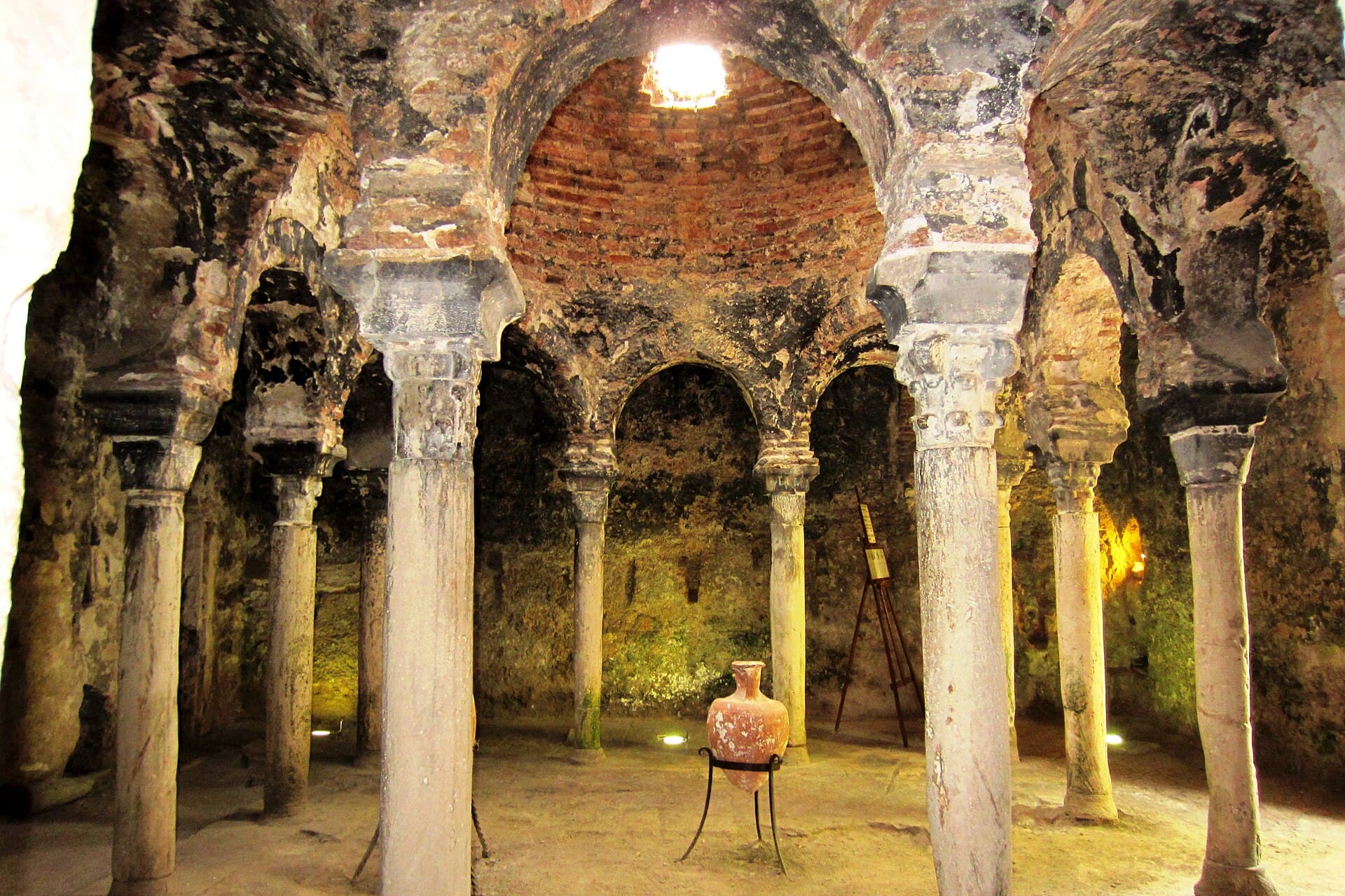 Arab Baths of PalmaA small bath chamber in the old town of Palma, and the clearest thing to survive6 minutes walk3.4
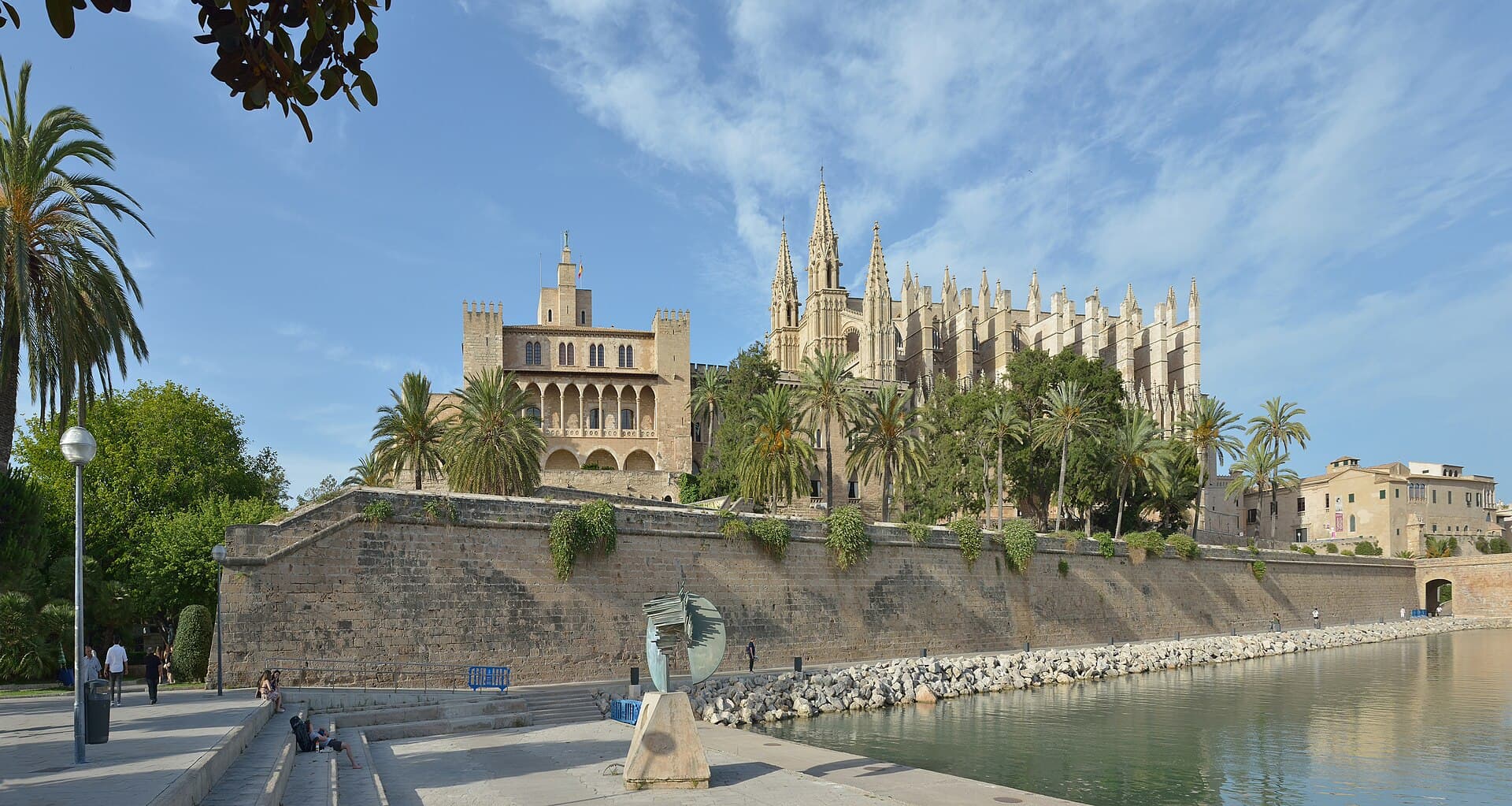 Royal Palace of La AlmudainaThe Almudaina — from the Arabic al-mudayna, the citadel — was the Muslim wali's 6 minutes walk4.6
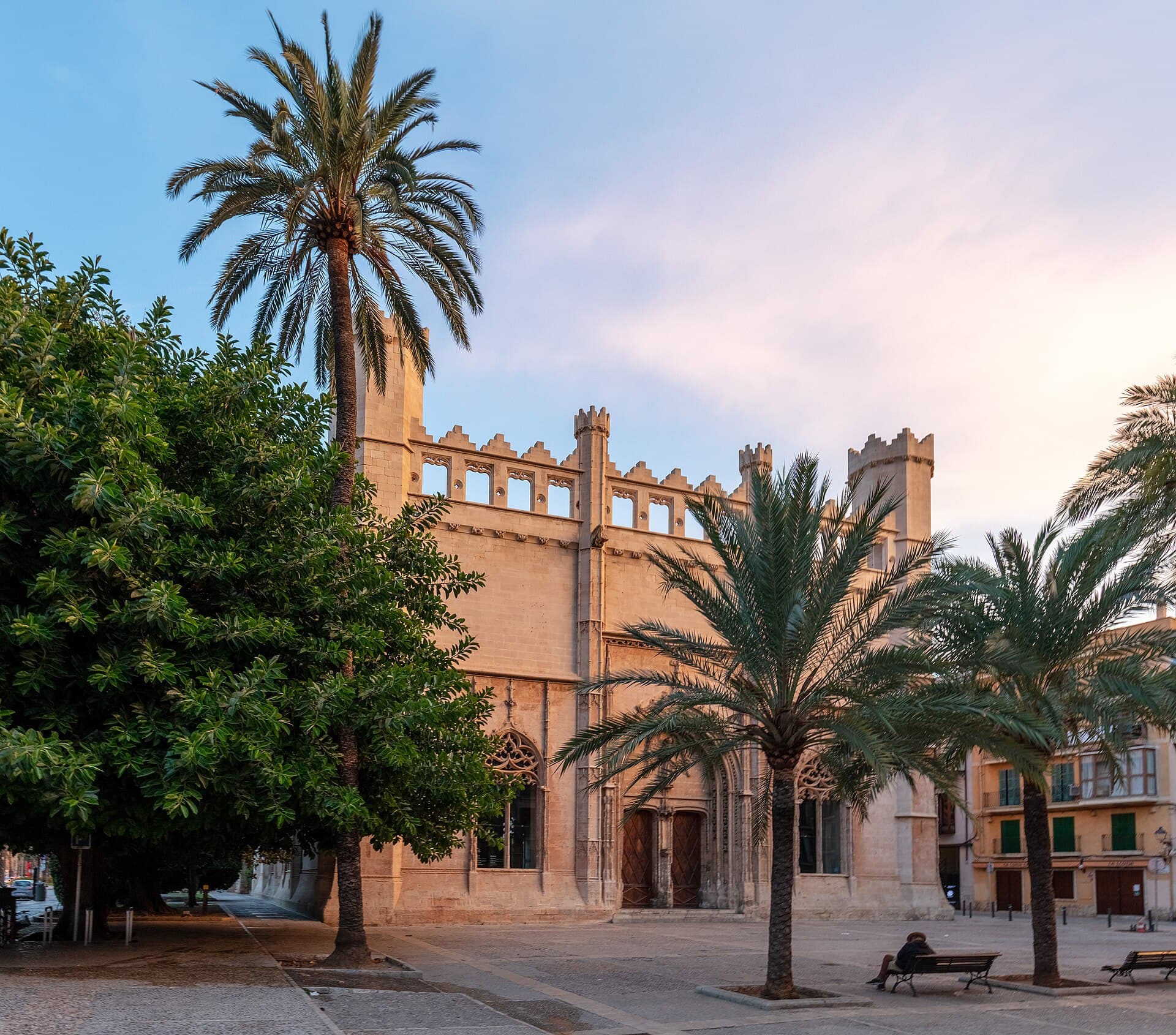 Sa LlotjaSa Llotja is Valencia's Lonja's sister and elder teacher: Mallorca's merchant ex8 minutes walk4.6
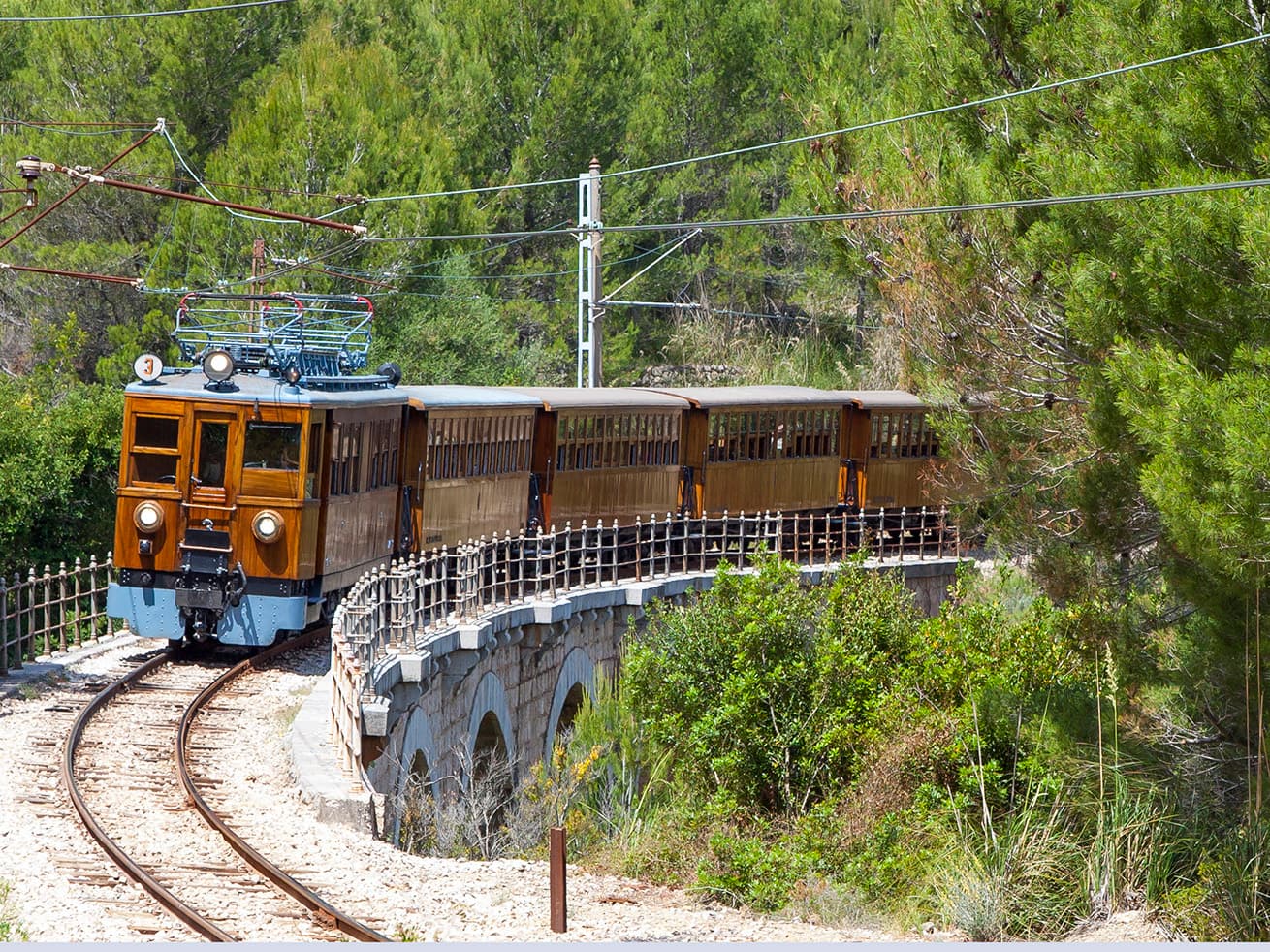 The Sóller Wooden TrainThe Sóller train is 1912 unmodified: mahogany-and-brass carriages leaving Palma 8 minutes walk4.5
No. The building is private housing rather than a museum, and its ground floor holds ordinary shops. All there is to see is the façade from the street, which is enough because that is where the whole value sits.
You are in central old Palma: the Plaça Major, the church of Santa Eulàlia and the lane network are all minutes away on foot, with Palma cathedral a little further towards the sea. Fold it into a walk through the centre rather than treating it as a separate stop.