108 windows
Each one different.
钉钉 — CC BY-SA 4.0 · 钉钉 — CC BY-SA 4.0 · Chinatravelsavvy — CC BY-SA 3.0 · Lamassu Design Gurdjieff (talk) — CC BY-SA 3.0 · 猫猫的日记本 — CC BY-SA 3.0 · 钉钉 — CC BY-SA 4.0 · G41rn8 — CC BY-SA 4.0 · Hector Woo — CC BY-SA 3.0
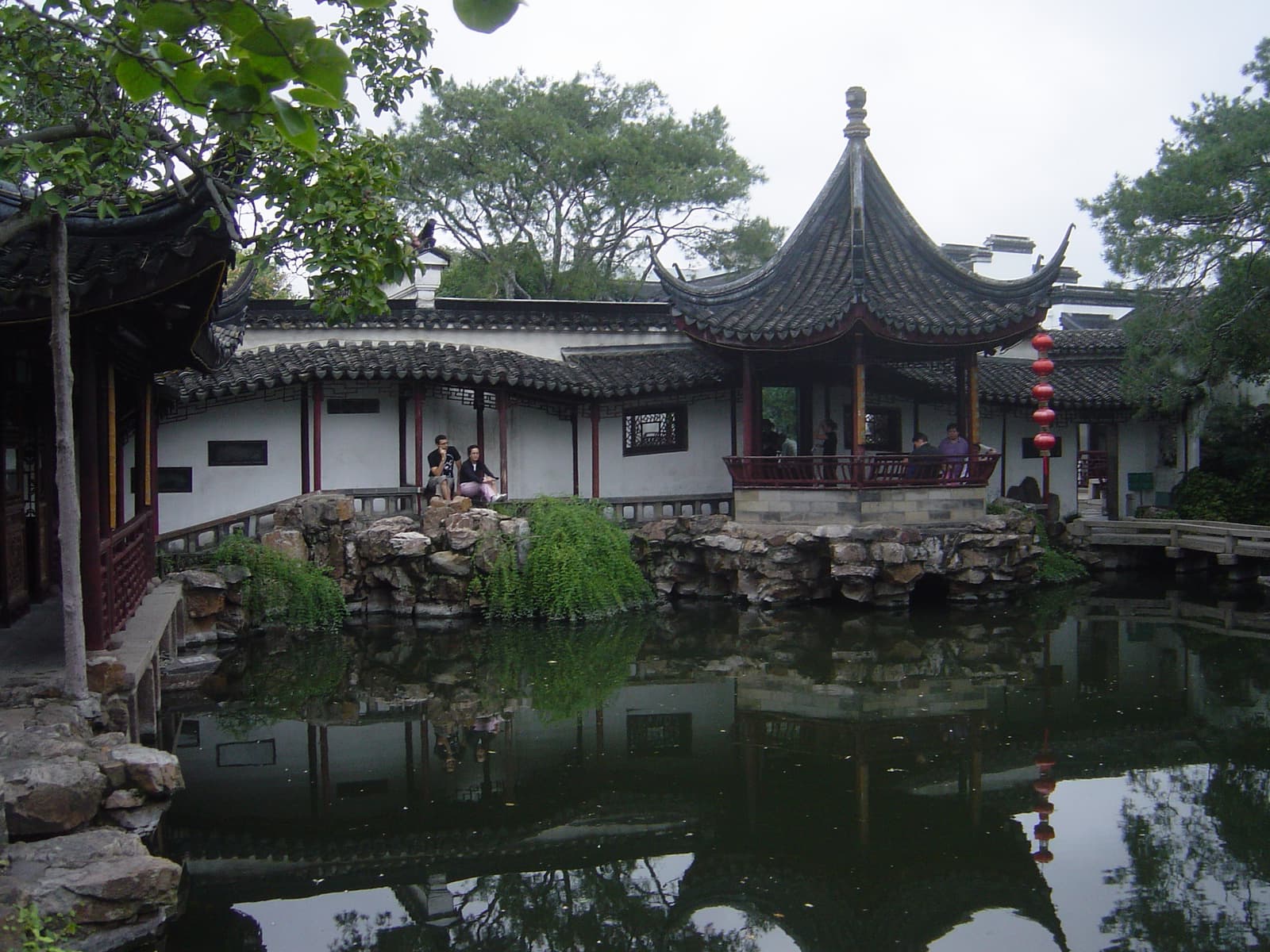
The oldest of Suzhou's World Heritage gardens, created in 1044 by the Song poet Su Shunqin on the site of an earlier garden; it still keeps its Song layout and was restored in 1696. Its name comes from an old verse: if the water of the Canglang river is clear I wash my hat ribbon in it, if muddy I wash my feet, a picture of the honest official who withdraws when politics turns foul. It covers 1.6 hectares on a branch of the Fengxi stream, which forms a lotus pond in front so that the water outside its walls becomes part of the view; inside, a wooded hill carries the pavilion that gives it its name, and its galleries are pierced by 108 lattice windows, each with a different pattern. Tickets are CNY 20 from 21 April to 20 October and CNY 15 the rest of the year, and it is open from 7.30 am to 5.30 pm in summer and to 5 pm in winter, per visitor guides.
Each one different.
And its pavilion.
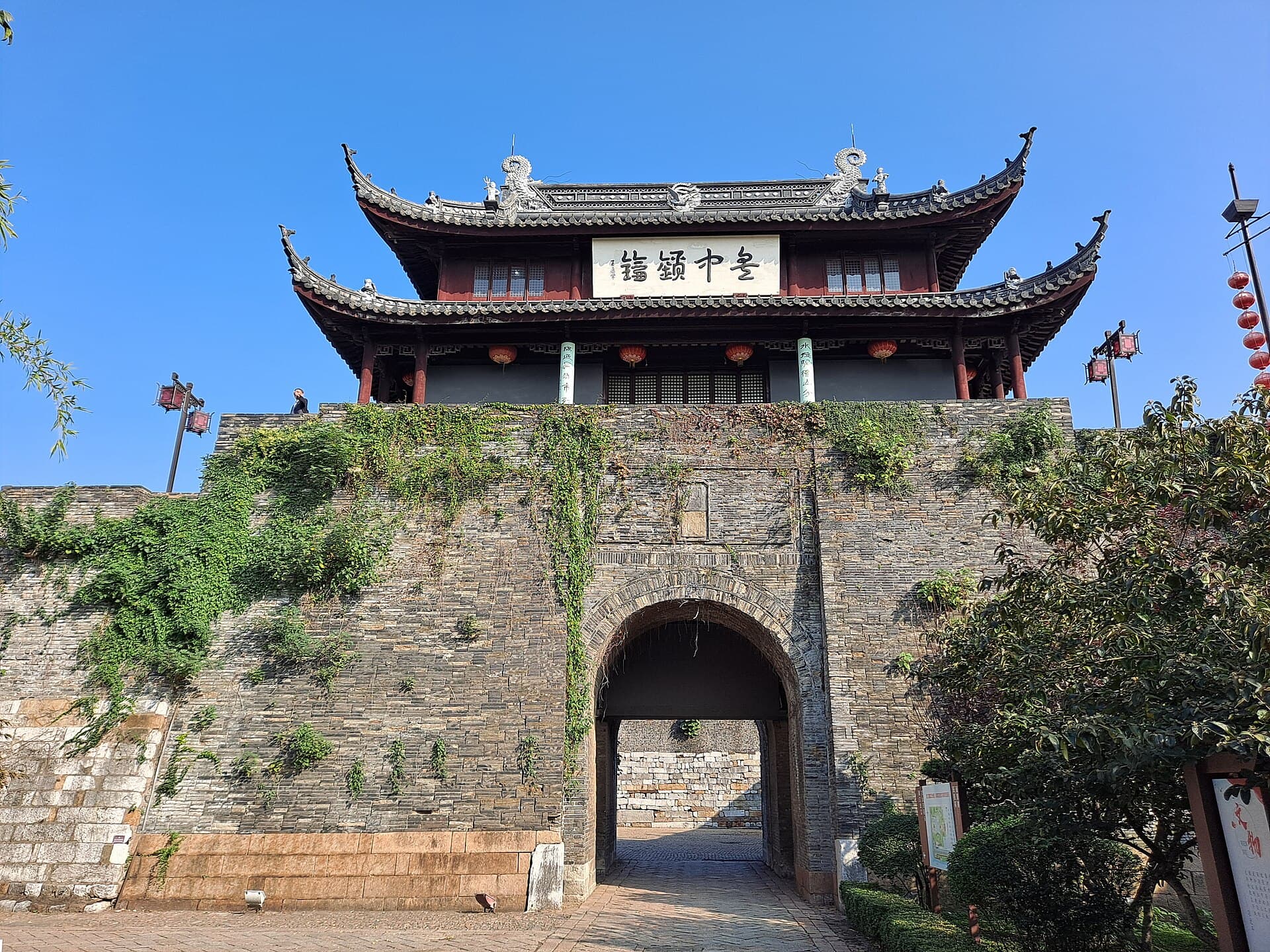
Outside the wall.
3 Canglangting Street, Gusu District, Suzhou
It is the oldest, keeps a Song-dynasty layout, opens onto the water outside its walls instead of turning inward, and is known for its varied lattice windows.