Small pond
And pavilions.
Bobak Ha'Eri — CC BY-SA 2.5 · Chinatravelsavvy — CC BY-SA 3.0 · Caitriana Nicholson from 北京 ~ Beijing, 中国 ~ China — CC BY-SA 2.0 · Caitriana Nicholson from 北京 ~ Beijing, 中国 ~ China — CC BY-SA 2.0 · Caitriana Nicholson from 北京 ~ Beijing, 中国 ~ China — CC BY-SA 2.0 · Caitriana Nicholson from 北京 ~ Beijing, 中国 ~ China — CC BY-SA 2.0 · Fredlyfish4 — CC BY-SA 4.0 · xiquinhosilva — CC BY 2.0
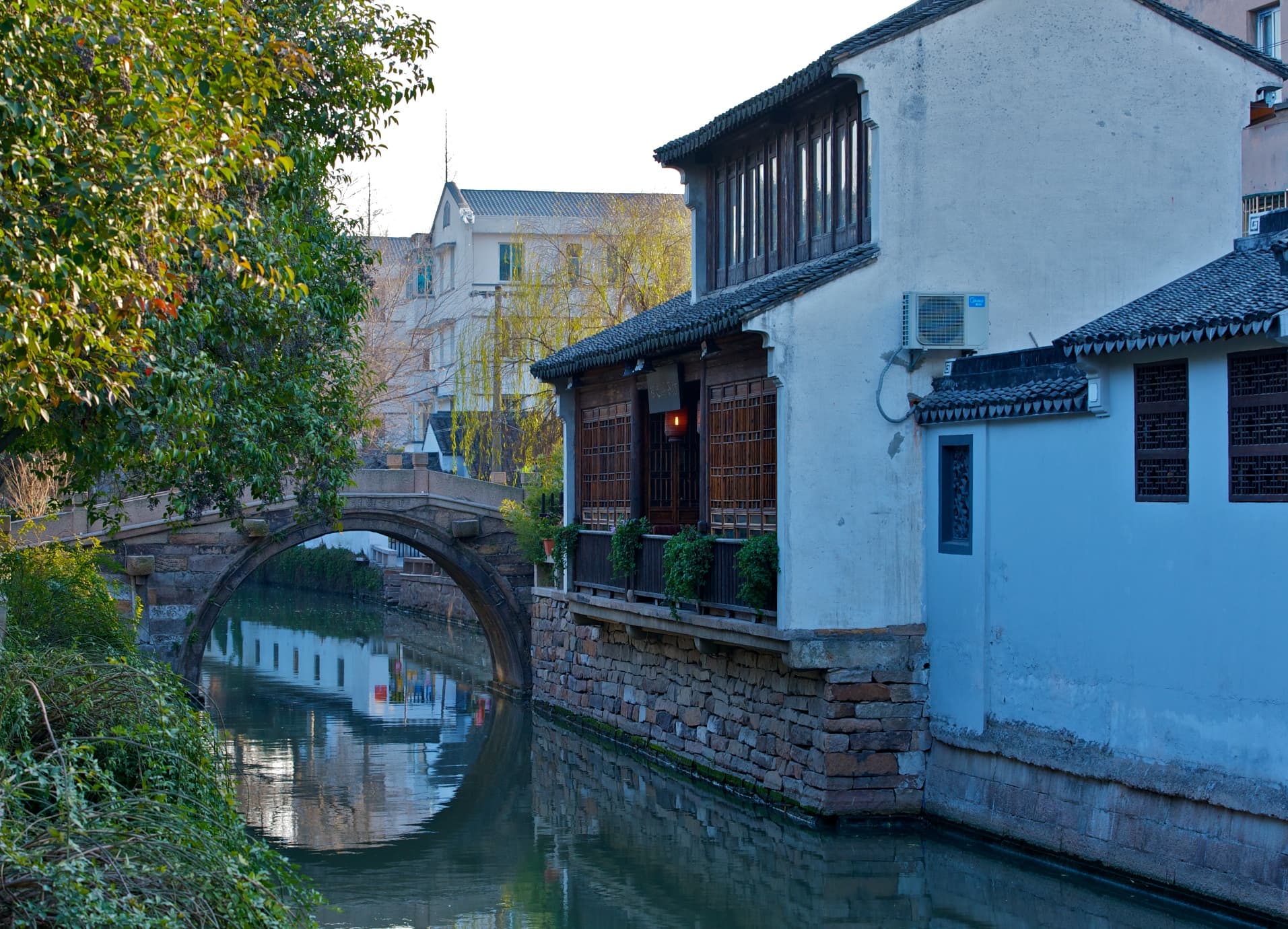
A small garden counted among the finest in China, first built in 1140 by Shi Zhengzhi, a deputy minister of the Southern Song, then redesigned around 1785 by the retired official Song Zongyuan; it is among the gardens on the World Heritage List. Its name means «Master of the Nets», a nod to the simple, secluded life of a fisherman that inspired its owners, and garden connoisseurs praise its mastery of scale, contrast, depth and «borrowed scenery», which make it seem far larger than it is. At its heart is a small pond ringed by pavilions, halls and rocks, with quiet inner courtyards, and its walls carry stone tablets in the hand of Li Hongyi, the famous calligrapher who owned it in the nineteenth century. Tickets are about CNY 40 in season and 30 off-season, per visitor guides, and summer brings night tours with traditional performances, booked a day ahead. The garden is small, so visit in a quiet morning hour.
And pavilions.
Master design.
In summer.
Kuojiatou Lane, southeast of the old city, Suzhou
Yes, in summer, with traditional performances, booked a day ahead; daytime tickets are about CNY 40, per visitor guides.