
The dome that never closes
Six tiers of interlocking stone arches, each narrower than the last, so the vault seems to spiral upward into light and never finish.
Paris Orlando — CC BY-SA 4.0 · Phyrexian — CC BY-SA 4.0 · Phyrexian — CC BY-SA 4.0 · Misasar — CC BY-SA 4.0
On the night of 11 April 1997, Turin's most famous dome caught fire. A firefighter came out of the smoke carrying the Holy Shroud, having taken a sledgehammer to the bulletproof case to get it. The chapel itself burned until its black marble cracked, and it took twenty-one years of restoration before it opened again in September 2018. What you see today is not a replica or a rebuild: it is the original stone, taken down block by block, cleaned and reassembled, with new stone cut from the same quarry — reopened specially for the job — where nothing could be saved. Look closely at the walls and you can pick out the difference between what survived and what replaced it. The man responsible was Guarino Guarini, a monk and a mathematician before he was an architect, which explains everything. He took the project over in 1668 and it was finished in 1694, after his death. It starts low and heavy: a drum of black marble, deliberately funereal. Then you look up and the logic reverses. Six tiers of stone arches, six arches to a tier, each tier rotated so its arches sit over the gaps of the one below. The hexagon narrows as it climbs, light leaks through every layer, and the vault appears to spiral upward without ever closing. There is little else like it in Europe, and no photograph carries the effect. Two things to know before you book. The Shroud itself is not displayed here — it is kept in the cathedral next door and shown publicly only at rare ostensions announced years in advance, so do not come expecting to see it. And you do not enter from the cathedral: you reach the chapel from inside the Royal Palace, off the first-floor state rooms, on the €15 Musei Reali ticket that also covers the Royal Palace, the Armeria and the Galleria Sabauda. The cathedral is free and entered separately from Piazza San Giovanni — two different visits, two different tickets, two doors that never meet. The verdict: this is one room, twenty minutes is plenty, and on its own it will not justify a trip to Turin for someone travelling in from Milan or the lakes. But if you are already in the city and doing the Musei Reali anyway, it is the stop you will still be thinking about after the state rooms blur together. It sits in the dead centre, a few steps from Piazza Castello, on flat easy ground with children. One thing worth checking before you go: the Musei Reali visit page currently gives Wednesday as the weekly closing day, while plenty of listings still say Monday — confirm on the official site the week you travel.
Six tiers of interlocking stone arches, each narrower than the last, so the vault seems to spiral upward into light and never finish.
It begins in deliberately funereal black marble, then everything inverts the moment you look up — that contrast is the whole design.
After the fire the stone was dismantled and reassembled over twenty-one years, and you can still pick out the replacement blocks by their colour.
Piazzetta Reale 1, Turin — entered from inside the Royal Palace, within the Musei Reali
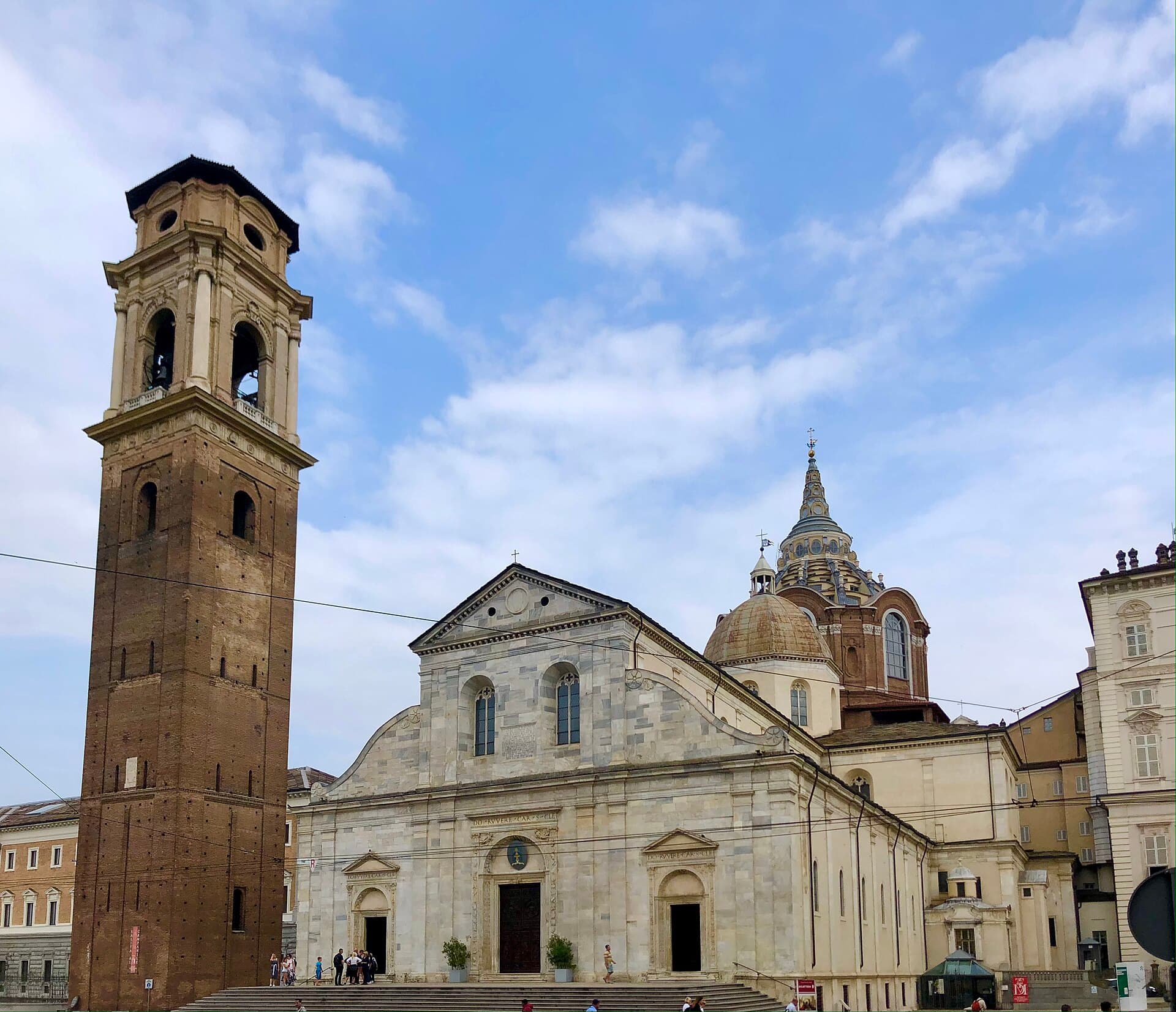 Turin CathedralTurin's cathedral is the Shroud's house and the city's one Renaissance oasis ami1 minute walk4.5
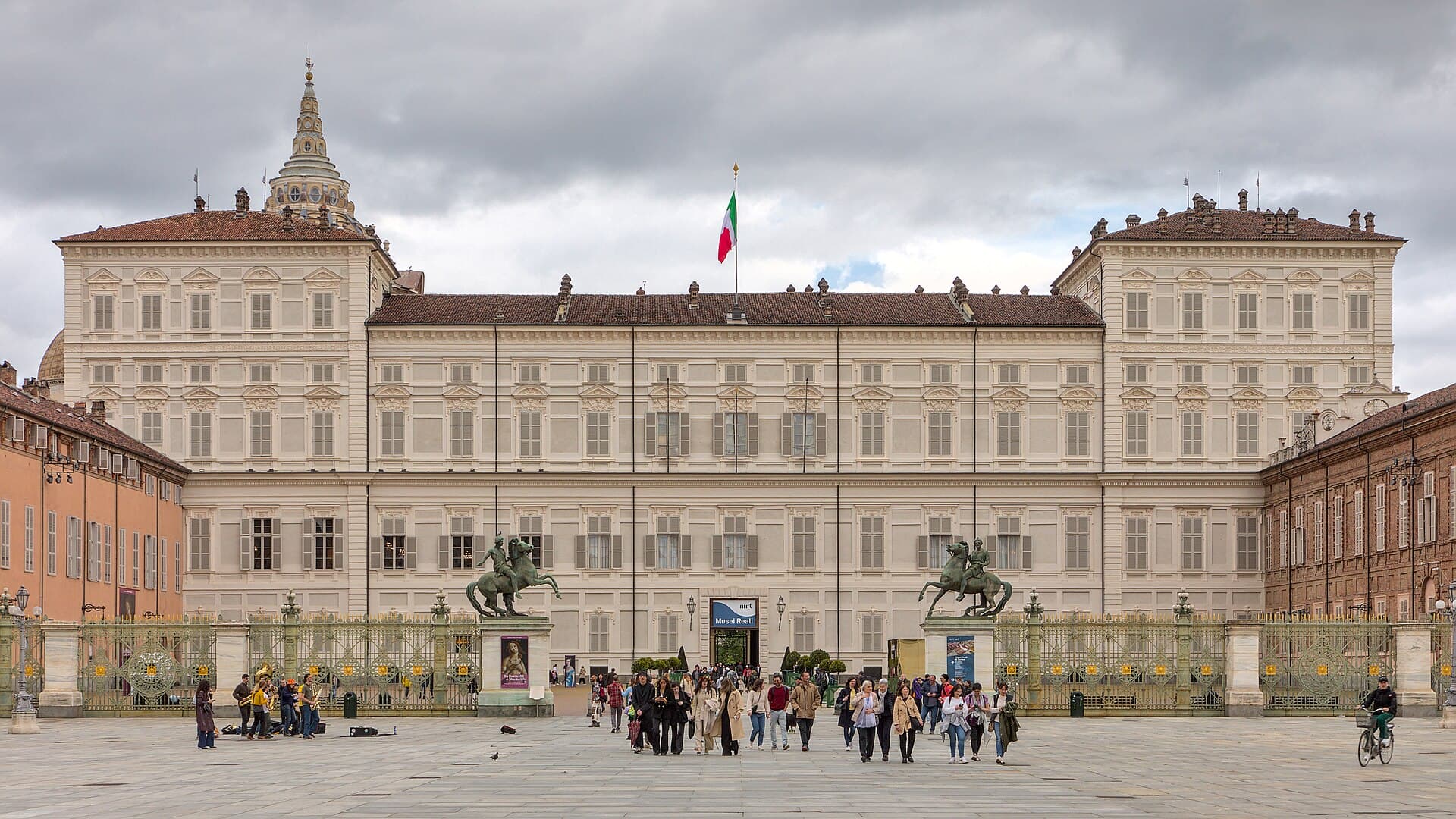 Royal Palace (Musei Reali)The Royal Palace is the house of Savoy, unifiers and kings of Italy: from here t1 minute walk4.9
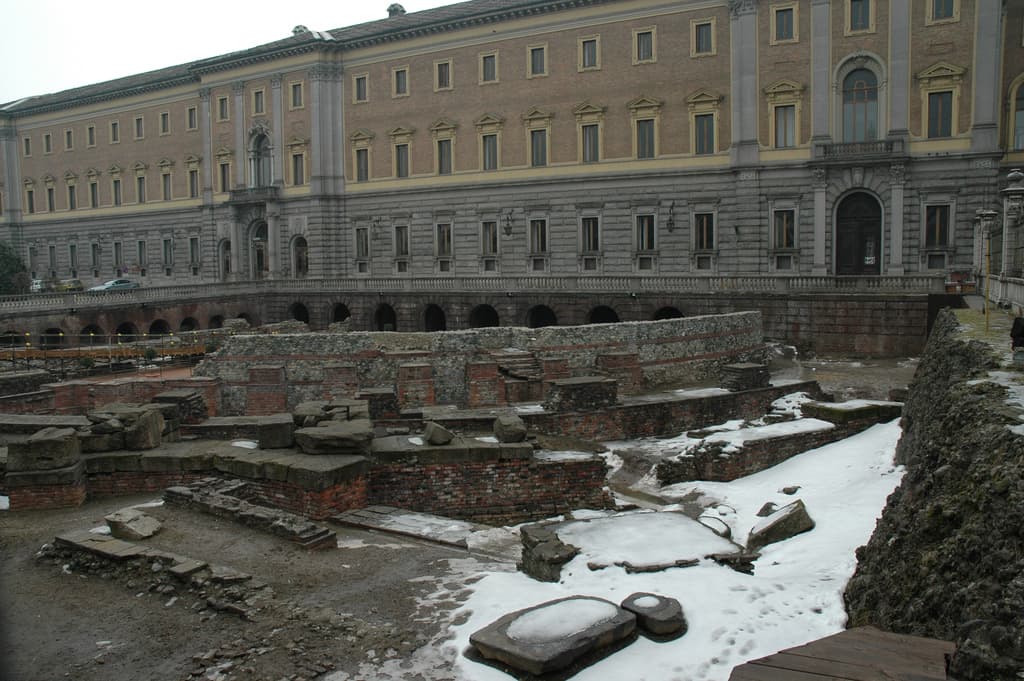 Galleria SabaudaThe private collection of Italy's kings: the Galleria Sabauda is the picture gal1 minute walk4.8
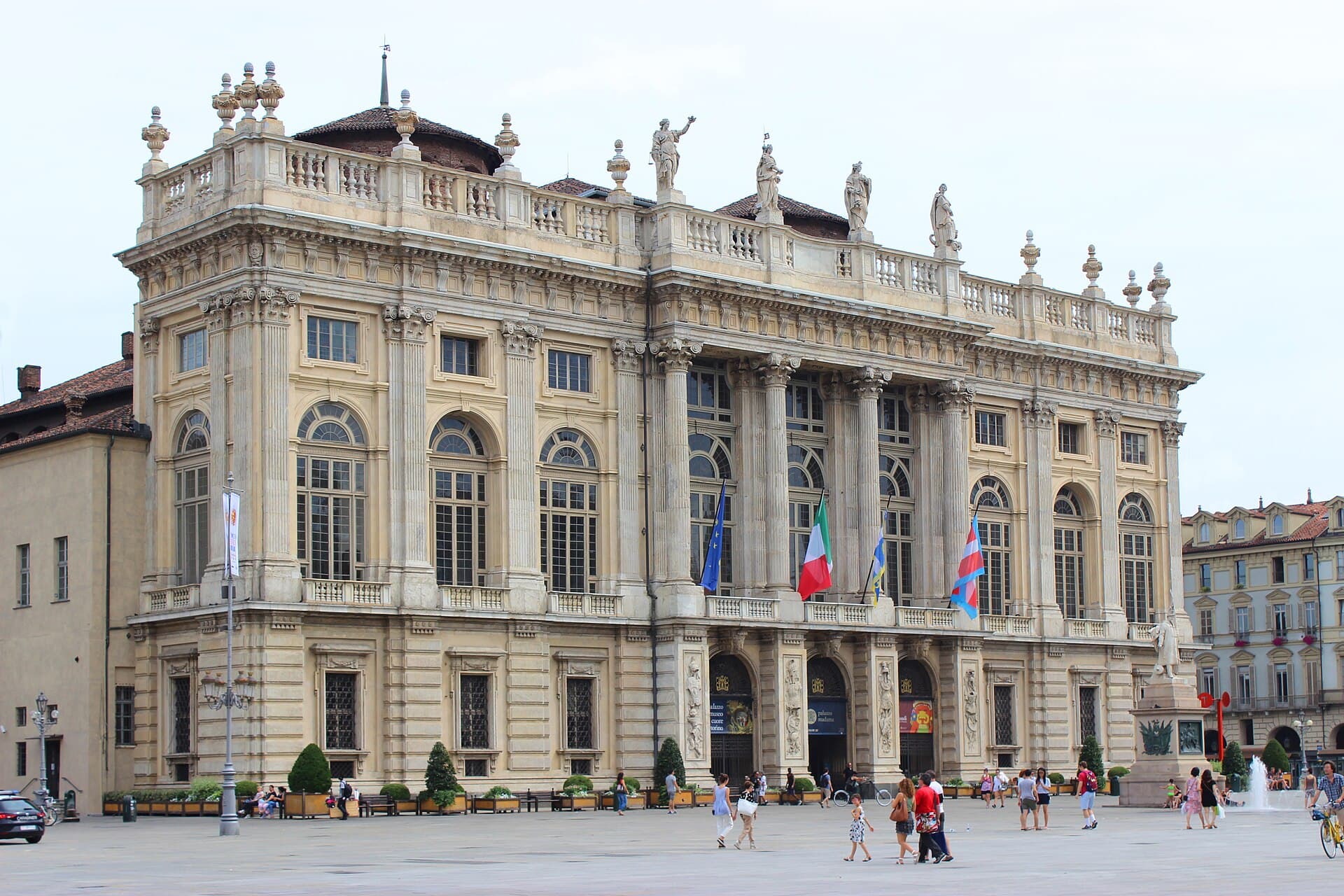 Palazzo MadamaPalazzo Madama is Turin's history in one building: its east face a genuine Roman3 minutes walk4.5
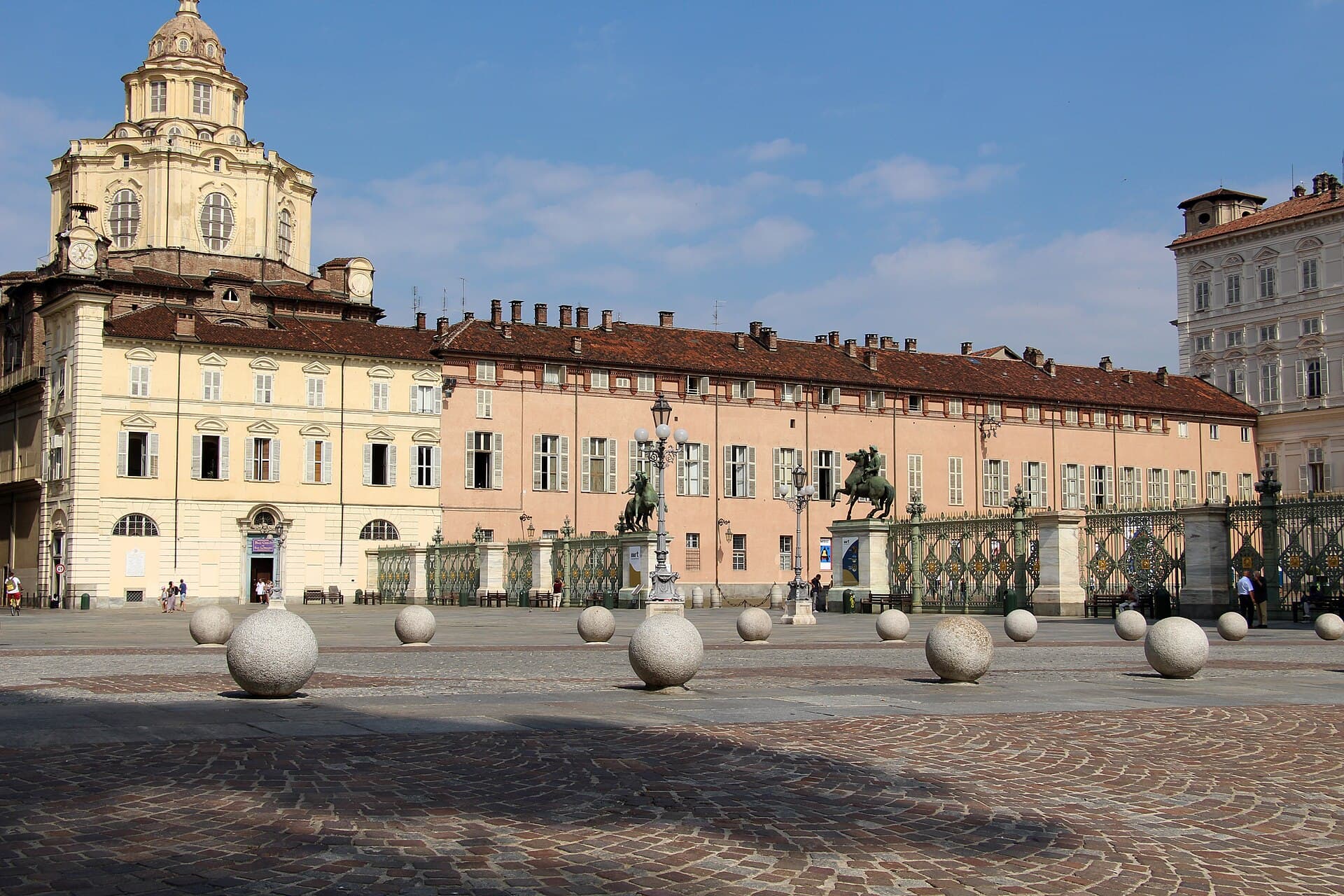 Piazza CastelloCastello is Turin's geometric and royal centre: from it the city was planned, it3 minutes walk4.9
No. The Shroud is kept sealed in Turin Cathedral next door and is shown publicly only at rare ostensions decided and announced years ahead. What you are visiting is the building made to house it, not where it is displayed today. If the relic's story is what interests you, the city's Shroud museum covers it with a full-size replica and archive material — it does not show the original either, and it is a separate visit entirely.
Honestly, no. One room and twenty minutes is a lot to pay fifteen euros for on its own. But the same ticket opens the Royal Palace, the Armeria and the Galleria Sabauda on one continuous route, and within that package the chapel is the best thing in it. If you only have half a day in Turin, the Egyptian Museum or the Mole is the smarter call and the chapel waits for a second visit.