
A small fourth window
Said to be in memory of the painter's daughter who died young.
Till Niermann — CC BY 3.0 · This Photo was taken by Wolfgang Moroder. Feel free to use my photos, but please mention me as the author and send me a message. This image is not in the public domain. Please respect the copyright pr — CC BY-SA 3.0 · This Photo was taken by Wolfgang Moroder. Feel free to use my photos, but please mention me as the author and send me a message. This image is not in the public domain. Please respect the copyright pr — CC BY-SA 3.0 · This Photo was taken by Wolfgang Moroder. Feel free to use my photos, but please mention me as the author and send me a message. This image is not in the public domain. Please respect the copyright pr — CC BY 3.0
An early twentieth-century house on the Giudecca waterfront, built by the painter Mario De Maria in 1913 as his home and studio, and used today as an exhibition centre. The name comes from the facade: three large Gothic windows side by side looking over the canal, designed by the painter to bring light into his studio. Above them he added a fourth, smaller window — said to be in memory of his daughter who died young, the three large ones being for himself, his wife and his surviving son. The building in its neo-Gothic manner looks far older than it is, and that is deliberate: De Maria wanted a house that appeared to belong to old Venice. The position is exceptional: it stands directly on the Giudecca canal facing Piazza San Marco, so the view from its windows is the view people come to Venice for, from the opposite and quieter side. The programme varies — check before going.
Said to be in memory of the painter's daughter who died young.
He wanted a house that looked like old Venice.
San Marco opposite you, from the quieter bank.
The Giudecca, facing Piazza San Marco
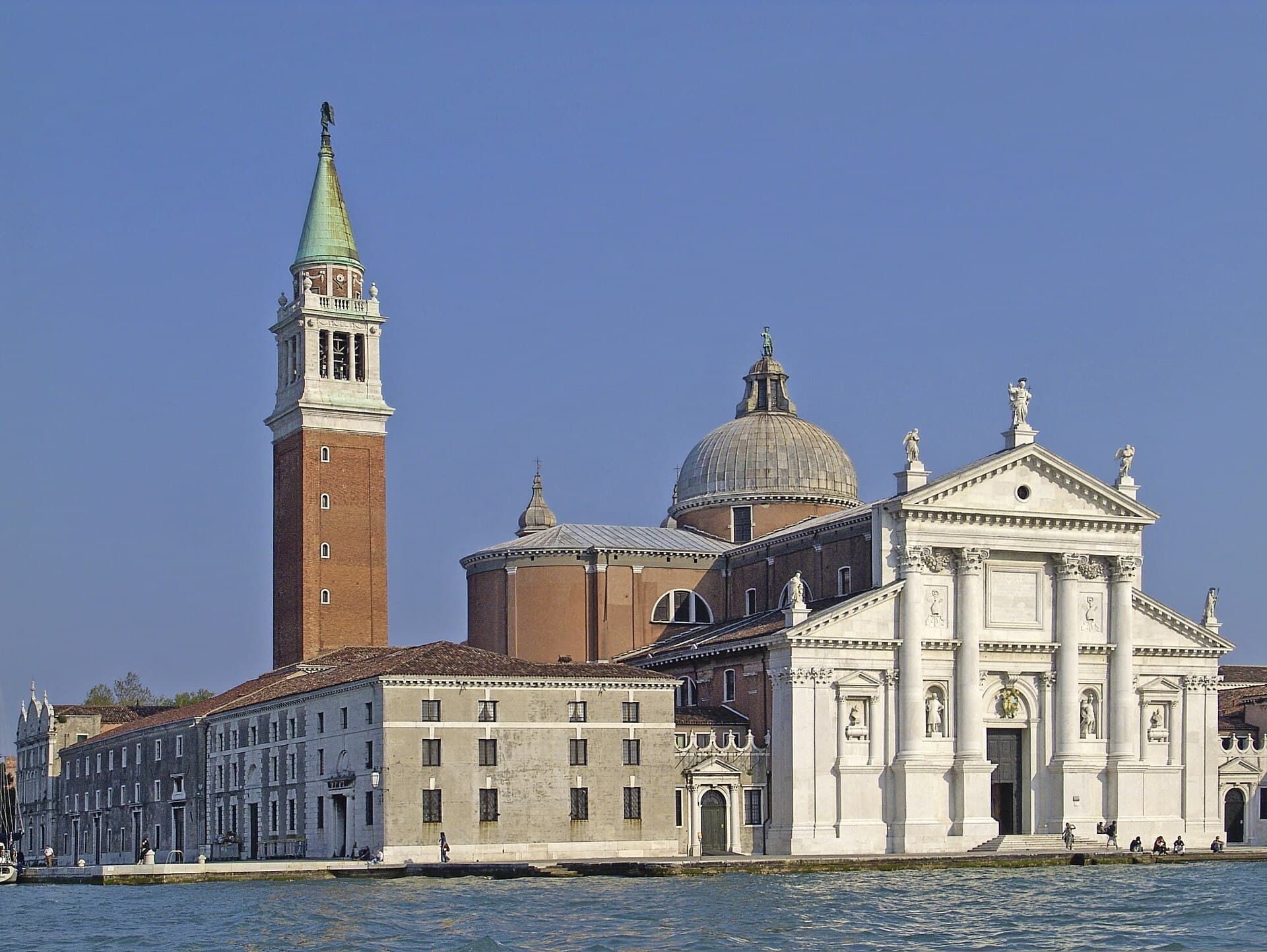 San Giorgio MaggioreSan Giorgio Maggiore is the white church you see from St Mark's standing alone o6 minutes walk4.7
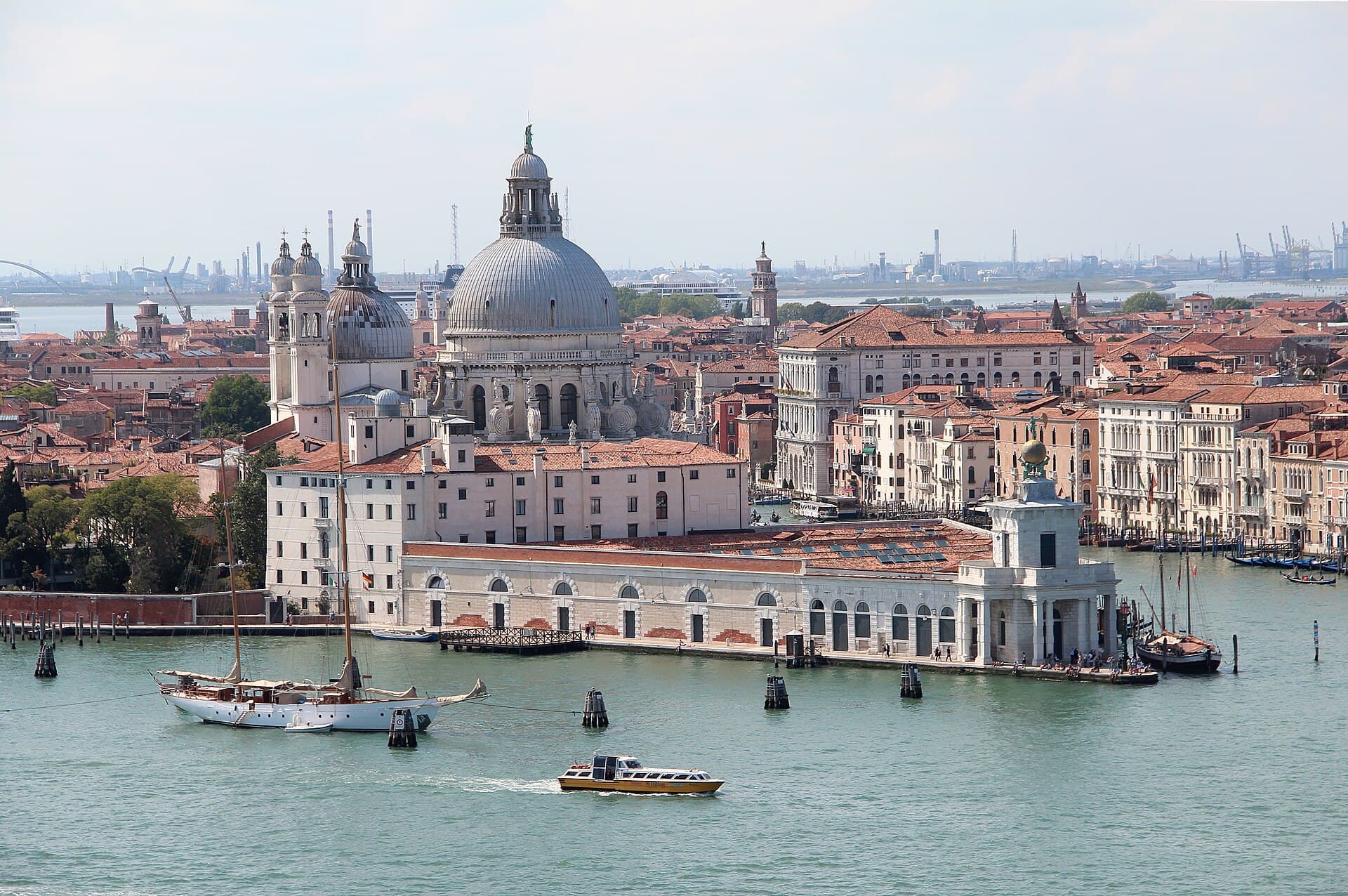 Punta della DoganaThe old customs house at Venice's point: Punta della Dogana is a triangular buil6 minutes walk4.7
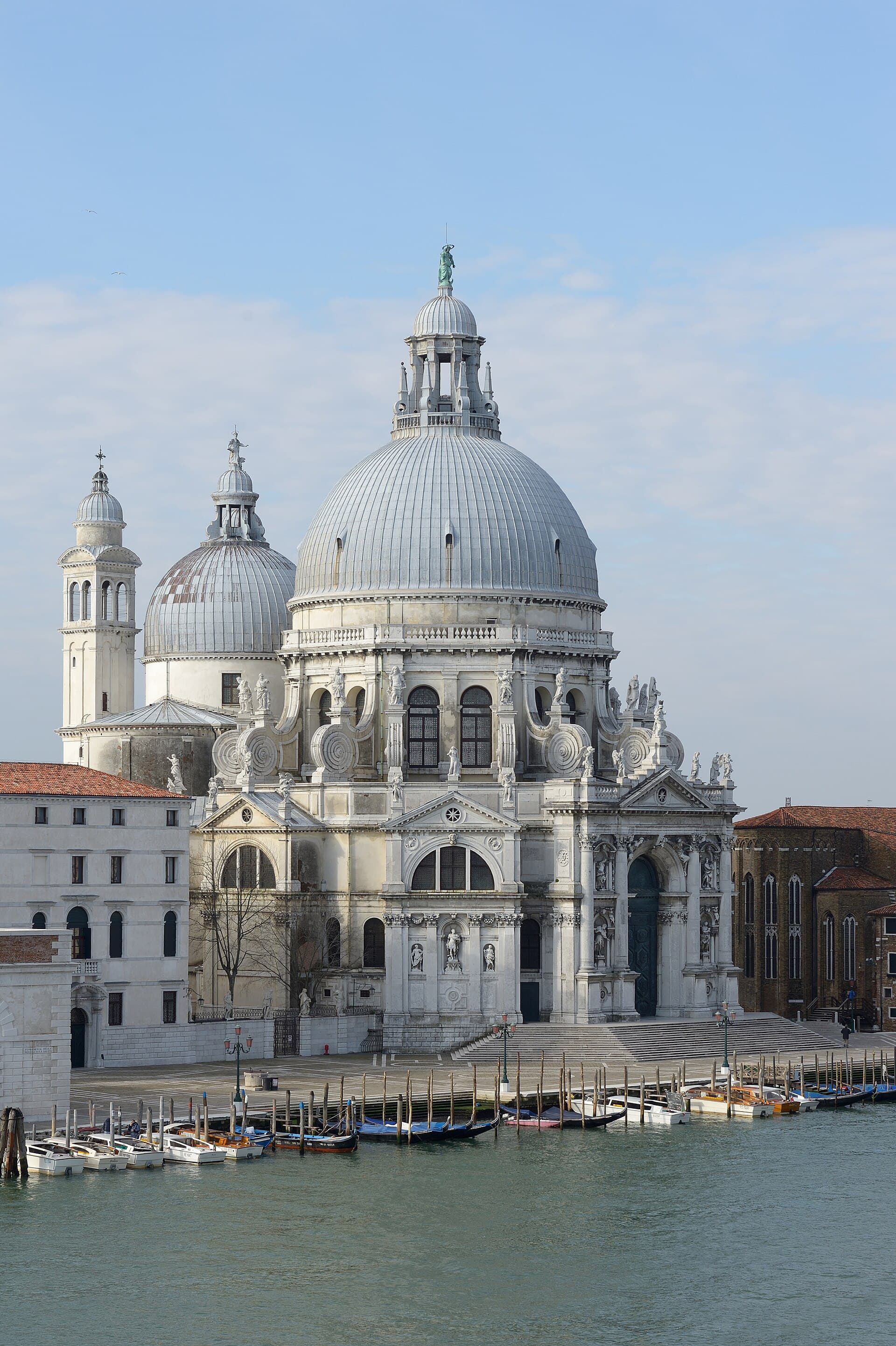 Santa Maria della SaluteThe Salute — "health and salvation" — is the great white dome closing the mouth 7 minutes walk4.8
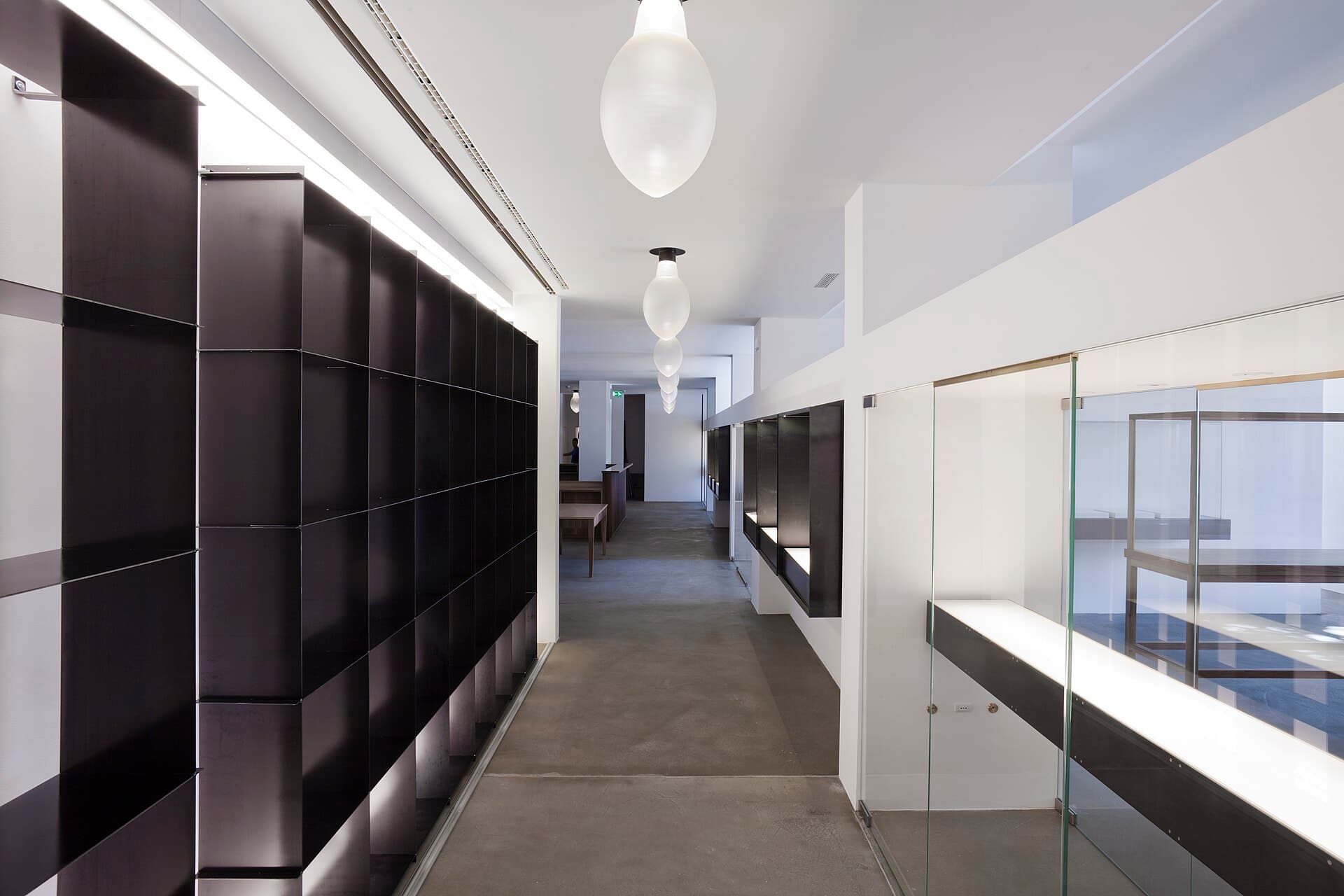 Le Stanze del VetroA museum in Venice that does not sell tickets. Entry to Le Stanze del Vetro has 7 minutes walk4.9
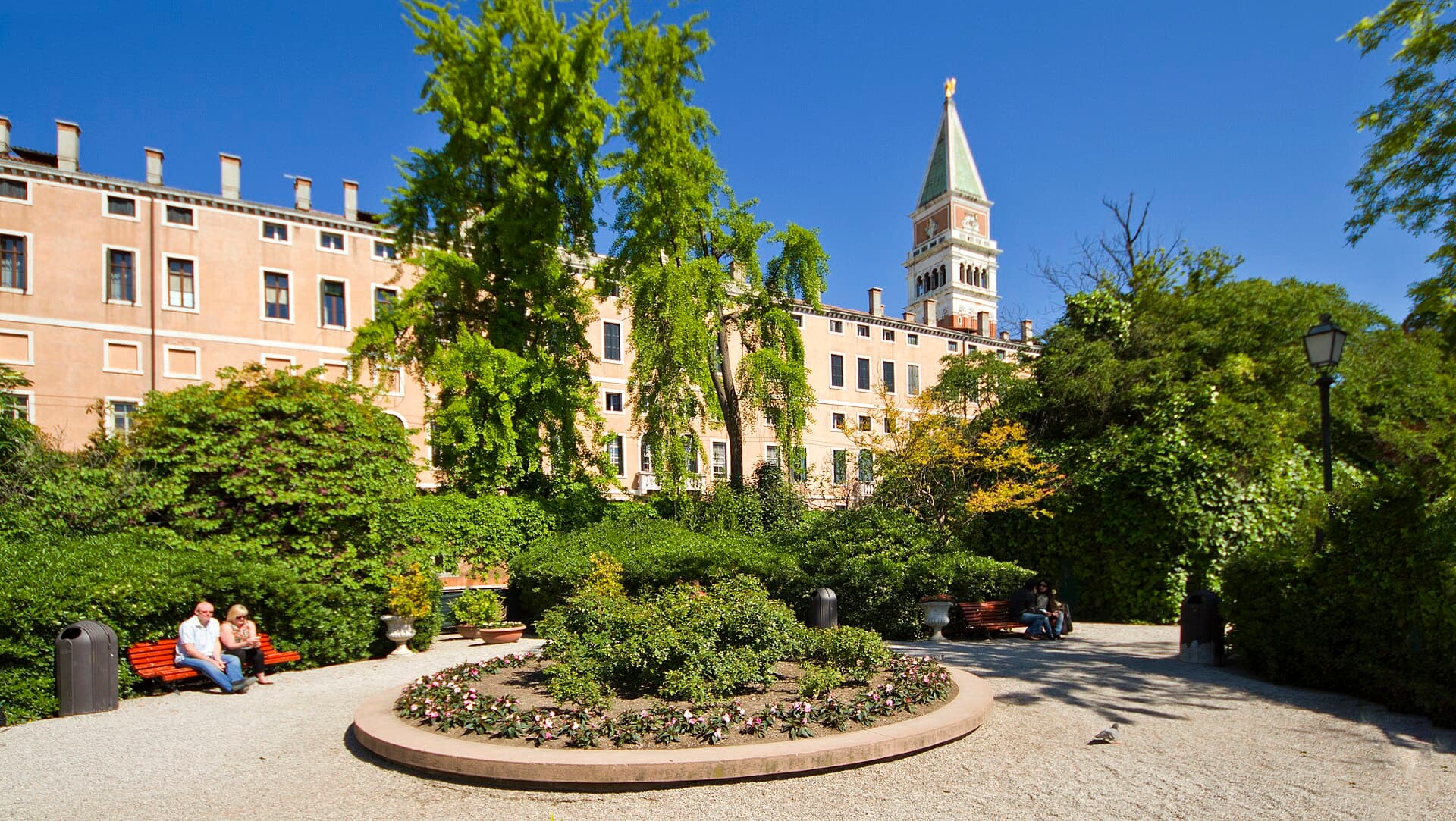 Giardini RealiA small garden between St Mark's Square and the waterfront in Venice, among the 9 minutes walk4.4
A strip of islands south of Venice separated from the city by a wide canal. Historically an area of gardens and monasteries, it became industrial in the nineteenth century — factories, mills and shipyards. Today it is among the quietest and most residential parts of Venice, holding Palladio's Redentore church and the huge Molino Stucky mill converted into a hotel. The vaporetto reaches it in minutes and gives the best view of the city from the water.
Venice's water bus network, and its only public transport. A single ticket is relatively expensive, so if you intend more than two or three journeys a day buy a time pass — twenty-four, forty-eight or seventy-two hours, which is far better value. Lines are numbered and the direction must be checked at the pontoon. Line 1 runs the whole Grand Canal and is the cheapest sightseeing tour in the city.