
Iron balconies
Colourful houses.
Ivo Kruusamägi — CC BY-SA 4.0 · Holacocacola1968 — CC BY-SA 4.0 · Melpanama — Public domain · MusikAnimal — CC BY-SA 4.0
Panama City's historic district, built on a small peninsula and settled in 1673 after the privateer Henry Morgan destroyed the first city in 1671, so the Spanish raised it behind walls guarding it from the sea and pirates. Together with the ruins of Panamá Viejo it has been on UNESCO's World Heritage list since 1997. Its narrow cobbled streets are lined with colonial houses with flower-filled iron balconies and façades in white, yellow and blue, quiet tree-shaded squares, and buildings restored as hotels, cafés and museums, others still ruins awaiting restoration, a charming mix of old and new. From the edges of the quarter comes a unique view: modern Panama City's skyscrapers glittering across the bay and ships waiting their turn for the canal. It holds the National Theatre, the Canal Museum, the presidential palace seen from a distance and the Plaza de Francia. The best times are morning or just before sunset, when the heat eases. Casco Viejo is fairly safe by day with tourist police around, but avoid the neighbouring districts after dark and use registered taxis.
Colourful houses.
Across the bay.
Cafés and shade.
San Felipe peninsula, south-west of central Panama City
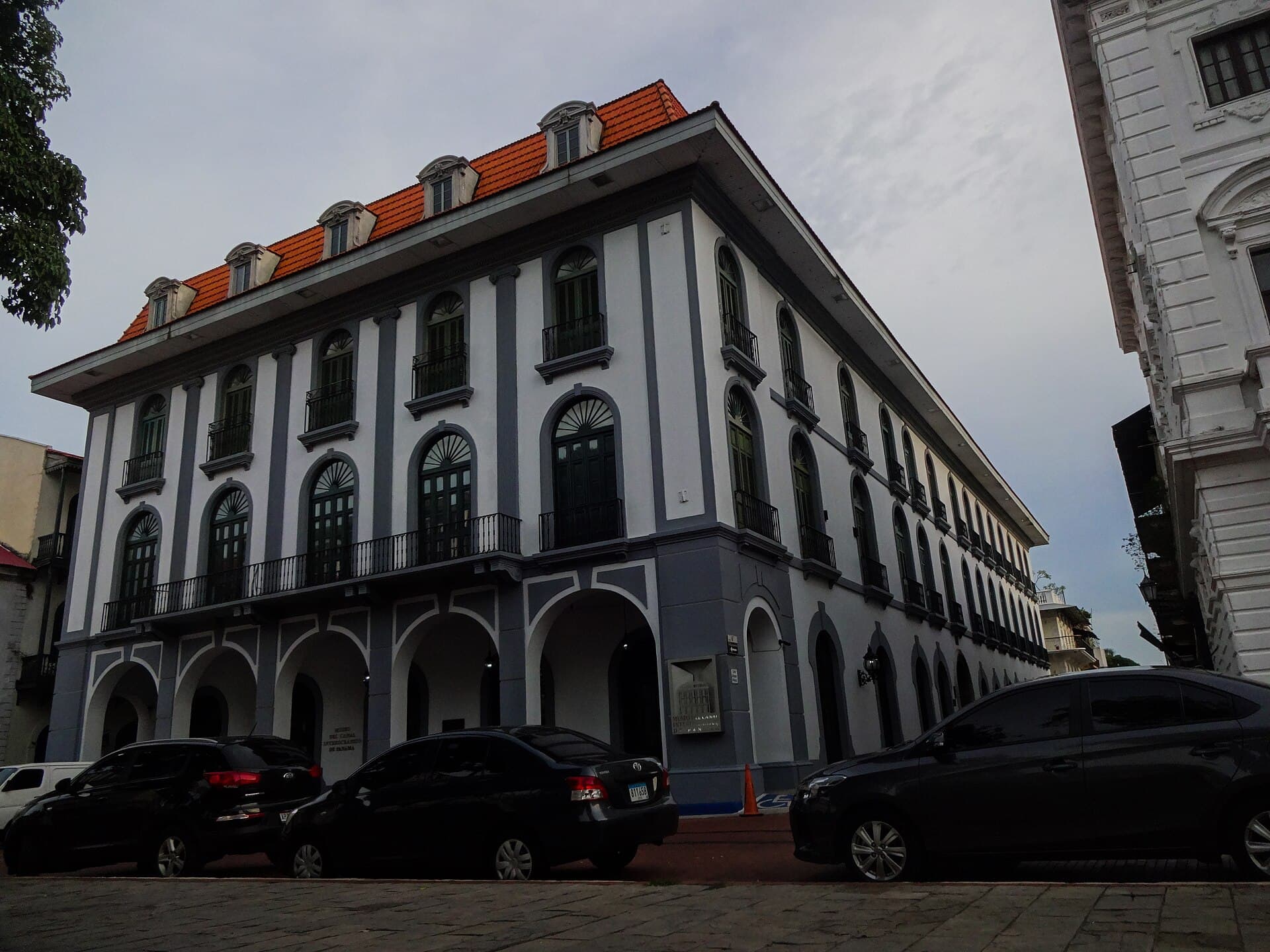 Panama Canal MuseumA museum in an elegant white building on the old quarter's main square, a grand 2 minutes walk4.5
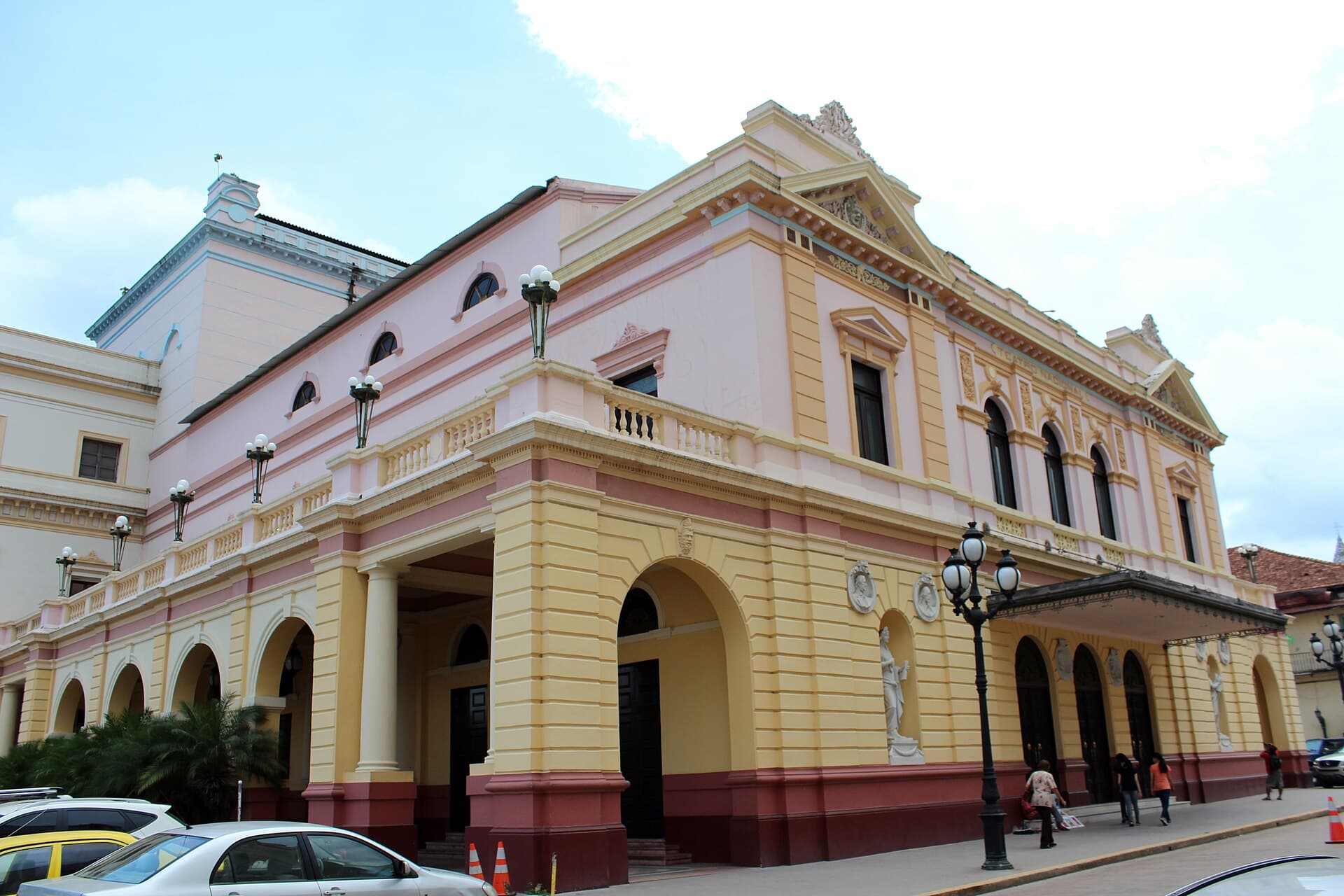 National Theatre of PanamaAn elegant neoclassical theatre in the heart of the old quarter, opened in 1908,4 minutes walk4.8
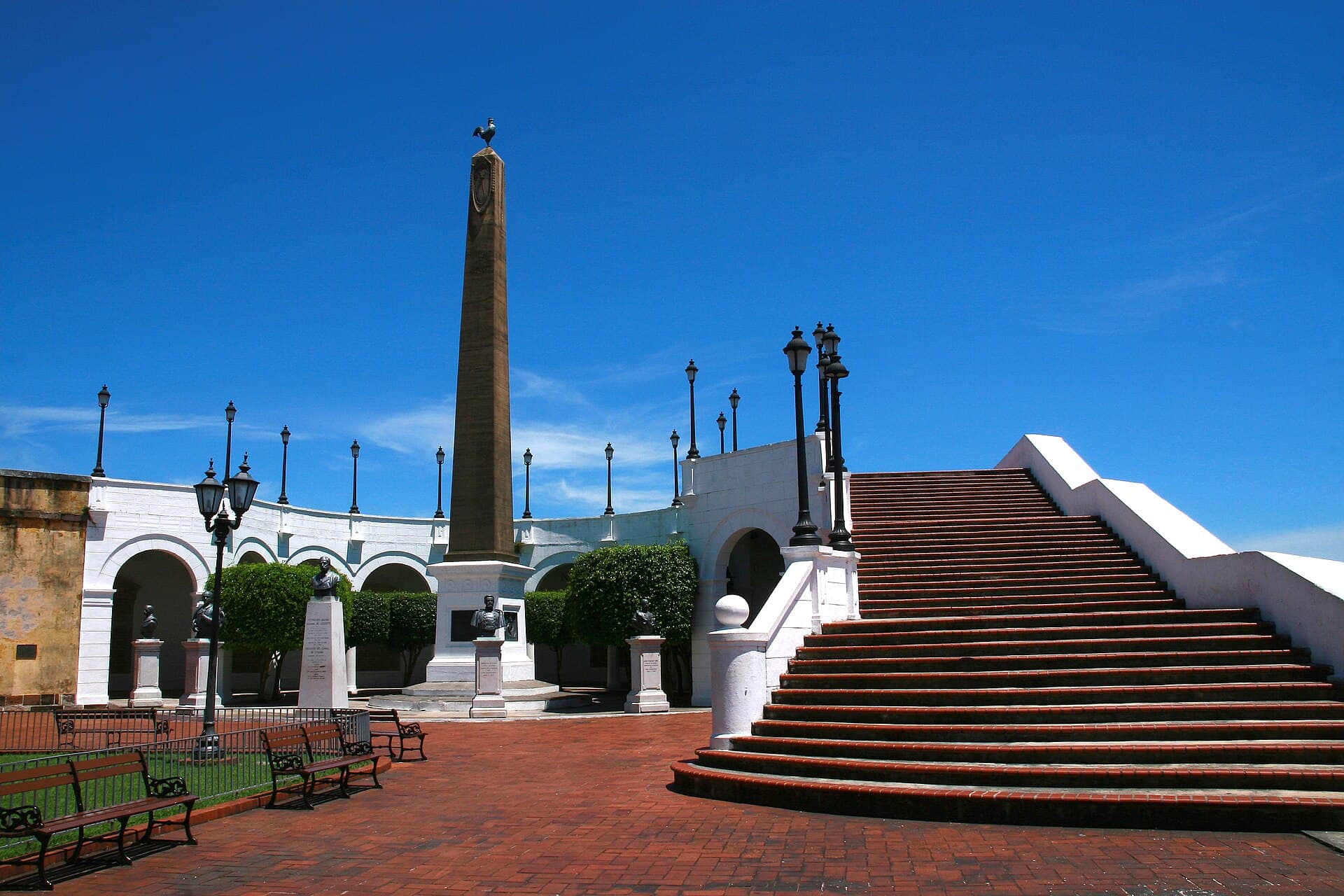 Plaza de FranciaAn elegant square at the far southern end of the old quarter, on the edge of the7 minutes walk4.7
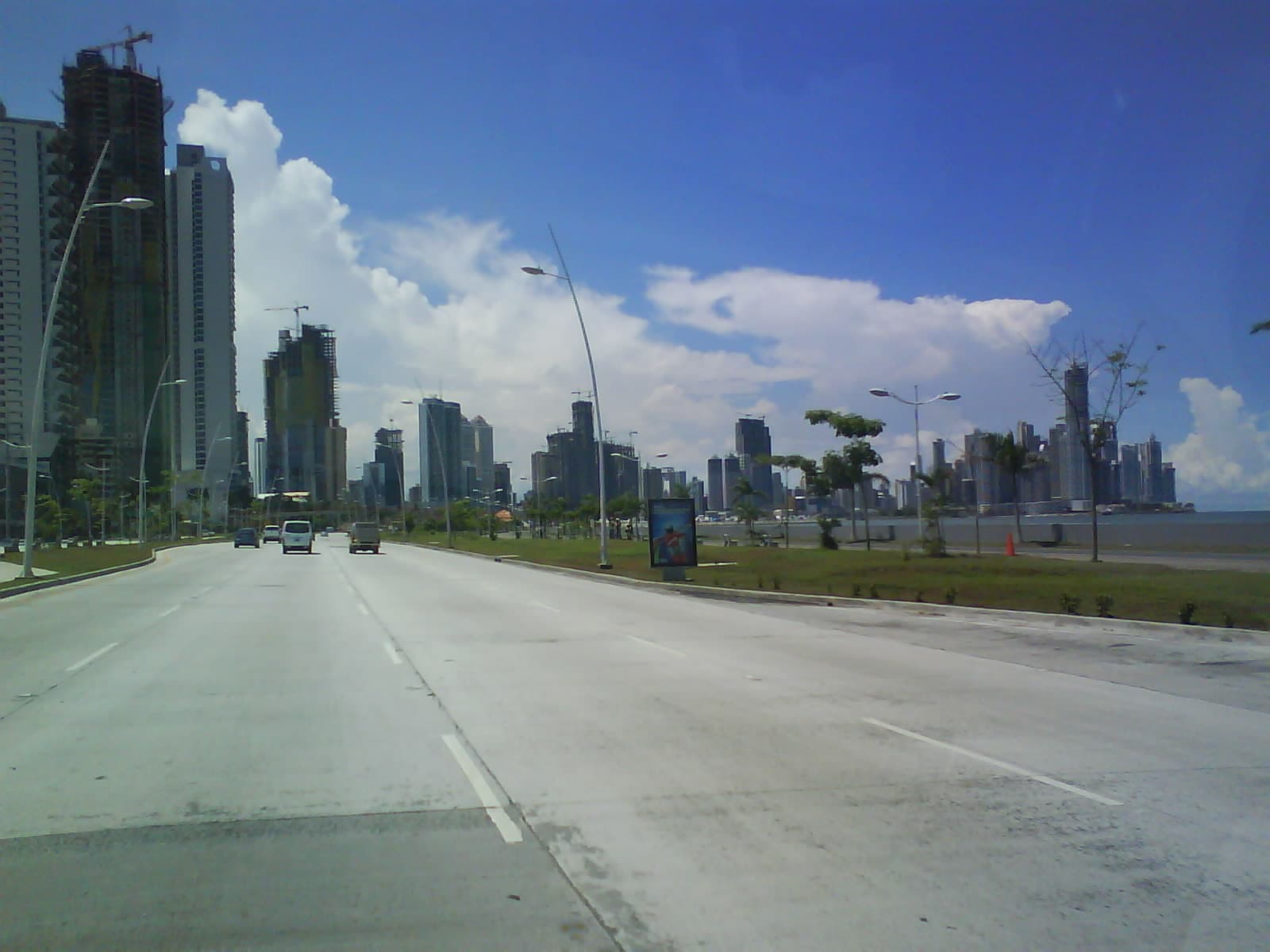 Cinta Costera WaterfrontA long modern waterfront on the Bay of Panama, built on land reclaimed from the 20 minutes walk4.4
Fairly safe by day with tourist police around, but avoid neighbouring districts at night and use registered taxis.