
The widest free view of Cambridge
From the top you take in King's College Chapel, Great St Mary's and the turrets of St John's in one sweep, with no tower ticket.
Myself. — CC BY 3.0 · Samuel Buck / Nathaniel Buck — Public domain · The Royal History of Eastern England. James Macdonald & Co, 1873. — Public domain · Peter S — CC BY-SA 2.0
William the Conqueror flattened around twenty-seven houses in 1068 to build a castle here, and what is left of it is a grassy lump roughly ten metres high. Not a wall, not a tower, not a single dressed stone in place: the masonry was carted off in the fifteenth and sixteenth centuries to build King's College and Trinity College Chapel, so the fortress that once intimidated Cambridge quietly became part of its university. That is the joke worth knowing before you climb. The mound sits on the highest ground of a resolutely flat city, north of the river on Castle Street, and a flight of steps set into its flank gets you to the top in under a minute. From there the whole town lays itself out: the pinnacles of King's College Chapel, the tower of Great St Mary's, the turrets of St John's, and the tiled roofs in between. It is the widest free view of central Cambridge, and better than any paid church-tower climb if what you want is the big picture rather than the detail. Underfoot are layers you cannot see: an Iron Age settlement, a Roman town, Edward I's stone castle with its round keep, then a gaol that kept using the old gatehouse until 1842, then a second prison pulled down in 1932 for the Shire Hall council offices. Those offices were leased in 2025 to a hotel group on a 250-year term for conversion into an apartment hotel, but the council has pledged to protect the mound and the Civil War earthworks beside it as a scheduled monument and to keep public access open. Be realistic: this is a viewpoint stop of fifteen to thirty minutes, not a castle visit. It is free, never shuts, and has no facilities or cafe. The steps are steep and the grass turns slick after rain, so pushchairs stay at the bottom and small children go up hand in hand. It slots best into a north-bank hour: ten minutes' walk from Magdalene Bridge, with Kettle's Yard and the Museum of Cambridge right next door, and in summer it repays waiting until close to sunset.
From the top you take in King's College Chapel, Great St Mary's and the turrets of St John's in one sweep, with no tower ticket.
The stone of William the Conqueror's and Edward I's castle was carted off in the fifteenth and sixteenth centuries to build King's College and Trinity Chapel.
Kettle's Yard and the Museum of Cambridge are steps away, so make the mound the finale of the walk near sunset.
Castle Street, Cambridge CB3 0AP
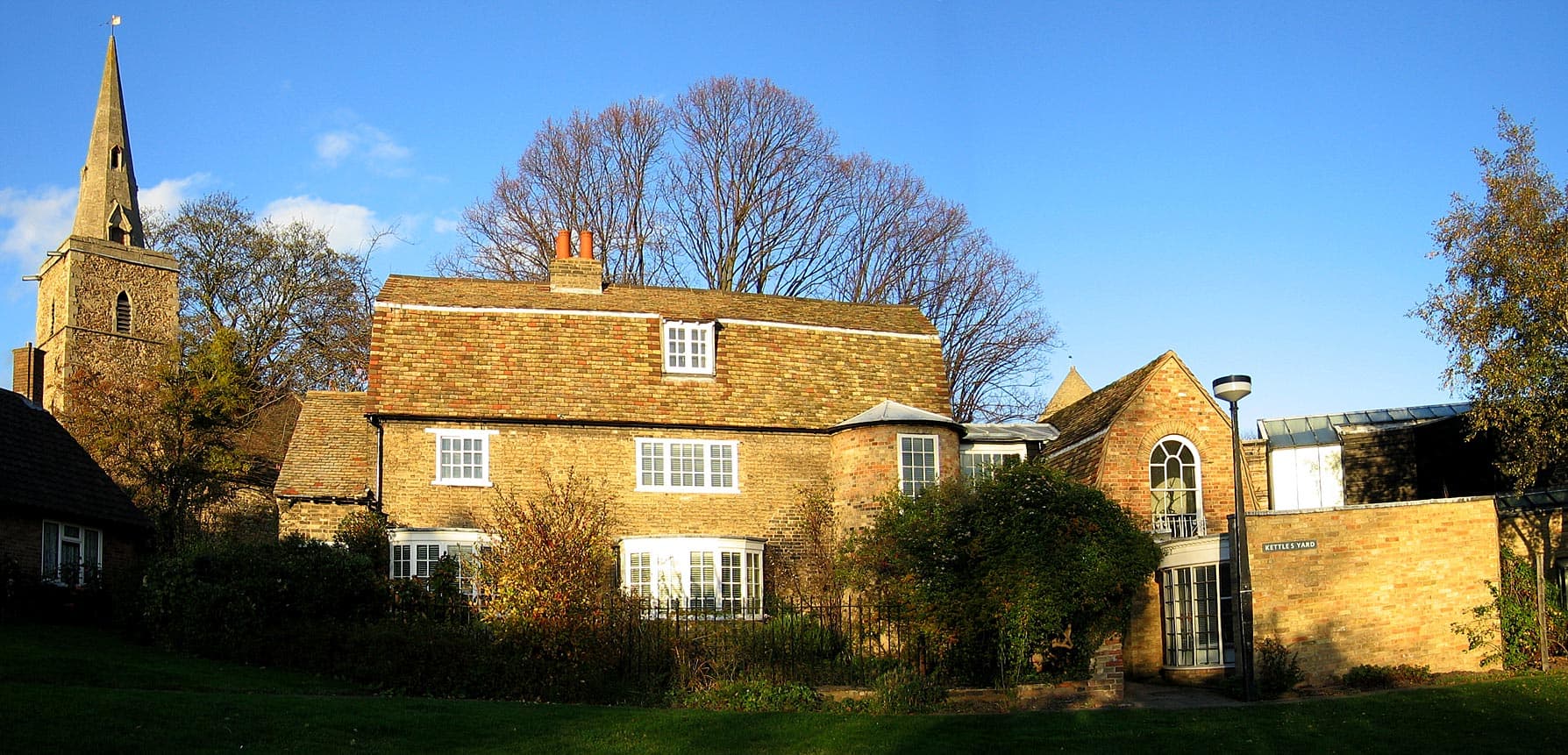 Kettle's YardOn a pewter dish in the sitting room sits a single lemon, replaced regularly for2 minutes walk4.7
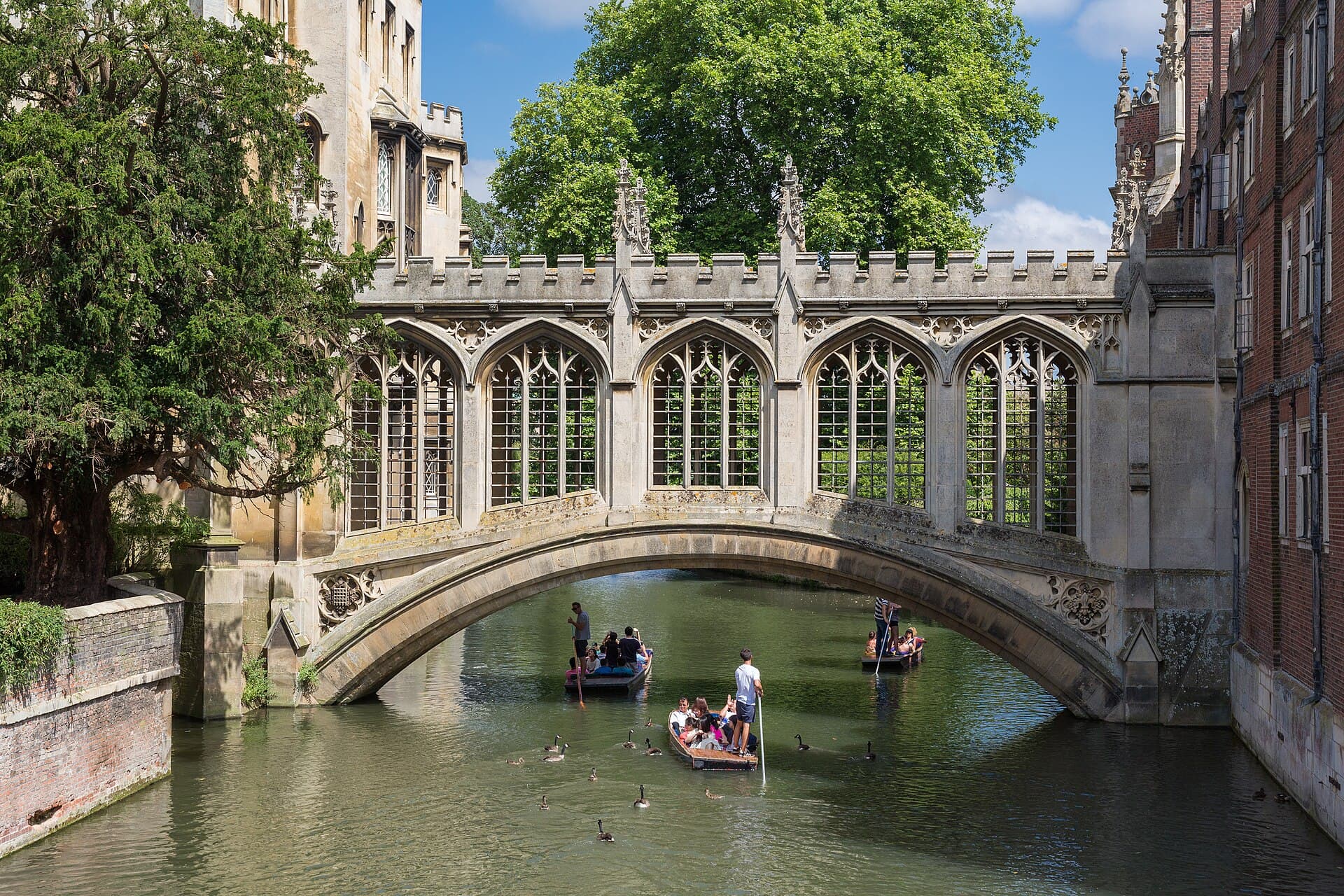 Bridge of Sighs (Cambridge)Cambridge's Bridge of Sighs shares exactly one trait with its Venetian namesake:5 minutes walk4.5
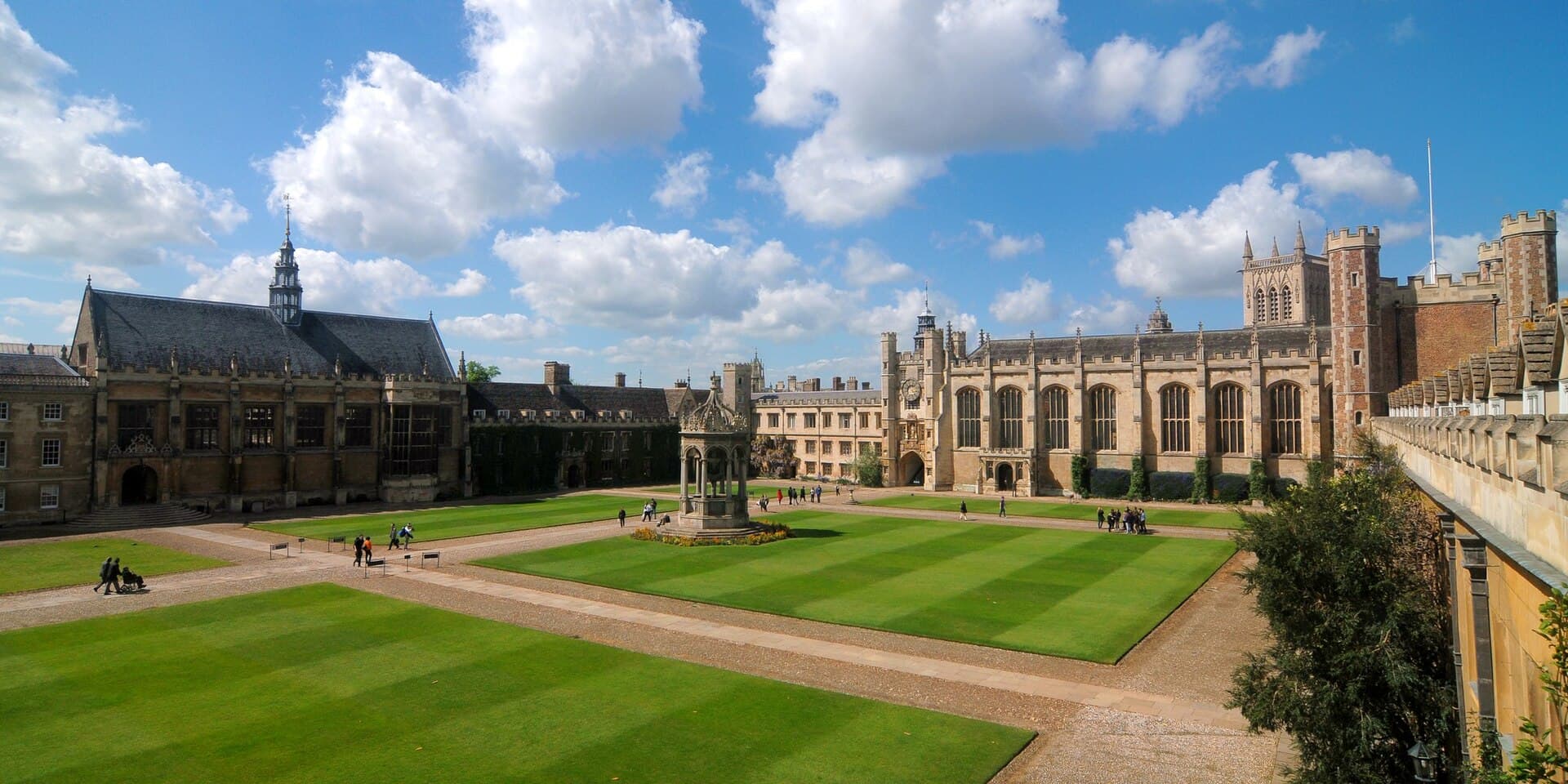 Trinity CollegeLook closely at Henry VIII above the Great Gate: in his right hand is a wooden c7 minutes walk4.9
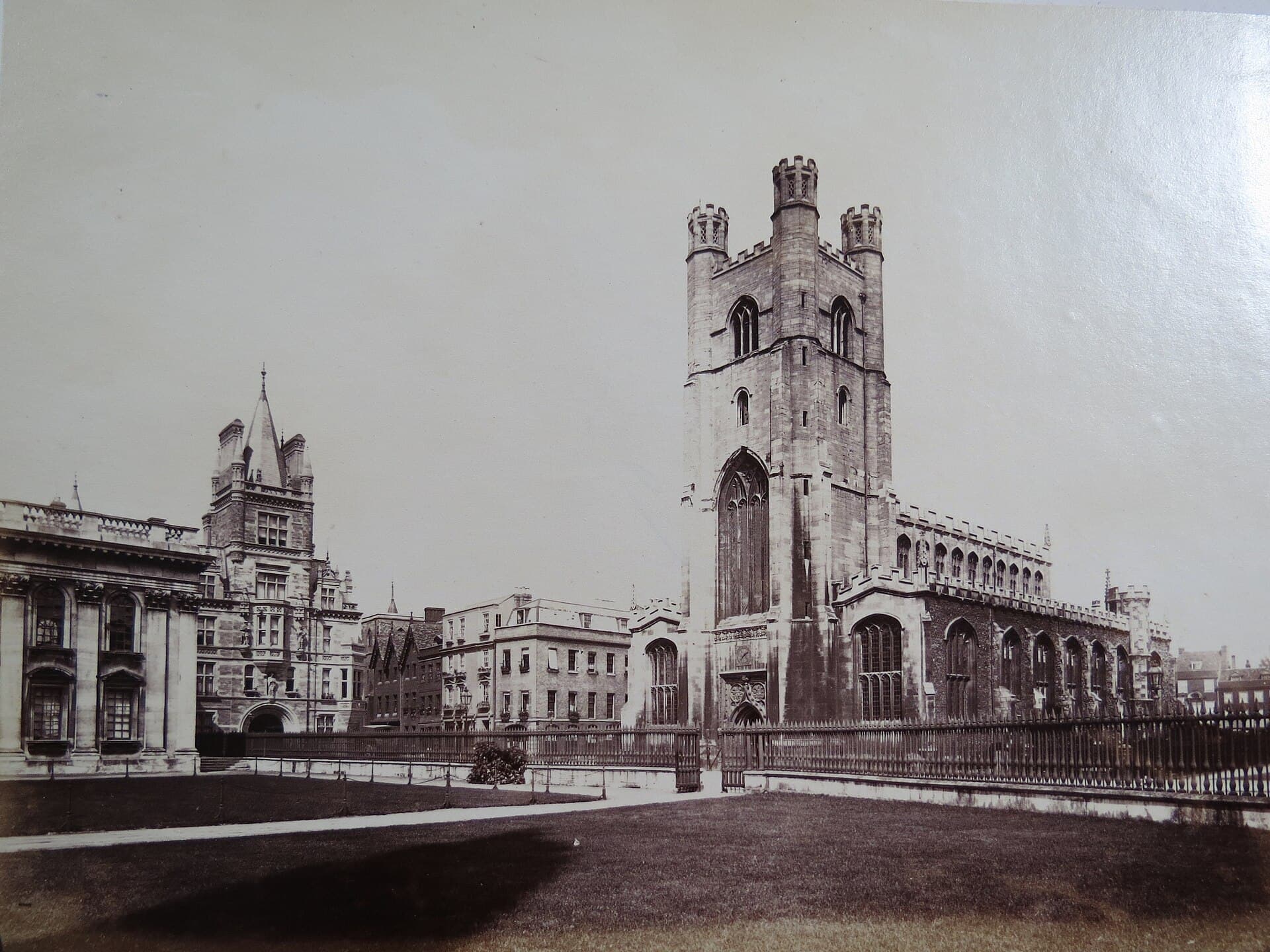 Great St Mary's ChurchThe tune the whole world knows as the Big Ben chimes was written for this tower,10 minutes walk4.7
 Cambridge Market SquarePeople have been buying and selling on this patch of ground since Saxon times, c10 minutes walk4.4
If you have half a day in Cambridge, stick to the colleges and the river; the mound is not a castle to explore, just a grass hill with steps. With children it works as a free ten-minute scramble and a run around the top on a dry day, but the steps are steep, pushchairs cannot go up, and there are no facilities on site.
Yes. The lease exchanged in June 2025 covers the Shire Hall buildings and their annexes, and the council has pledged to protect the mound and the Civil War earthworks as a scheduled monument and to keep public access. You may find building works in the neighbouring blocks through 2026 and beyond, but the climb remains free and accessible as before.