
The Empúries rooms
Mosaics and sculpture from the Greek colony on the Costa Brava; the Asclepius on show is a replica, the original having returned to the site in 2008.
Didier Descouens — CC BY-SA 4.0 · Friviere — CC BY-SA 4.0 · Friviere — CC BY-SA 4.0 · Friviere — CC BY-SA 4.0
On the lower slope of Montjuïc, the Archaeology Museum of Catalonia occupies a hall built for the 1929 Exposition. It covers the region from prehistory through the Phoenicians, Greeks and Iberians to the Romans and Visigoths — a Catalan government museum where queues are rare. Empúries, the Greek and later Roman port on the Costa Brava, is another venue of the same museum, and much of its excavation material is here. The Asclepius statue is not: the original went back to Empúries in 2008 and a replica stands here. The museum is better known for the Iberian treasure of Tivissa and the Visigothic crowns of Torredonjimeno. Be honest before going: the display is old-fashioned, labelling mainly Catalan and Spanish with patchy English. On a three-day trip it will not make the list — MNAC, the national art museum, is minutes uphill and far stronger, and for Roman Barcelona the excavation under Plaça del Rei is more striking. It suits people who like archaeology, or who plan to visit Empúries and want context first. Entry is cheap, ninety minutes is plenty, and it fits a Montjuïc day.
Mosaics and sculpture from the Greek colony on the Costa Brava; the Asclepius on show is a replica, the original having returned to the site in 2008.
The museum's signature pieces, alongside the prehistory, Iberian and Balearic Island rooms.
An old exhibition hall on the Montjuïc slope near the Teatre Grec and the dance centre.
Passeig de Santa Madrona 39-41, Parc de Montjuïc, 08038 Barcelona
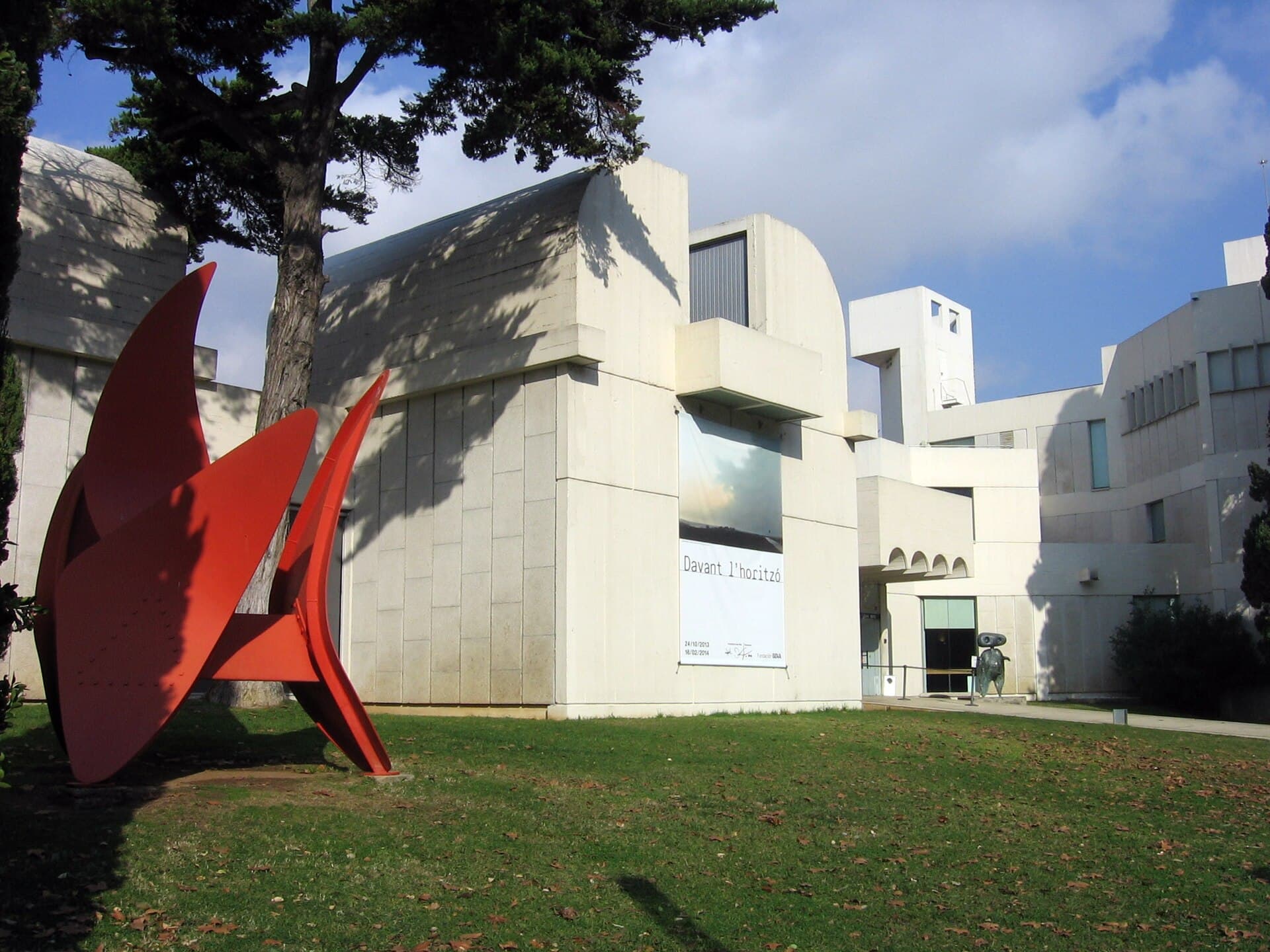 Fundació Joan MiróThe Miró Foundation on Montjuïc's shoulder is home to the twentieth century's mo3 minutes walk4.4
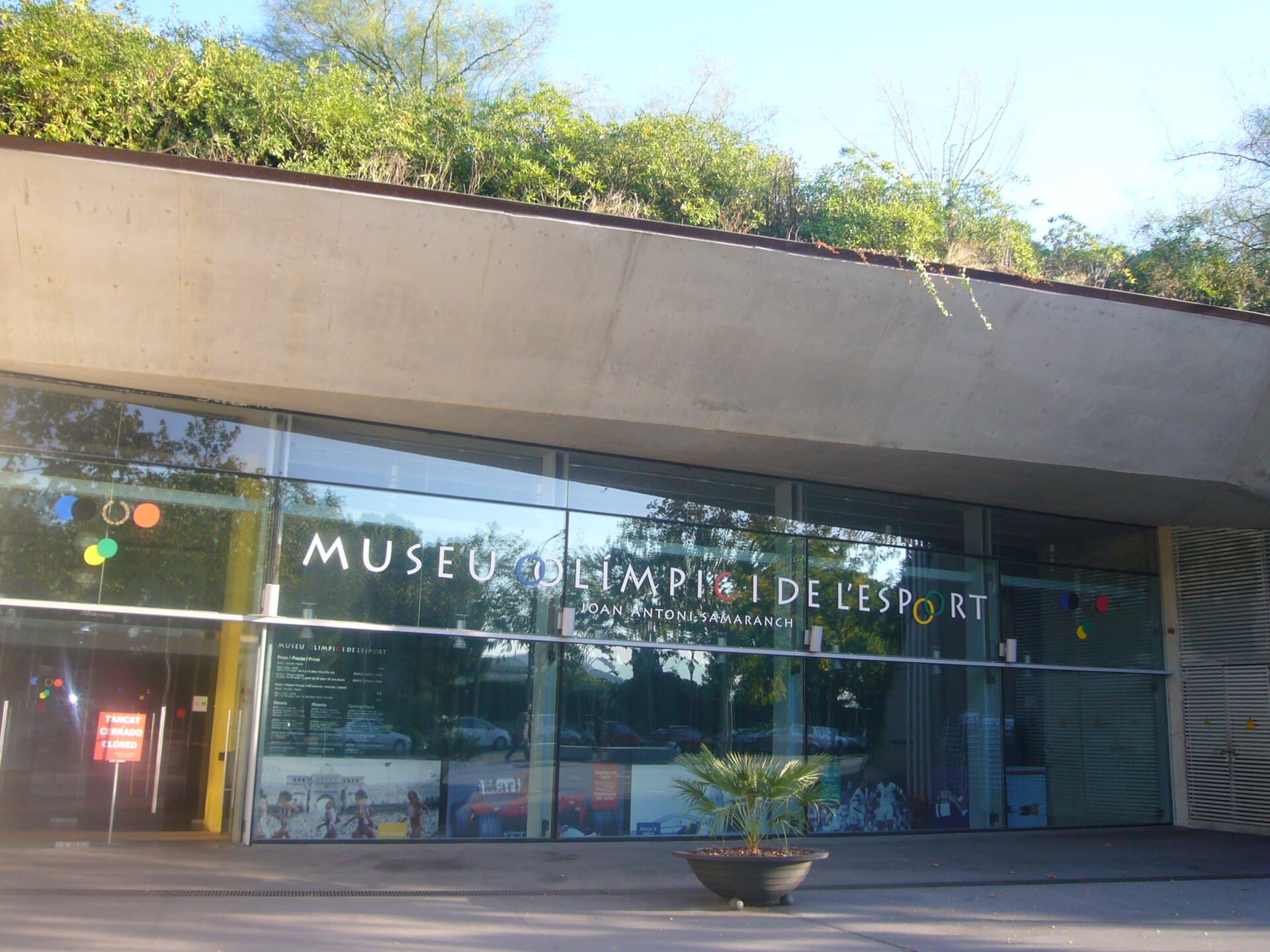 Olympic and Sports MuseumA museum of sport and the Olympic movement on Montjuïc hill, directly opposite t5 minutes walk4.3
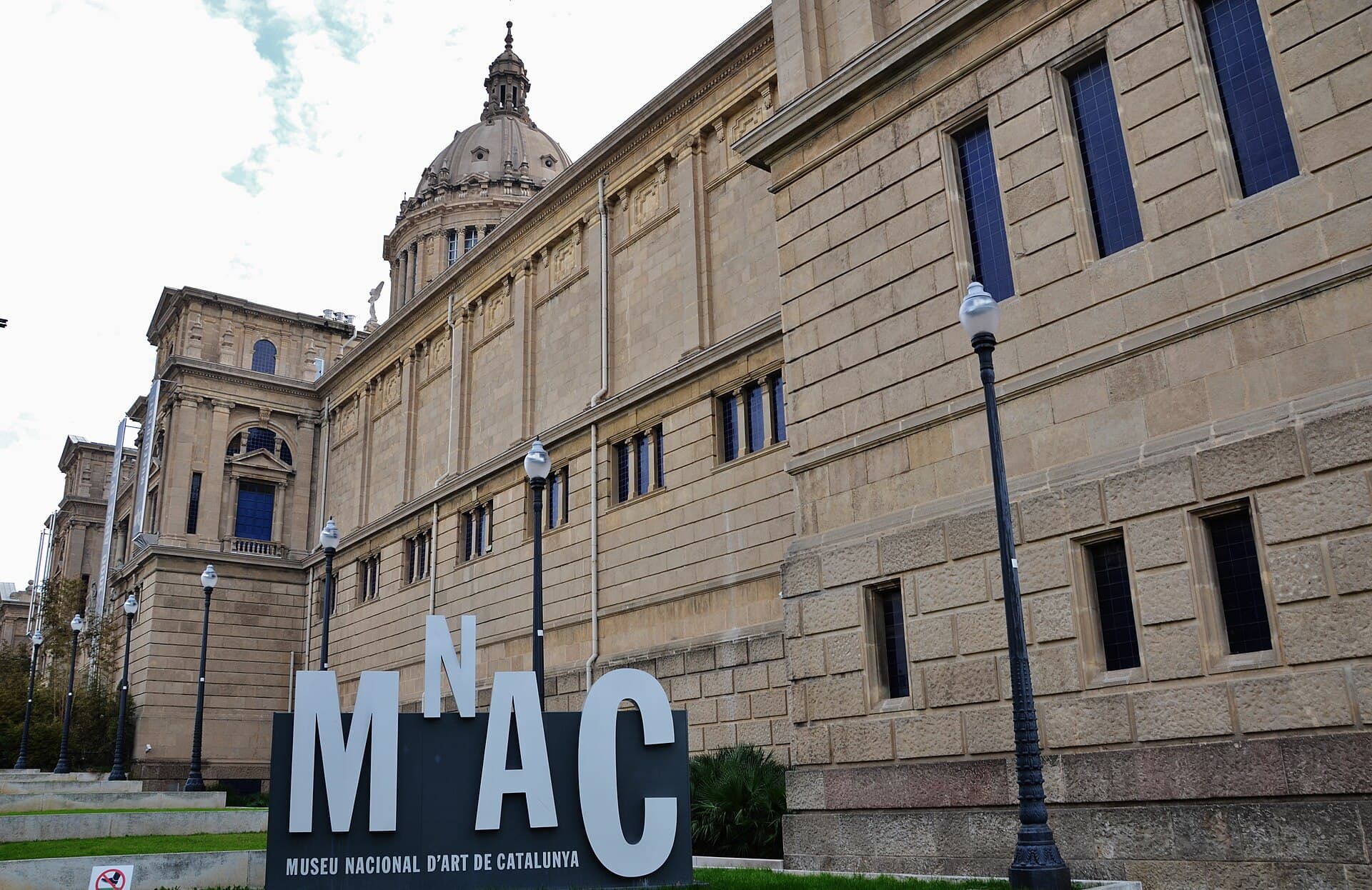 MNAC — National Art Museum of CataloniaThe National Palace atop Montjuïc's steps is Barcelona's most imperial façade: b5 minutes walk4.9
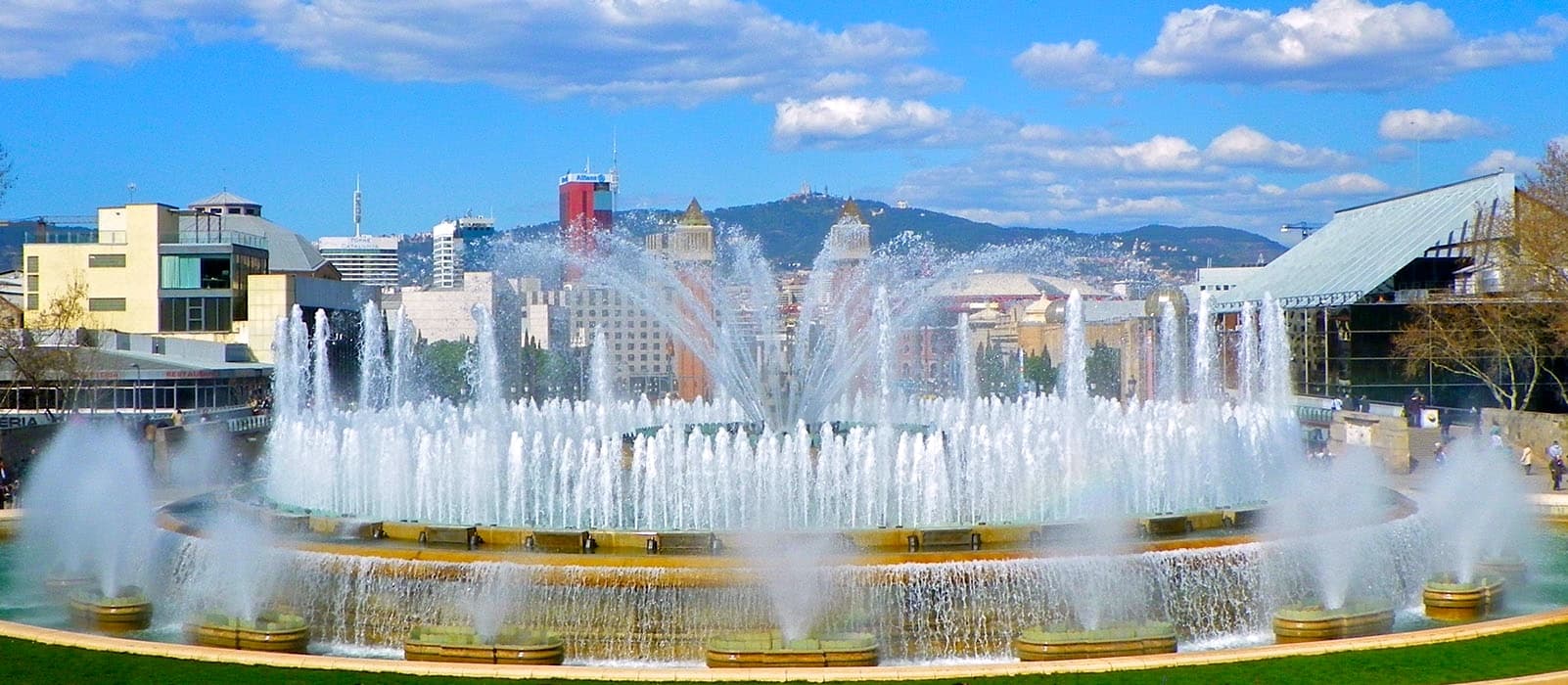 The Magic FountainThe Magic Fountain at the foot of Montjuïc's palace has been Barcelona's nightti7 minutes walk4.7
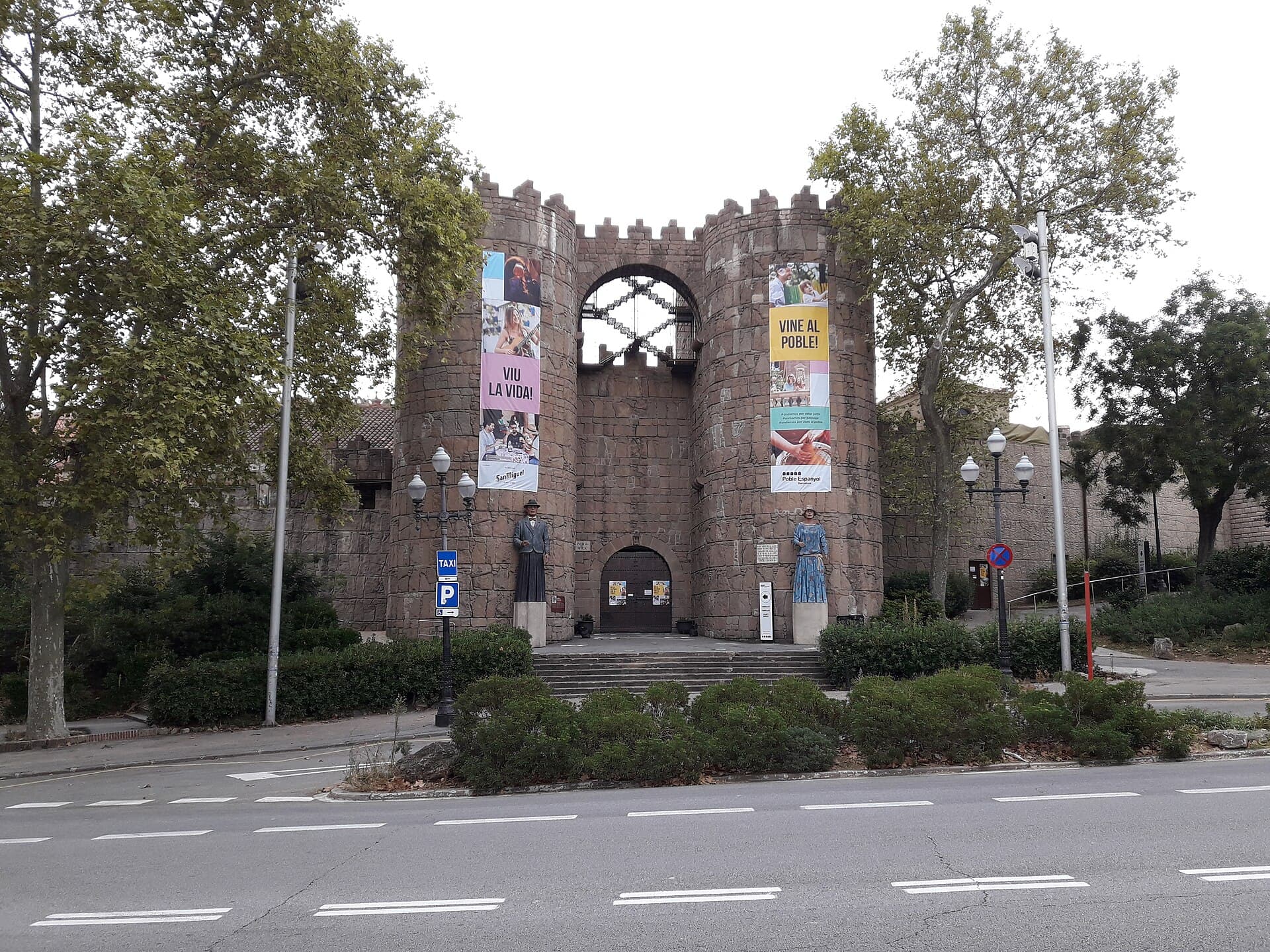 Poble Espanyol (Spanish Village)The Poble Espanyol is a 1929 Exposition idea that refused to die: all Spain in o12 minutes walk4.1
The nearest Metro is Poble Sec on L3, then about ten minutes uphill along Passeig de Santa Madrona. Alternatively walk down from MNAC if you are already on Montjuïc, or use Espanya on L1 and L3 for a longer approach. The route climbs, so allow for that on a hot day.
Honestly, no. On three or four days the Sagrada Família, Park Güell, MNAC and the Picasso Museum will all come first. It makes sense on a longer stay, for anyone with a real interest in archaeology, or for travellers planning to visit the Empúries site who want the context beforehand.
Catalan and Spanish are the main display languages, and English exists but is not complete across every room. A camera-translation app on your phone solves it in practice, and most objects read well enough from their form and context without reading every panel.