
The 1992 Games
The section explaining how the Games remade Barcelona's waterfront and its image abroad.
Jordiferrer — CC BY-SA 3.0 · Felix König — CC BY 3.0 · Ritabarrachina — CC BY-SA 3.0 es · Xavier Dengra — CC BY-SA 4.0
A museum of sport and the Olympic movement on Montjuïc hill, directly opposite the Olympic stadium. It carries the name of Joan Antoni Samaranch, the International Olympic Committee president under whom the Games came to his own city. The display mixes the history of the Olympic movement with interactive stations measuring reaction, balance and the like, which makes the visit more active than you would expect from a subject that is archival at heart. The section on the 1992 Games is the part closest to the city itself, because those Games remade Barcelona's waterfront and its image abroad. The real value comes from the setting rather than the museum alone. You are in the middle of the Olympic complex, with the stadium, the communications tower and the Montjuïc gardens minutes away. It is a stop within a Montjuïc day rather than a reason to come up the hill. Come by cable car or by Metro and escalator, and pair it with the National Art Museum of Catalonia and the Miró Foundation on the same day.
The section explaining how the Games remade Barcelona's waterfront and its image abroad.
The whole Olympic complex surrounds you, with the stadium steps from the museum door.
Combine it with the National Art Museum of Catalonia and the Miró Foundation, all on the same hill.
Avinguda de l'Estadi 60, Montjuïc, Barcelona
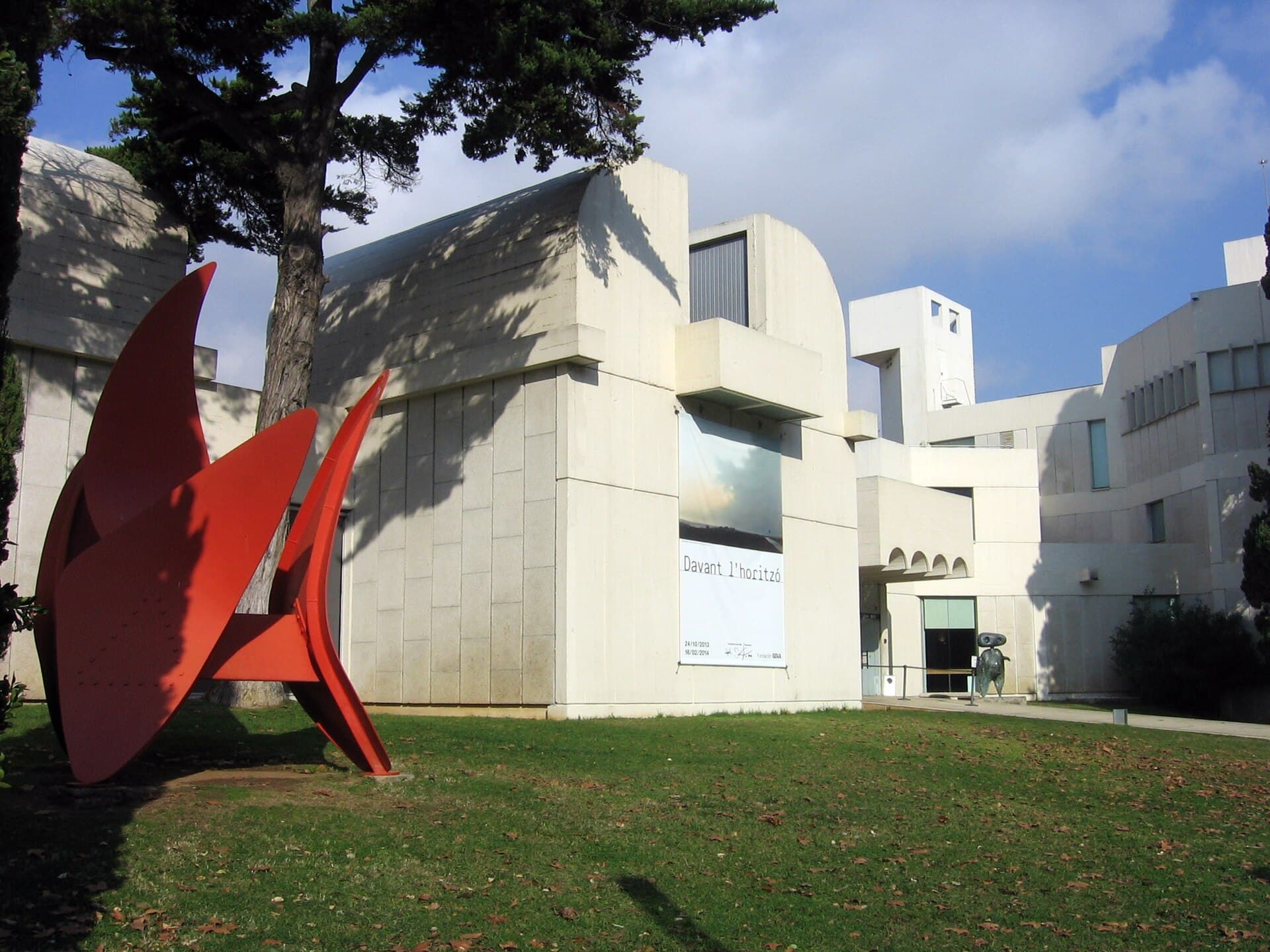 Fundació Joan MiróThe Miró Foundation on Montjuïc's shoulder is home to the twentieth century's mo4 minutes walk4.4
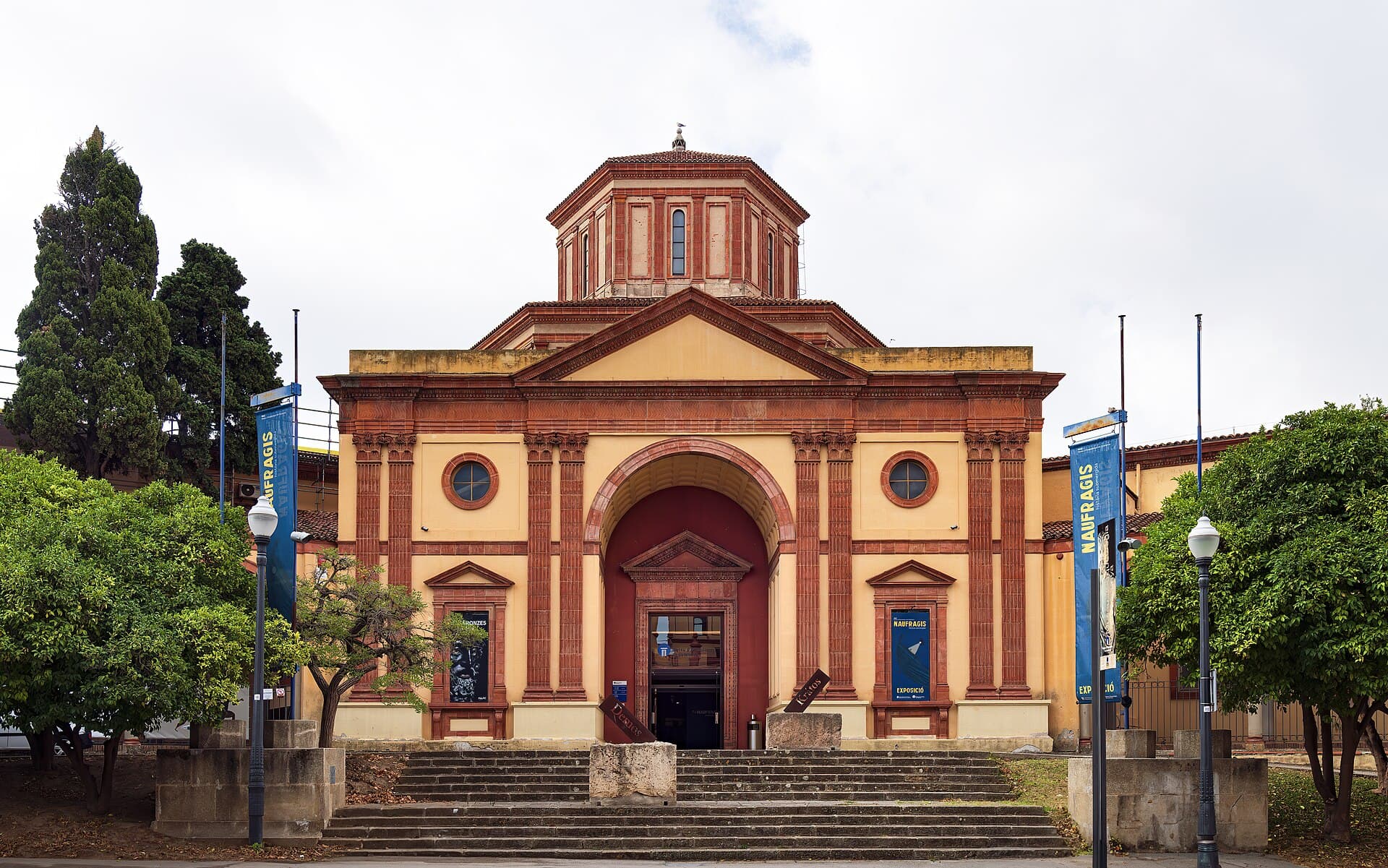 MAC — Archaeology Museum of CataloniaOn the lower slope of Montjuïc, the Archaeology Museum of Catalonia occupies a h5 minutes walk4.4
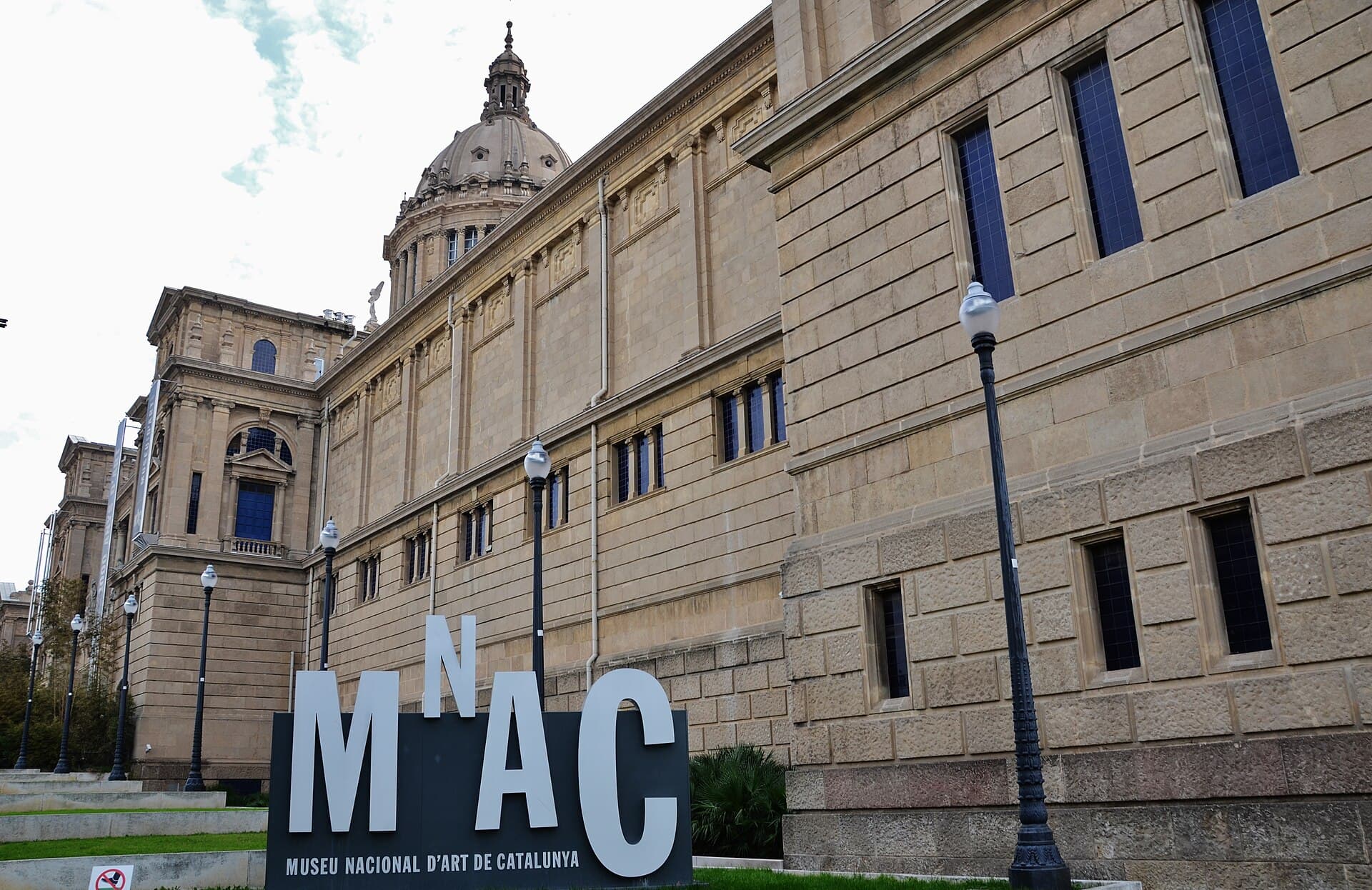 MNAC — National Art Museum of CataloniaThe National Palace atop Montjuïc's steps is Barcelona's most imperial façade: b5 minutes walk4.9
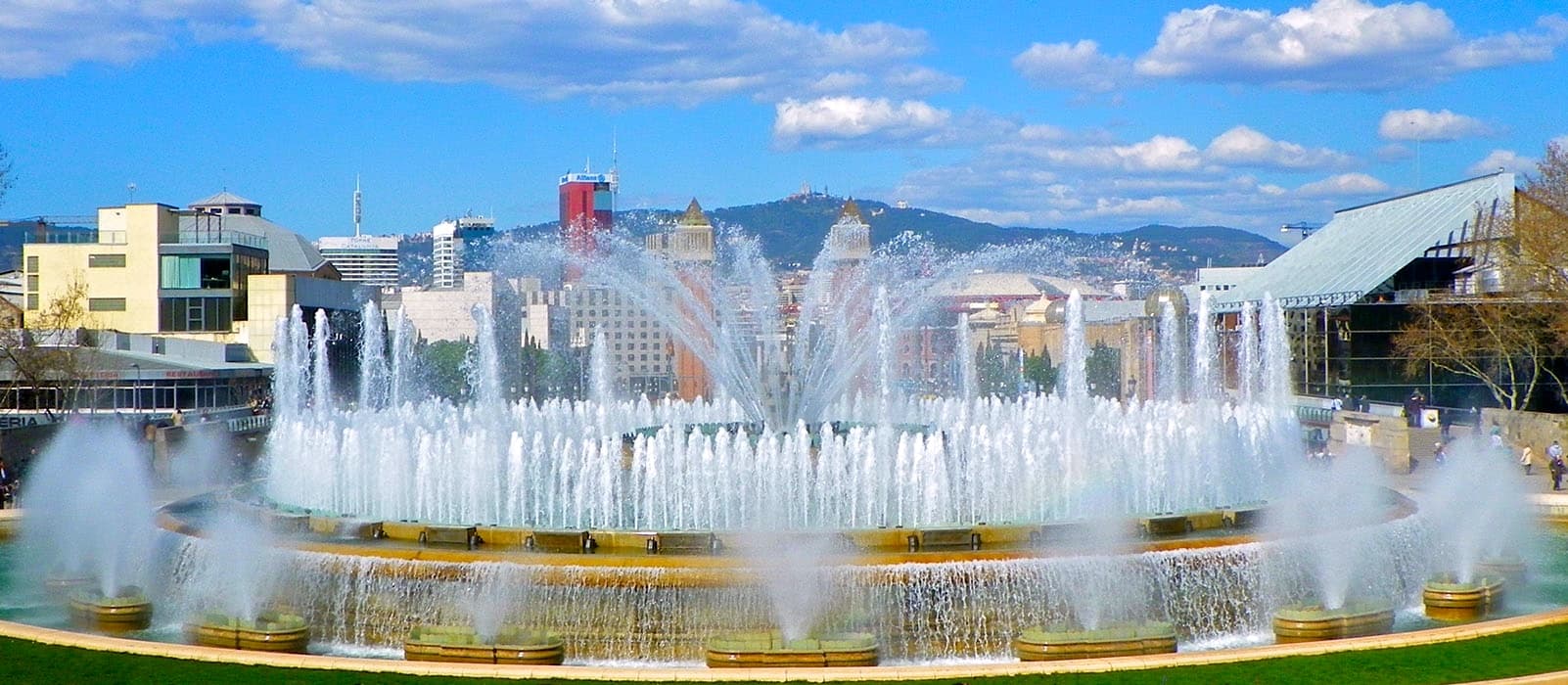 The Magic FountainThe Magic Fountain at the foot of Montjuïc's palace has been Barcelona's nightti9 minutes walk4.7
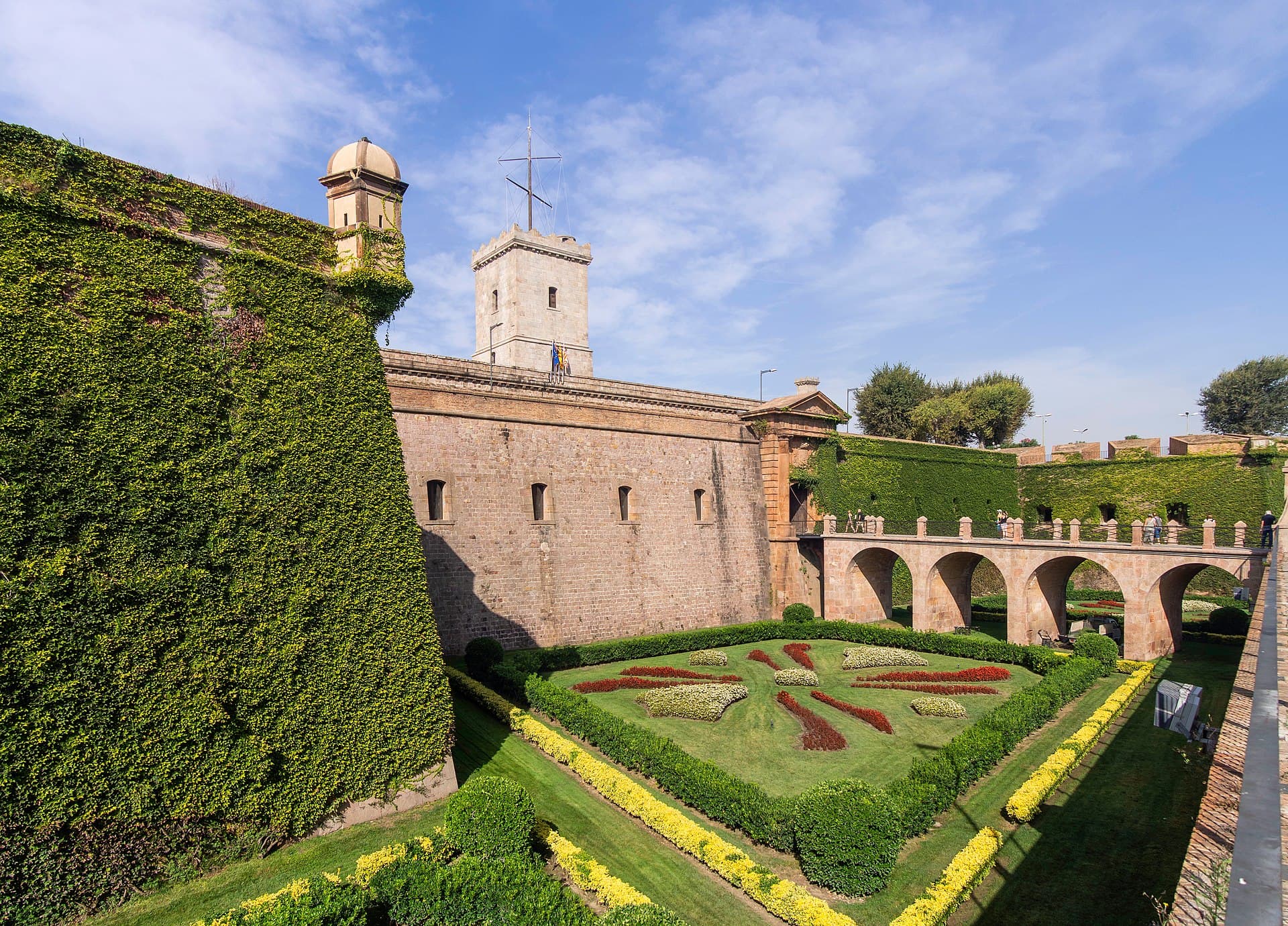 Montjuïc CastleMontjuïc Castle crowns Barcelona's seaside mountain: a seventeenth-century star 10 minutes walk4.5
Moderately. The interactive stations make it fun for children, and the 1992 section explains the city's transformation, which interests any visitor. But if sport does not appeal at all, the National Art Museum of Catalonia on the same hill is far stronger.
Several ways: the cable car from the port or from Paral·lel, or the Metro to Espanya and then the escalators up. The cable car gives the better view but costs more and queues in season.