
The 1905 spires
Neo-Gothic at 84 metres — Brno's first picture.
Michal Klajban — CC BY-SA 3.0 · Mathias Krumbholz — CC BY-SA 3.0 · Cayambe — CC BY-SA 4.0 · Cayambe — CC BY-SA 4.0
'Petrov' on its hill: Brno's cathedral with 84-metre Neo-Gothic twin spires (1905) is the city's first picture — and the Czech ten-crown coin carries it in every citizen's pocket. The base is centuries older: a Romanesque crypt visits beneath the altar, the interior Baroque with a story turned backwards. Its immortal quirk is 'noon at eleven': the bells have rung midday an hour early since 1645 — the Swedish siege's commander swore withdrawal if Brno hadn't fallen by his final day's noon, so the bell-ringer advanced noon a full hour and the army withdrew, bound by oath: a city saved by a bell-stroke — the tradition daily to this moment. The spires climb (stairs — the view meeting Špilberk as equal to equal) — and below is quiet Petrov quarter with the overlooking Denis Gardens: Brno's truest sunset corner.
Neo-Gothic at 84 metres — Brno's first picture.
The founding centuries beneath the Baroque — the city in layers.
Petrov 9, 602 00 Brno
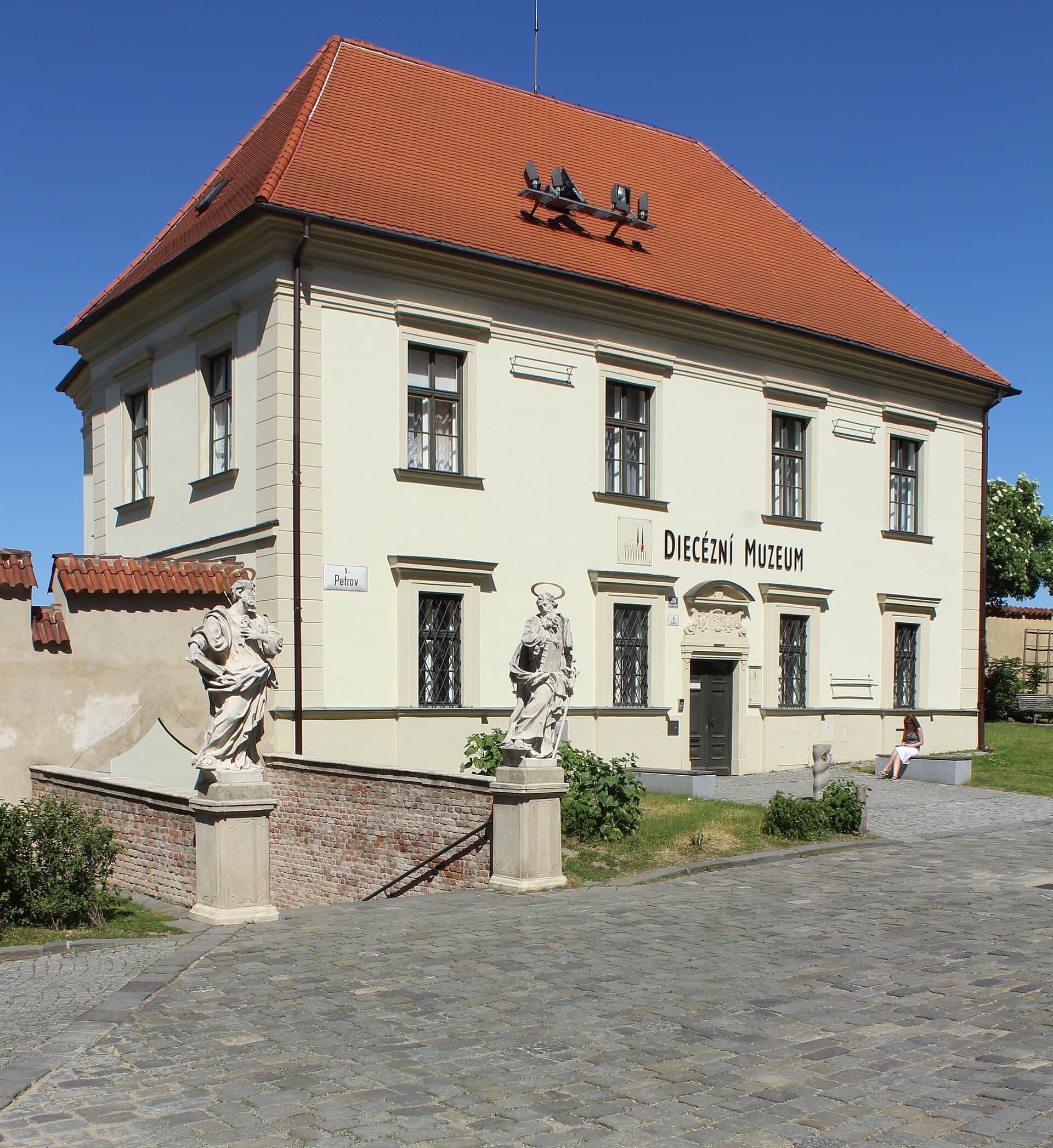 Diocesan Museum, BrnoThe sacred art museum of the Brno diocese, on Petrov hill beside the cathedral t1 minute walk4.5
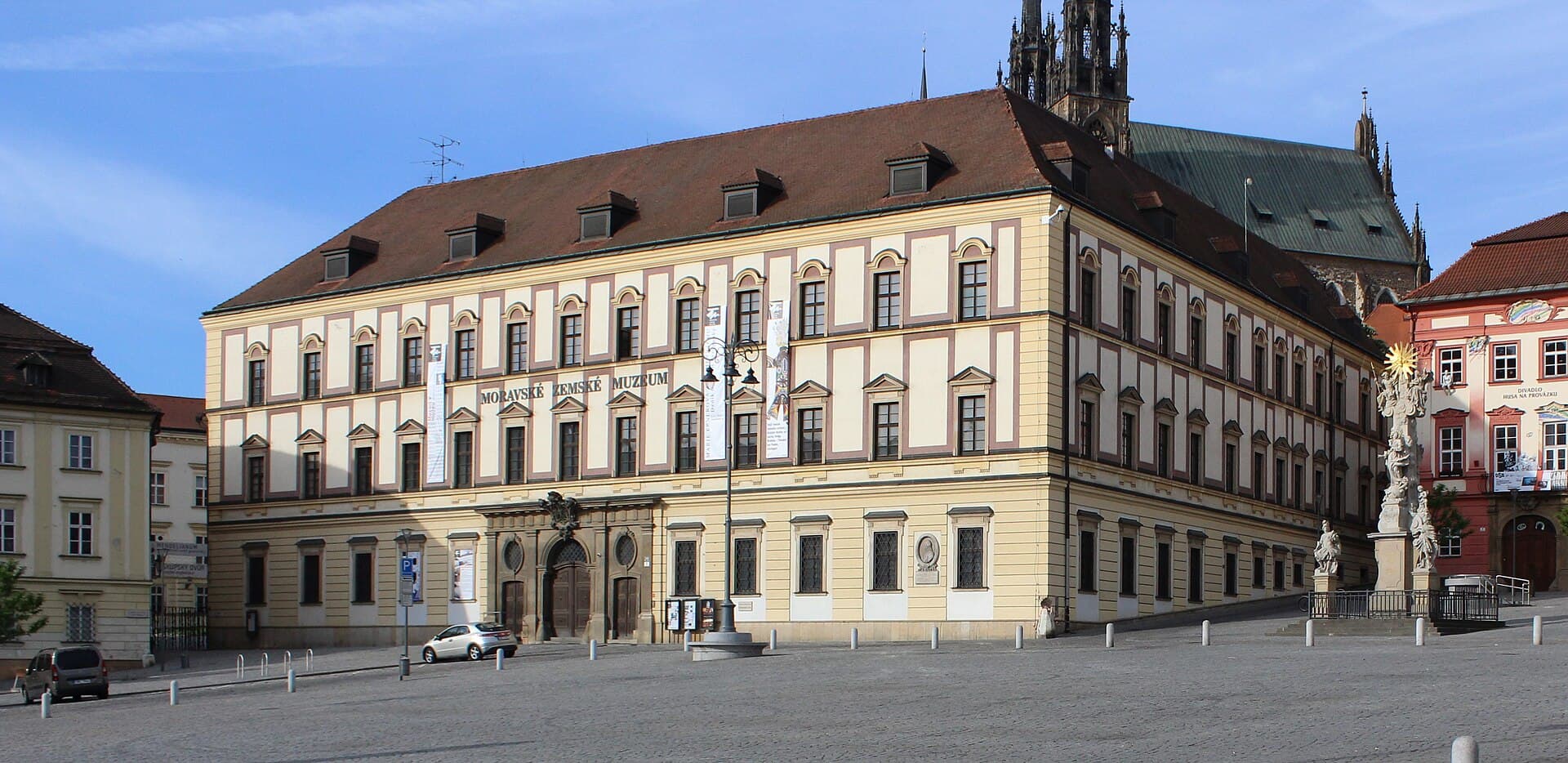 The Moravian MuseumCzechia's second museum in age and size (1817): the Moravian Museum in the Dietr1 minute walk4.6
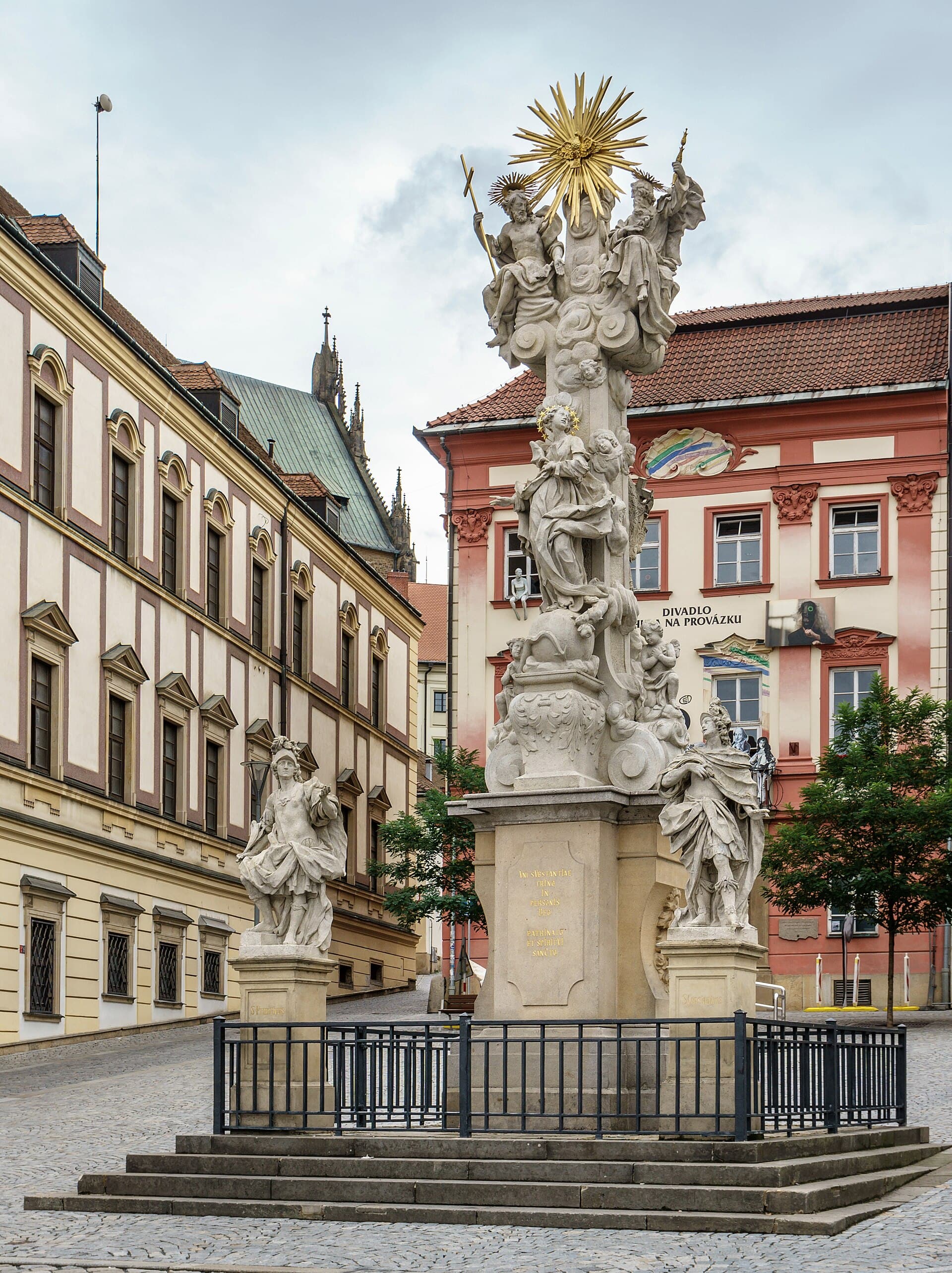 Holy Trinity Column, BrnoA baroque column on the vegetable market in old central Brno, raised in the earl2 minutes walk4.6
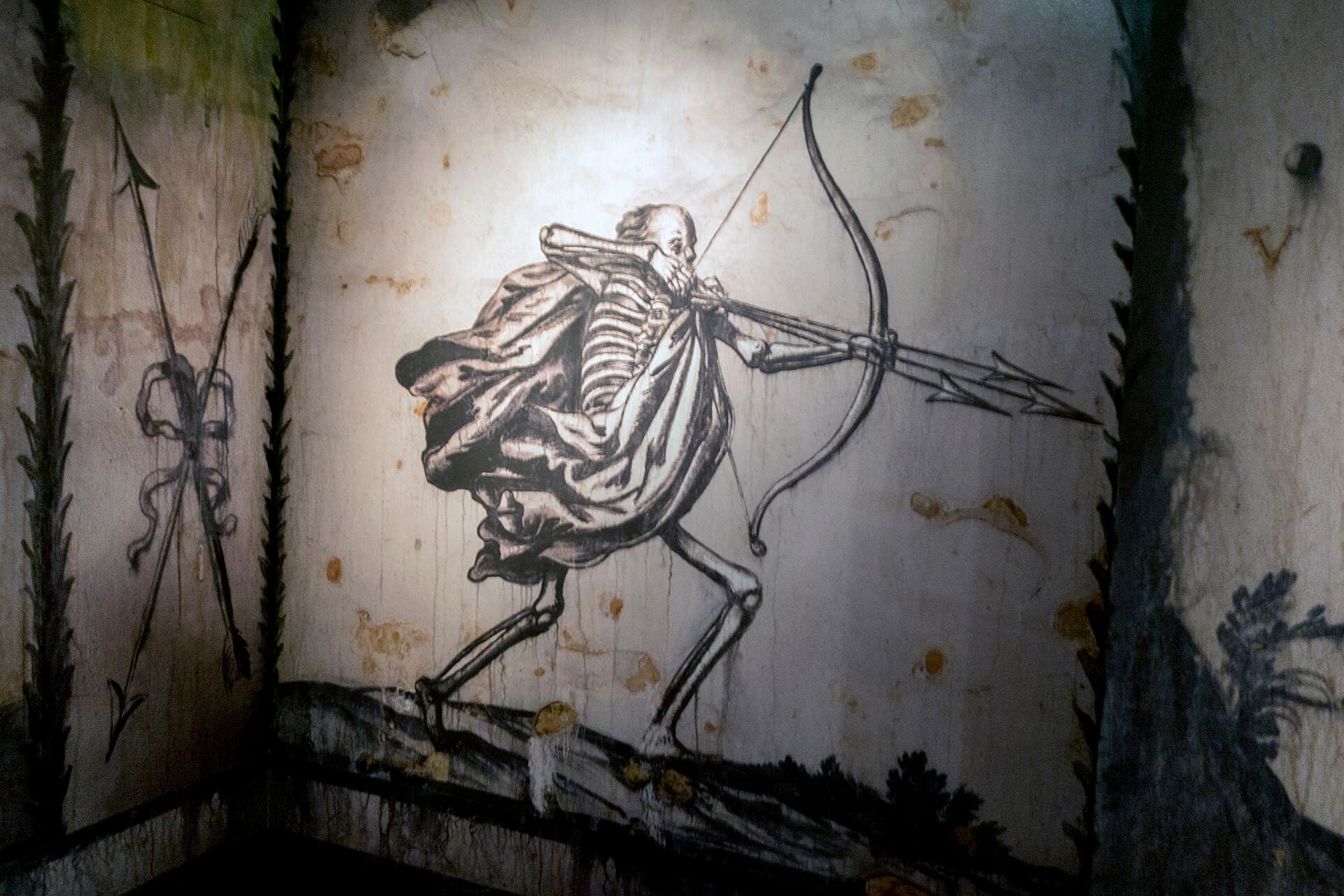 The Capuchin Crypt'As you are, we were — as we are, you will be': the crypt's famous greeting at i2 minutes walk4.7
 The Labyrinth under the Vegetable MarketA city beneath the city: the Vegetable Market, trading since the thirteenth cent3 minutes walk4.3
The siege is hard record: Europe's fiercest army (Sweden of the Thirty Years' War) failing before little Brno under General Souches — the bell tale is deathless folk narrative with no sworn document: history proves the stand, the tale explains it more beautifully — and the city chose the tale as daily tradition, and what a choice.
Complements, not rivals: Petrov sees Špilberk, the castle sees the spires — practically: Petrov is the shorter climb and tighter to the old town, fold it into the centre walk; Špilberk is its own hill outing. The serious photographer climbs Petrov at sunset, the castle wearing the gold light.