The great cloister and the cells
Each cell is a small two-storey house with its own garden, workshop and a hatch for food passed without a meeting.
Gianni Careddu — CC BY-SA 4.0 · Gianni Careddu — CC BY-SA 4.0 · Gianni Careddu — CC BY-SA 4.0 · Gianni Careddu — CC BY-SA 4.0
Twelve kilometres east of Pisa, in a narrow valley at the foot of Monte Pisano, stands a white facade grand enough for a prince's palace — built for men who had taken a vow of near-total silence. The Carthusians founded the charterhouse of Calci in 1366 and then rebuilt it through the 17th and 18th centuries in Baroque well beyond necessity: polychrome marble, frescoed church vaults, cloisters opening onto a garden and an octagonal fountain. The contradiction is the whole point of the visit. What stays with you is not the church but the great cloister. Around it run the monks' cells, and a cell here is not a room but a small two-storey house with its own door, its own garden, its own workshop and a hatch through which food was passed so that no one had to see anyone. The tour opens one of them. It also takes in the chapter house, the communal refectory, the old pharmacy where the monks made and sold medicines — one of the community's main sources of income — and finally the grand-ducal guest apartment, furnished and decorated for the rulers of Tuscany, which is to say for exactly the life the residents had renounced. The last two monks left in 1969, and the historic half became a state museum in 1972. One thing to settle before you buy anything: it is one building but two visits, with two separate tickets. The monumental half belongs to the Italian culture ministry and costs around EUR 5, but what that buys depends on the day. Tuesday to Friday you go in at a fixed slot with an accompanying guide included in the price. On Saturday and Sunday the same ticket gets you into the Court of Honour and the church only, with no timed slot, and the full circuit becomes a separately priced guided tour of about EUR 8 more. The other half houses the University of Pisa's Natural History Museum on its own, considerably dearer ticket (about EUR 15) — dinosaurs, an aquarium, and a gallery of whale skeletons the museum calls the largest in Europe. Travelling with children, the museum is what they will remember; interested in architecture and monastic history, the charterhouse alone is enough. Doing both swallows the whole day, which is a fair choice as long as you make it deliberately. The journey is easier than it looks. An Autolinee Toscane bus from Pisa (line 120 among them) reaches Calci in about thirty minutes; get off at the Rezzano Certosa stop and walk under ten minutes. A taxi does it in twenty. Monday is closed, entry slots shift between mornings and afternoons depending on the day, and booking ahead matters because places are limited — it is compulsory, by phone, for the weekday accompanied visits. Guided tours are given in Italian only, with English available for pre-booked groups alone, so do not assume it. The ground is mostly level with some steps, and the place is quiet and easy with children, but Calci is a small town with no halal options to speak of; plan lunch in Pisa on either side of the trip.
Each cell is a small two-storey house with its own garden, workshop and a hatch for food passed without a meeting.
Polychrome marble, frescoes and a lavish guest suite for the rulers of Tuscany — inside a monastery built on poverty and silence.
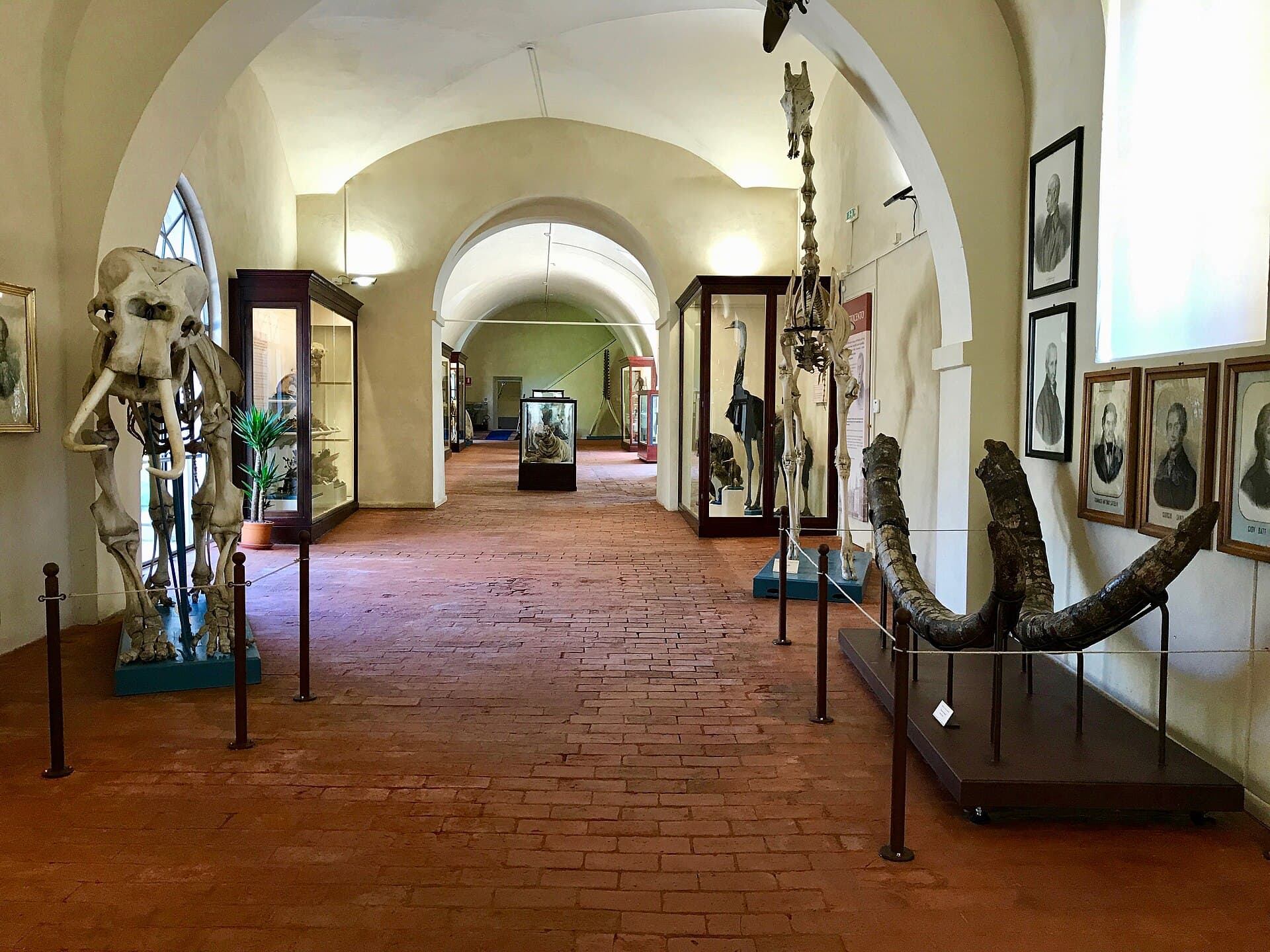
The historic half is an accompanied visit at fixed slots; the other half is a natural history museum of dinosaurs and whale skeletons — two separate visits.
Via Roma 79, 56011 Calci, Province of Pisa, Italy
No. They share a building but not an administration, and the tickets are entirely separate. The charterhouse is roughly EUR 5: Tuesday to Friday that is an accompanied visit at a fixed slot, while at weekends it covers only the Court of Honour and the church and the full circuit costs about EUR 8 more as a guided tour. The museum is about EUR 15 and opens daily 09:00-19:00. There is no combined ticket, and doing both takes the best part of a day.
No. If it is your only day, stay in the Piazza dei Miracoli and the city. Calci is a second-day reward: the bus, the fixed entry slot and the tour eat half a day, which is worth it only once you have seen Pisa itself.