Spice market
Khari Baoli.
User:आशीष भटनागर — Public domain · Deeporaj — CC BY-SA 4.0 · Juan Antonio Segal from Madrid, Spain — CC BY 2.0 · SimónK — CC BY-SA 4.0 · Ramesh lalwani — CC BY-SA 4.0 · Pinakpani — CC BY-SA 4.0 · Pecha tenzin — CC0 · Jakub Hałun — CC BY-SA 4.0
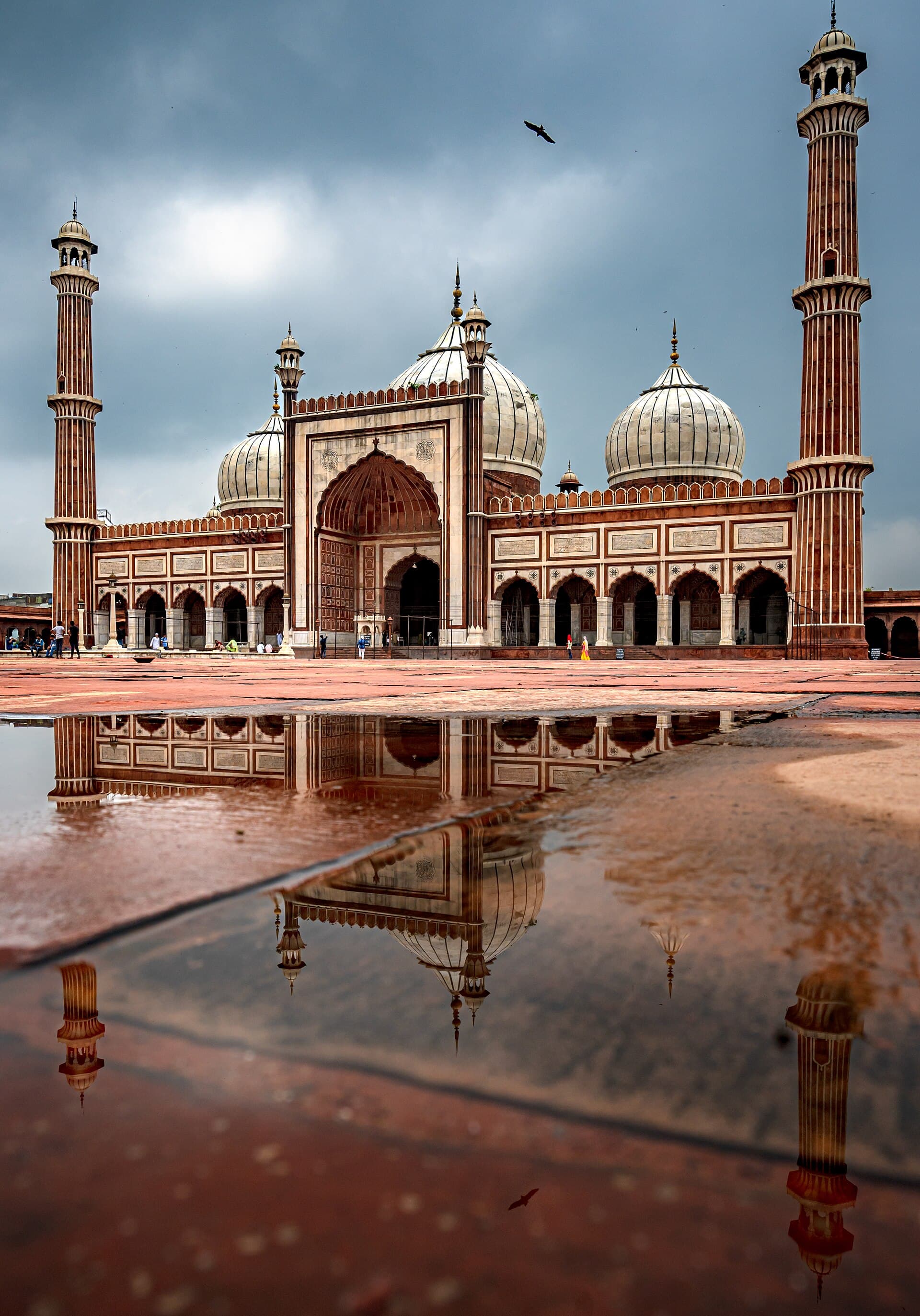
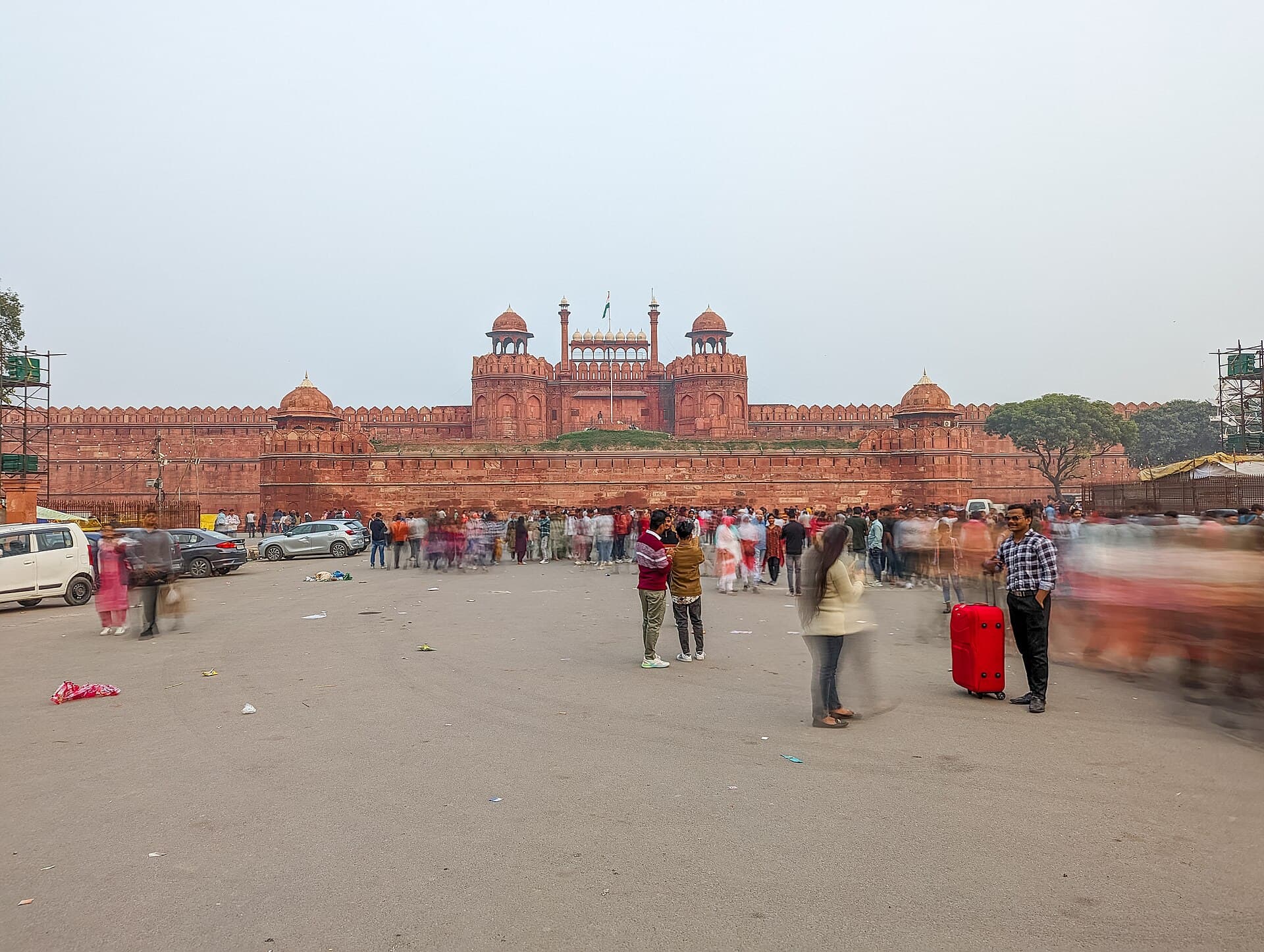
One of Delhi's oldest and busiest markets, built by Emperor Shah Jahan in 1650 and designed by his daughter, Princess Jahanara. Its name means «Moonlight Square», after the canals that once ran down it to reflect the moon, and the Red Fort stands at its eastern end. Narrow specialist lanes branch off the main street, each with its own trade: fabrics and saris, silver and jewellery, spices in Khari Baoli, one of the largest spice markets in Asia, and books, perfumes and sweets. It is heaven for street-food lovers, from fried stuffed breads and Indian sweets to kebabs, and the lanes around the Jama Masjid hold famous halal Mughlai restaurants. The main street now has renovated pedestrian walkways. Wandering is free, and cycle rickshaws are the best way through the lanes. Many shops close on Sundays; the crowds are intense, so watch your belongings and check food hygiene before buying.
Khari Baoli.
In the lanes.
Through the lanes.
Old Delhi, between the Red Fort and Fatehpuri Mosque
Any day but Sunday, when many shops close; mornings are best, before the crowds and the heat build.