
Italian Baroque in Cannes
The detailing reflects the taste of nineteenth-century European villa owners.
A small chapel in the Italian Baroque manner in the grounds of a historic villa in the La Californie quarter, carrying the name of the painter Emmanuel Bellini, who used it as a studio and home in the twentieth century. The building went up in the nineteenth century within a large villa estate, with an ornamented facade and clearly Italian detailing reflecting the taste of owners of that period. La Californie was the heart of aristocratic Cannes: large villas and gardens planted with exotic trees, built by wealthy Europeans in the same era as the Croix des Gardes villas. Bellini was a local painter of Italian descent who worked in Cannes all his life and painted the region and its scenes. A small chapel turned into a studio is a detail that sums up how this town's heritage was reused in the twentieth century. Decisive practical points: hours are very limited and entry may be by prior arrangement or at announced times only — always check before going. The place is small and the visit is under half an hour.
The detailing reflects the taste of nineteenth-century European villa owners.
La Californie was the district of mansions and exotic gardens.
A chapel becoming a studio sums up what happened to many of the town's buildings.
Grounds of the Villa Fiorentina, La Californie quarter, Cannes
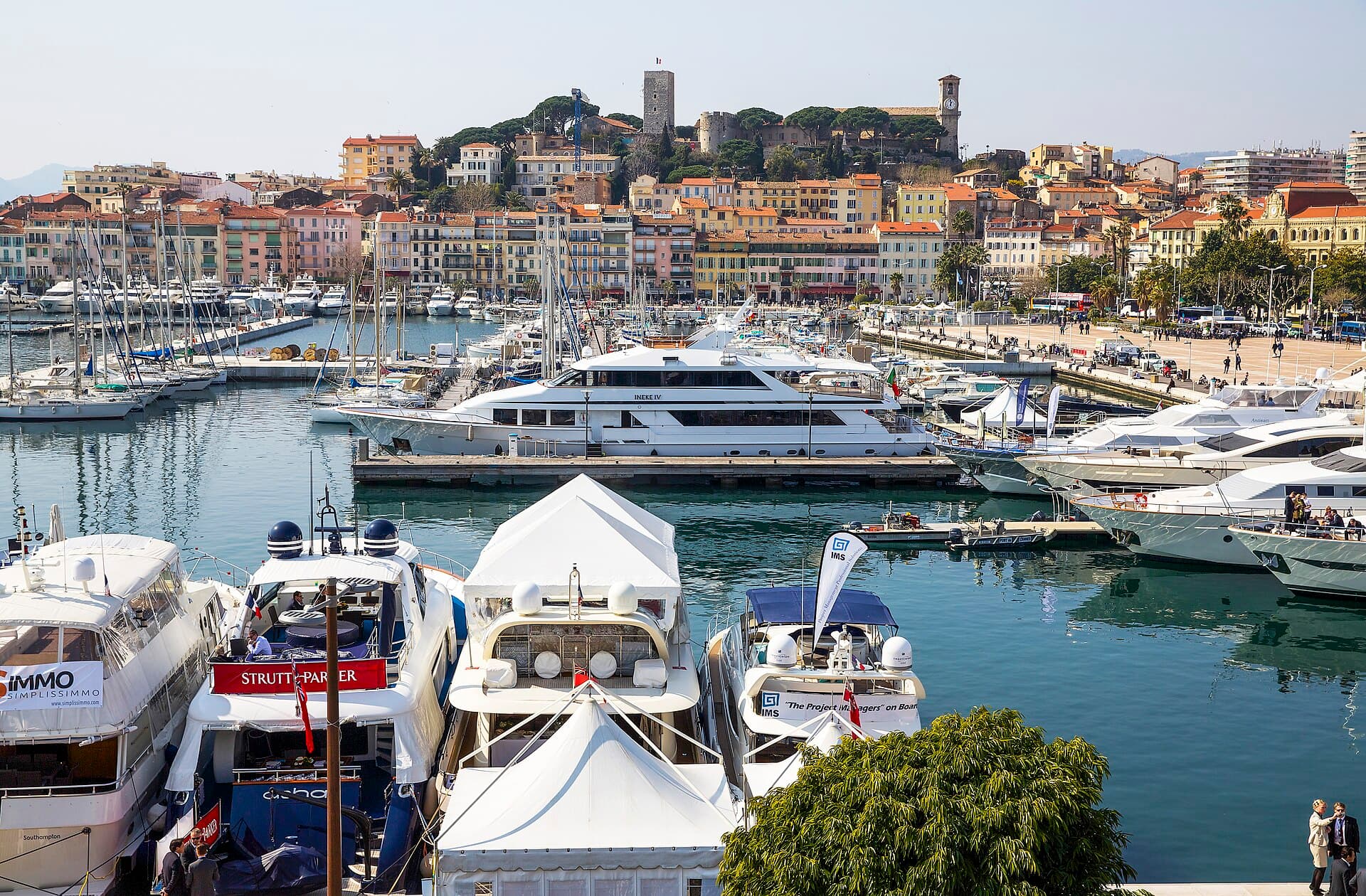 CannesCannes was a small fishing town that became the most famous address on the Frenc16 minutes walk4.1
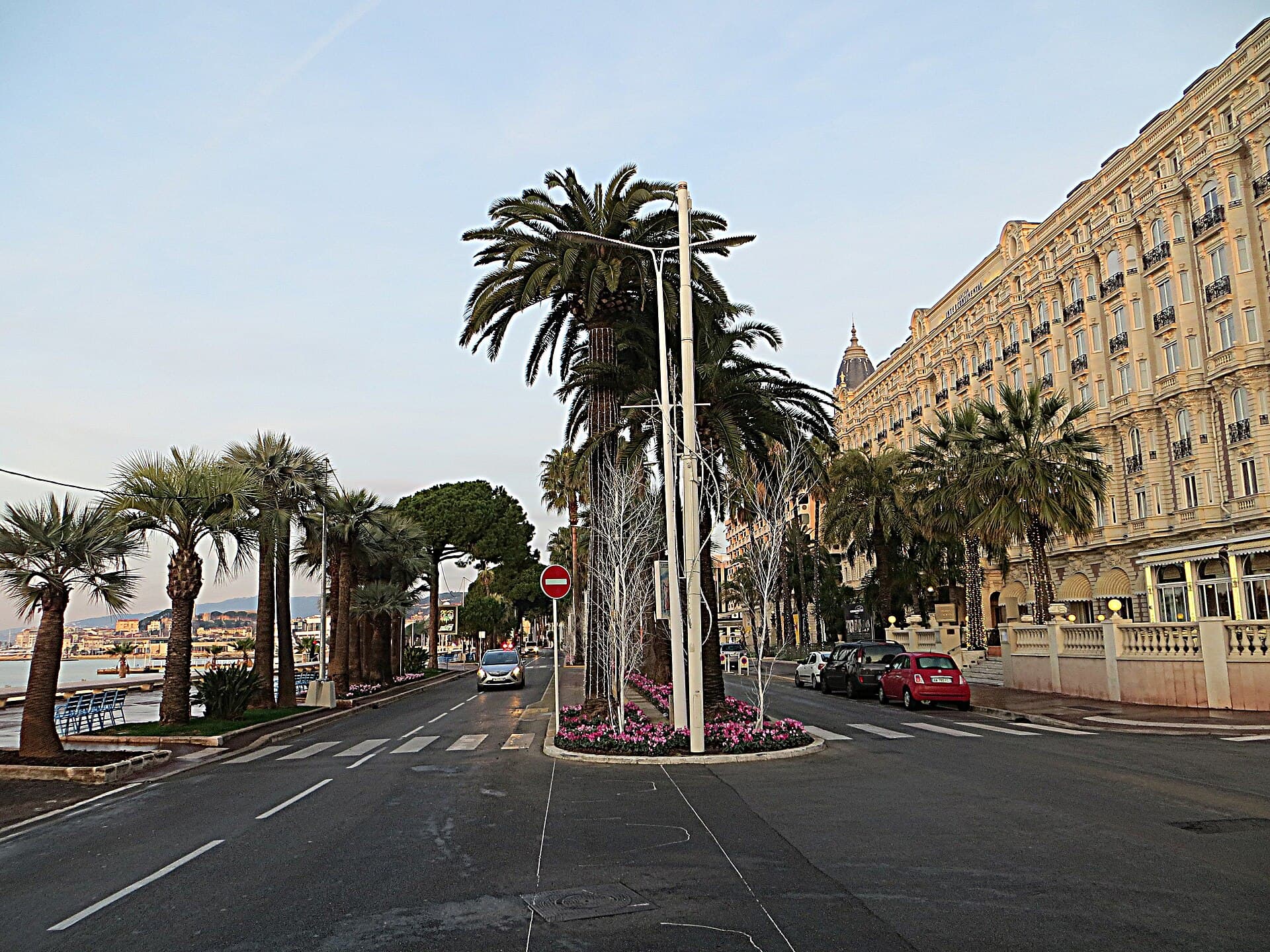 La CroisetteThe seafront of Cannes: a promenade some two kilometres long along the bay, with17 minutes walk
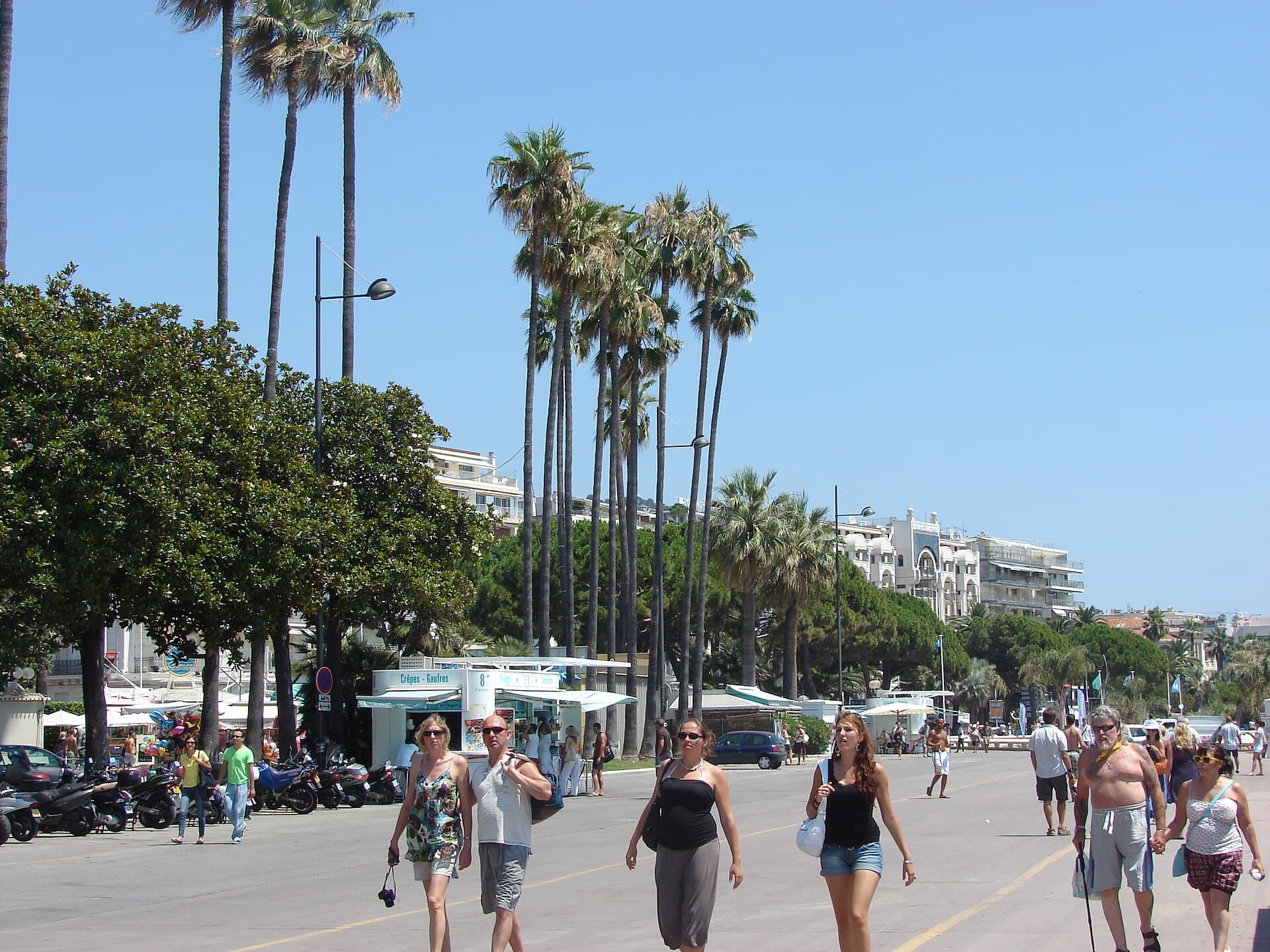 La CroisetteThe Croisette is Cannes abridged in two kilometres: a palm seafront along a turq17 minutes walk4.5
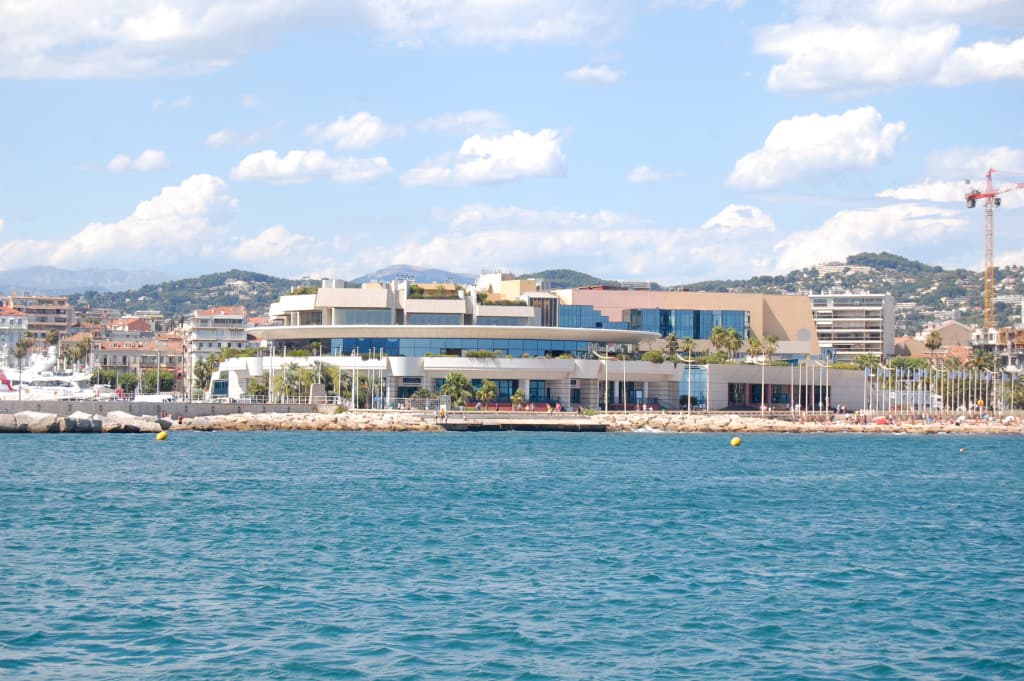 Palais des Festivals & the Red Carpet StepsThe Palais des Festivals is what makes Cannes 'Cannes': here the world's most fa20 minutes walk4.5
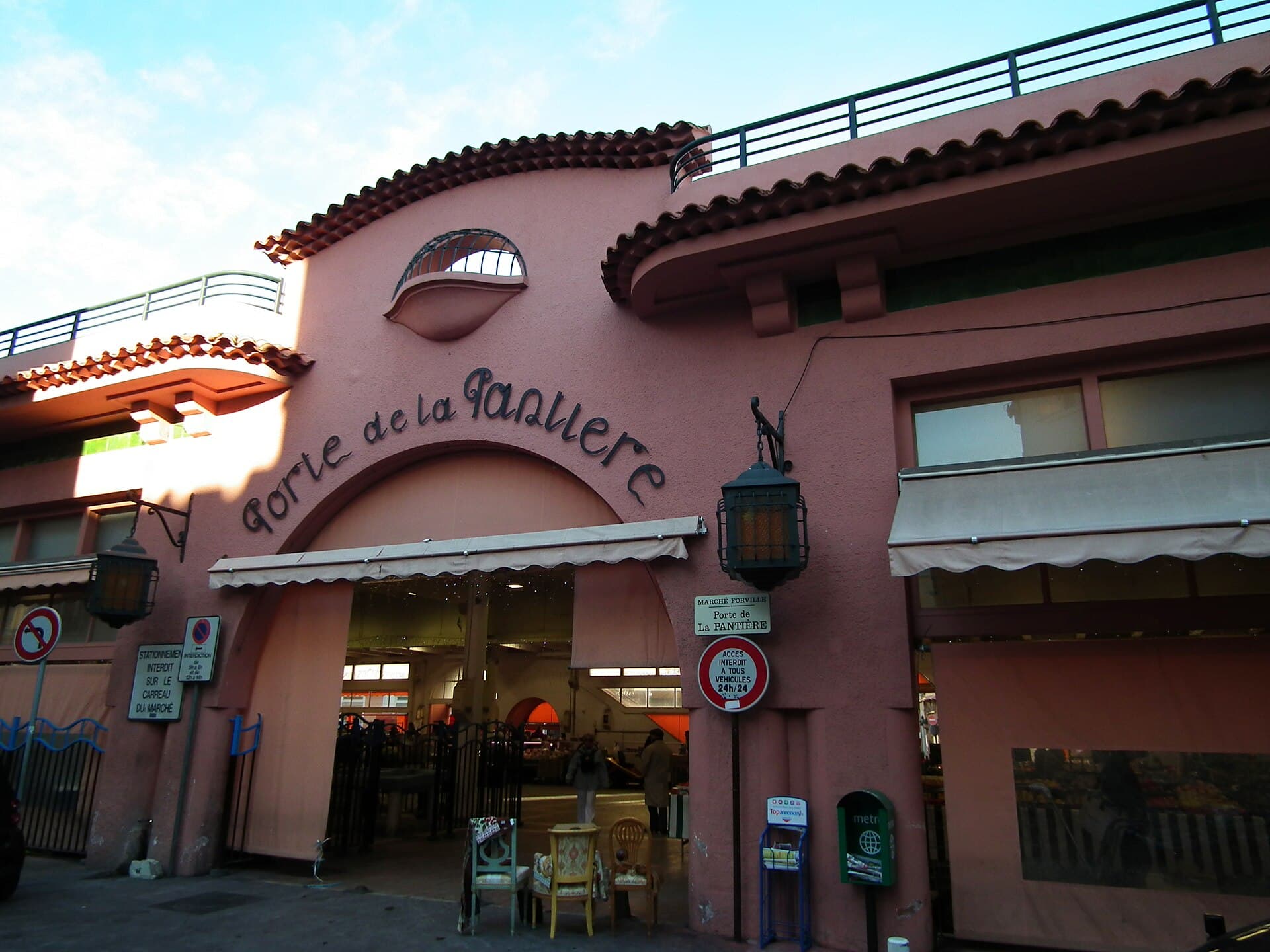 Marché ForvilleThe Marché Forville is Cannes's real kitchen and its most honest place: a covere24 minutes walk4.5
Get in touch beforehand or check its page before going. This is not a monument with fixed hours but a small place opening at limited times or by arrangement. Travelling to La Californie to find a closed door wastes your time.
The quarter itself: walking among its villas and gardens gives a picture of aristocratic nineteenth-century Cannes. Most villas are private and not visitable, but the facades and gardens are visible from the streets, and the quarter sits high so the bay views are good.