
Horta before Art Nouveau
His work here predates his famous buildings, and the glazed ceilings still function.
own work — Public domain · Karmakolle — CC0 · Tram Bruxelles — CC BY-SA 4.0 · Gargarapalvin — CC BY-SA 4.0
A nineteenth-century private house turned museum, bringing three significant Belgian names together in one place: the sculptor Guillaume Charlier, the patron Henri van Cutsem who funded him, and the architect Victor Horta who redesigned the interior. That last intervention is what distinguishes it. Horta, the pioneer of Art Nouveau, converted two adjoining houses into a single display space in 1890 and added glazed ceilings to bring daylight onto the works — a technical solution that was new then and still functions. The collection is furniture, paintings, carpets and ceramics assembled by van Cutsem, alongside Charlier's own sculpture. The house was left to the city on condition it stay open to the public. The museum is small and lightly visited and sits outside the usual tourist route in the Saint-Josse commune. That makes it among the quietest things to visit in Brussels, and among the best at showing how the city's bourgeoisie lived a century ago.
His work here predates his famous buildings, and the glazed ceilings still function.
Furniture, paintings, carpets and ceramics as left, not rooms refurnished later.
The house was left to the city on condition it remain open to the public.
Avenue des Arts, Saint-Josse-ten-Noode, Brussels
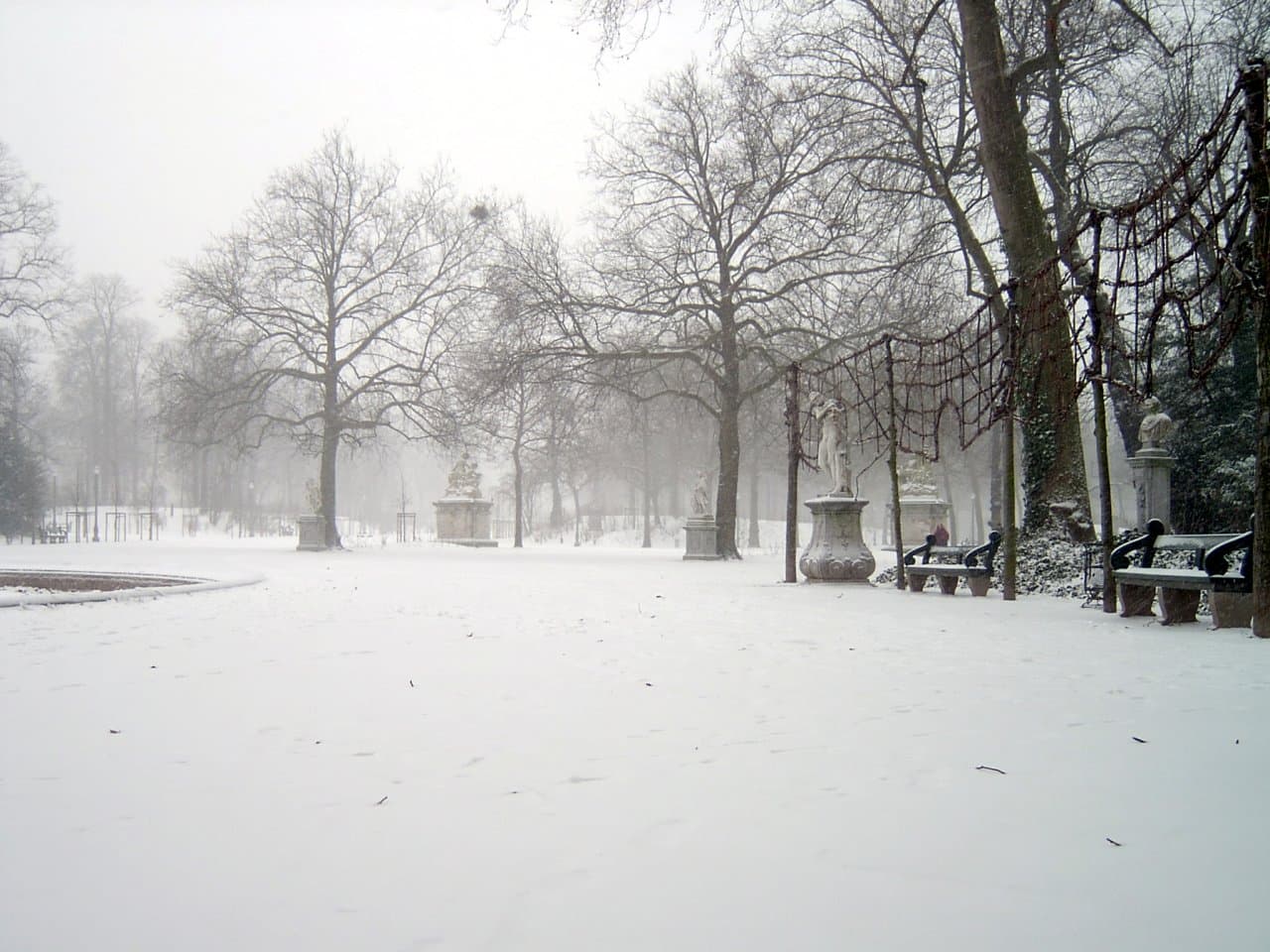 Brussels Park (Parc de Bruxelles)Brussels Park is the great formal park at the heart of the upper town: a classic7 minutes walk4.5
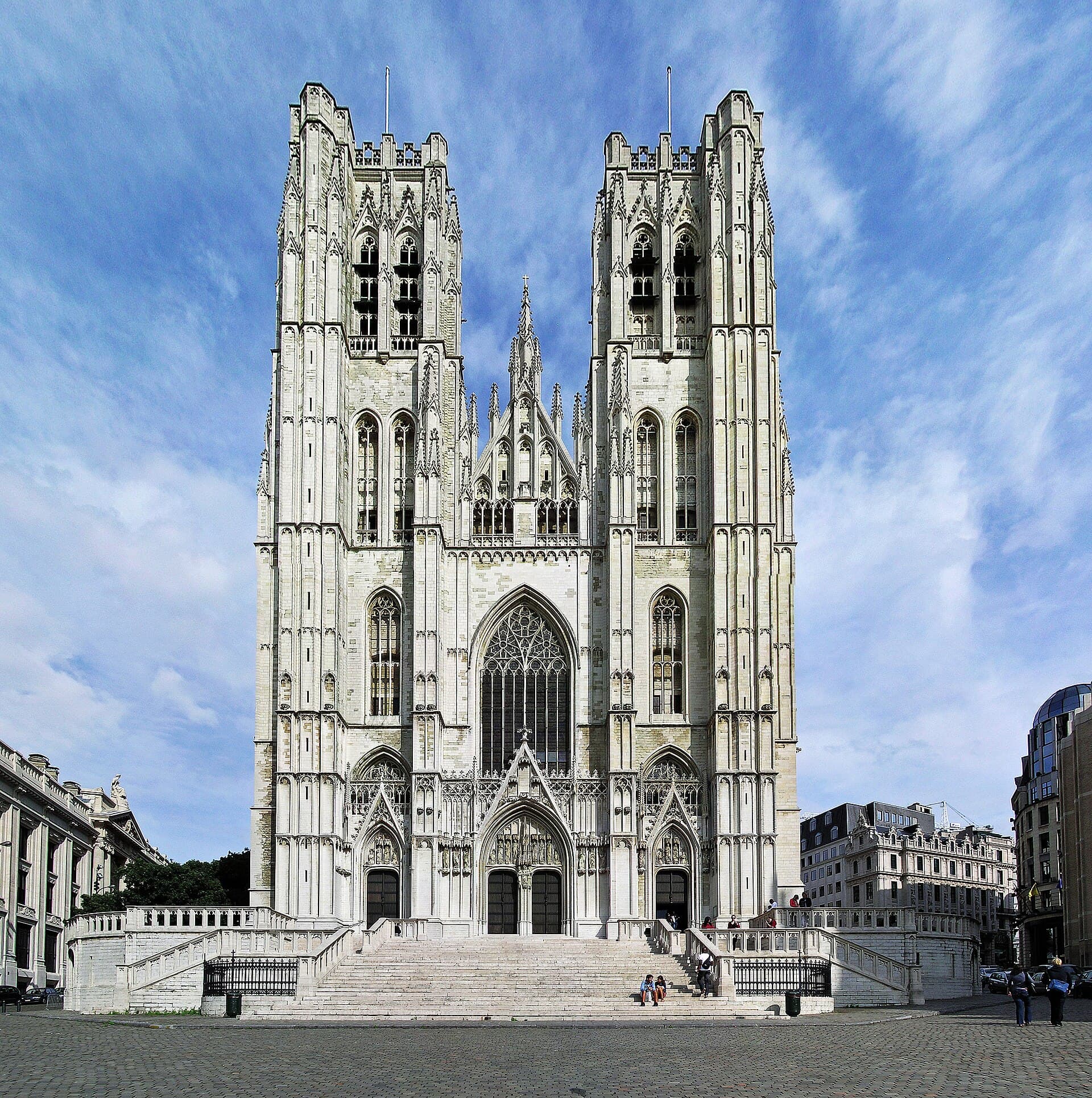 Cathedral of St Michael and St GudulaThe Cathedral of St Michael and St Gudula is Belgium's national church and Bruss8 minutes walk4.6
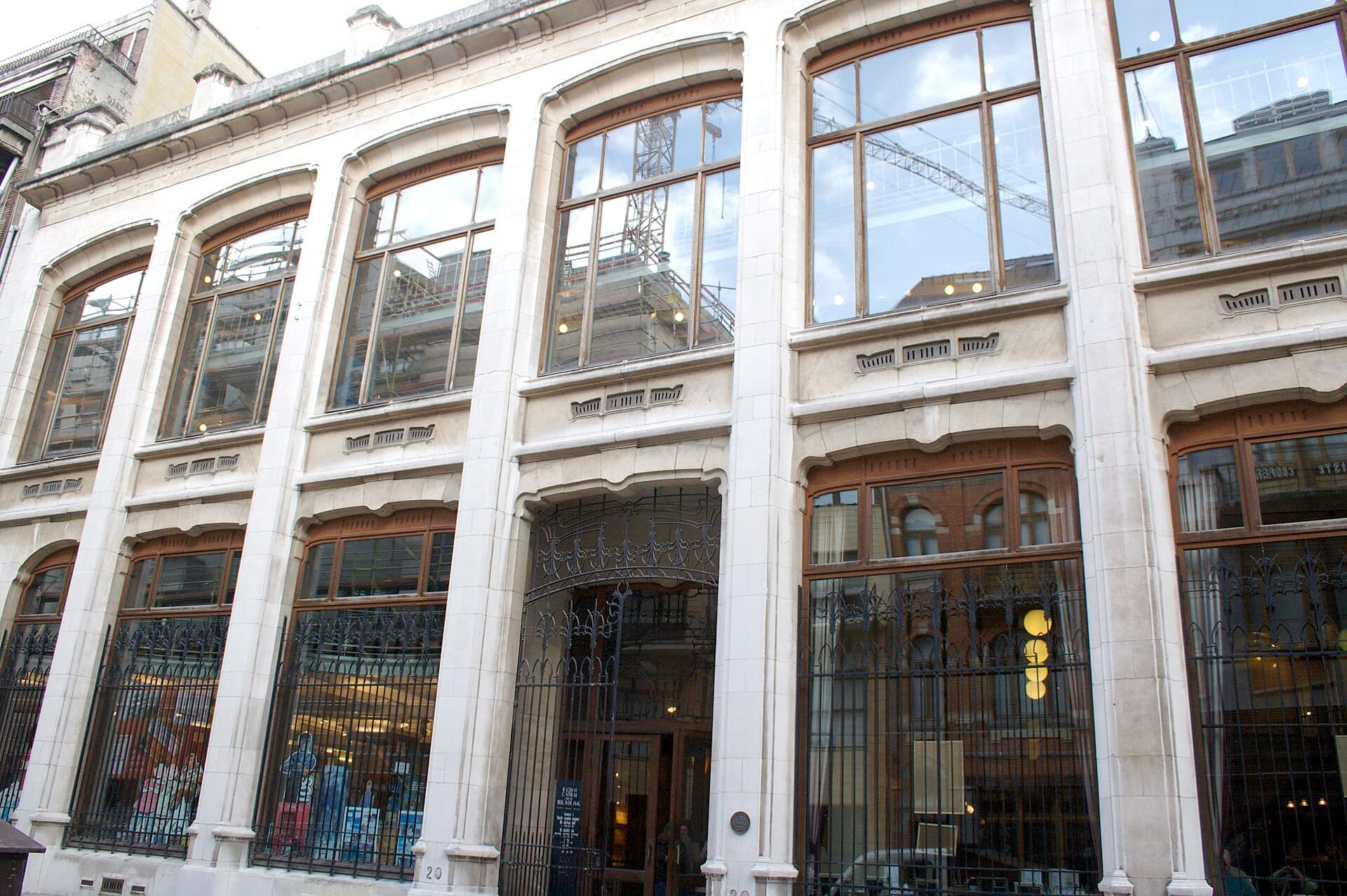 Comics Art MuseumThe Comics Art Museum is the temple of Belgian comics — for Belgium is the land 10 minutes walk4.1
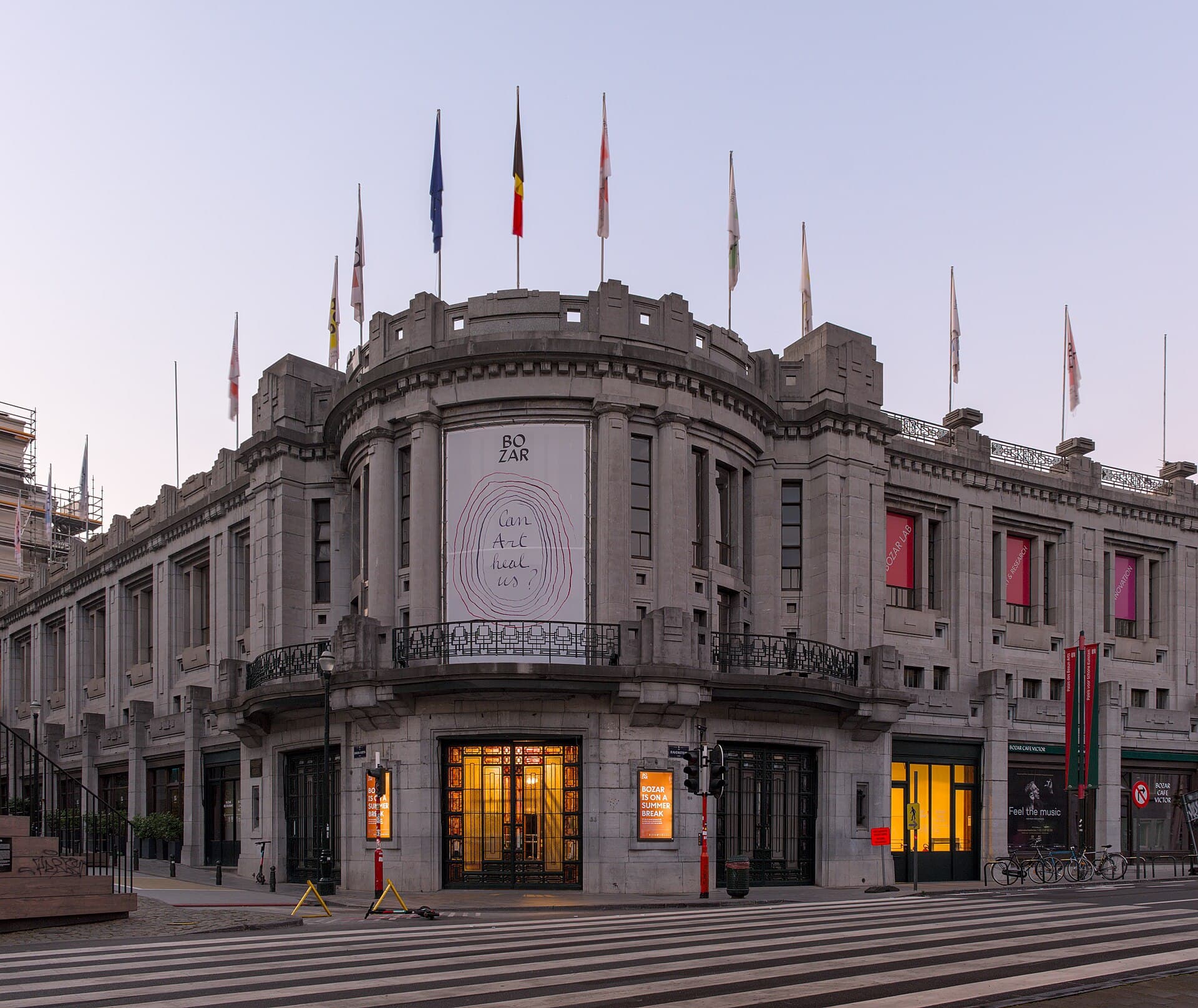 BOZAR Centre for Fine ArtsBrussels's principal arts centre, in a building designed by Victor Horta and com10 minutes walk4.6
 Le Botanique (Old Botanical Garden)Le Botanique is Brussels' old botanical garden (1826), whose elegant neoclassica10 minutes walk4.5
If Horta is your aim, the Horta Museum in Saint-Gilles comes first, being his own house and the best example of his mature manner. But the Charlier shows his earlier phase and his practical lighting solutions, and it is far quieter and cheaper. The two complement each other.
They are limited. It is a small municipal museum that may open only a few days a week and for short hours. Check before going, since arriving on a closed day is a real risk here more than at the larger museums.