
Chinese style
Red and green like a pagoda.
JV052Nikken — CC BY-SA 3.0 · U.S. Embassy, Jakarta from Jakarta, Indonesia — Public domain
A small, distinctive mosque built by Surabaya's Muslims of Chinese descent and opened in the early 2000s in the style of a Chinese temple, with red, green and yellow colours and a pagoda-like tiered roof. It bears the name of Cheng Ho, the Chinese Muslim admiral who led China's fleets to Southeast Asia in the fifteenth century and visited Java several times. The mosque is small but rich in symbols, blending Chinese, Javanese and Islamic architecture; a panel on its walls tells Cheng Ho's life and voyages, and some of its dimensions are said to have been chosen for Islamic symbolism. It is a lovely testament to the diversity of Indonesia's Muslims and the history of the Chinese Muslim community. Entry is free; it is open for prayer and to visitors outside prayer times in modest dress. Half an hour is enough, and it sits near the city centre, so it combines easily with the submarine monument and other central sights. There are mosques of the same name in Palembang and other cities.
Red and green like a pagoda.
A fifteenth-century Muslim mariner.
The Chinese Muslim community.
Jalan Gading, central Surabaya
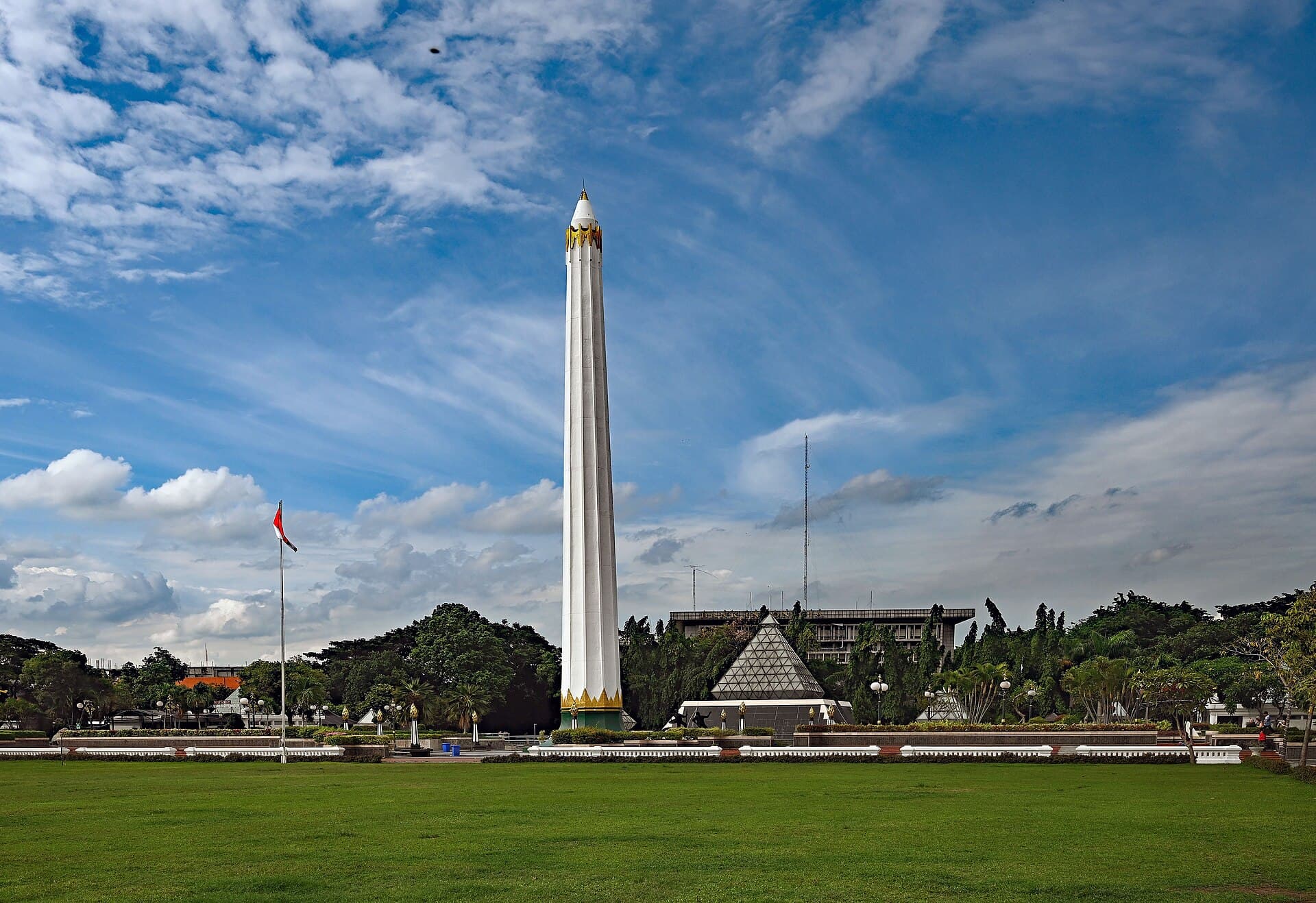 Heroes Monument (Tugu Pahlawan) and 10 November MuseumSurabaya's best-known symbol, a white obelisk shaped like an inverted nail risin15 minutes walk
 Submarine Monument (Monumen Kapal Selam)A real Soviet-built naval submarine that served in the Indonesian navy from the 19 minutes walk
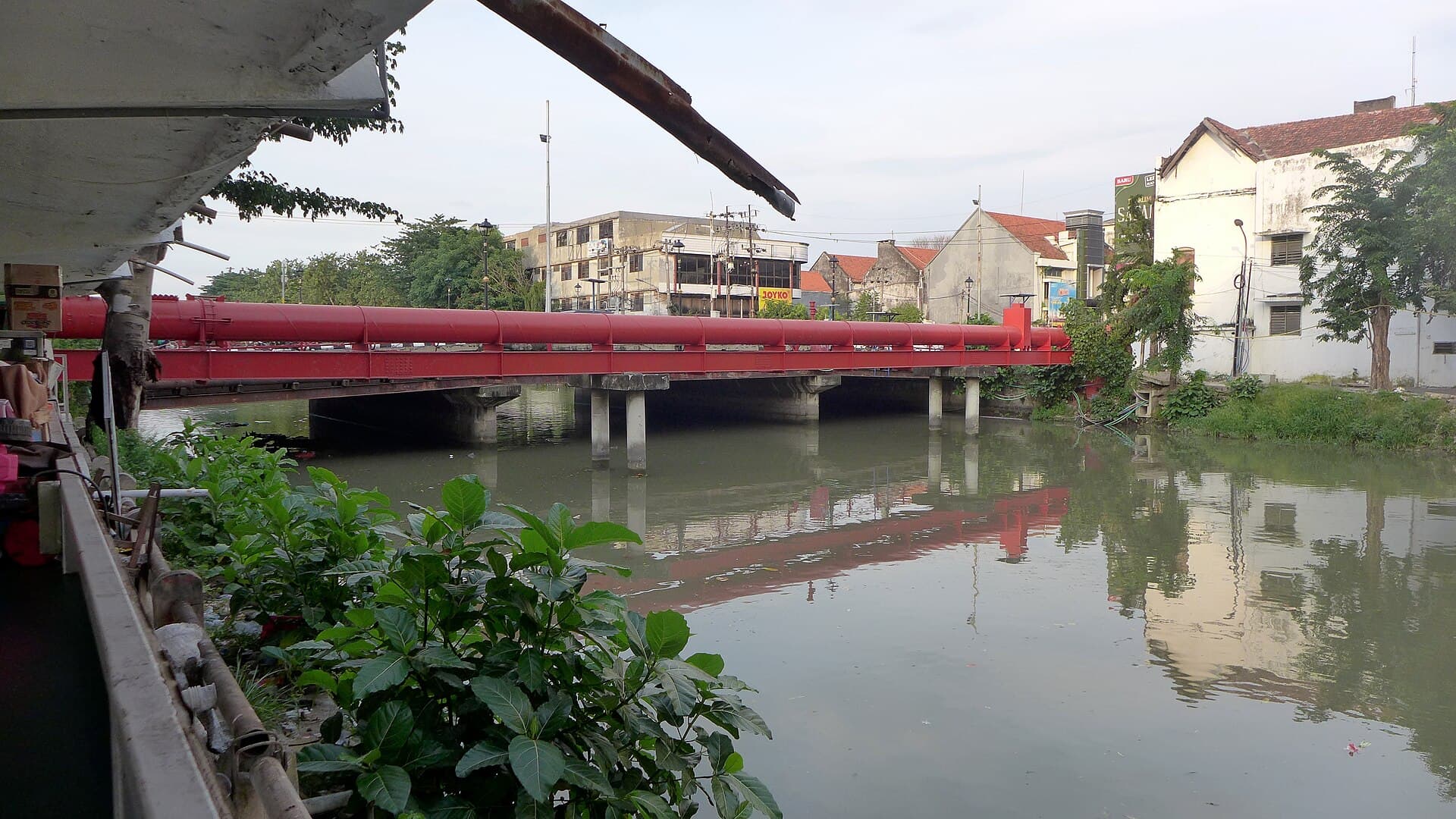 Red Bridge and Old TownThe heart of old Surabaya around the Red Bridge over the Kalimas River, where th25 minutes walk
A Chinese Muslim admiral who led huge fleets in the fifteenth century across Southeast Asia and the Indian Ocean as far as Arabia and Africa; Indonesia honours him with mosques and temples.