
City of Heroes
The battle of 10 November 1945.
P. Hughes — CC BY 4.0 · Eny Santiati — CC BY-SA 4.0 · Abduamri — CC BY-SA 4.0
Surabaya's best-known symbol, a white obelisk shaped like an inverted nail rising about forty-one metres, raised to honour the Battle of Surabaya on 10 November 1945, when the city's people fought British forces in the fiercest battle of the war of independence. That day became Indonesia's national Heroes' Day, and Surabaya earned the name City of Heroes. Beneath the square lies the 10 November Museum, reached down a stairway into halls showing weapons, photographs and documents, dioramas of the battle, and a recording of Bung Tomo's famous speech that fired up the fighters. A wide park around the monument holds statues of independence leaders. The museum has a token ticket and the park is open. The site fills with ceremonies every 10 November. An hour is enough, and late afternoon is the best time; then walk to the nearby Red Bridge and the old town, where parts of the battle were fought.
The battle of 10 November 1945.
An obelisk of about 41 metres.
Bung Tomo's speech.
Jalan Pahlawan, central Surabaya
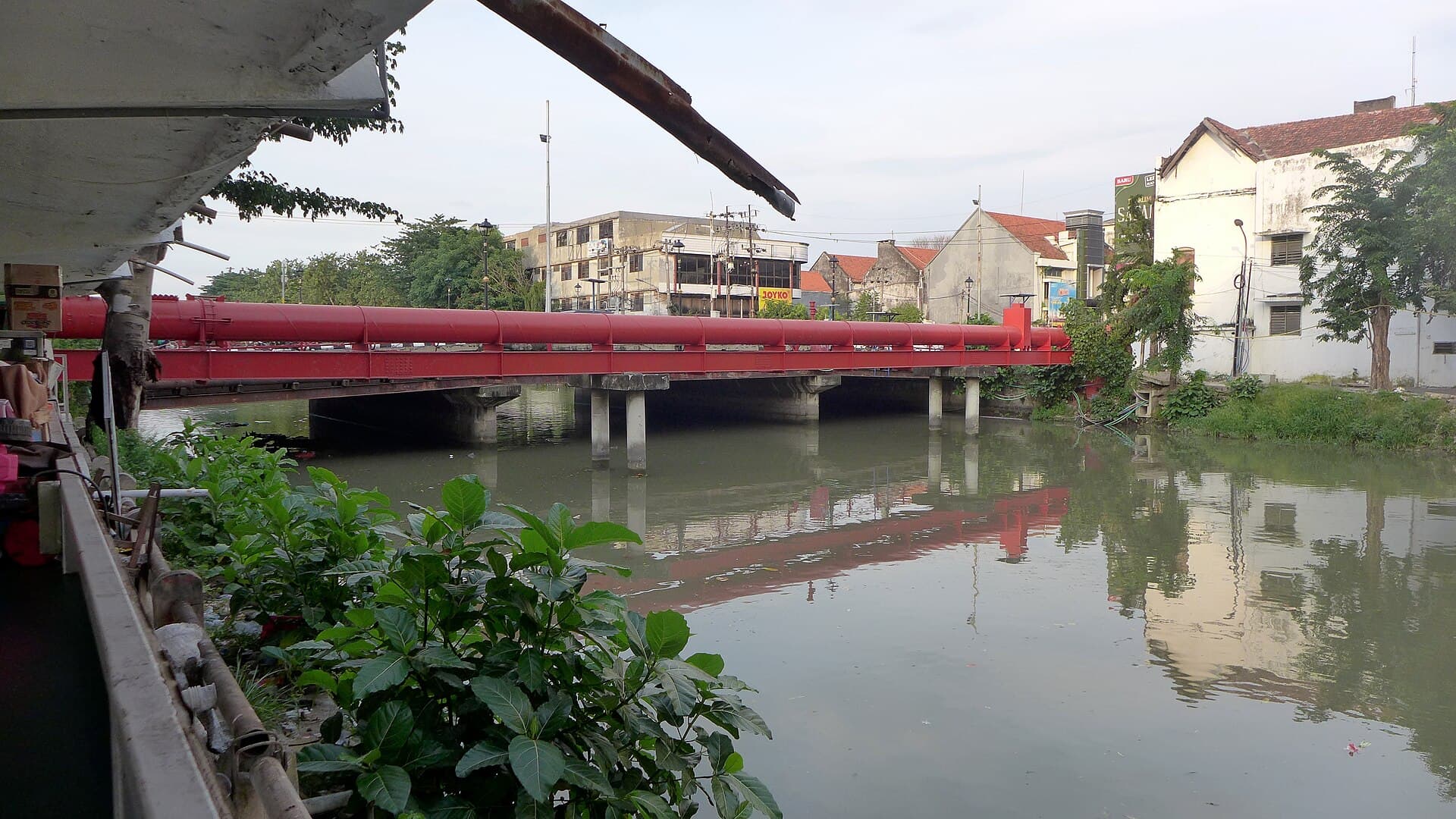 Red Bridge and Old TownThe heart of old Surabaya around the Red Bridge over the Kalimas River, where th12 minutes walk
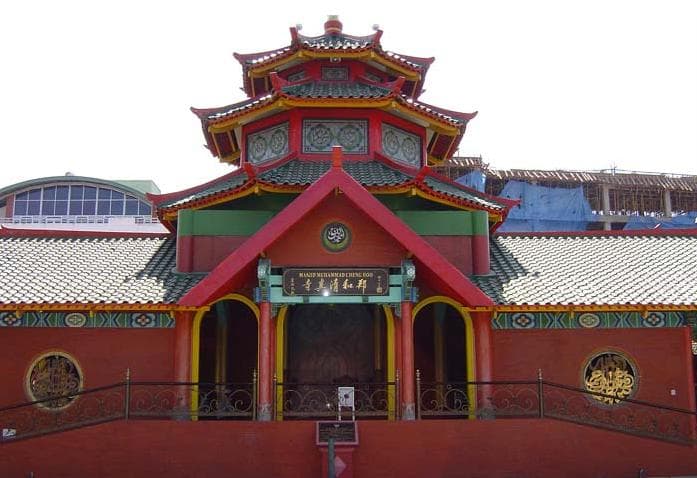 Muhammad Cheng Hoo MosqueA small, distinctive mosque built by Surabaya's Muslims of Chinese descent and o15 minutes walk
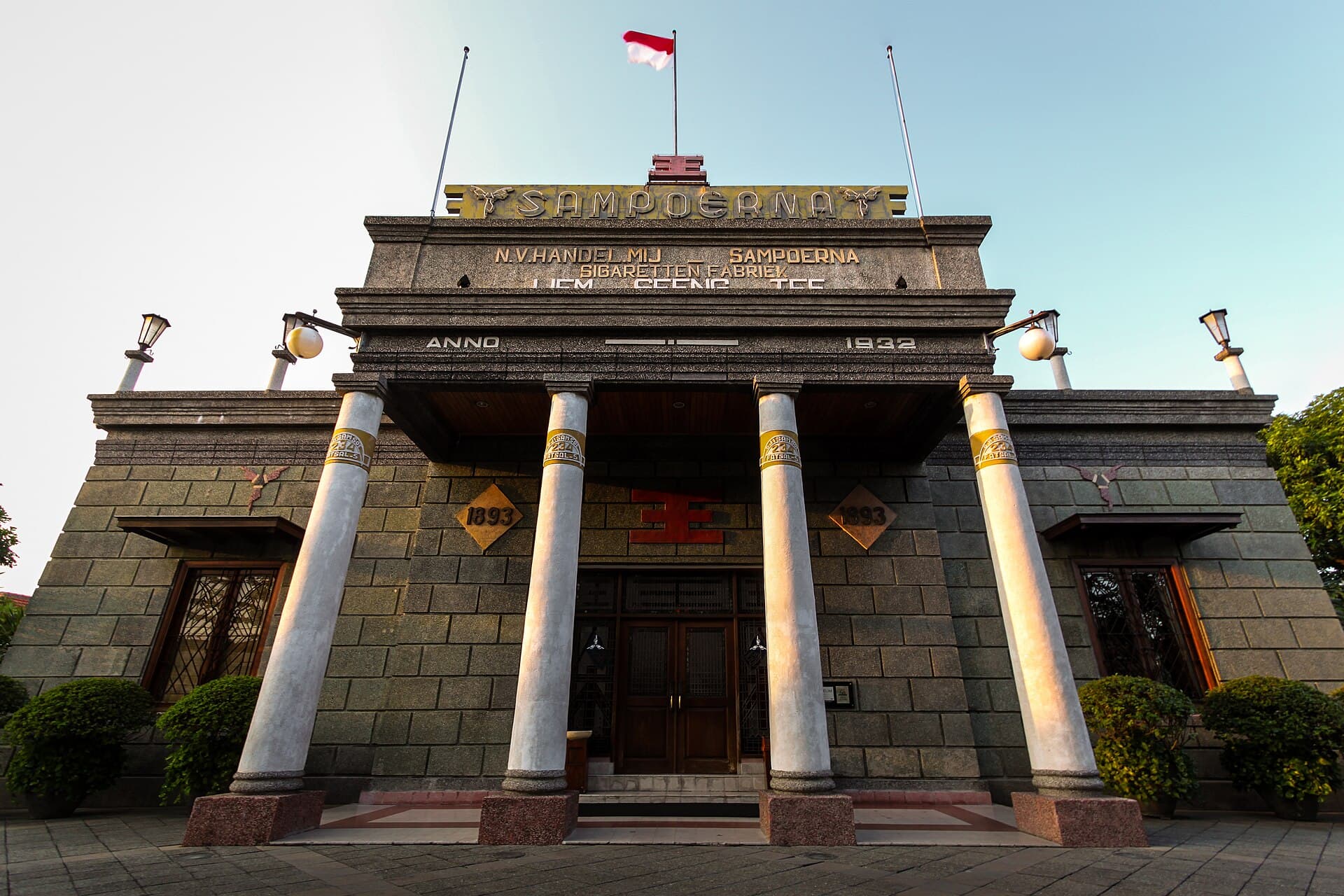 House of SampoernaAn elegant nineteenth-century colonial building in the old town, with a white fa21 minutes walk
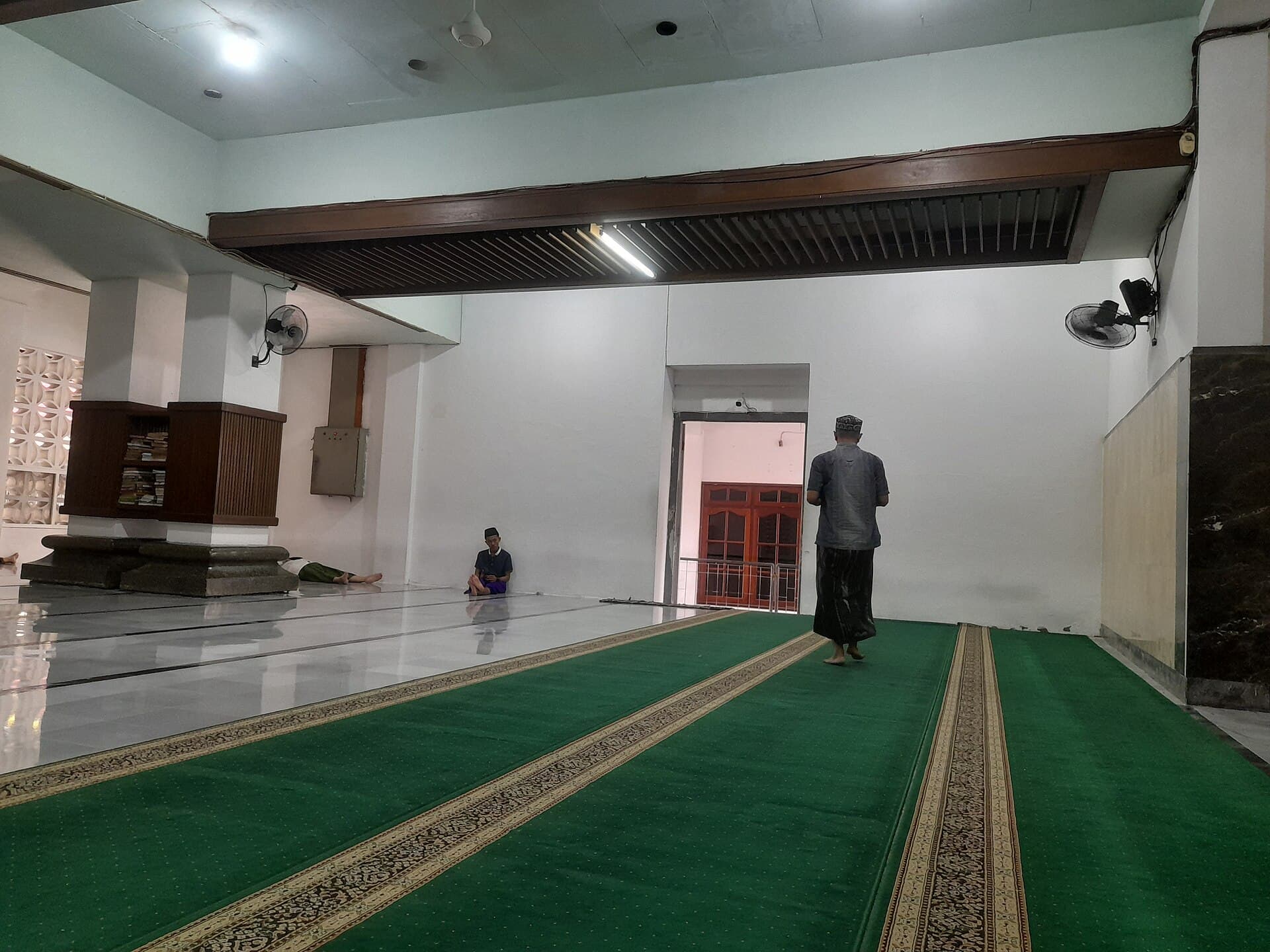 Sunan Ampel Mosque and Arab QuarterOne of Java's oldest and holiest mosques, founded in the fifteenth century by Su22 minutes walk
Because its people resisted British forces in November 1945 in a battle lasting weeks that cost thousands of lives, making it a symbol of the war of independence.