
Calvin's "J.C." stone
A small slab laid later over a spot no one knows for certain.
Manuel Schmalstieg — CC BY-SA 4.0 · Yann Forget — CC BY-SA 4.0 · Yann Forget — CC BY-SA 4.0 · Yann Forget — CC BY-SA 4.0
The Cimetière des Rois — formally the **Cimetière de Plainpalais** — is Geneva's oldest cemetery, opened in 1482 outside the walls to bury plague victims on marshy ground reserved for common people. Its function changed entirely in 1883, when it was closed to ordinary burials and reserved for those who bought a concession; the cost is what gradually turned it into the resting place of magistrates and of figures who had added to the city's standing, making it what Genevans call their pantheon. From about 1945 it was relaid to feel like a park: gravel alleys, large trees and low stones over 28,000 square metres. The name misleads. It has nothing to do with kings: it comes from the neighbouring Rue des Rois, itself named for the "king" of the arquebusiers — the title given to the best marksman in the quarter's annual shooting contest between 1509 and 1847. As for who lies here, the best known is **John Calvin**, who led Geneva's Reformation; he asked to be buried without a stone, so no one knows his grave with certainty, and the slab carved "J.C." was laid in the nineteenth century over the spot tradition points to. With him are the Argentine writer **Jorge Luis Borges**, who chose to die in Geneva in 1986 and be buried here, the psychologist **Jean Piaget**, and the diplomat **Sérgio Vieira de Mello**, the UN envoy killed in the 2003 Baghdad bombing. Practically: entry is free, and the cemetery is minutes on foot from the Plaine de Plainpalais in a very lively quarter. Half an hour is enough — but it is a different half hour from the rest of Geneva: quiet, thinly visited, and more revealing about the city than the lakefront is.
A small slab laid later over a spot no one knows for certain.
The Argentine who chose Geneva as his resting place in 1986.
The UN envoy killed in the 2003 Baghdad bombing.
Rue des Rois 10, 1204 Geneva
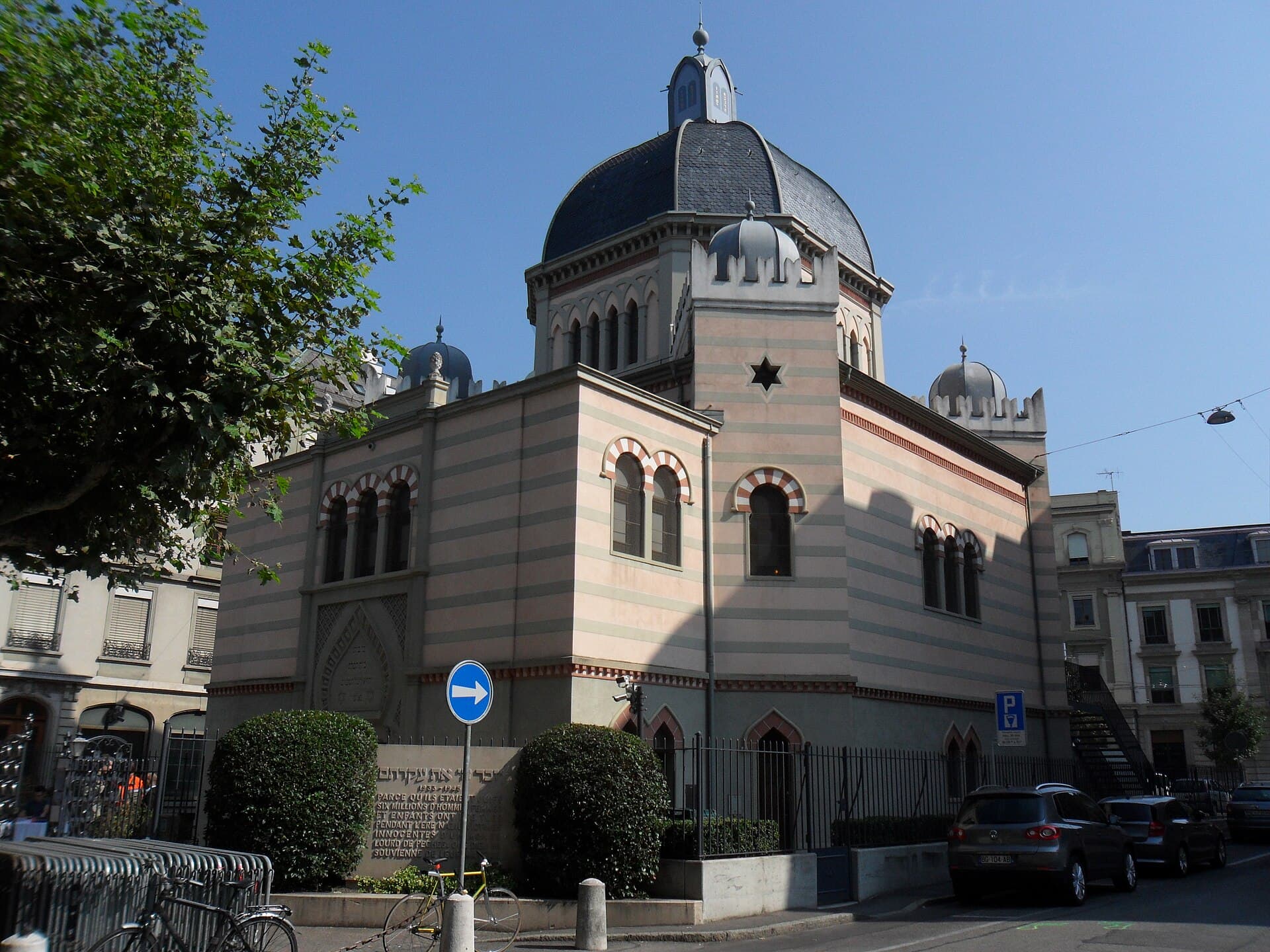 Beth-Yaacov Synagogue (the Great Synagogue)The Beth-Yaacov Synagogue is Geneva's principal synagogue, completed in **1859**4 minutes walk4.6
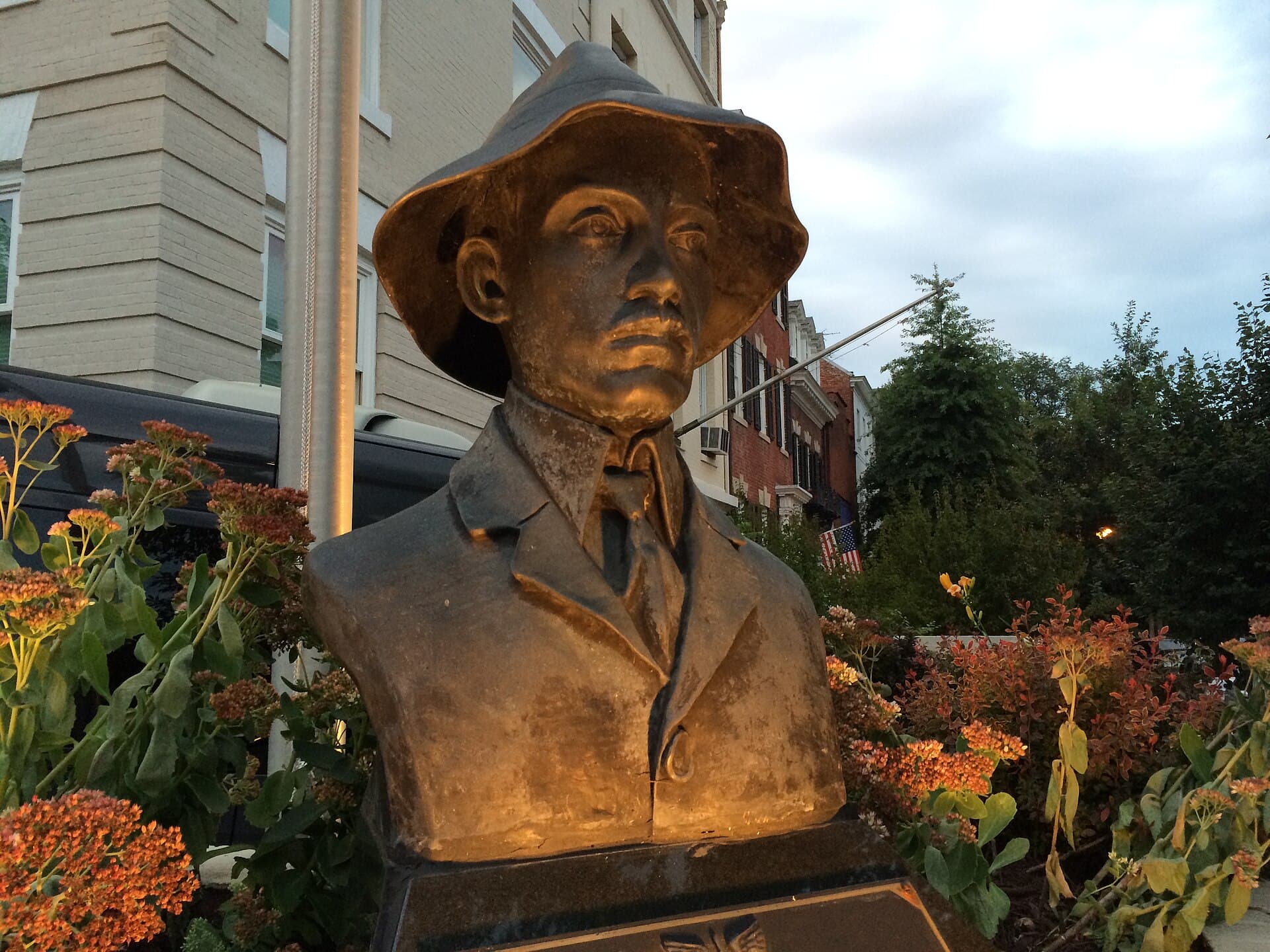 Patek Philippe MuseumIn Plainpalais the most venerable name in watches keeps the world's greatest wat5 minutes walk4.4
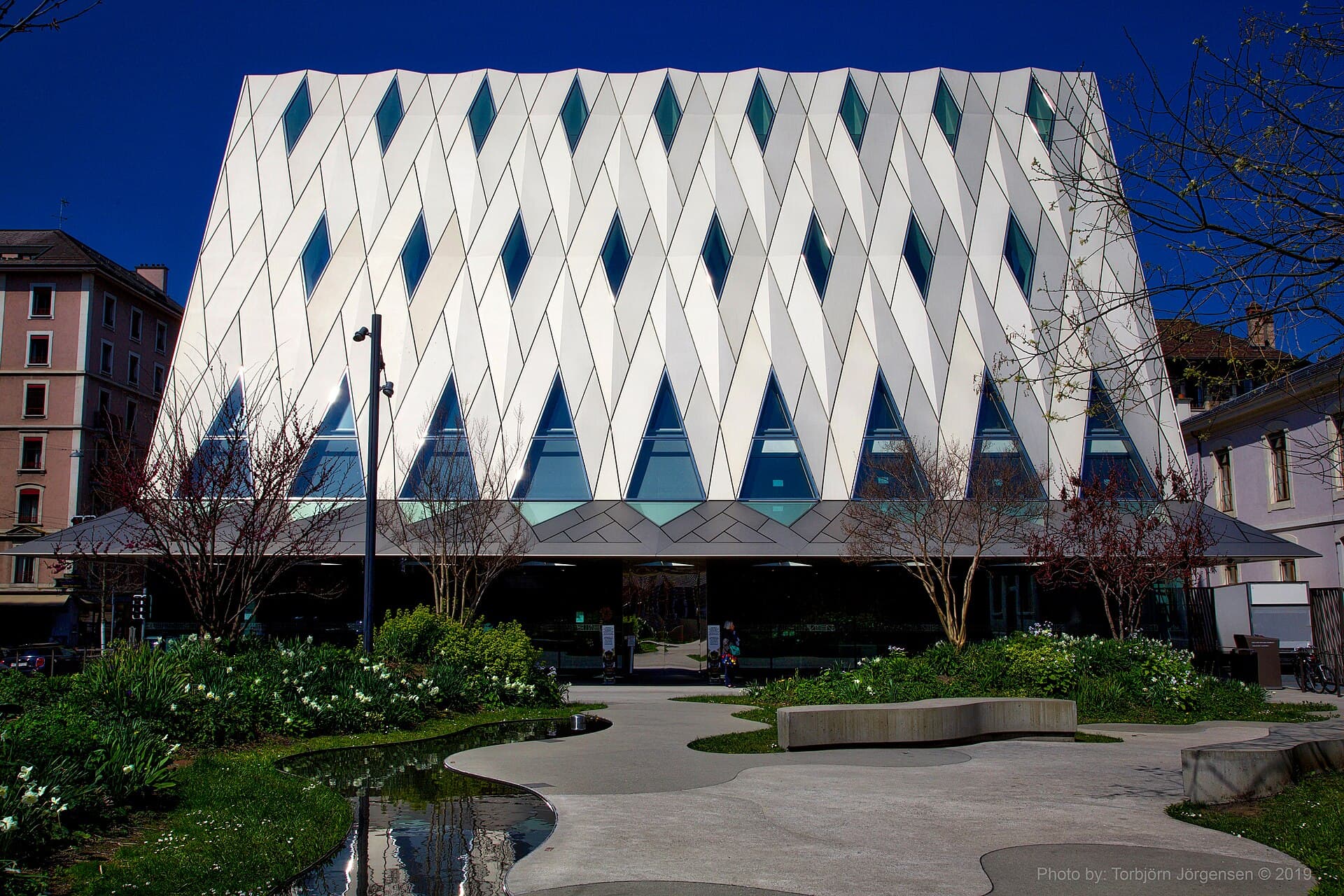 MEG — Museum of EthnographyGeneva's Museum of Ethnography was founded in 1901 and holds more than seventy-f6 minutes walk4.8
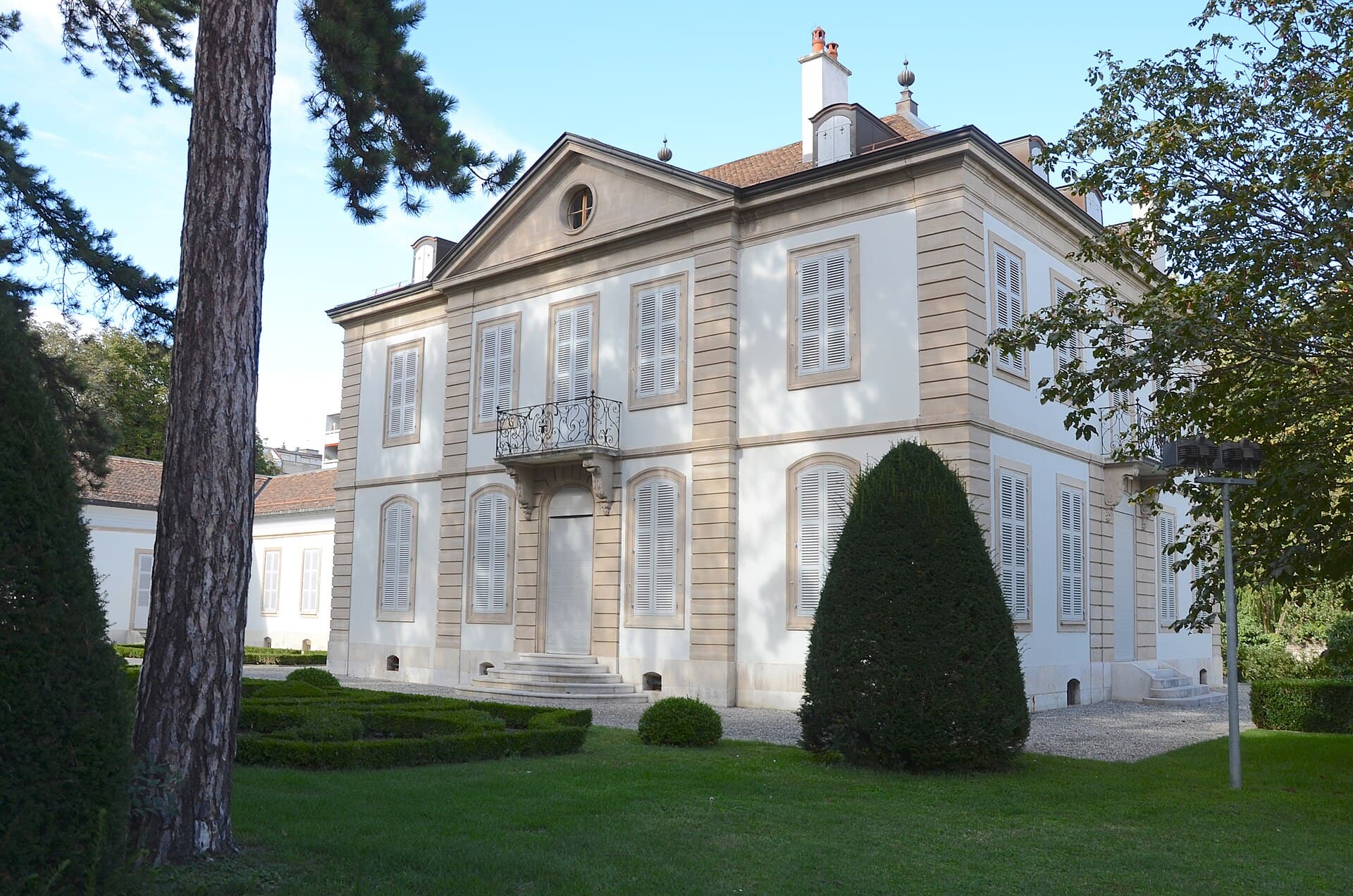 Les Délices — Voltaire's House"Les Délices" — the delights — is the name **Voltaire** gave the house he lived 8 minutes walk4.5
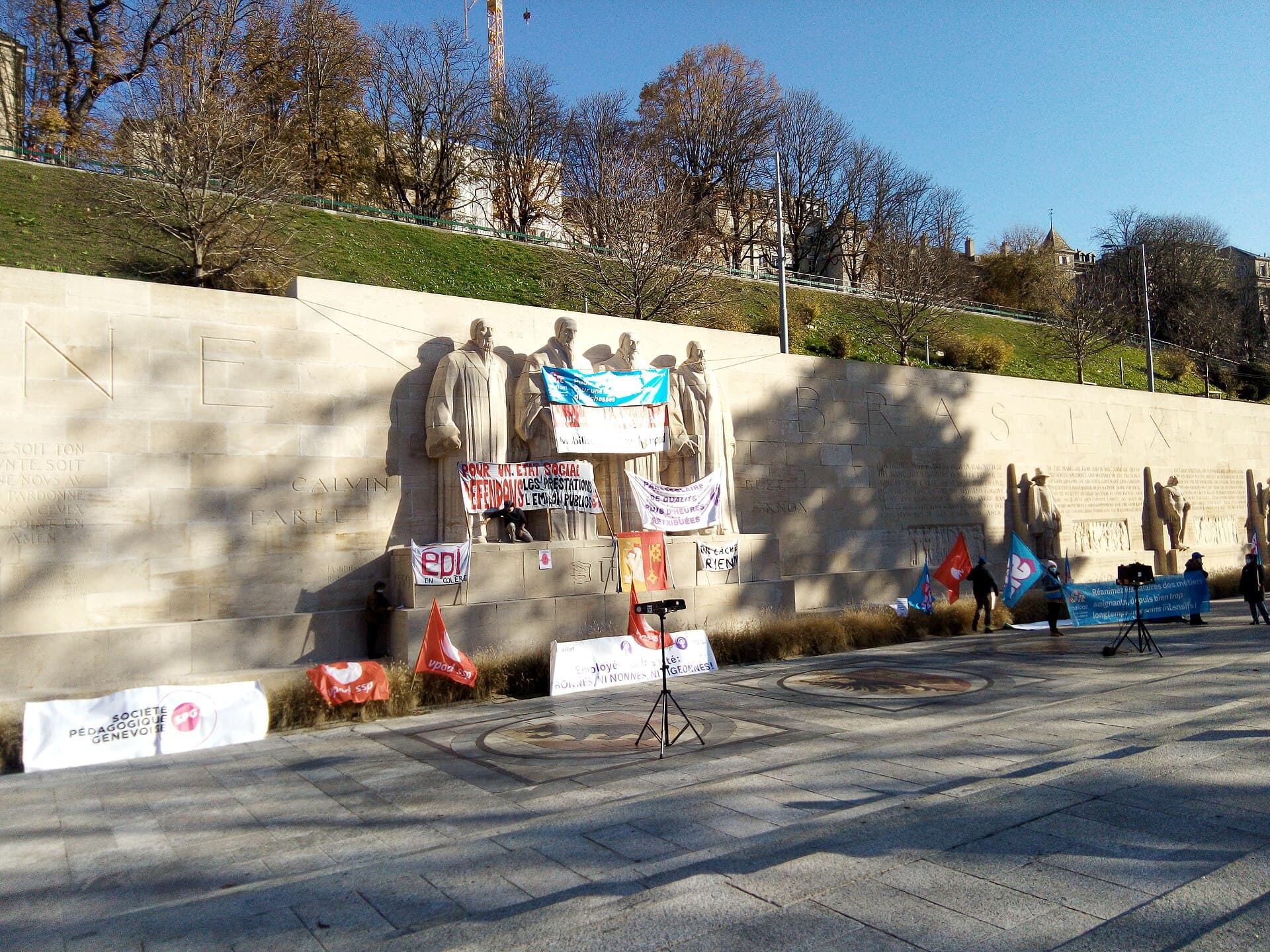 Reformation Wall & Parc des BastionsIn the Bastions park below the old-town ramparts runs the Reformation Wall's hun9 minutes walk4.6
Yes, if you have three days or more — not on a single day. Its value is that it explains Geneva concisely: the city of the Reformation, the city of the international organisations and the city of exiles, all three in one quiet, free space. Make it half an hour inside a Plainpalais morning: the cemetery first, then the market on the nearby square, then the ethnography museum in the same quarter.
Do not rely on luck — the stones here are deliberately low, close together and alike, and Calvin's in particular is a small slab with two letters, not a monument. Look for the orientation board at the main entrance or the printed guide, and photograph it with your phone before you start down the alleys. Plan a realistic order: Calvin first, because he is the hardest, then Borges, Piaget and Vieira de Mello. Half an hour is enough that way, and double that without it.