
The underground hall
The whole permanent display in one dark, carefully lit space.
Torbjorn Toby Jorgensen — CC BY-SA 2.0 · Guilhem Vellut from Annecy, France — CC BY 2.0 · Thibaut120094 — CC BY 4.0 · Thibaut120094 — CC BY 4.0
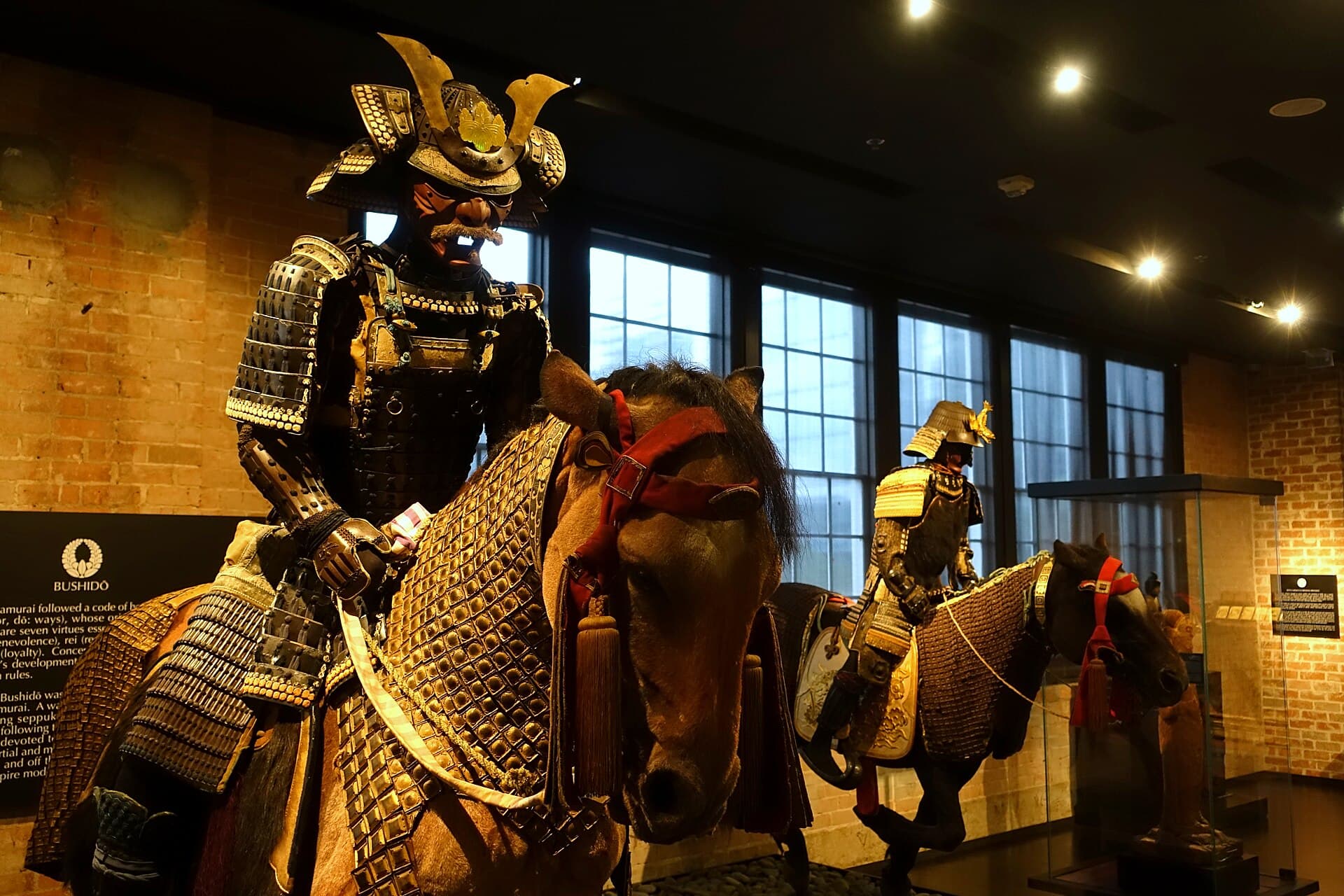
Geneva's Museum of Ethnography was founded in 1901 and holds more than seventy-five thousand objects and a hundred and thirty thousand documents from five continents — one of Switzerland's most important anthropological collections. For decades it was stuck in cramped premises, until a **new building** by the practice Graber Pulver opened in 2014: a low block under a sharply folded metal roof, with most of the gallery space buried underground. Three years later it won the **European Museum of the Year Award 2017**. The permanent exhibition, "The Archives of Human Diversity", occupies one large underground hall with around a thousand objects from the five continents, and **entry to it is free** — which alone makes it one of the best deals in Geneva. Beside it sits a less famous treasure: the **International Archive of Folk Music**, founded inside the museum in 1944 by the Romanian ethnomusicologist Constantin Brăiloiu, now holding more than sixteen thousand hours of field recordings from around the world, with a selection you can listen to in the galleries. The museum is in the Plainpalais district south of the Rhône, a short tram 15 ride out, and it is not on the usual tourist circuit — so it stays calm even in summer. Labels are mainly French with partial English, and the tone is self-critical about how these objects were collected in the colonial era; anyone after light visual entertainment may find it earnest. The café and its terrace are open to all without a ticket.
The whole permanent display in one dark, carefully lit space.
Over 16,000 hours of field recordings since 1944.
A folded metal roof over a low block, opened in 2014.
Boulevard Carl-Vogt 65, 1205 Geneva
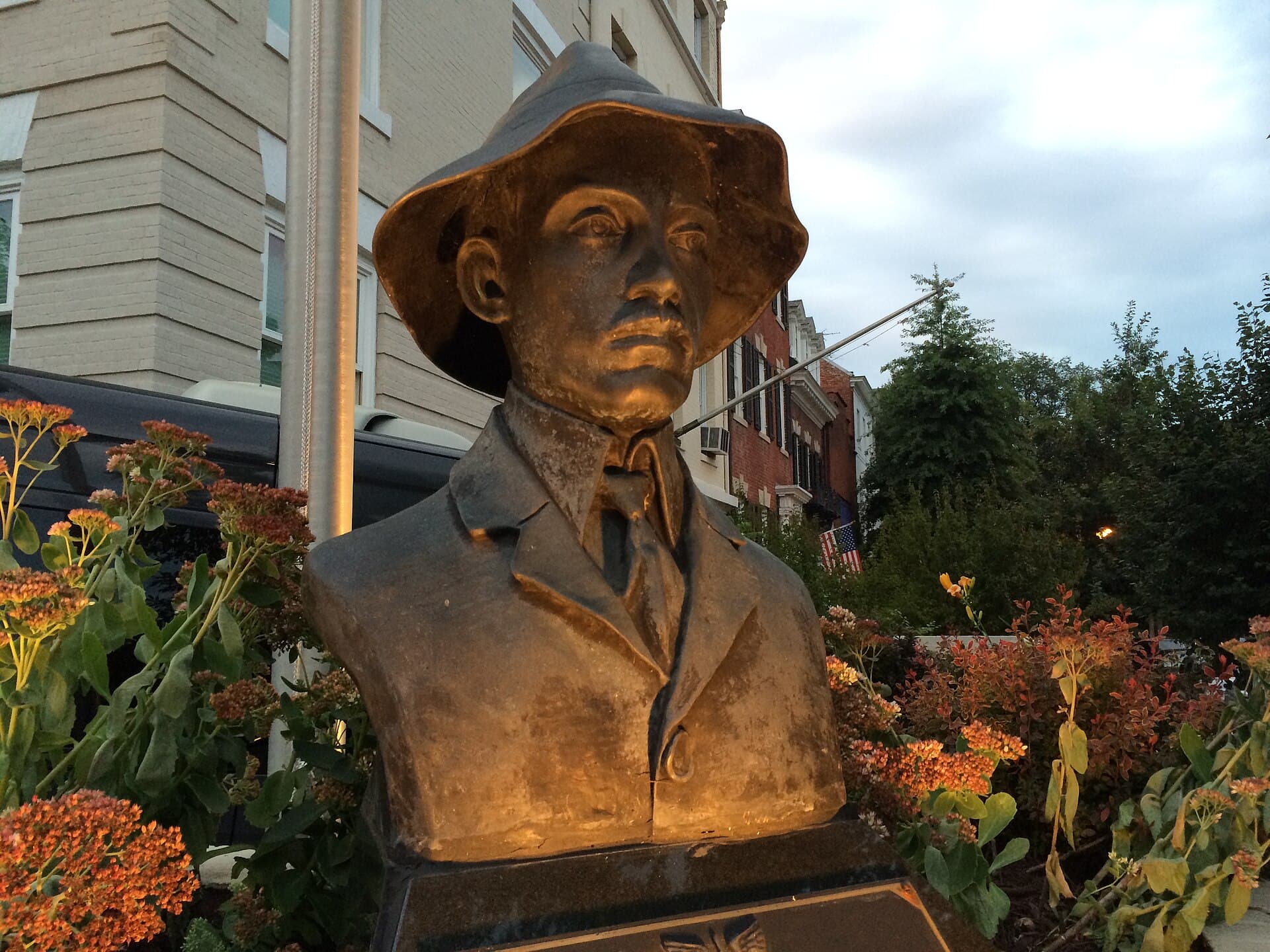 Patek Philippe MuseumIn Plainpalais the most venerable name in watches keeps the world's greatest wat1 minute walk4.4
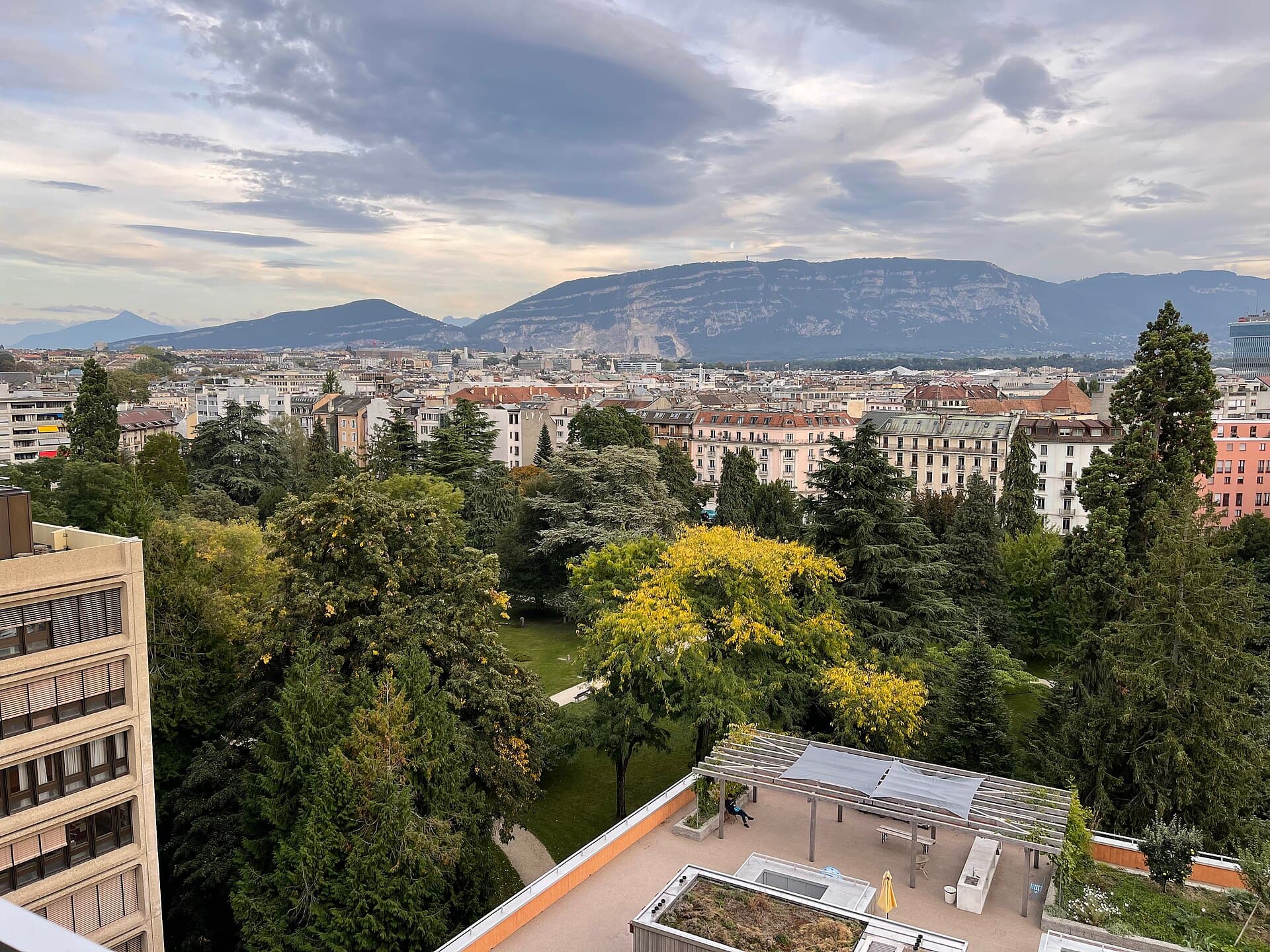 Cimetière des Rois (Plainpalais)The Cimetière des Rois — formally the **Cimetière de Plainpalais** — is Geneva's6 minutes walk4.6
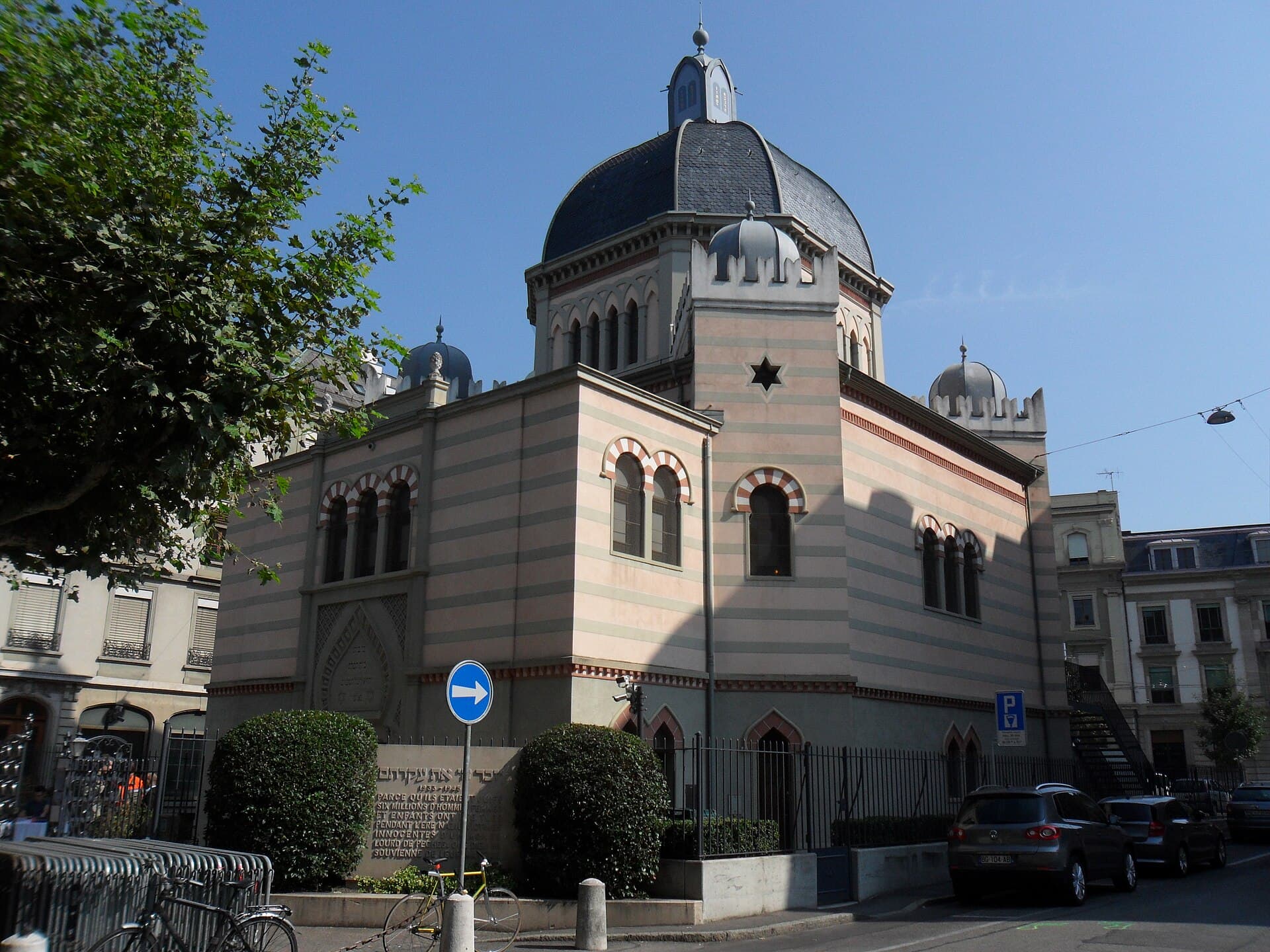 Beth-Yaacov Synagogue (the Great Synagogue)The Beth-Yaacov Synagogue is Geneva's principal synagogue, completed in **1859**8 minutes walk4.6
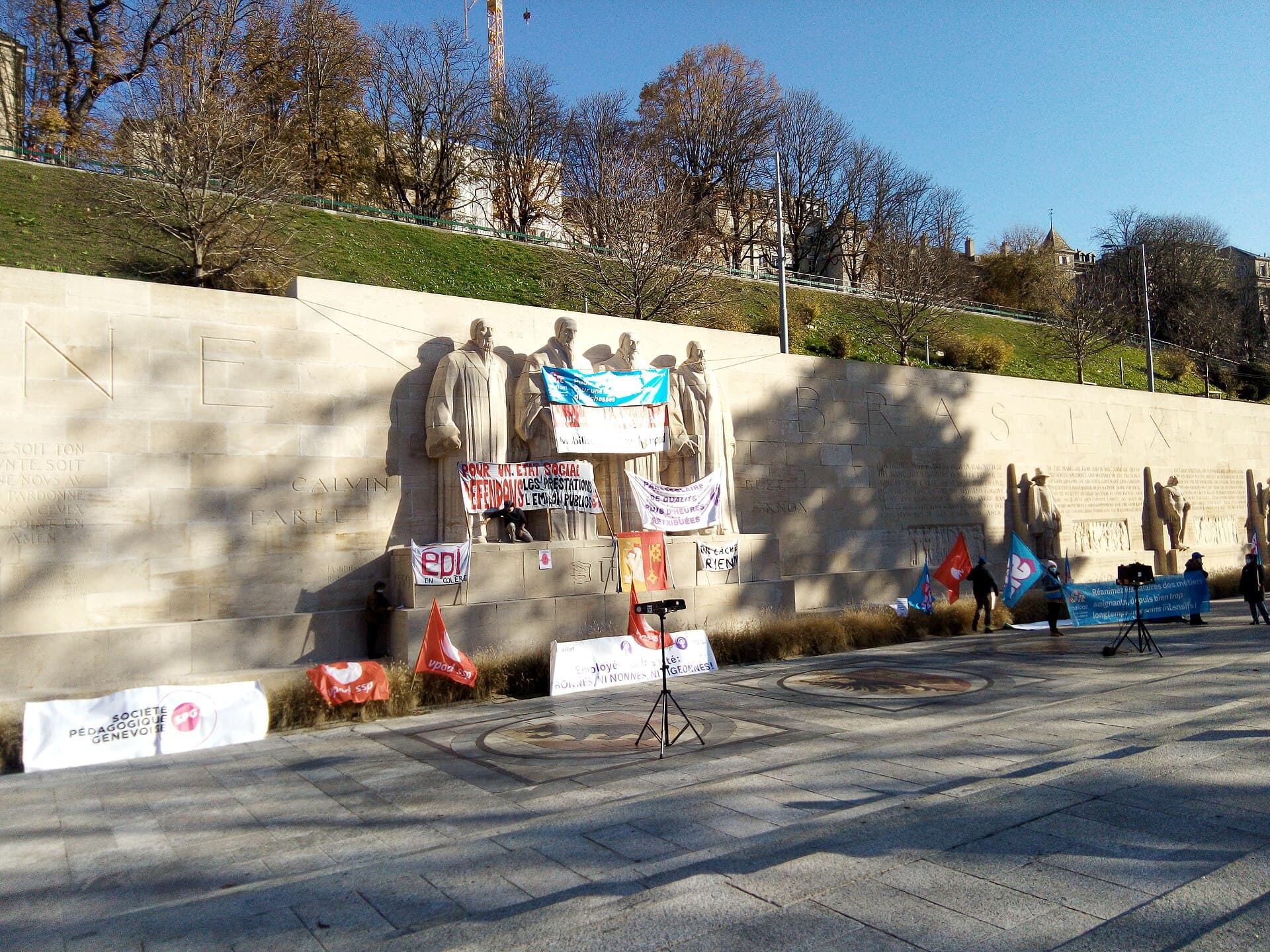 Reformation Wall & Parc des BastionsIn the Bastions park below the old-town ramparts runs the Reformation Wall's hun9 minutes walk4.6
 Musée Barbier-MuellerA small private museum in a sixteenth-century house in the heart of Geneva's old11 minutes walk4.4
With only one afternoon: the **Museum of Art and History** is broader and closer to the old town, and its permanent collection is also free. But if the non-European cultures are specifically what draws you — Africa, Asia, Oceania — the MEG is deeper, more recently staged and far quieter. Practically: save the MEG for a wet day, since it is underground and weather-proof, and keep the clear days for the lake and the mountains.