
Kept in his bathtub
Langlois stored prints at home because he refused to let them go.
DiscoA340 — CC BY-SA 4.0 · DiscoA340 — CC BY-SA 4.0 · Agence Rol — Public domain · Agence Rol — Public domain
A film institution in the Bercy district of Paris holding a museum of cinema, four screening rooms and one of the largest film archives in the world. The story of its founding is the reason film archives exist at all. Henri Langlois and Georges Franju started it in 1936, at a time when films were not kept: once a commercial run ended, prints were destroyed or melted down to recover the silver in the stock. Langlois collected them simply because he refused to let them be thrown away, storing them in his bath and under his bed in the early days. During the Nazi occupation he hid many prints that would have been seized or destroyed, among them films by Jewish directors and banned works. What survives of French silent cinema largely survives because of him. The place then became a school. The directors of the New Wave — Godard, Truffaut, Chabrol, Rivette — learned cinema by watching whatever Langlois screened each day, not at a film school. When the government tried to remove him in 1968, the protests that followed were called the Cinémathèque Affair and he was reinstated. Practical points: the museum is ticketed and screenings are ticketed separately. The building is by Frank Gehry. Most films screen in their original language with French subtitles — usually not English.
Langlois stored prints at home because he refused to let them go.
What survives of French silent cinema largely survives through him.
Godard and Truffaut learned by watching here daily, not at a film school.
Parc de Bercy, 12th arrondissement, Paris
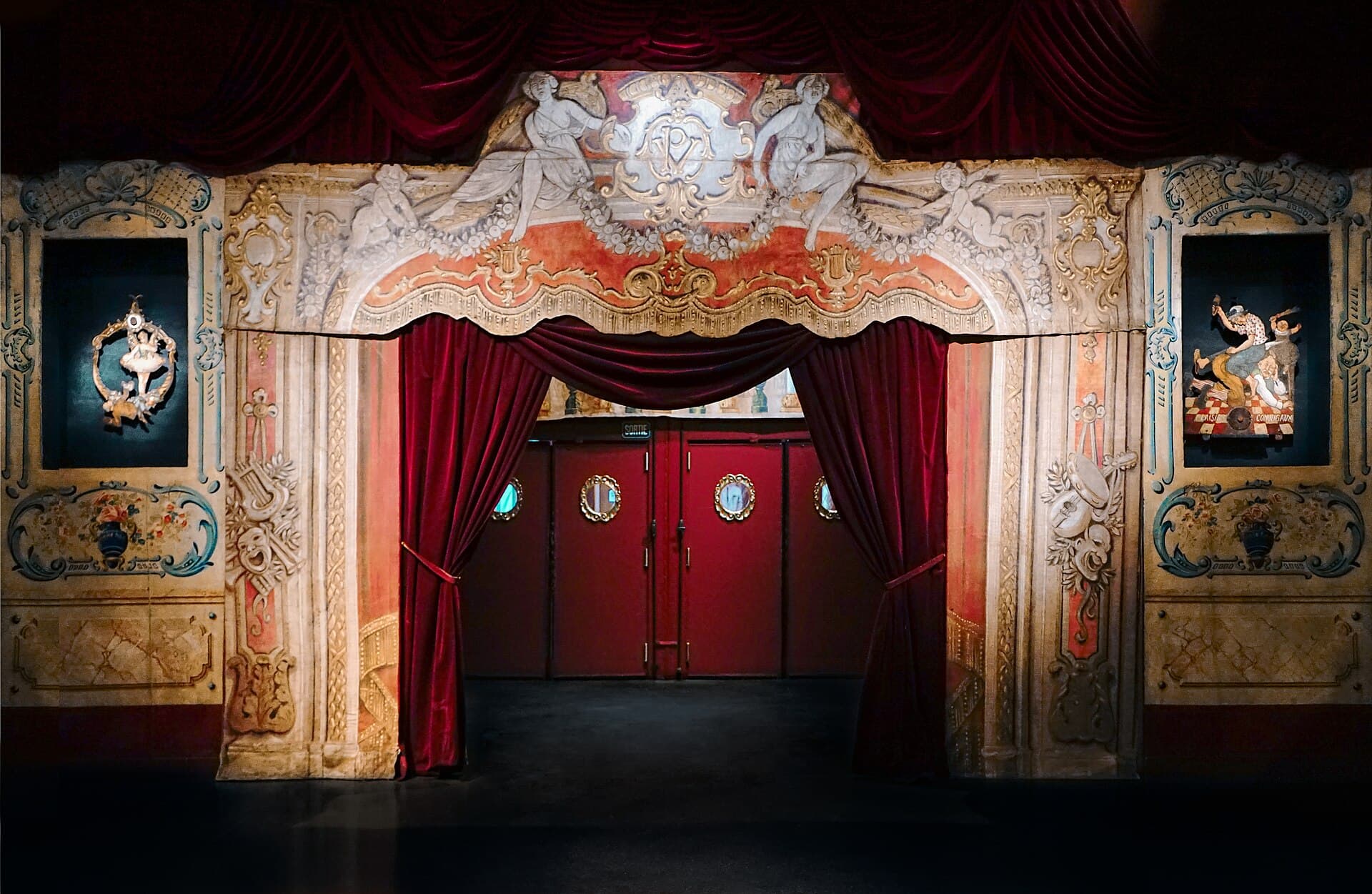 Pavillons de BercyIn the old Bercy wine warehouses hides the most magical and least famous of Pari8 minutes walk4.6
 Opéra BastilleParis's modern opera house on Place de la Bastille, opened in 1989 for the bicen23 minutes walk4.5
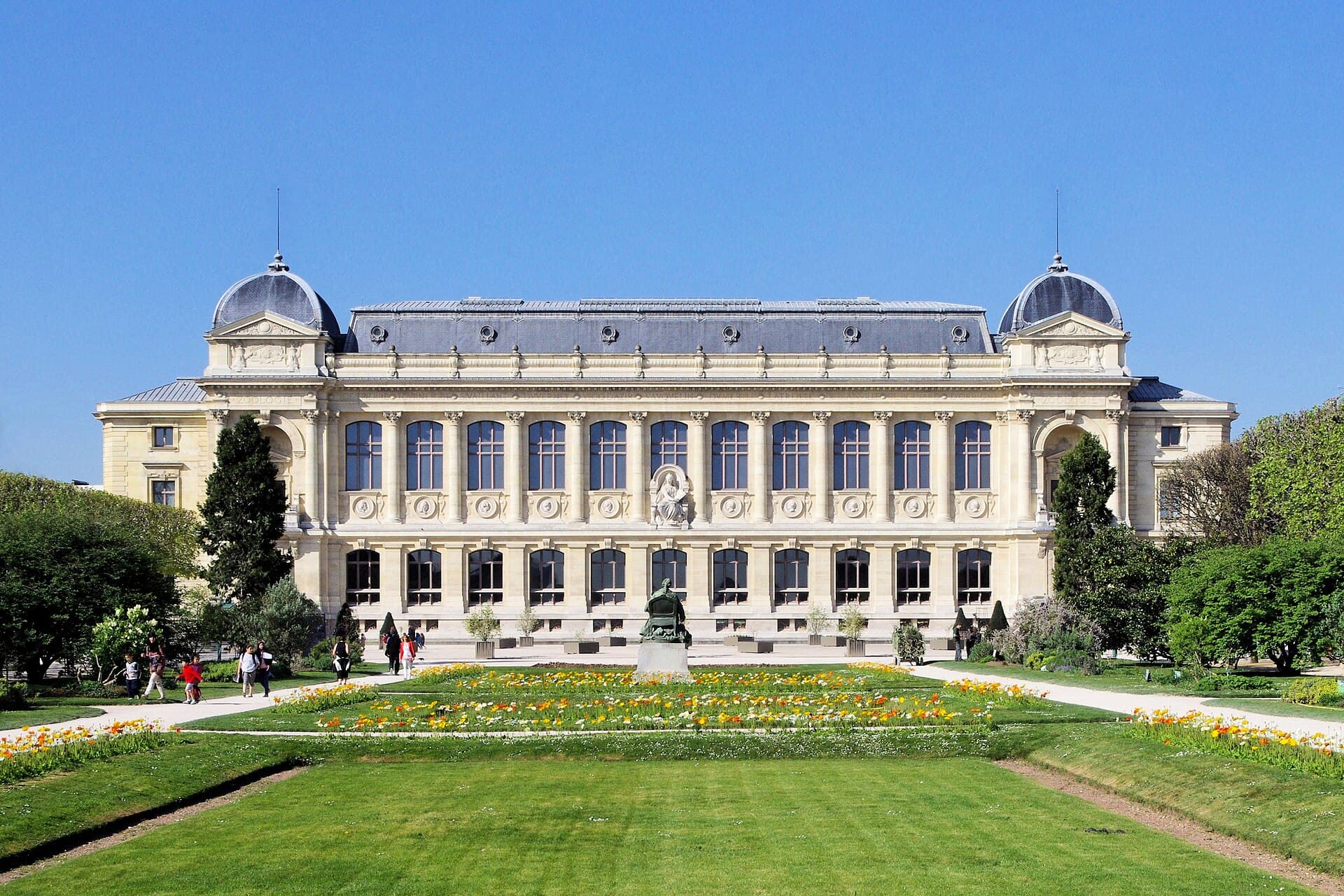 Grand Gallery of EvolutionAt the heart of the Jardin des Plantes stands Europe's most beautiful natural hi25 minutes walk4.5
In February 1968 the culture minister André Malraux moved to remove Henri Langlois from running the Cinémathèque on grounds of mismanagement — and he was genuinely chaotic as an administrator. The film world responded with a fury nobody expected: directors from France and abroad demonstrated, major filmmakers withdrew their films from the archive in protest, and protesters clashed with police. The government backed down in April and Langlois was reinstated. Many regard that confrontation as an early rehearsal for the events of May 1968 that shook France weeks later.
The museum itself, yes: it displays equipment, costumes and objects from film history, among them the mother's head from Hitchcock's Psycho and pre-cinema machines. But the screenings need French. If your interest is general, make it ninety minutes in the museum and then walk the Parc de Bercy and neighbouring Bercy Village, an old wine warehouse district turned into cafés and shops.