
The view from the wall
Both banks, the bridges and the Parliament in one frame — the most complete view of Budapest, and free.
Elekes Andor — CC BY 4.0 · Elekes Andor — CC BY 4.0 · Elekes Andor — CC BY 4.0 · Elekes Andor — CC BY 4.0
The Citadella is a low stone fort running some two hundred metres along the summit of Gellért Hill, and its history explains why Hungarians have never much loved it despite its being the most recognisable structure on the Buda skyline: the Austrians built it in 1854, just five years after crushing the Hungarian revolution of 1848, and its purpose was not to protect the city but to control it. Its sixty guns pointed at Budapest itself rather than at any external enemy. After the Austro-Hungarian Compromise of 1867 it lost that function, the city demanded its demolition, and a symbolic section of its wall was indeed pulled down in 1897 to mark the end of its role. It was later used as a shelter and artillery position in the Second World War, and as a tourist site under communism. In front of it stands the Liberty Statue, which is the landmark people actually see from the city. The fort itself has undergone long restoration and development work and its interior sections may be closed — check before climbing if going inside is your aim. What matters, though, is that the surrounding area and the view are free and always open, and they are the real reason to come up.
Both banks, the bridges and the Parliament in one frame — the most complete view of Budapest, and free.
Fourteen metres of bronze in front of the fort, and the most recognisable silhouette on the Buda skyline.
A symbolic gap pulled down in 1897 to mark the end of the fort's role as an Austrian instrument of control — politics written into stone.
Winding routes through trees with repeated openings onto the river — the climb itself is half the pleasure.
Summit of Gellért Hill, Buda 1118
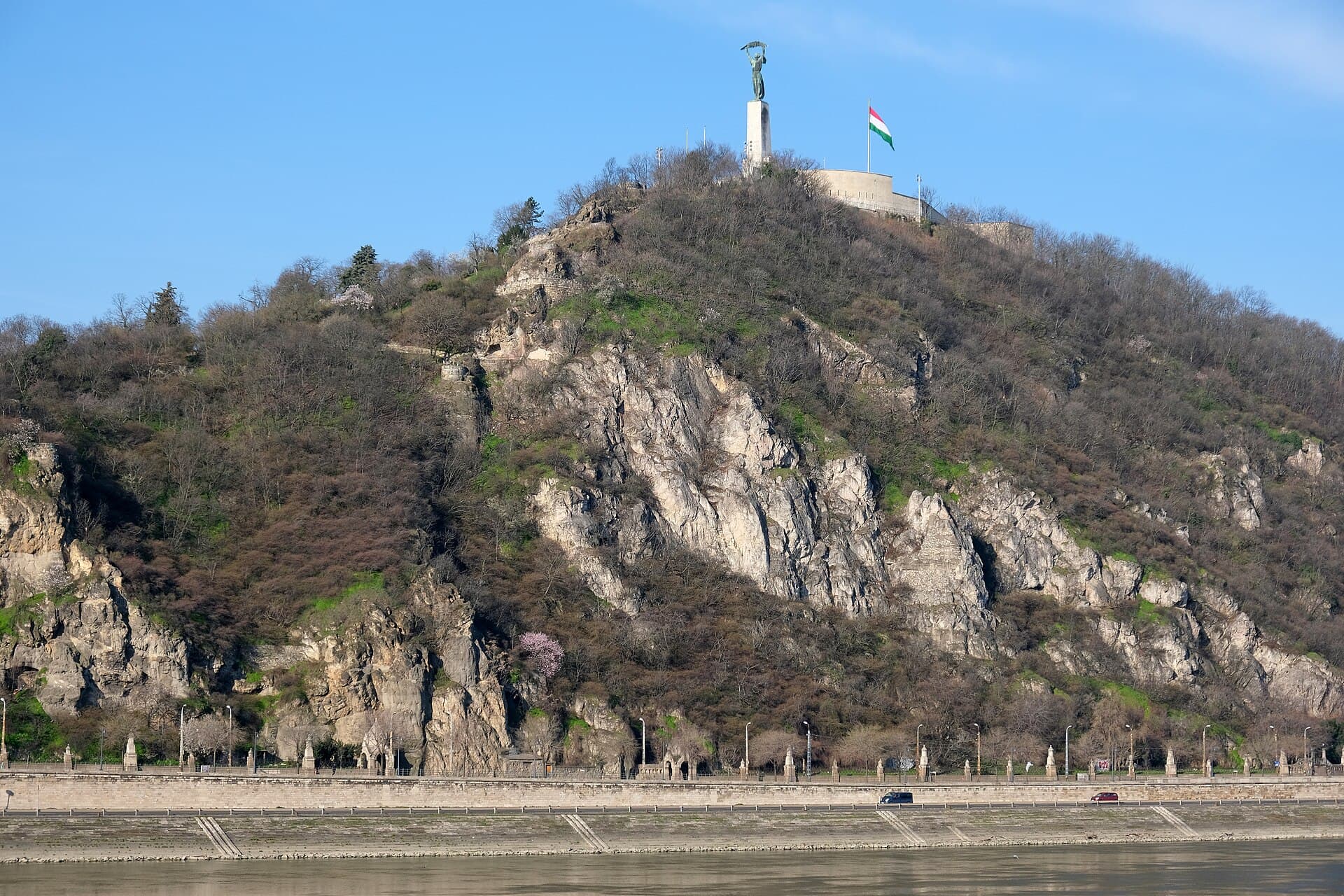 Gellért HillGellért Hill is a dolomite rock rising 235 metres straight above the Danube on t1 minute walk4.8
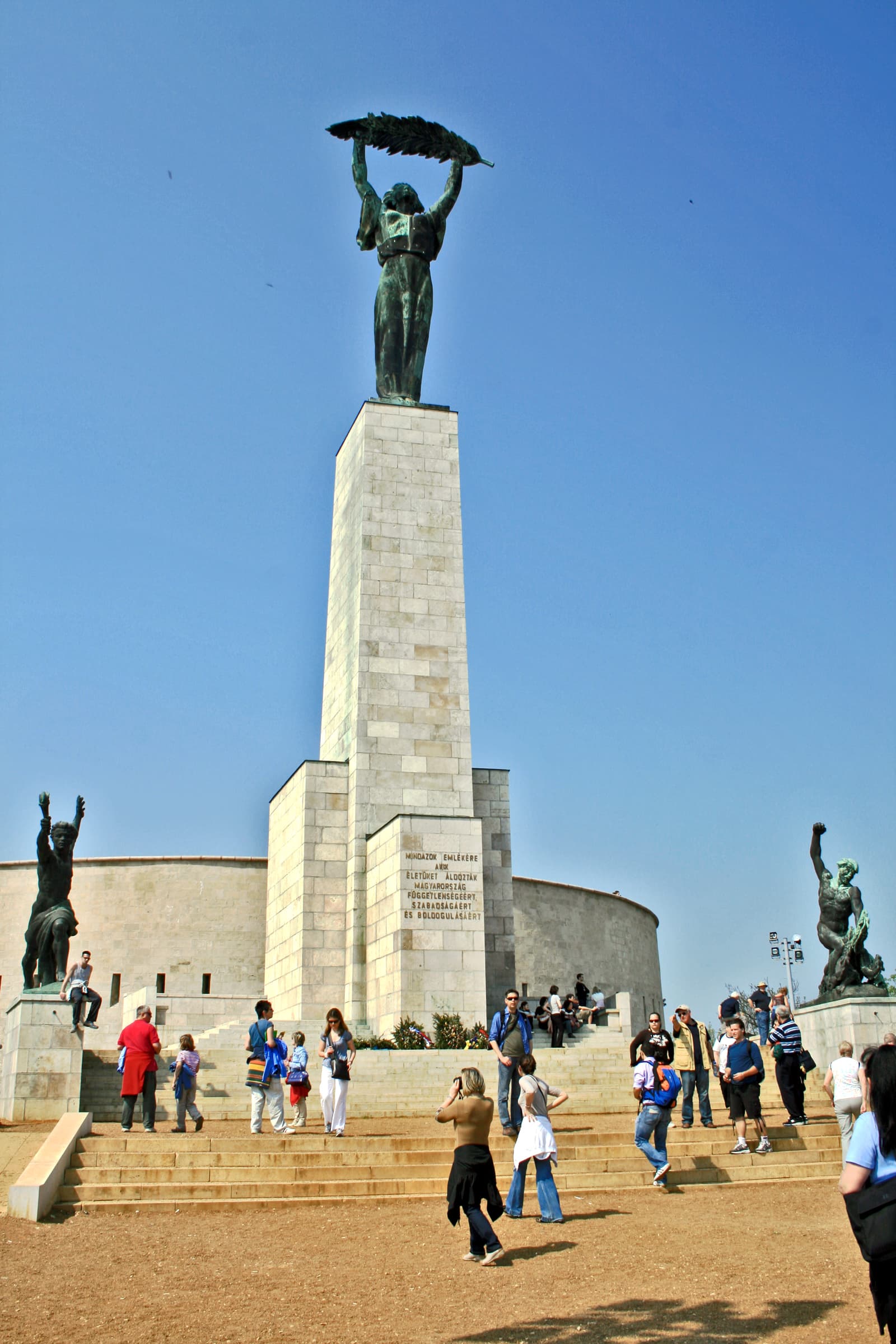 Liberty StatueThe Liberty Statue is a fourteen-metre bronze woman holding a palm frond above h2 minutes walk4.5
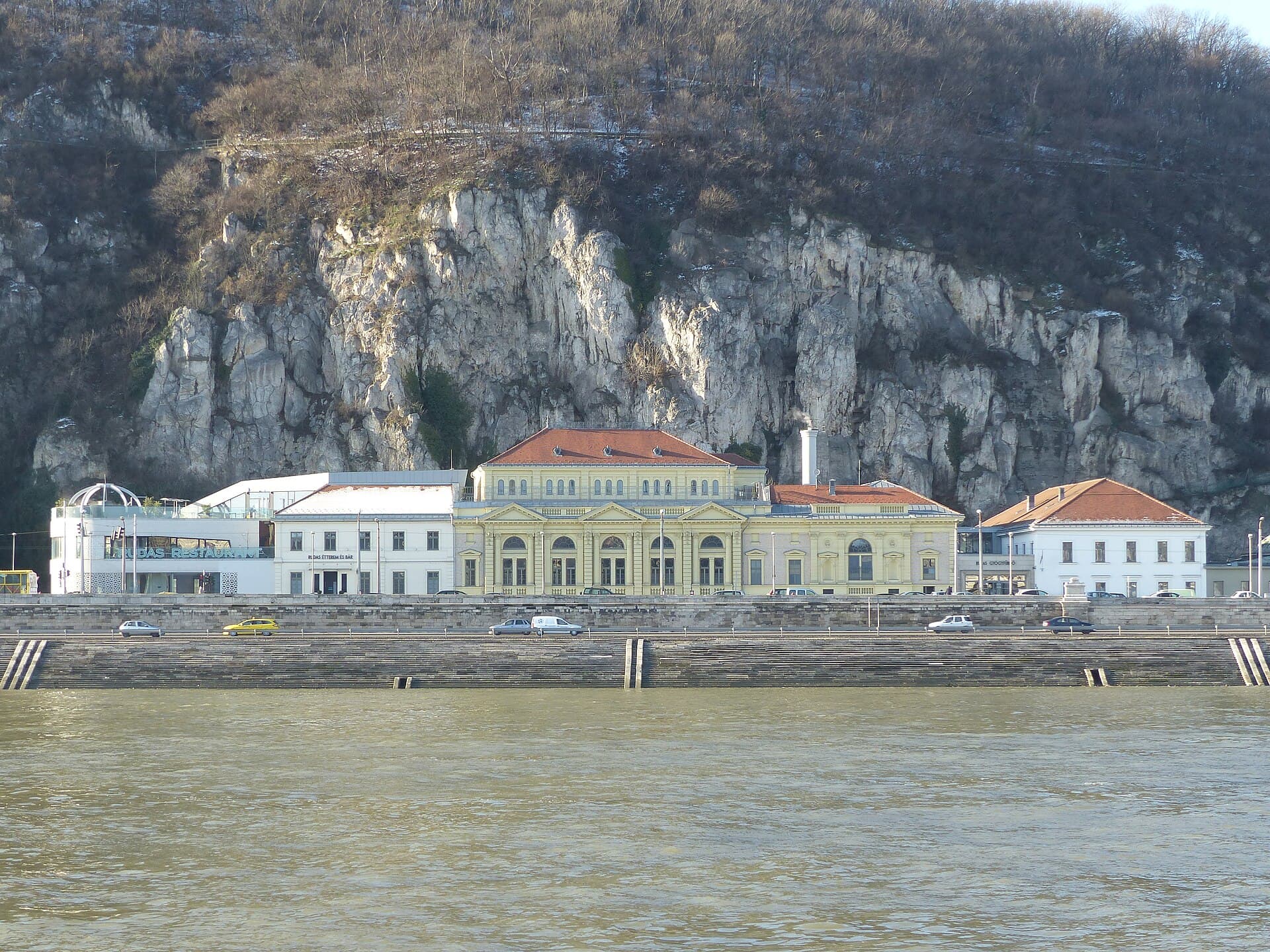 Rudas Thermal Bath and Swimming PoolThe Rudas Baths are the oldest and most historically authentic of Budapest's bat3 minutes walk4.4
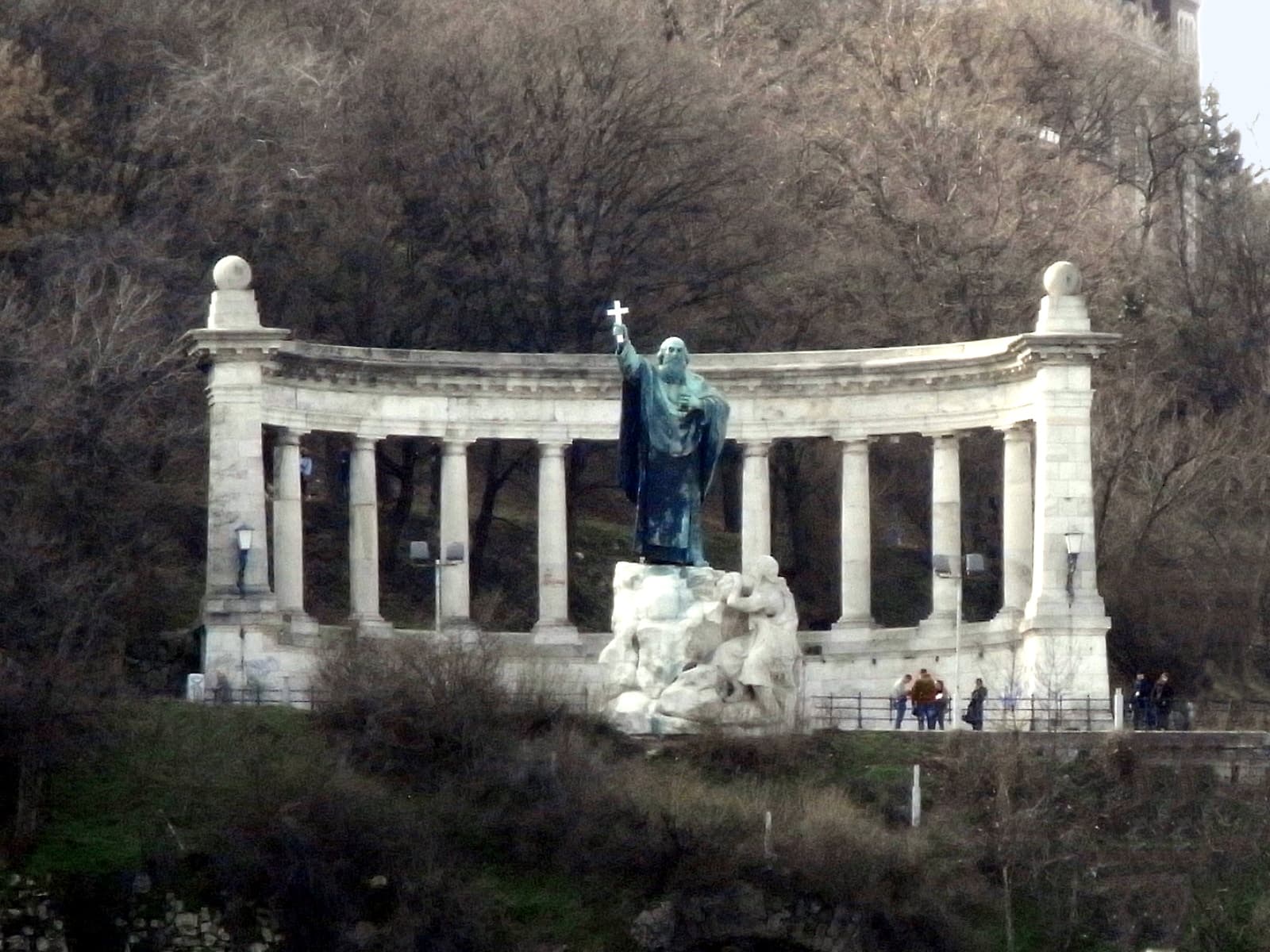 St Gellért MonumentA monumental statue on the slope of Gellért Hill overlooking the Danube, showing4 minutes walk4.7
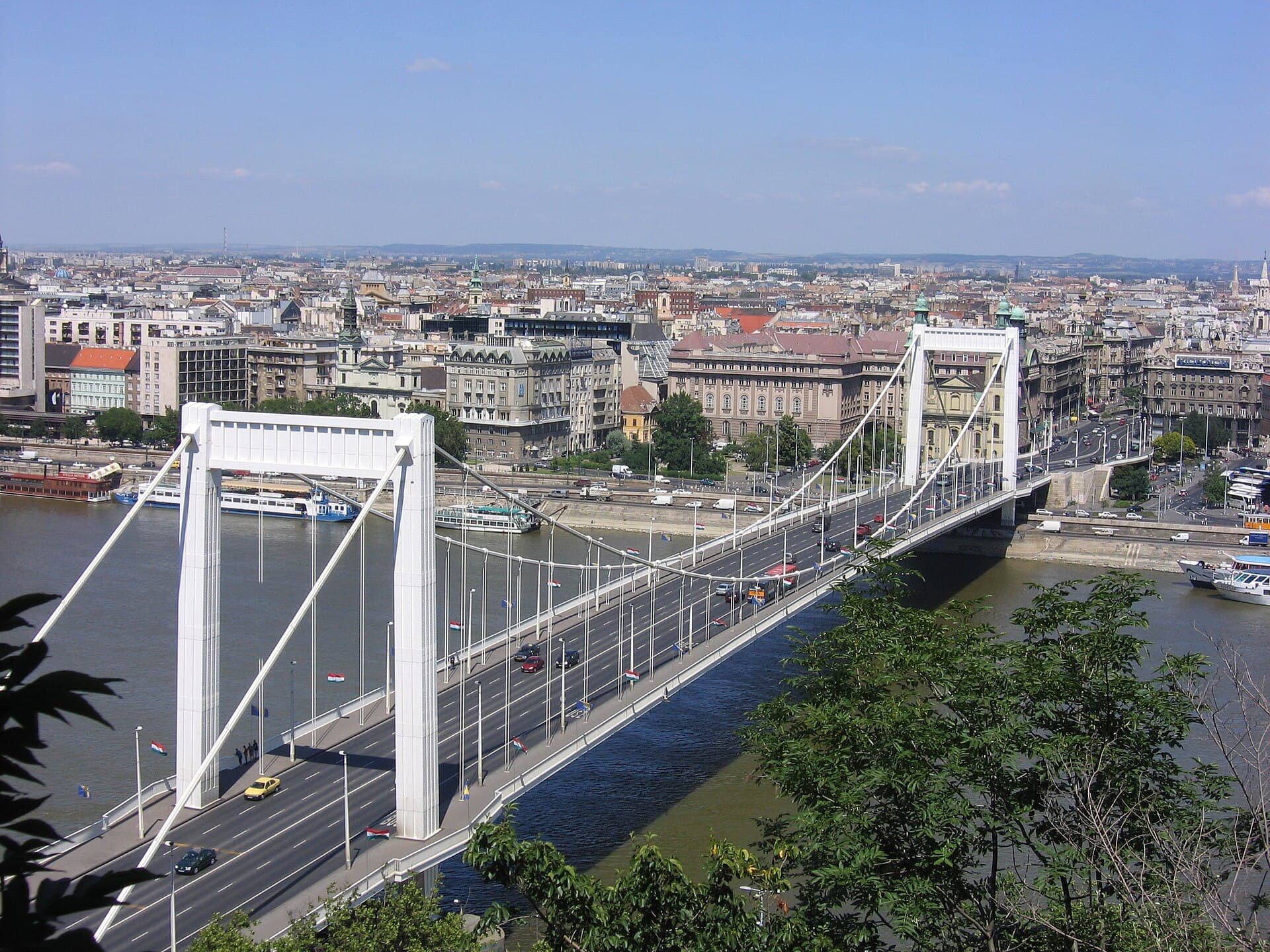 Elisabeth BridgeElisabeth Bridge is the slim white crossing between the Chain Bridge and Liberty6 minutes walk4.7
To hold Budapest down after the defeated revolution of 1848, not to defend it. Its guns were sited to cover the city itself, and the message to its inhabitants was explicit. That is why it has never been treated as a Hungarian national symbol despite its commanding position.
Clearly yes. The real reasons to come up are the view, the Liberty Statue and the walk on the hill, all free and open regardless of the building's state. Do not cancel over an interior closure.
Bus 27 from Móricz Zsigmond körtér covers most of the height and leaves you a few minutes' walk away — the better option for older visitors or in summer heat. Walking up from the Gellért Hotel is prettier but is thirty minutes of climbing.
Gellért Hill itself — its paths, waterfall and the St Gerard monument — and then down to the Gellért Baths at the foot: a single coherent route from summit to water.