
The roof
Sculptural stacks, a running track and a horizon of hills.
vincent desjardins — CC BY 2.0 · Matthias Süßen — CC BY-SA 4.0 · Carl Ha — CC BY-SA 4.0 · Peter Christian Riemann — CC BY-SA 4.0
An enormous concrete slab lifted on thick pillars in southern Marseille: this is the **Unité d'Habitation**, the most famous apartment building of the twentieth century, designed by **Le Corbusier** and completed in 1952 to house people displaced by the war. Its idea was that housing is not stacked boxes but a **vertical village**: 337 apartments in an interlocking plan that gives many of them two storeys and windows on both sides, with an interior street of shops, a café and a small hotel — still operating — running through the middle of the building. The material is raw poured concrete carrying the imprint of its timber shuttering: *béton brut*, the phrase that later gave Brutalism its name. The roof is what stops visitors: an open deck with ventilation stacks shaped like sculpture, a running track, a children's pool, and the hills of Marseille on the horizon. A contemporary art centre now programmes exhibitions up there. UNESCO inscribed the building on the **World Heritage List in 2016**, within a nomination gathering Le Corbusier's work across seven countries. Note that it is **a genuine residential building**, not a museum: people live here now, which is why visiting is limited to the public parts.
Sculptural stacks, a running track and a horizon of hills.
Shops, a café and a small hotel inside the building.
Raw concrete with timber imprints — the root of Brutalism.
280 Boulevard Michelet, 13008 Marseille
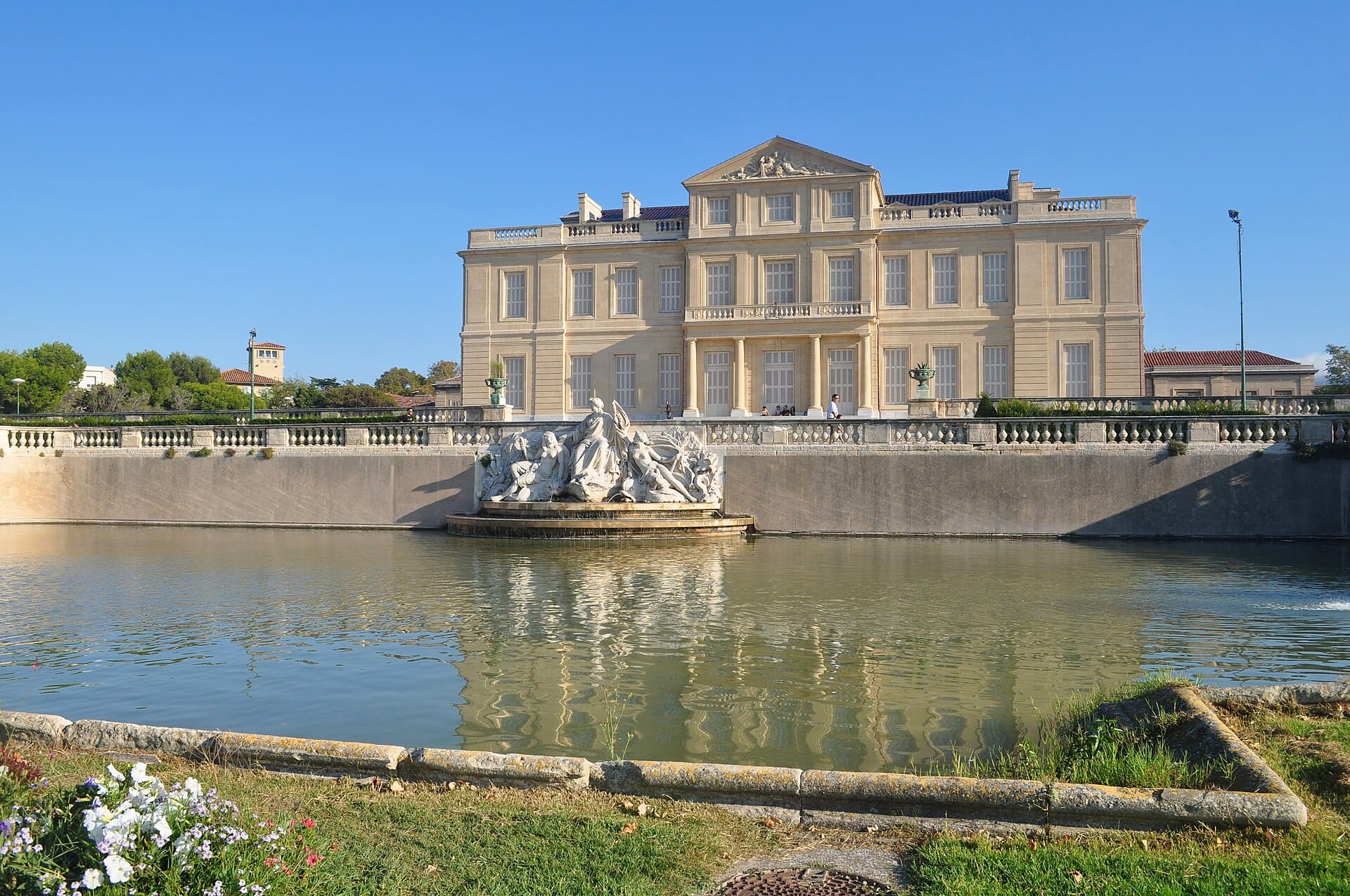 Château Borély — Museum of Decorative Arts, Faience and FashionIn the middle of **Parc Borély** in southern Marseille stands an elegant eightee16 minutes walk4.4
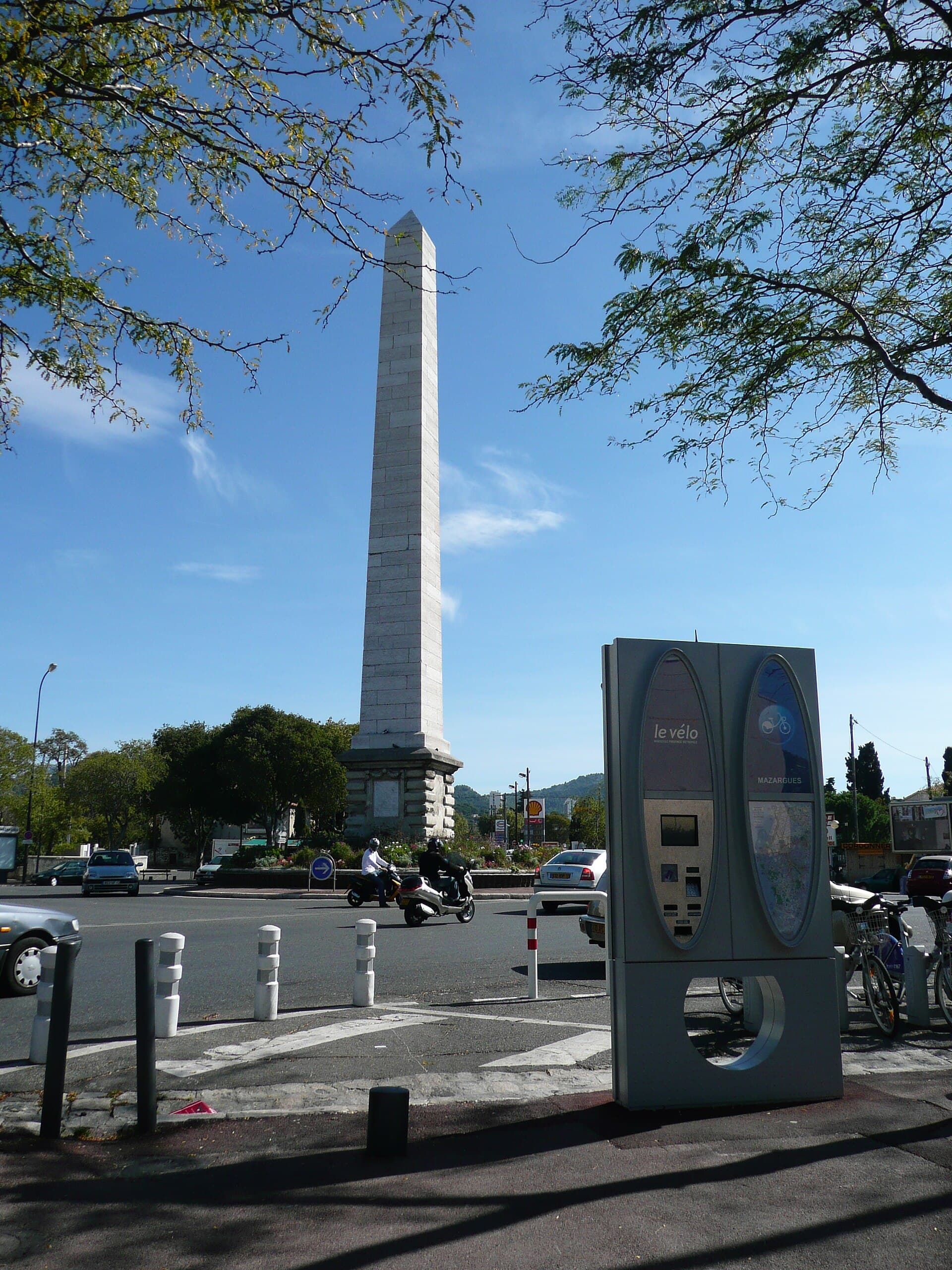 Mazargues ObeliskA stone obelisk in the Mazargues district of southern Marseille, raised in the e16 minutes walk4.1
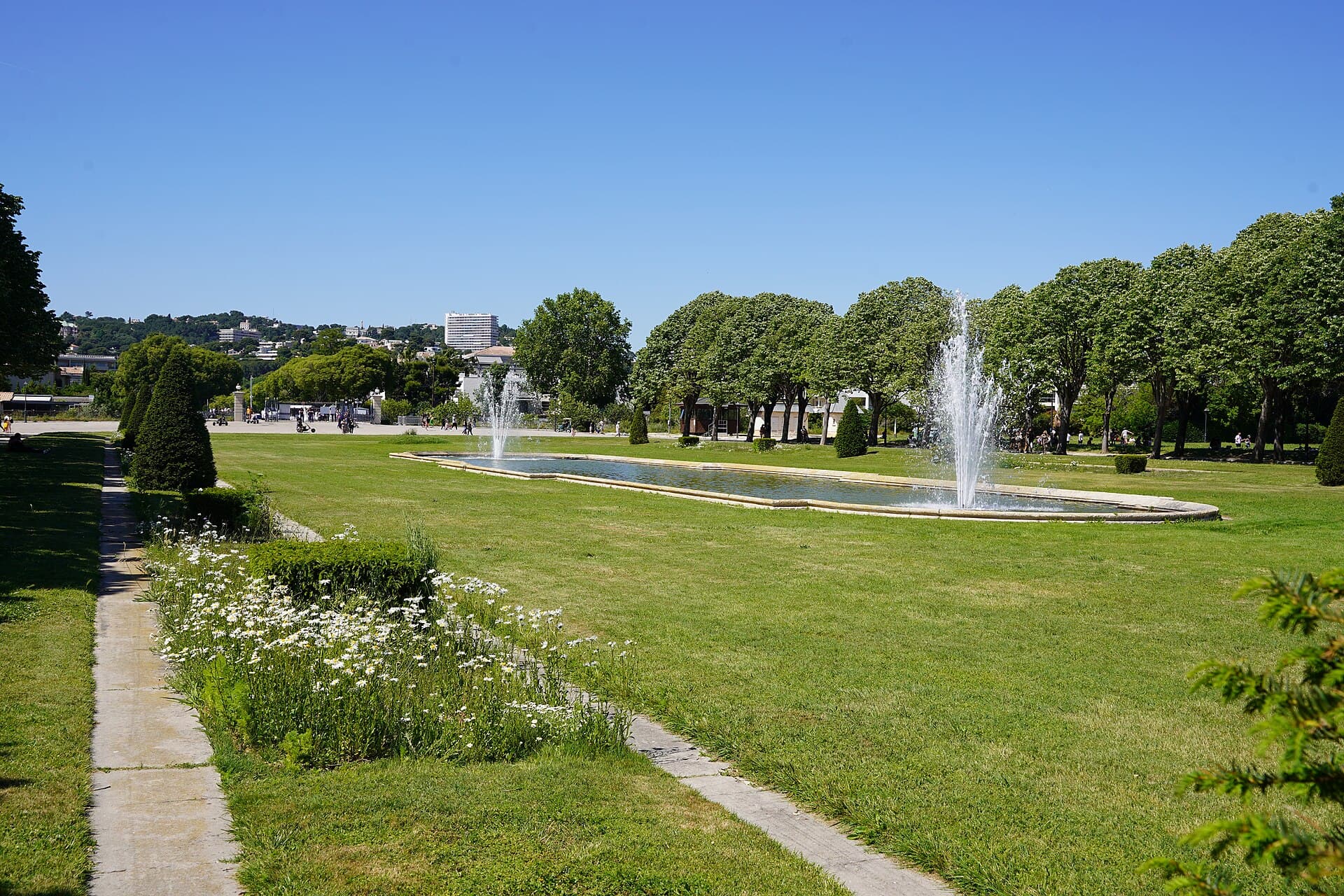 Parc BorélyBorély is Marseille's first family park: seventeen hectares around the elegant e16 minutes walk4.4
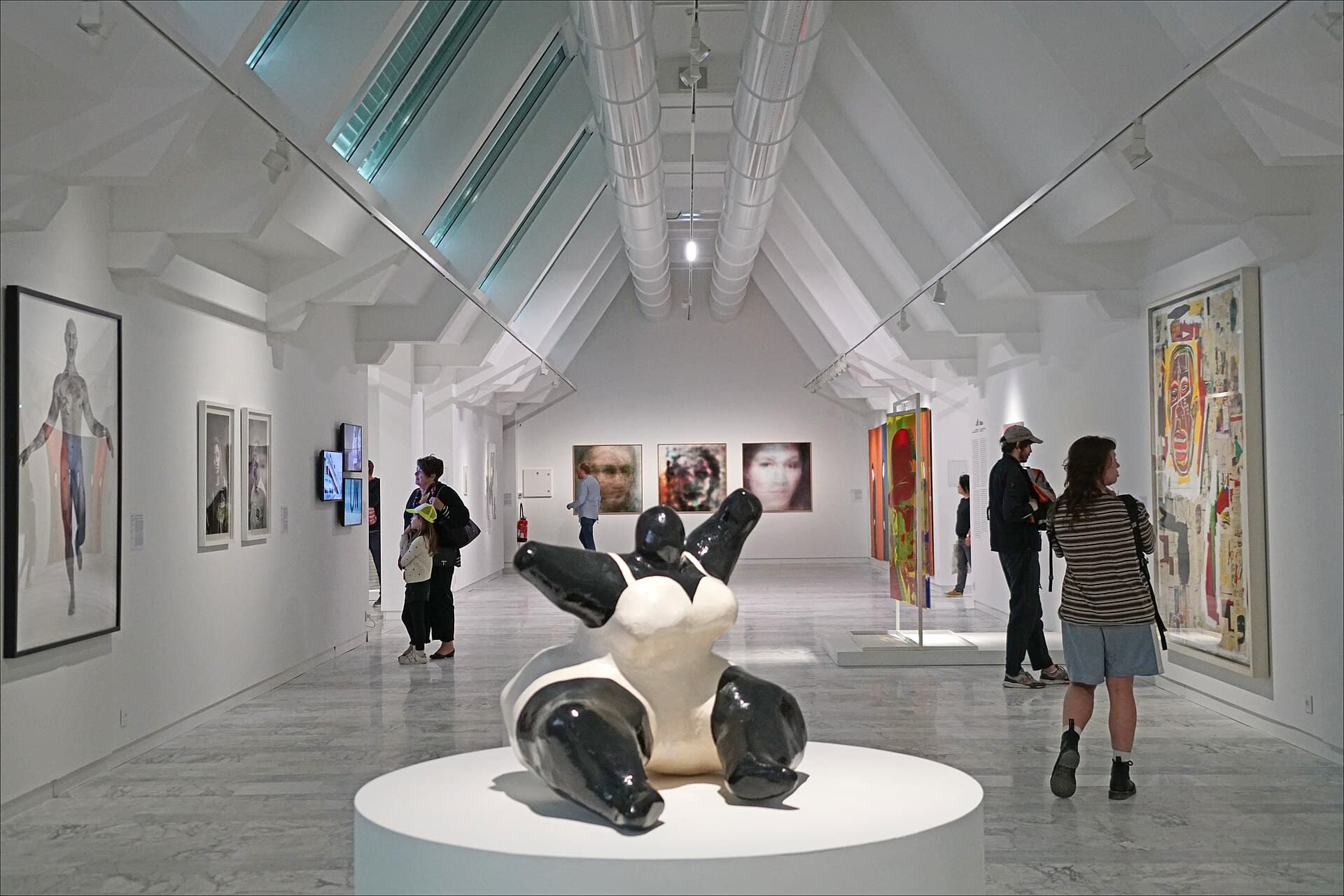 MAC — Museum of Contemporary ArtMarseille's museum of contemporary art, known in short as **[mac]**, sits in the17 minutes walk4.0
Partly. The **interior street and the roof** are usually open to visitors during the day without a ticket, and that is enough to understand the building and see the best of it. The **apartments are lived in** and can only be entered on a guided tour booked in advance through the Marseille tourist office, which includes a show flat furnished in period pieces. Behave as a guest: don't photograph inside the residential corridors and keep your voice down — this is people's home, not an exhibition.
If architecture interests you, then yes without hesitation — this is one of the most important buildings in the history of modern architecture and nothing in Marseille resembles it. If you are on a short visit taking in only three or four sights, perhaps not: it sits about five kilometres south of the centre, and the round trip plus the visit eats half a day. You can combine it with Parc Borély and Château Borély, relatively nearby in the south, to make the journey pay.