
A borrowed form
The obelisk is an Egyptian emblem adopted by Rome and later reproduced in Europe.
maarjaara — CC BY 2.0 · Fred Romero from Paris, France — CC BY 2.0 · Rvalette — CC BY-SA 3.0
A stone obelisk in the Mazargues district of southern Marseille, raised in the eighteenth century and later moved to its present position at a crossroads in the quarter. Obelisks in European cities are a pattern worth noticing: the form is Egyptian in origin, adopted by ancient Rome which brought real obelisks from Egypt, and then reproduced locally across Europe in the seventeenth and eighteenth centuries as an emblem of authority and permanence. An obelisk like this is not an Egyptian antiquity but a borrowing of a shape associated with endurance. Mazargues itself was an independent village before Marseille swallowed it in expansion, which is common in this city: many of its southern and eastern districts were villages with their own squares and churches. The obelisk is a remnant of that stage. A plain practical point: this is not a destination. It is a monument at a crossroads in a residential district well outside the centre. Do not go for it — note it only if you are in the area heading for the calanques or Parc Borély.
The obelisk is an Egyptian emblem adopted by Rome and later reproduced in Europe.
Many of Marseille's southern districts were independent villages.
A monument at a crossroads — minutes if passing, not a trip.
Mazargues district, south Marseille
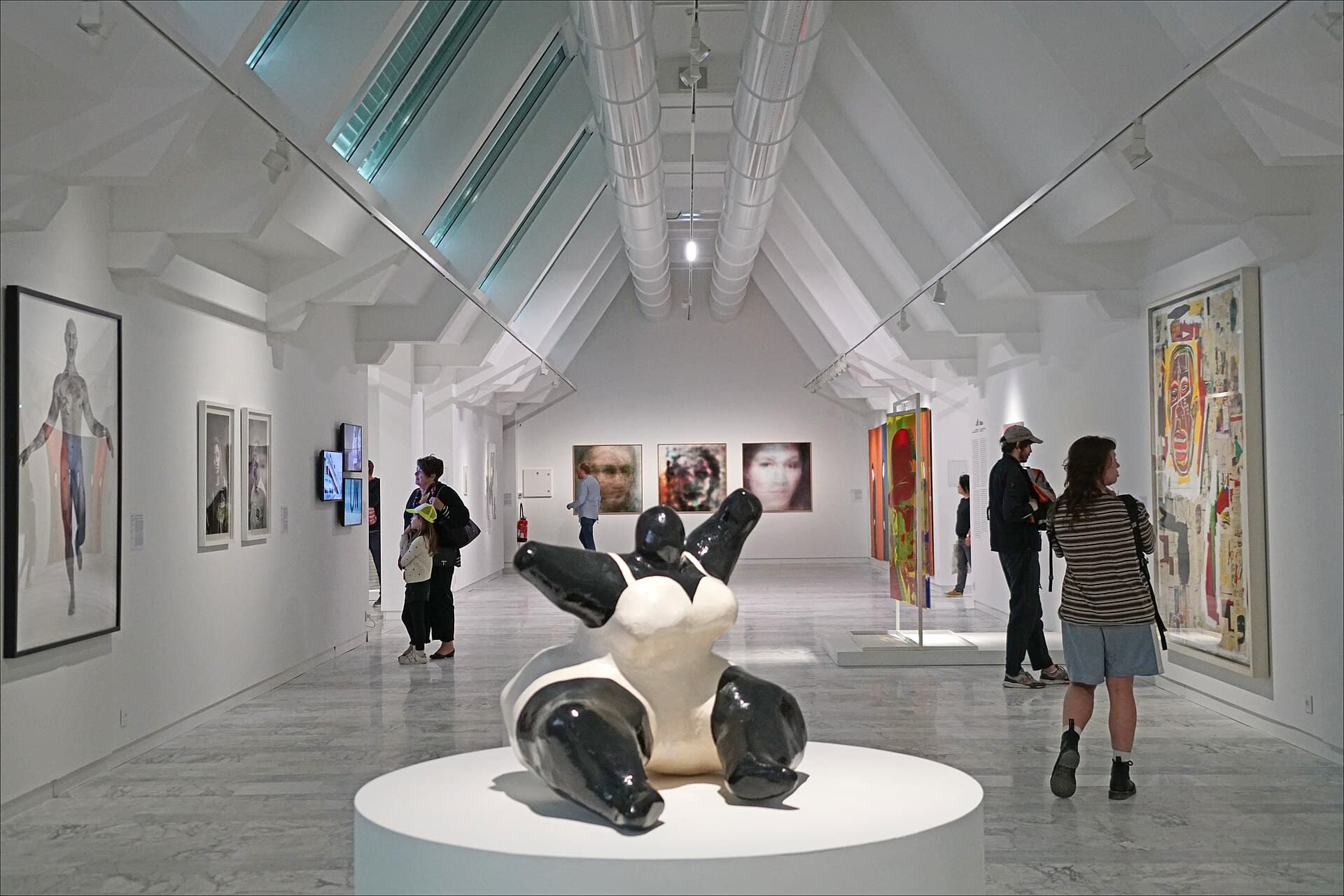 MAC — Museum of Contemporary ArtMarseille's museum of contemporary art, known in short as **[mac]**, sits in the14 minutes walk4.0
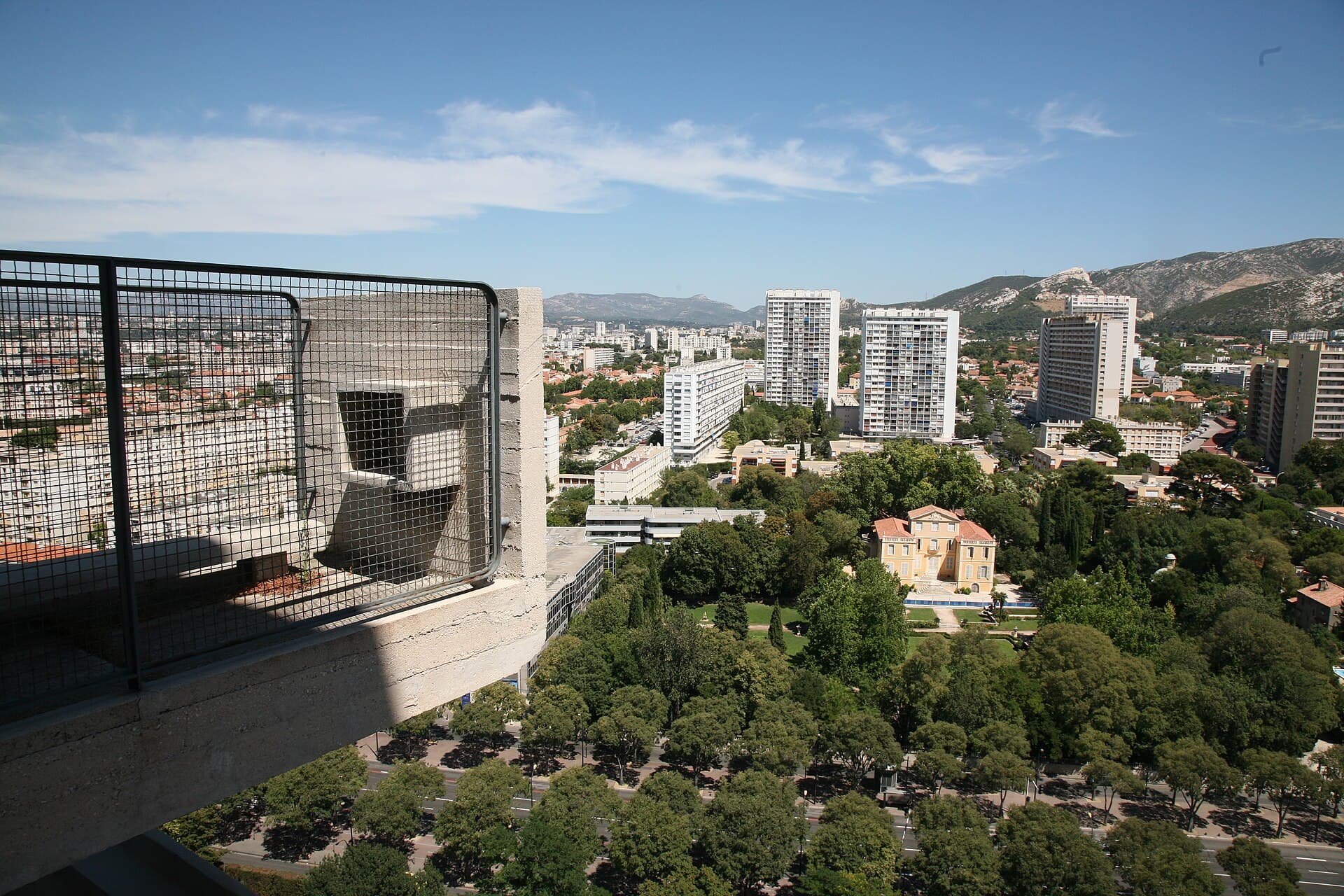 Cité Radieuse (Unité d'Habitation)An enormous concrete slab lifted on thick pillars in southern Marseille: this is16 minutes walk4.9
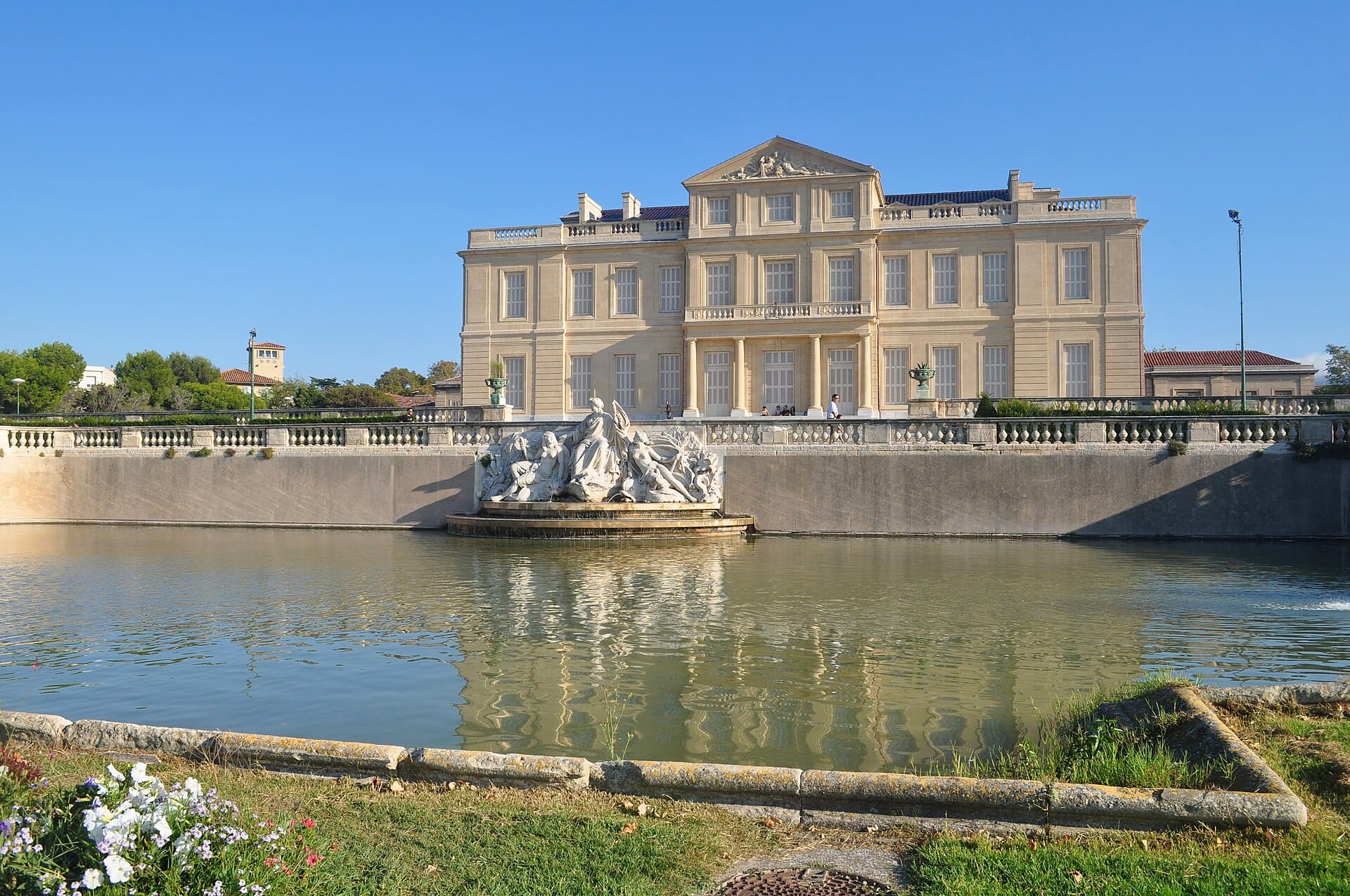 Château Borély — Museum of Decorative Arts, Faience and FashionIn the middle of **Parc Borély** in southern Marseille stands an elegant eightee24 minutes walk4.4
Not as a destination in itself. But if you are heading south to the calanques from the Luminy car park or to Parc Borély and the Prado beaches, you will pass through the area. Know it as a detail explaining how Marseille grew by absorbing its villages.
The Calanques National Park above all, then Parc Borély and its château, the Prado beaches, and the Cité Radieuse, Le Corbusier's building. Those are the south's real destinations.