
The Cascada
Gilded architecture, dragons and water — with young Gaudí in the details.
SACE (Servicios Aéreos Comerciales Españoles); Rodríguez Escalona, Carlos — CC BY 1.0 · Fred Romero — CC BY 2.0 · Fred Romero — CC BY 2.0 · Nicolas Vigier from Spain — CC0
Ciutadella is Barcelona's mother park: on the ground of a hated military citadel the citizens themselves tore down rose the city's first green lung — lawns and palms and feral parakeets, a little rowing lake, and the monumental Cascada fountain whose details involved a young architecture student named Antoni Gaudí. It is the city-centre living room without a ticket: families around the lake, students on the grass, musicians under the trees, and a life-size stone mammoth that generations have climbed. On its edges sit Catalonia's parliament and the zoo. Enter from the Arc de Triomf along the palm promenade — and a rowing boat for a modest euro is the finest close to a Born-and-Gothic walk.
Gilded architecture, dragons and water — with young Gaudí in the details.
Little boats under palms in the city's heart.
A life-size ice-age elephant — generations' climbing toy.
Feral green flocks in the palms — the park's beloved racket.
Passeig de Picasso 21, 08003 Barcelona
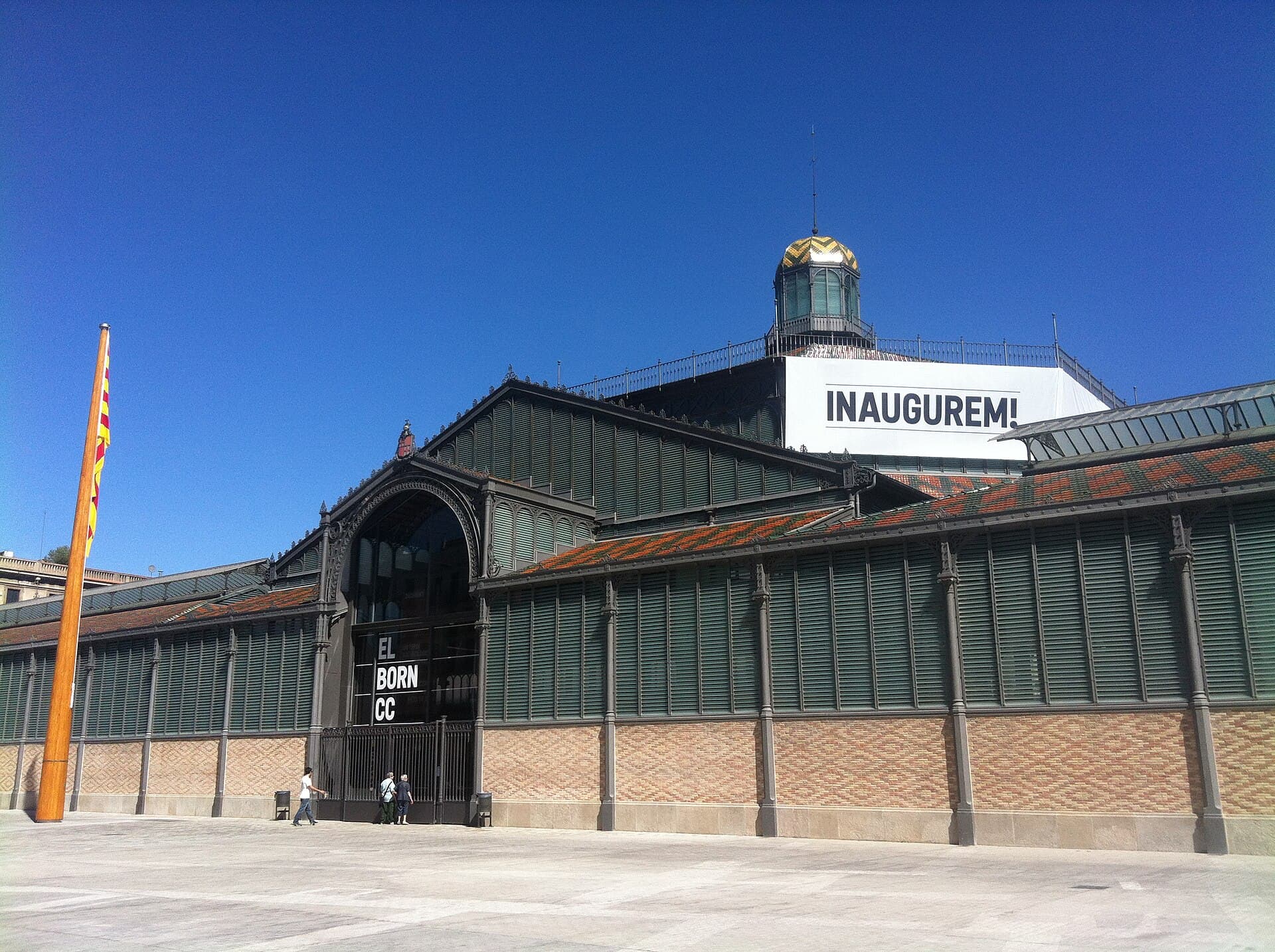 El Born Centre de Cultura i MemòriaAn iron-and-glass market hall from the 1870s, later the city's wholesale fruit-a5 minutes walk4.6
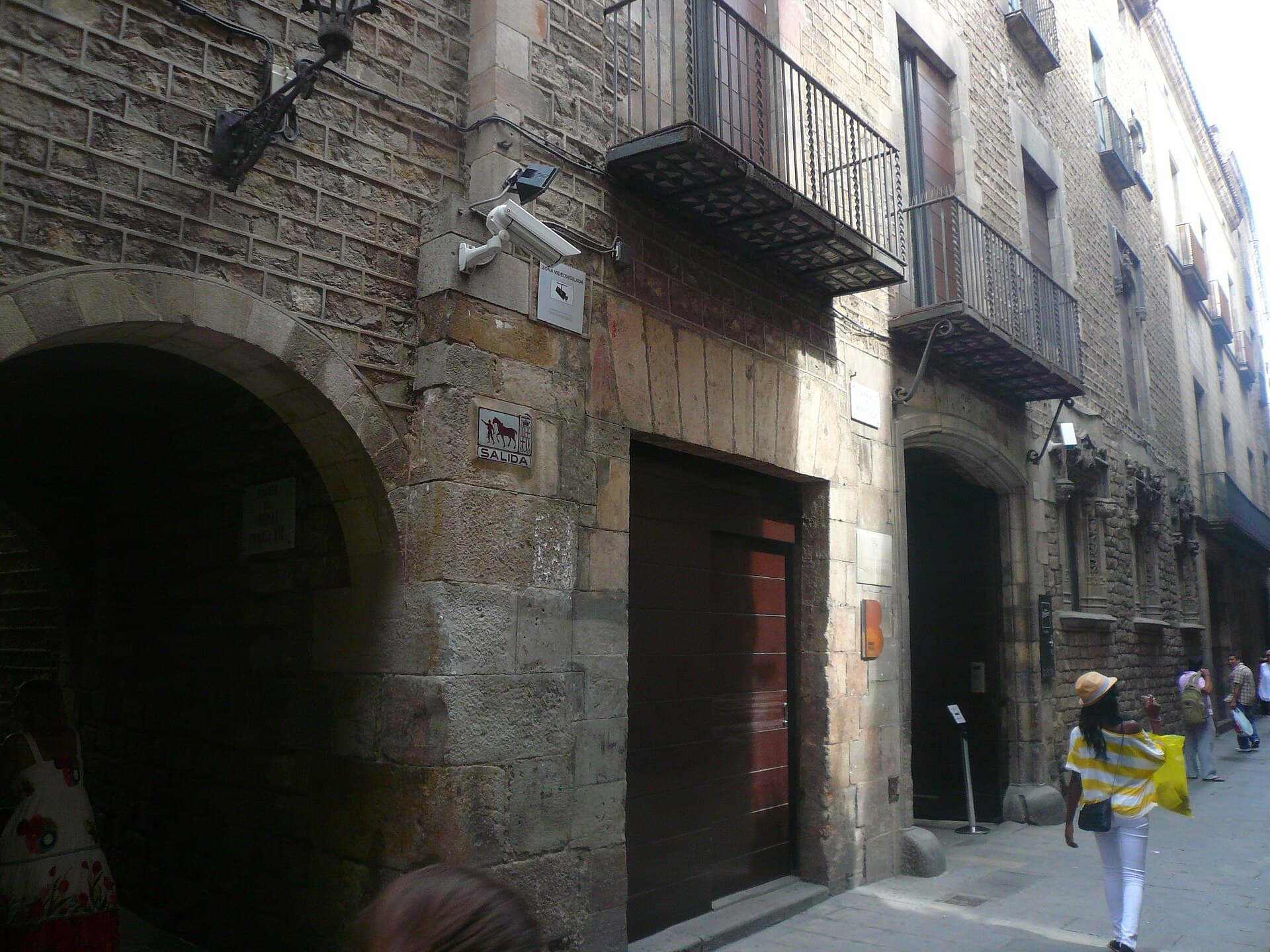 Picasso MuseumBarcelona's Picasso Museum tells what no other can: how Picasso became Picasso. 8 minutes walk4.3
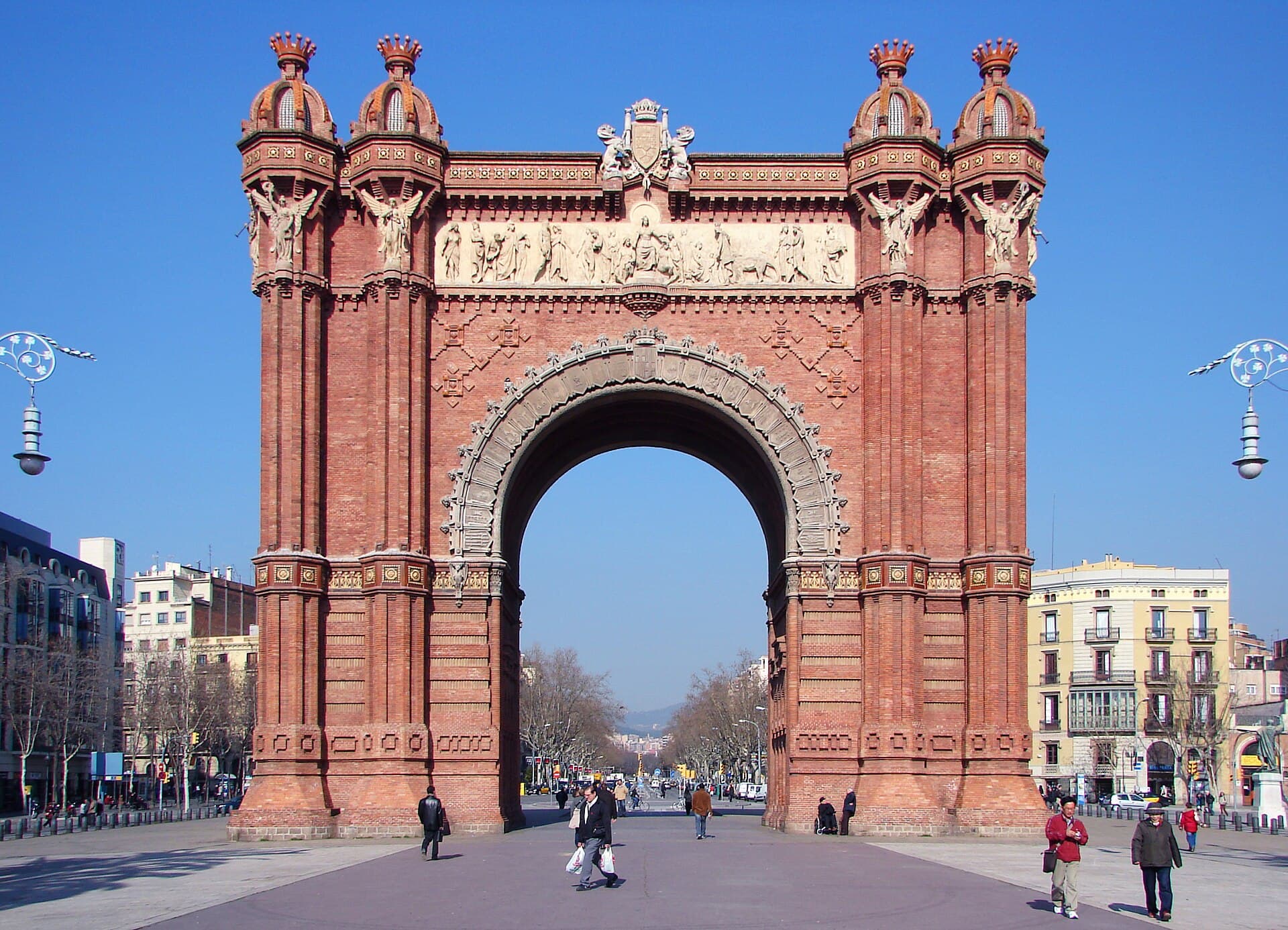 Arc de TriomfBarcelona's triumphal arch never celebrated a war — built as the honorary gatewa8 minutes walk4.7
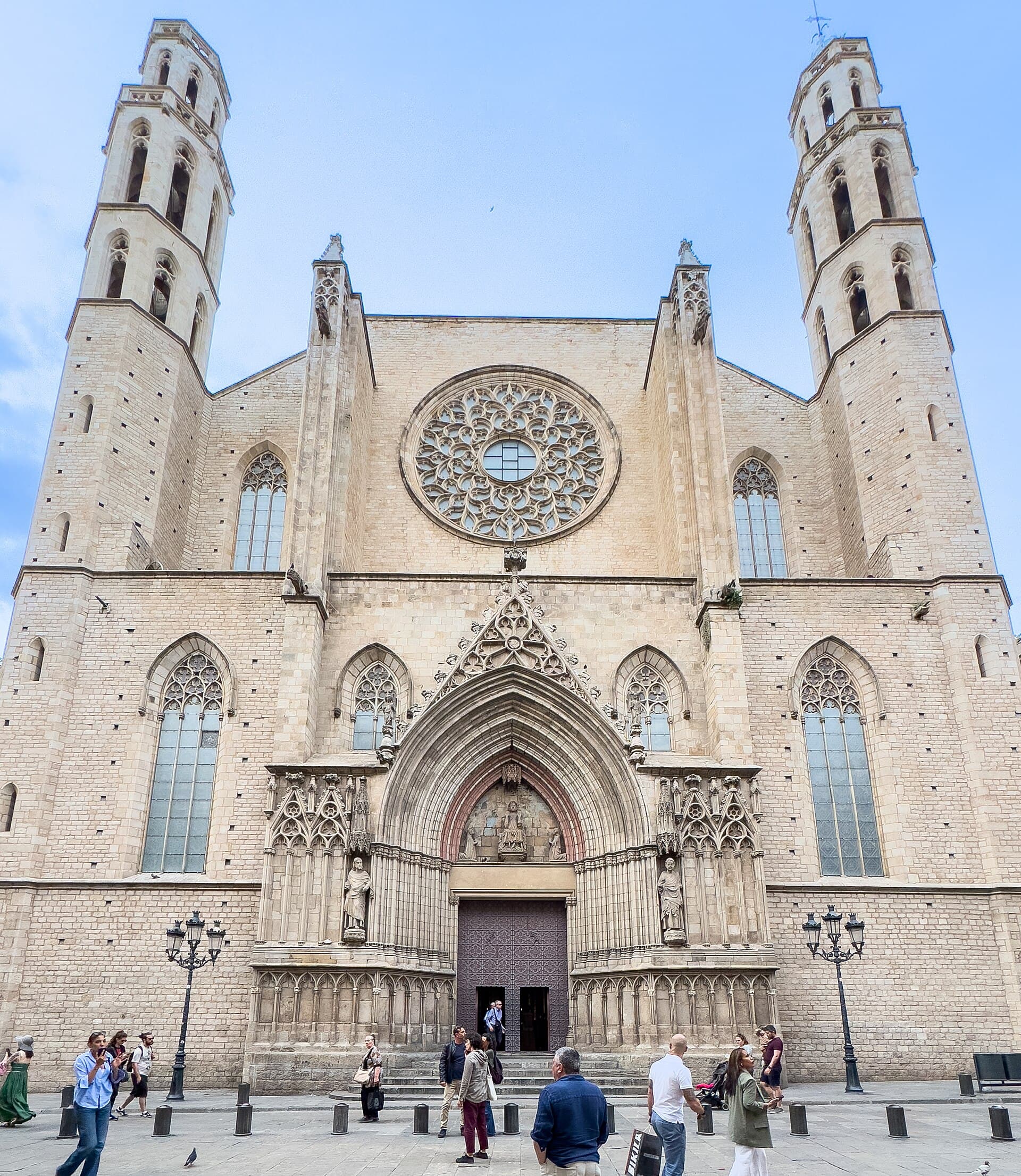 Basílica de Santa Maria del MarIn the middle of El Born, this Catalan Gothic church went up in the 14th century9 minutes walk4.8
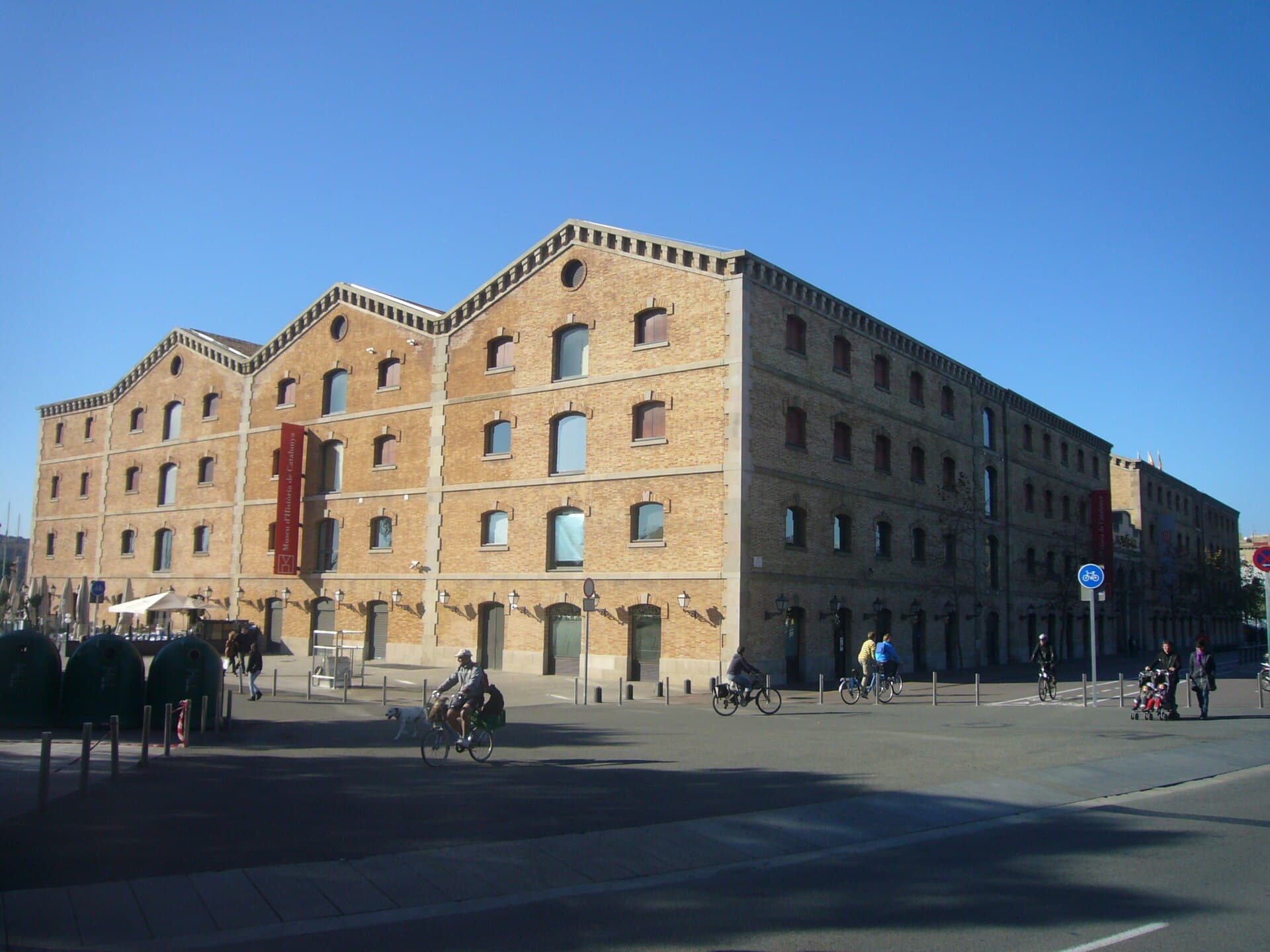 Museum of the History of CataloniaA museum telling the history of Catalonia from prehistory to the present, in the11 minutes walk4.4
After Barcelona fell in 1714, Philip V built a vast fortress to watch the rebellious city — the great symbol of subjugation. When its power lapsed the citizens demolished it with their own picks and planted a park — the ground itself a Catalan statement of freedom.
A venerable mid-size zoo suiting families with small children on an easy day — not a rival to Europe's giants. Without children: the free park itself is the jewel.
Any sunny late afternoon finds it fully alive, Sundays peak with local families. Use it to breathe after the density of the Gothic Quarter and Born — by boat, or by grass and idleness.