
The northern edge of al-Andalus
A section on Catalonia facing al-Andalus, an angle the southern sites do not tell.
Jordiferrer — CC BY-SA 3.0 · Ad Meskens — CC BY-SA 4.0 · Ad Meskens — CC BY-SA 4.0 · Serge Melki from Indianapolis, USA — CC BY 2.0
A museum telling the history of Catalonia from prehistory to the present, in the Palau de Mar, a late nineteenth-century harbour warehouse on the waterfront that was restored and converted. The display is interactive to an unusual degree for a history museum: full-size reconstructions you can walk into, from a stone age hut to a civil war shelter to a 1960s kitchen. That approach makes it among the better options in Barcelona for families with children. For an Arab visitor there is an added value: the section on the Islamic period and the Middle Ages explains Catalonia's position on the northern edge of al-Andalus and how the Christian counties formed in response to it, an angle rarely told at the Andalusi sites further south. The roof holds a restaurant with a terrace looking over the harbour and the city, a good view that can be reached without paying to enter the museum.
A section on Catalonia facing al-Andalus, an angle the southern sites do not tell.
A stone age hut, a civil war shelter and a 1960s kitchen, all built full size.
The building is late nineteenth-century, among the better restorations on the waterfront.
Palau de Mar, Plaça de Pau Vila, Barceloneta, Barcelona
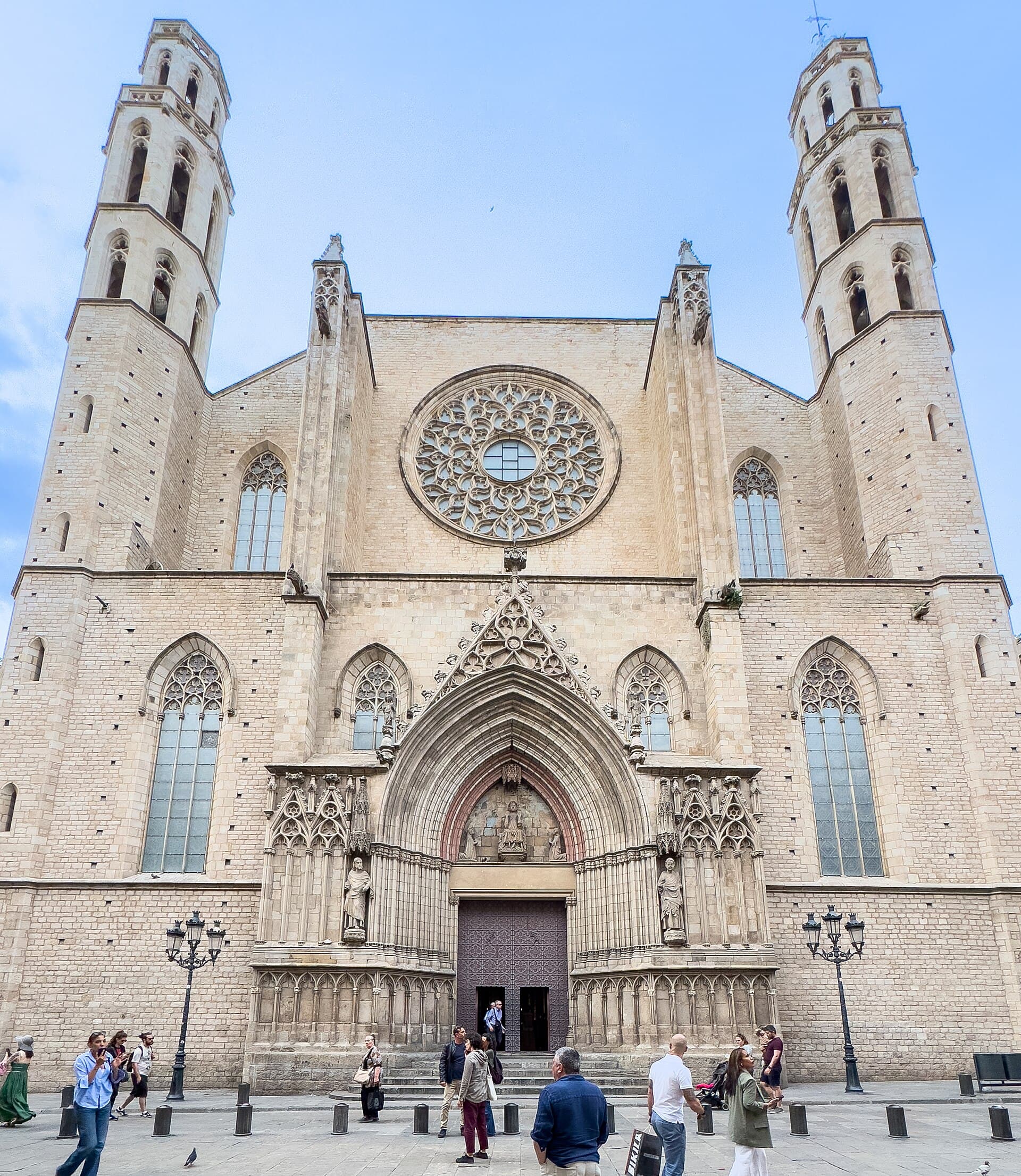 Basílica de Santa Maria del MarIn the middle of El Born, this Catalan Gothic church went up in the 14th century6 minutes walk4.8
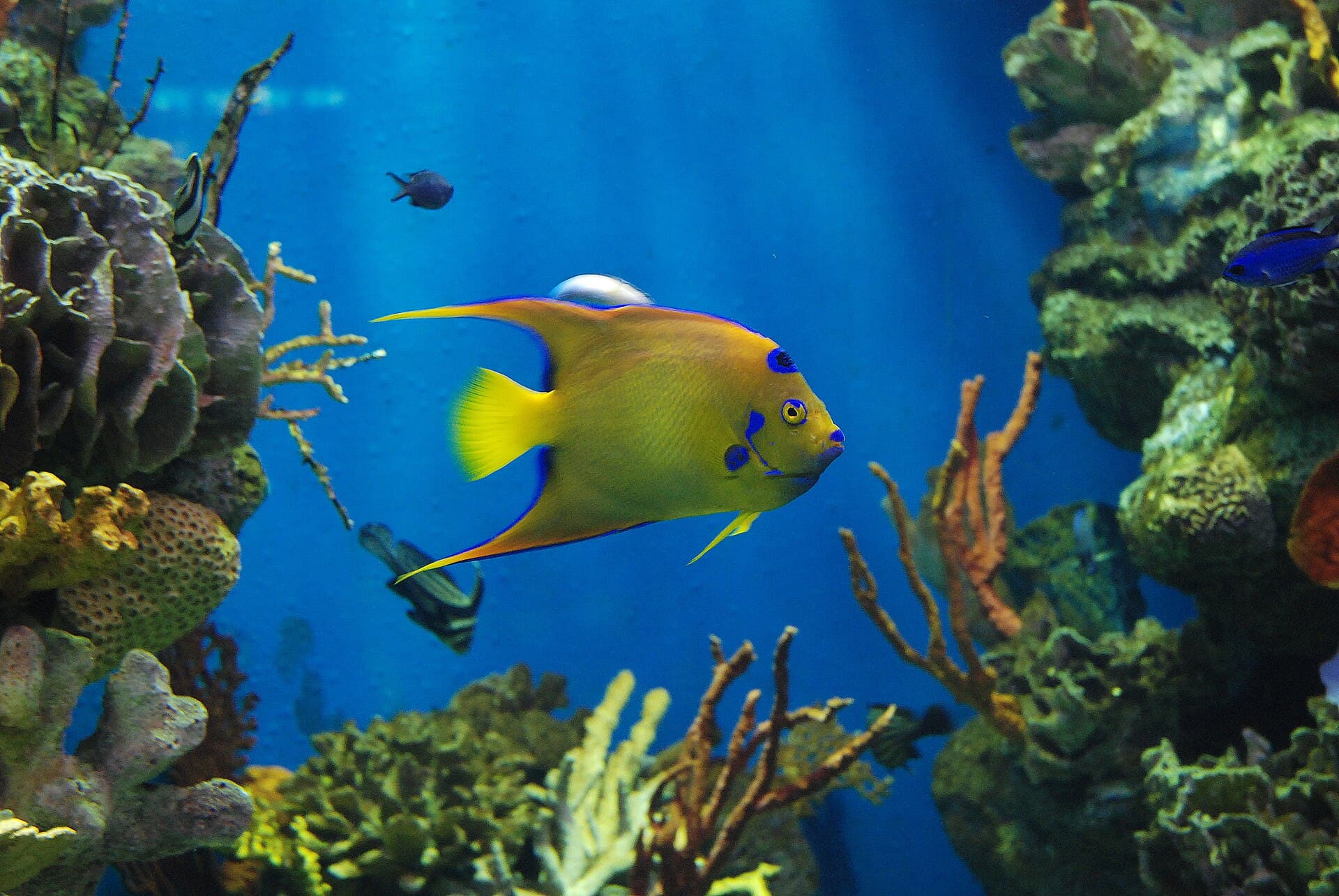 L'Aquàrium de BarcelonaBarcelona's aquarium in the old harbour is one of Europe's great Mediterranean h6 minutes walk4.0
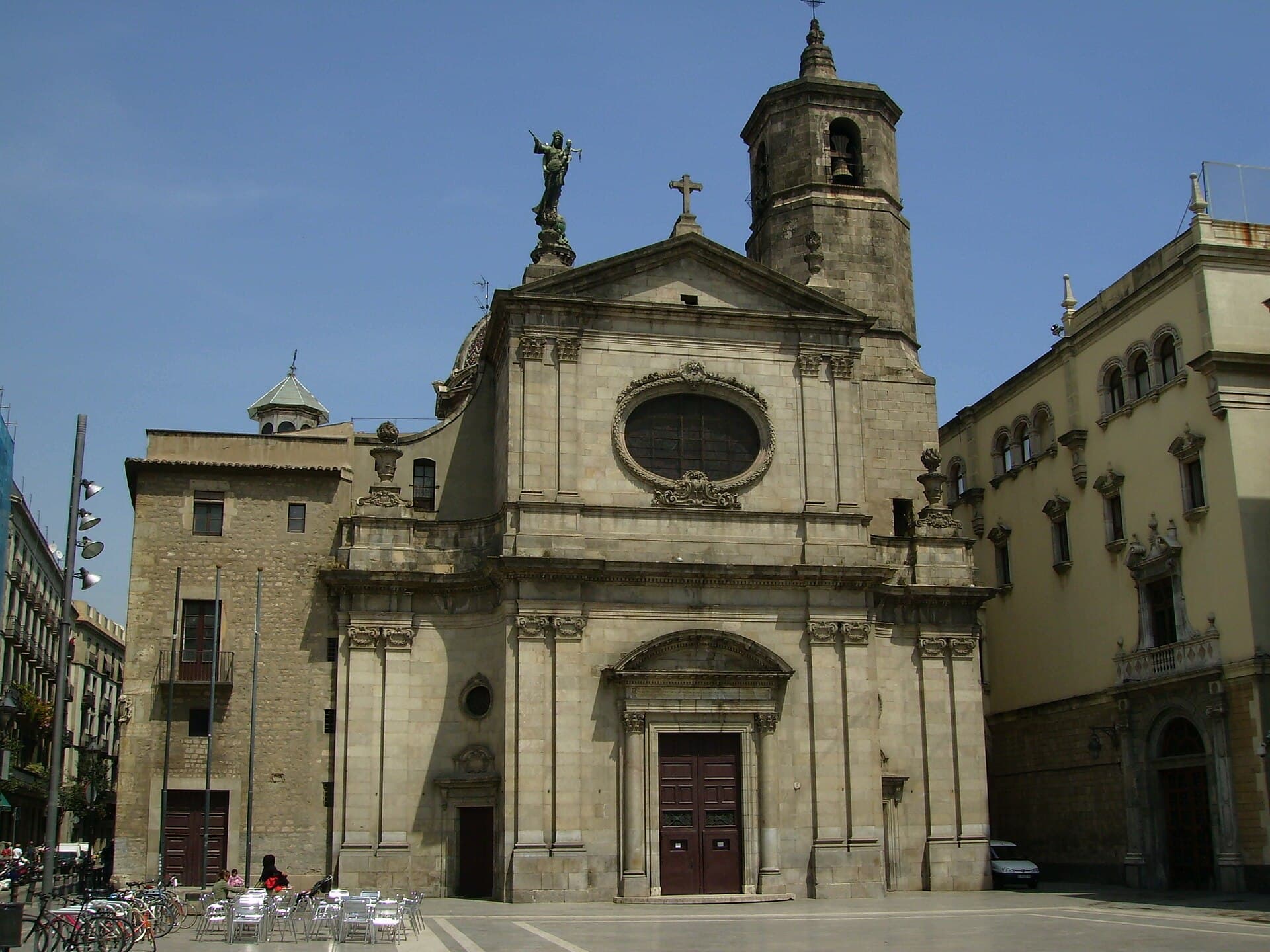 Basílica de la MercèA Baroque church on a small square near the harbour, dedicated to the Virgin und6 minutes walk4.7
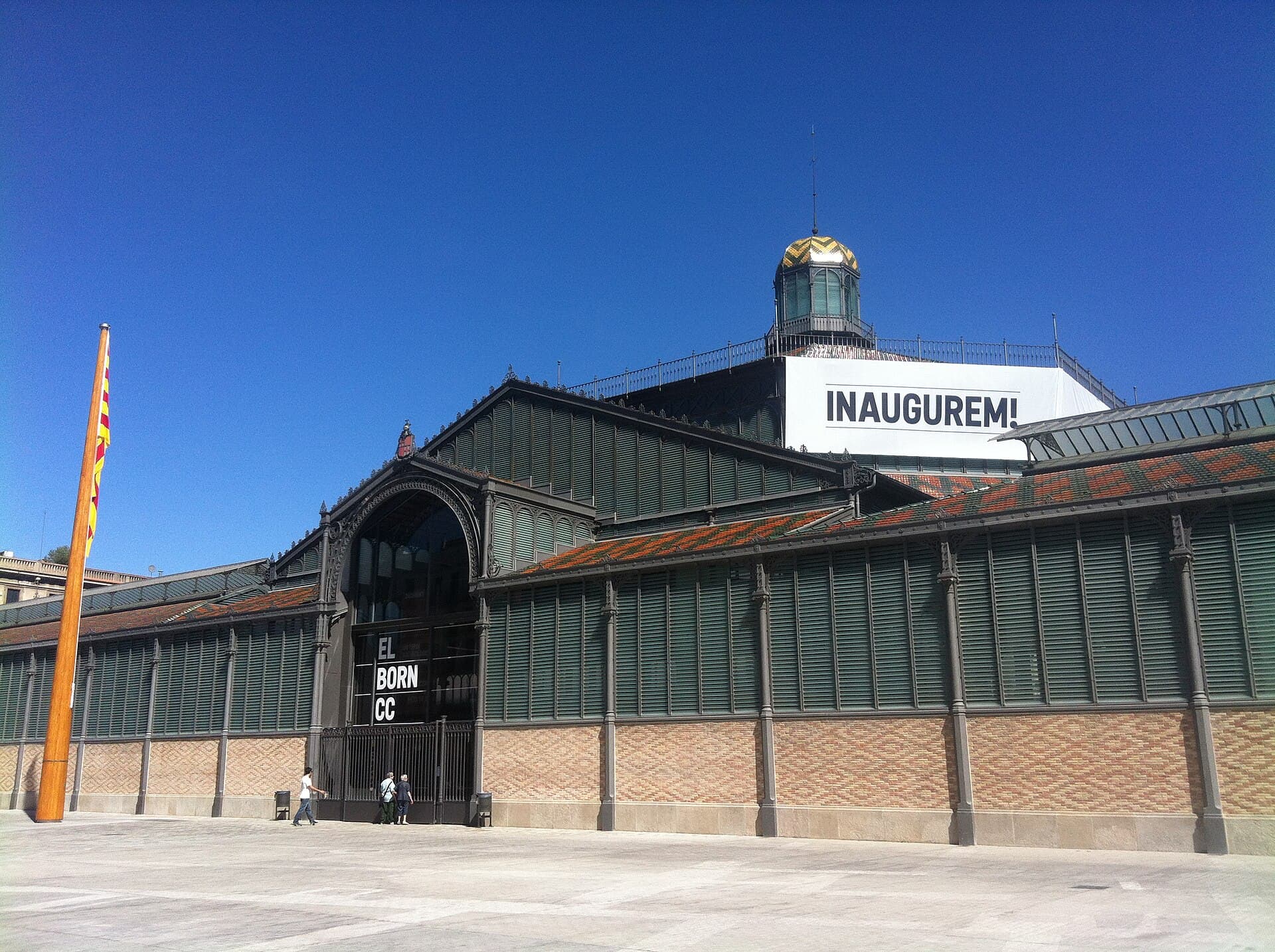 El Born Centre de Cultura i MemòriaAn iron-and-glass market hall from the 1870s, later the city's wholesale fruit-a7 minutes walk4.6
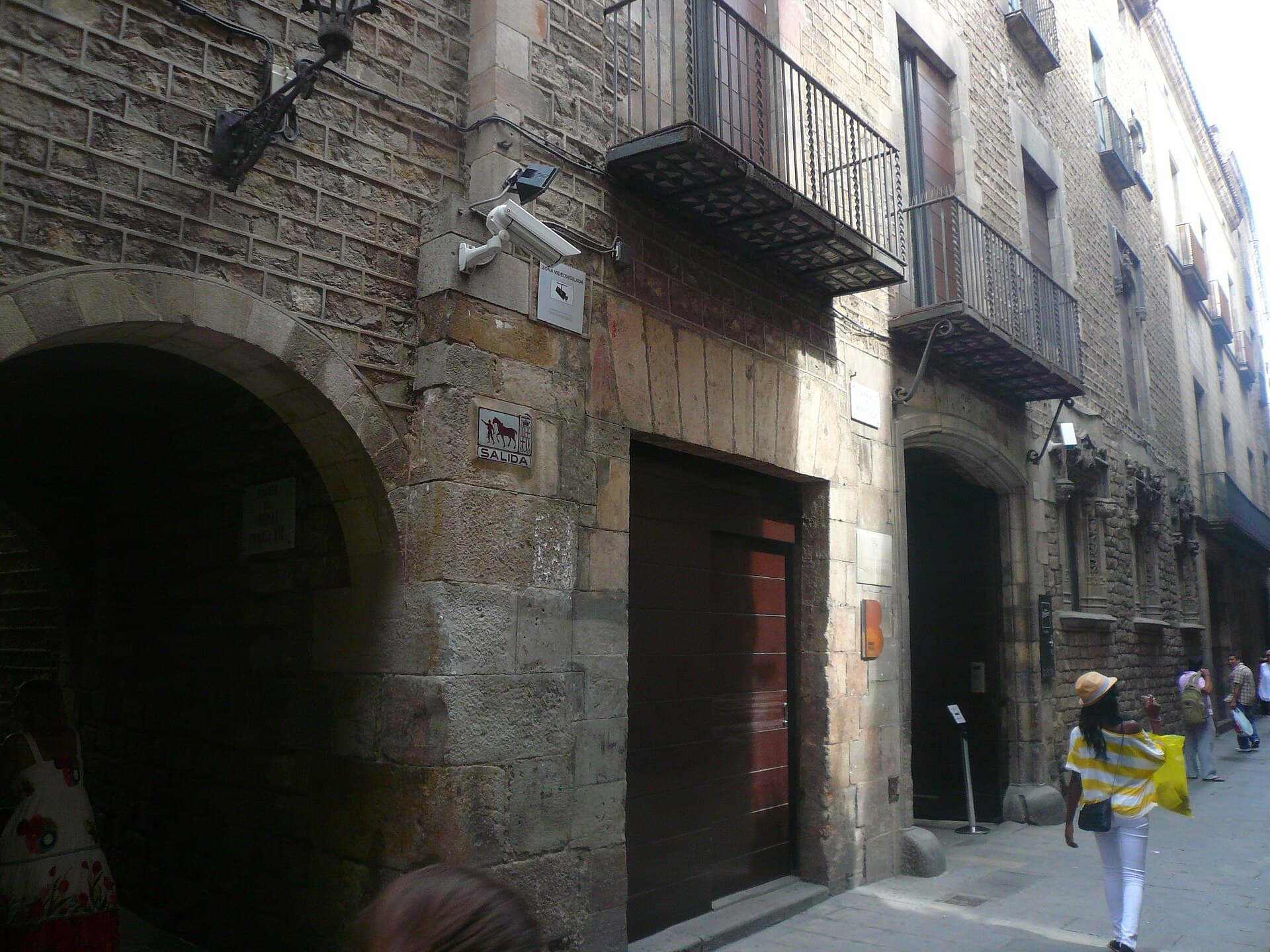 Picasso MuseumBarcelona's Picasso Museum tells what no other can: how Picasso became Picasso. 8 minutes walk4.3
The main sections and the reconstructions carry multilingual labels, though some of the detailed text is in Catalan and Spanish. The visual, hands-on nature of the display reduces the reliance on text considerably compared with a conventional history museum.
It is among the best Barcelona museums for them, because the reconstructions can be entered and touched rather than viewed behind glass. Allow ninety minutes to two hours and follow it with a walk along the Barceloneta waterfront.