
Seokjojeon
A stone palace with columns.
Mobius6 — CC BY 4.0 · Mobius6 — CC BY 4.0 · Mobius6 — CC BY 4.0 · Mobius6 — CC BY 4.0
A small palace in the middle of modern Seoul, across from City Hall, that mixes traditional Korean halls with stone buildings in the Western style. King Seonjo used it as a temporary home during the war of 1592, when the other palaces had been destroyed, and it later became the main palace of the Korean Empire (1897-1910) under Emperor Gojong, who wanted it to stand for the country's modernisation. Its main buildings are the throne hall, Junghwajeon, and Seokjojeon, a stone palace with classical columns that was completed in 1910 and now holds the Daehan Empire History Museum. Next to it is a branch of the National Museum of Modern and Contemporary Art. The changing of the royal guard takes place in front of Daehanmun gate at 11:00 and 14:00, except on Mondays, and may be cancelled in bad weather. Along the outer wall runs the tree-shaded Stone Wall Walkway, one of the city's loveliest strolls, especially in autumn. The palace stays open into the evening, so it works well after sunset, when the buildings are lit. It is closed on Mondays.
A stone palace with columns.
In front of Daehanmun gate.
A shaded stroll by the wall.
99 Sejong-daero, Jung-gu; City Hall Station (Lines 1 and 2)
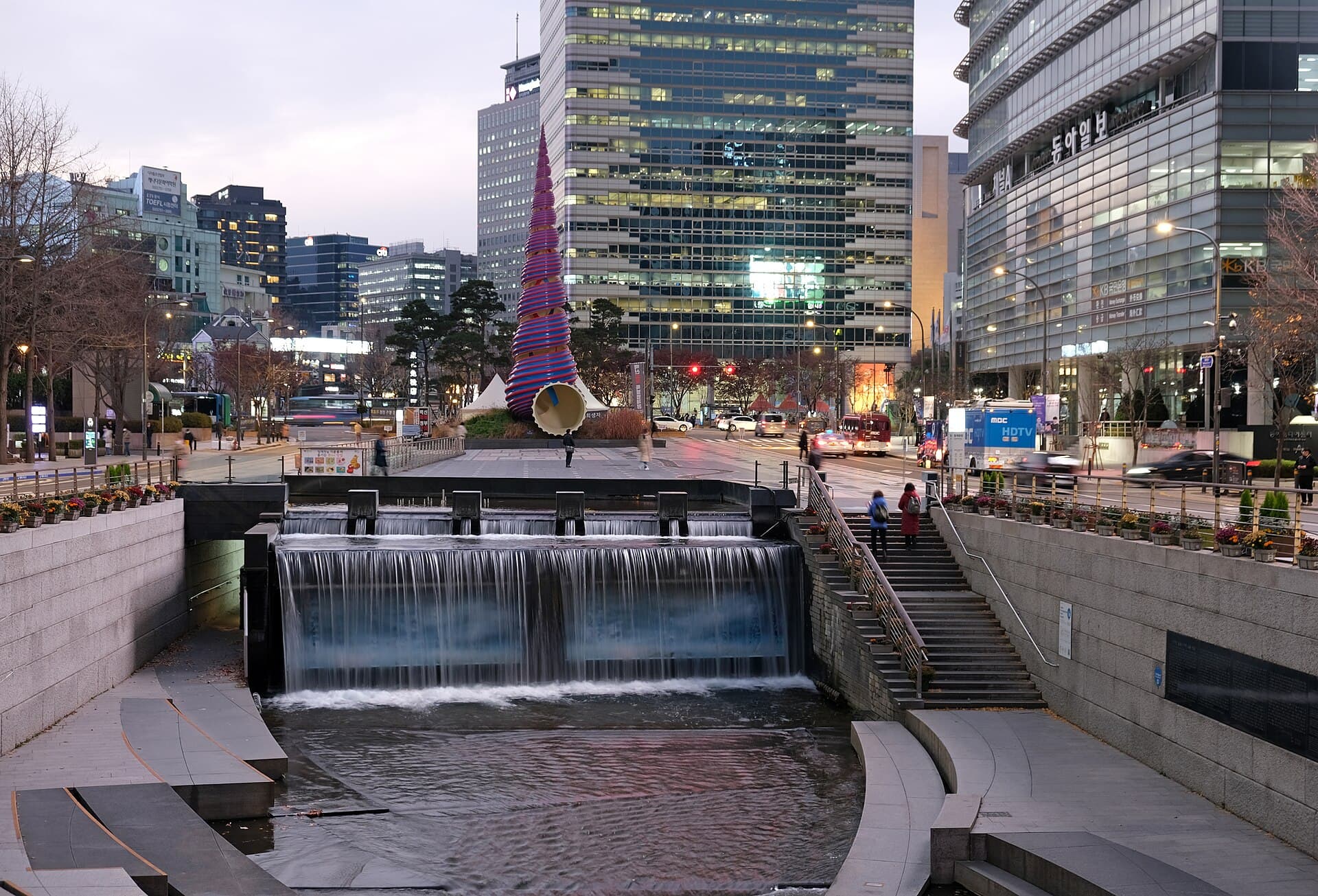 Cheonggyecheon StreamA stream running about 11 kilometres through the heart of Seoul, brought back to6 minutes walk4.5
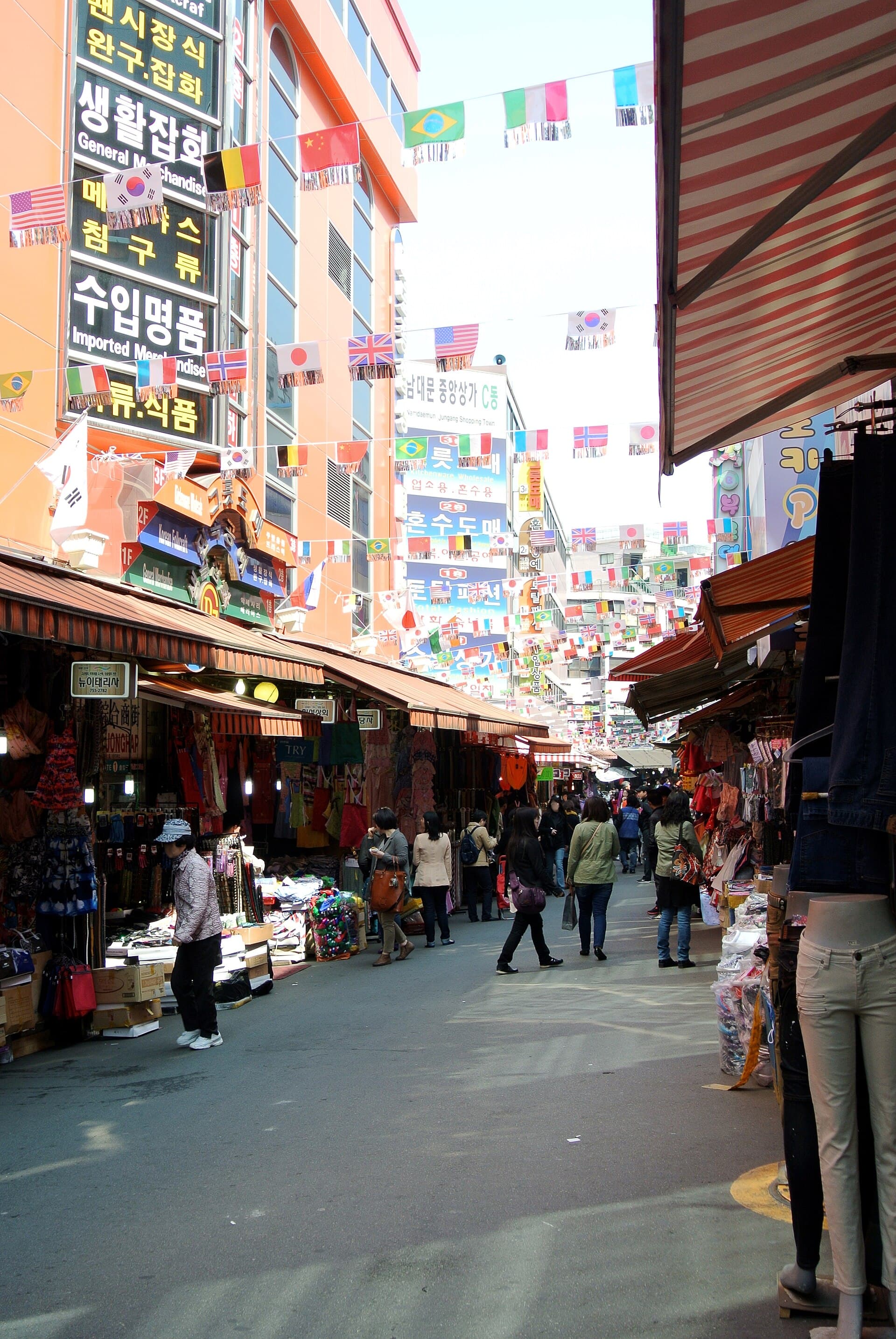 Namdaemun MarketThe largest traditional market in Korea and one of the oldest, dating back to 1410 minutes walk4.1
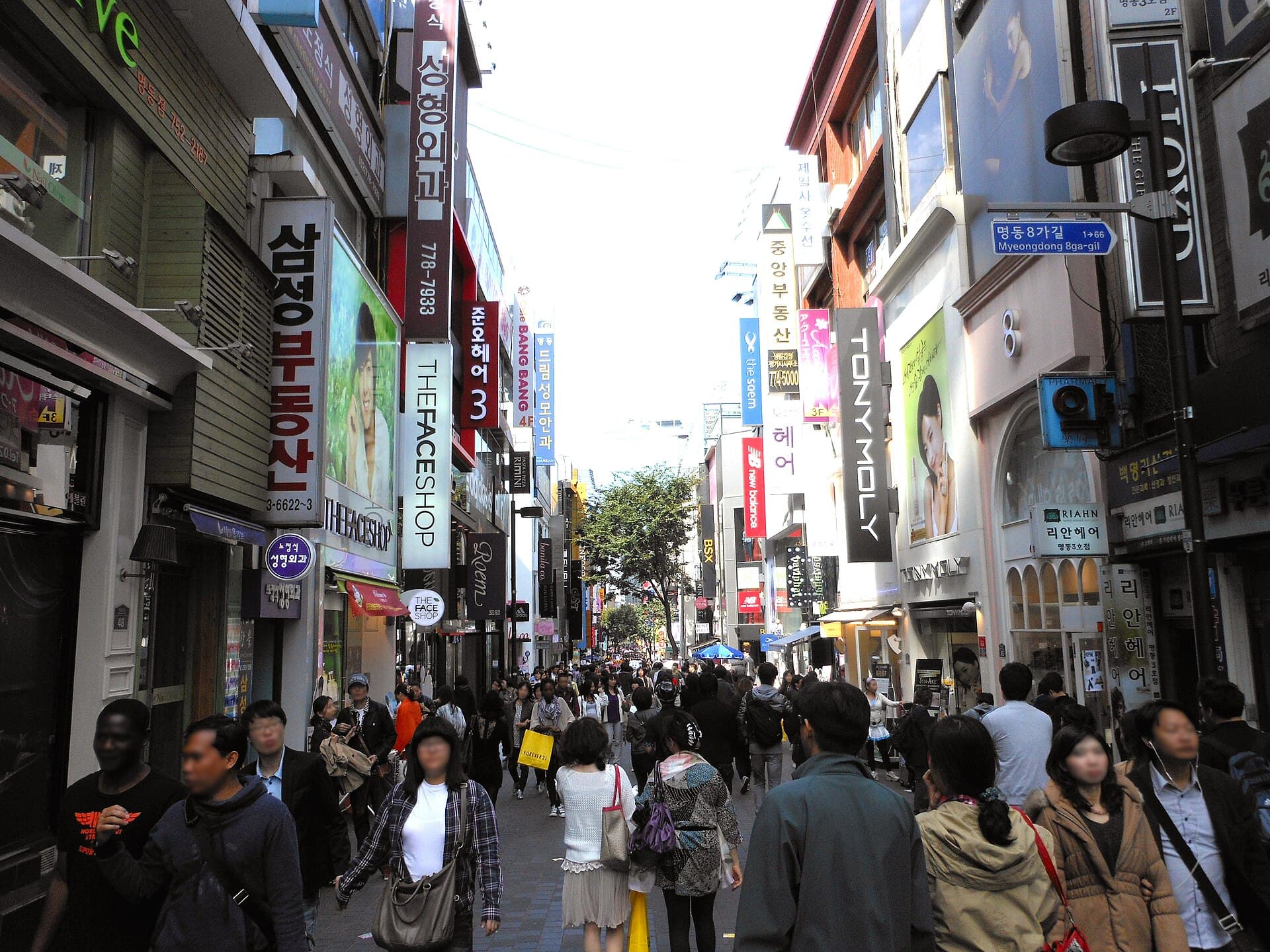 MyeongdongSeoul's best-known shopping district and its busiest with tourists, a grid of pe13 minutes walk4.4
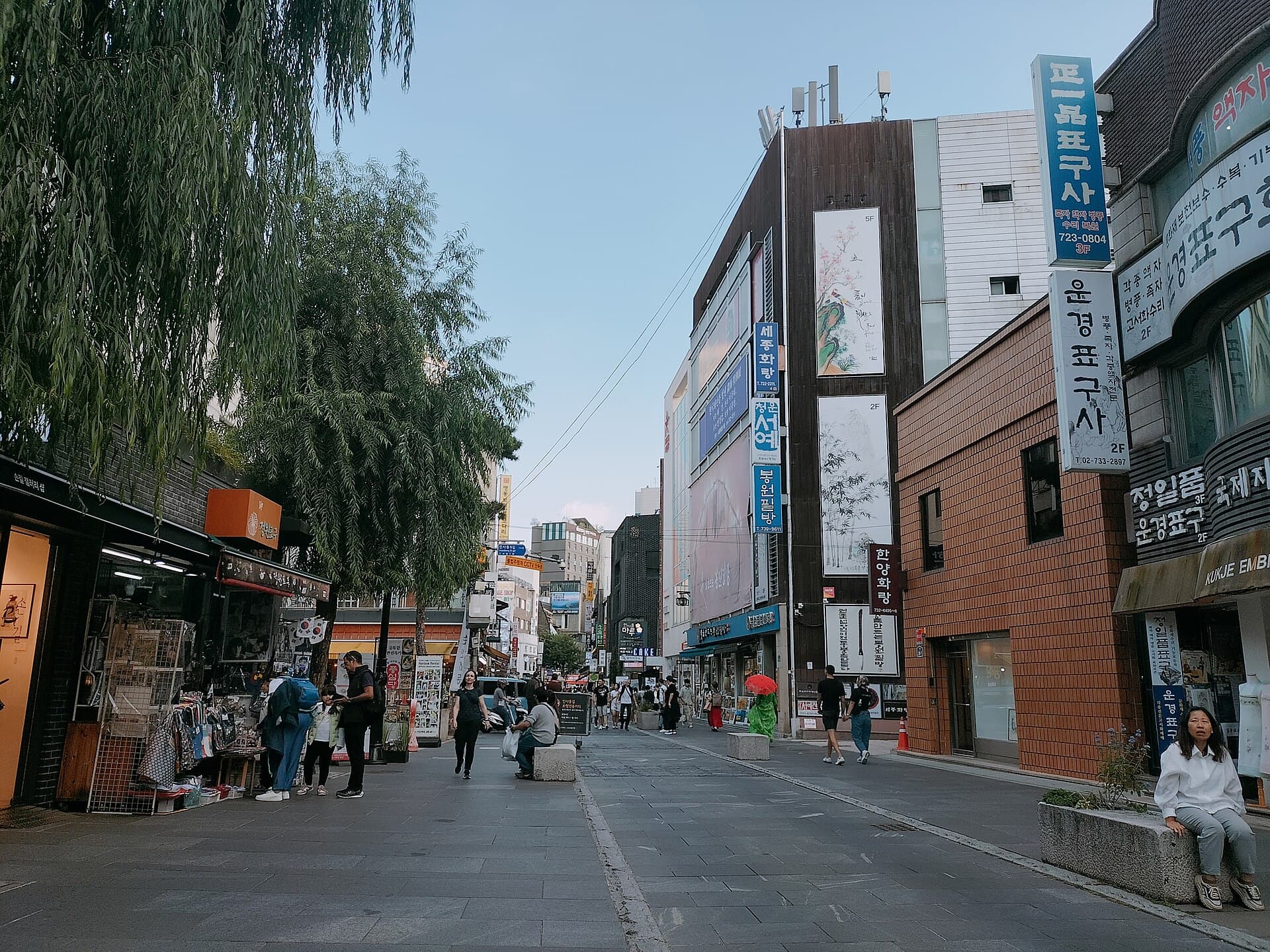 InsadongSeoul's street of traditional arts and crafts, and historically the largest mark16 minutes walk4.4
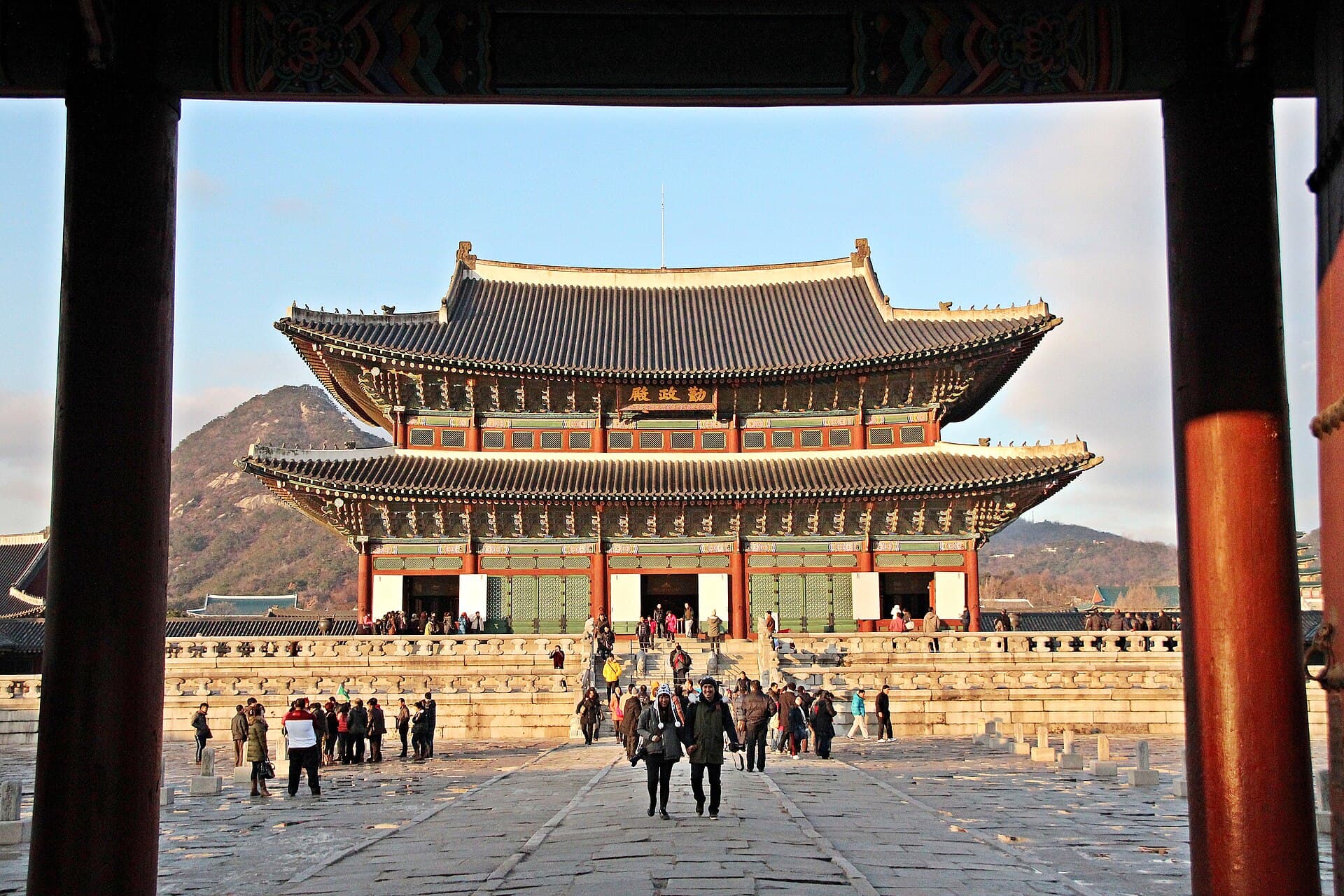 Gyeongbokgung PalaceThe largest and best known of Seoul's five royal palaces, and the first one the 19 minutes walk4.5
Yes. It is open until 21:00, with last entry at 20:00, and the buildings are lit after sunset. It is closed on Mondays.