
The chair corridor
From Jacobsen to Wegner in a single row.
Patti Manolis — CC BY 2.0 · Matt Kieffer from London, United Kingdom — CC BY-SA 2.0 · Fred Romero from Paris, France — CC BY 2.0 · Daderot — CC0
If one place in Copenhagen explains why "Danish" became an adjective attached to chairs and lamps, this is it. The building is part of the story. It was the **Frederiks Hospital** of 1757 — four rococo wings around a courtyard, and Denmark's first civic hospital. It became a museum in 1926, so rooms that were once wards are now galleries opening onto a quiet interior garden. Its best-known stretch is the **chair corridor**: a long run of twentieth-century seating arranged chronologically, including **Arne Jacobsen's** Series 7 and the **Hans Wegner** chair Kennedy sat in for his televised debate. Seeing them in sequence makes the evolution legible without a word of explanation. The collection is wider than furniture — ceramics, textiles, posters, industrial design, and a substantial **Asian art** section that was a direct source for the first generation of Danish designers. The café and the courtyard garden are open without a ticket, and are among the quietest corners of the city centre.
From Jacobsen to Wegner in a single row.
The quiet rococo court, free to enter.
A direct source for the first generation of Danish designers.
Bredgade 68, Copenhagen
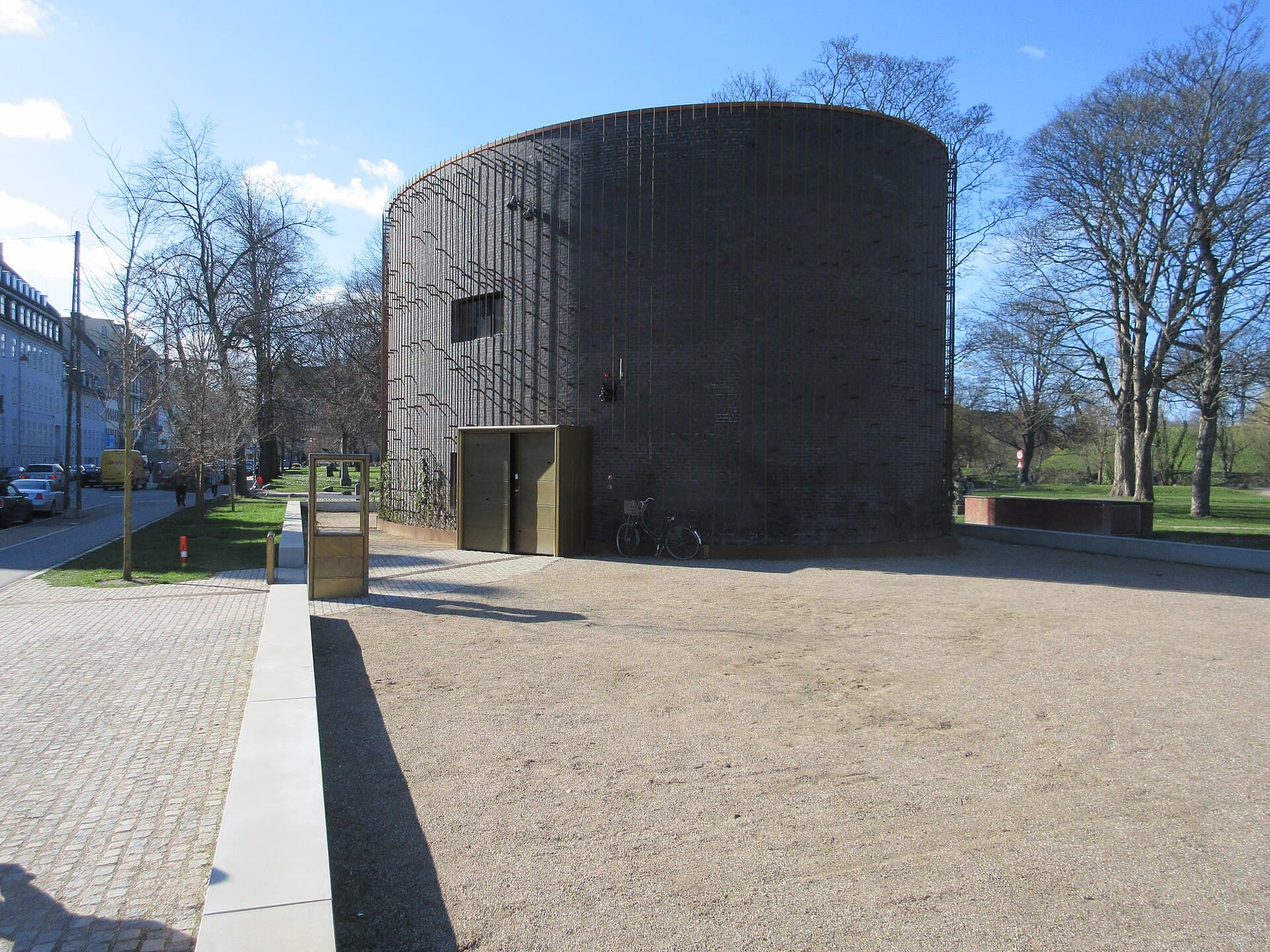 Museum of Danish ResistanceGermany occupied Denmark in April 1940 in a matter of hours and with almost no f3 minutes walk4.3
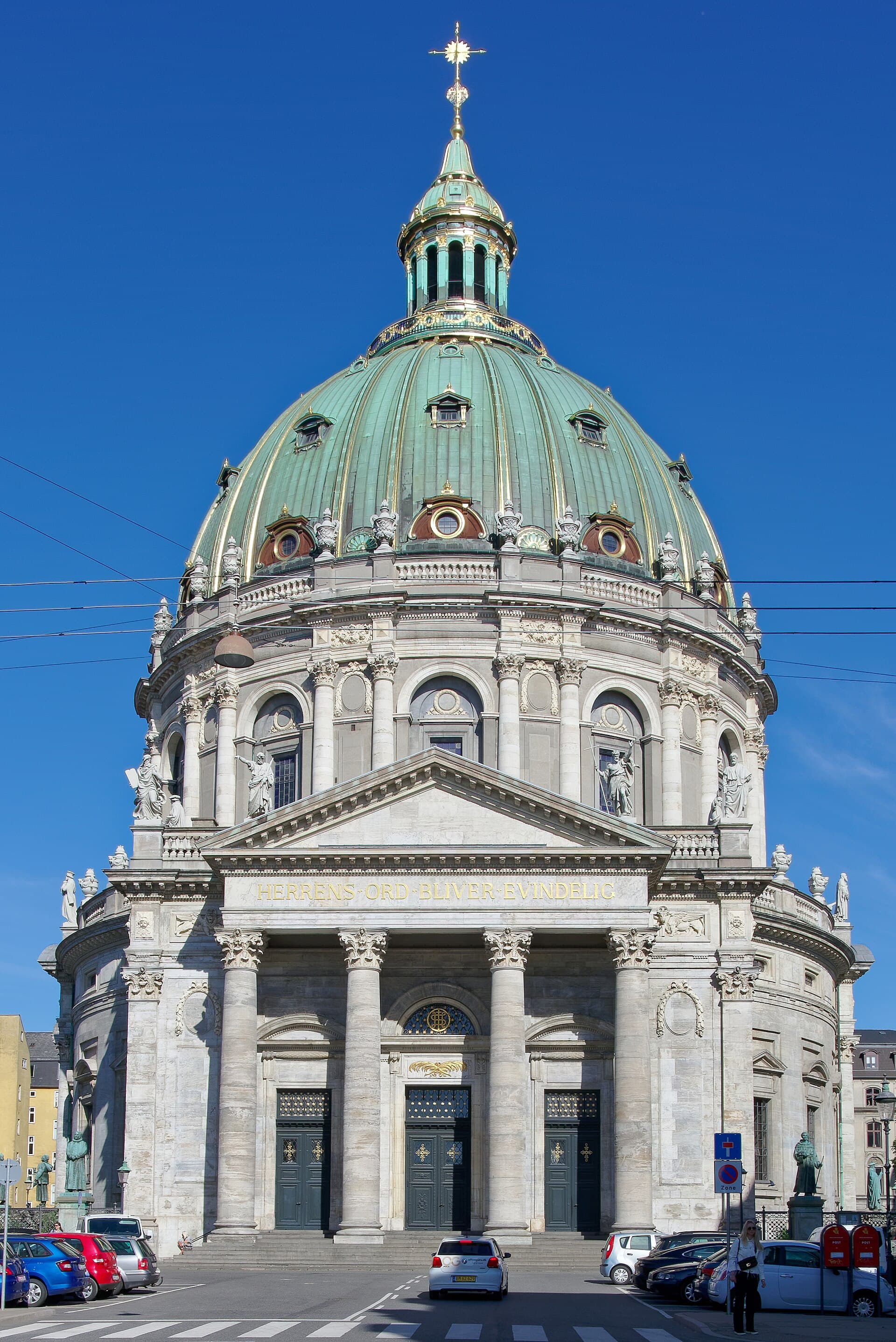 Frederik's Church (The Marble Church)Its official name is **Frederik's Church**, but nobody calls it anything but the3 minutes walk4.7
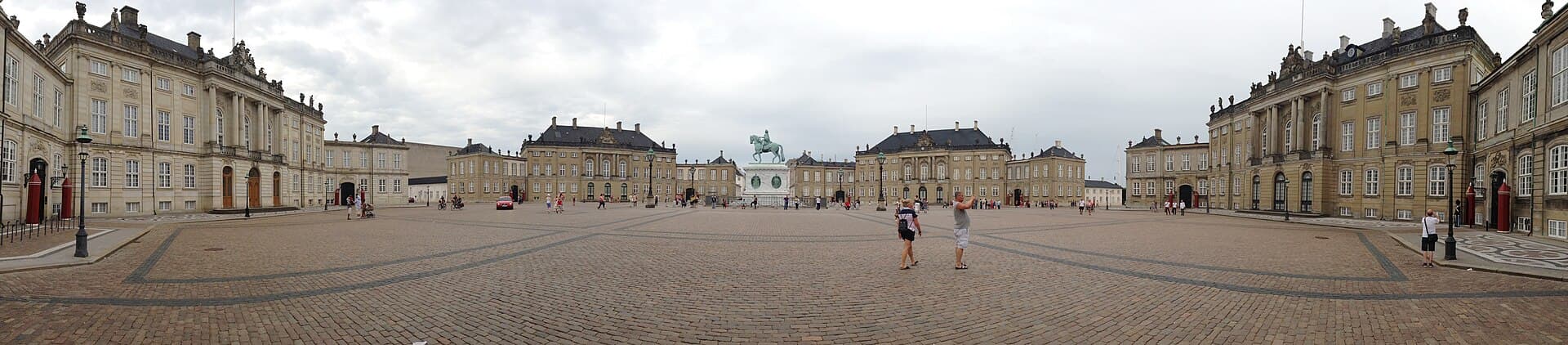 Amalienborg Palace & the Changing of the GuardAmalienborg is the Danish royal family's actual home — Europe's oldest continuou4 minutes walk4.4
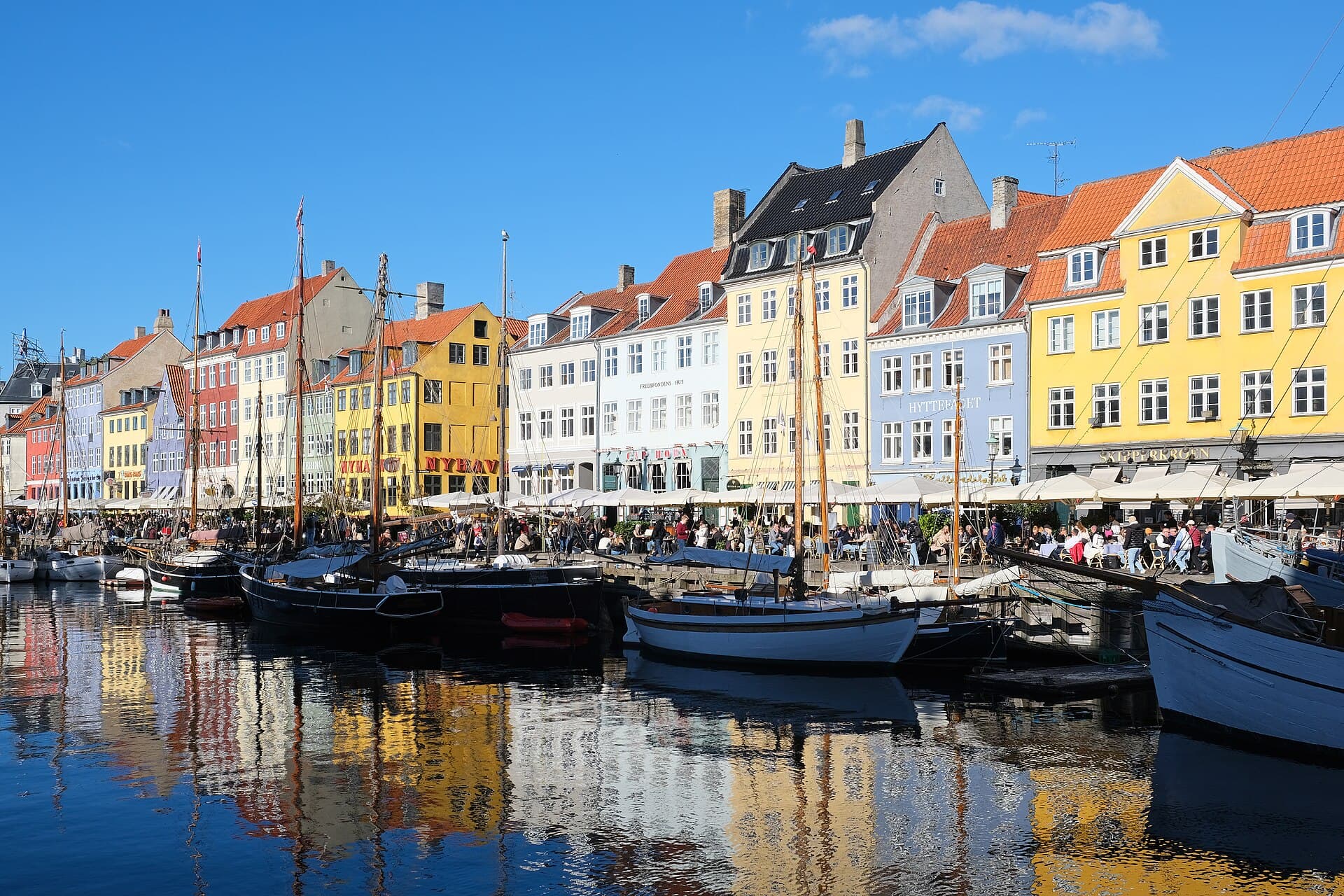 Nyhavn — the Coloured HarbourNyhavn is the Copenhagen postcard the world knows: a 17th-century canal (the New10 minutes walk4.8
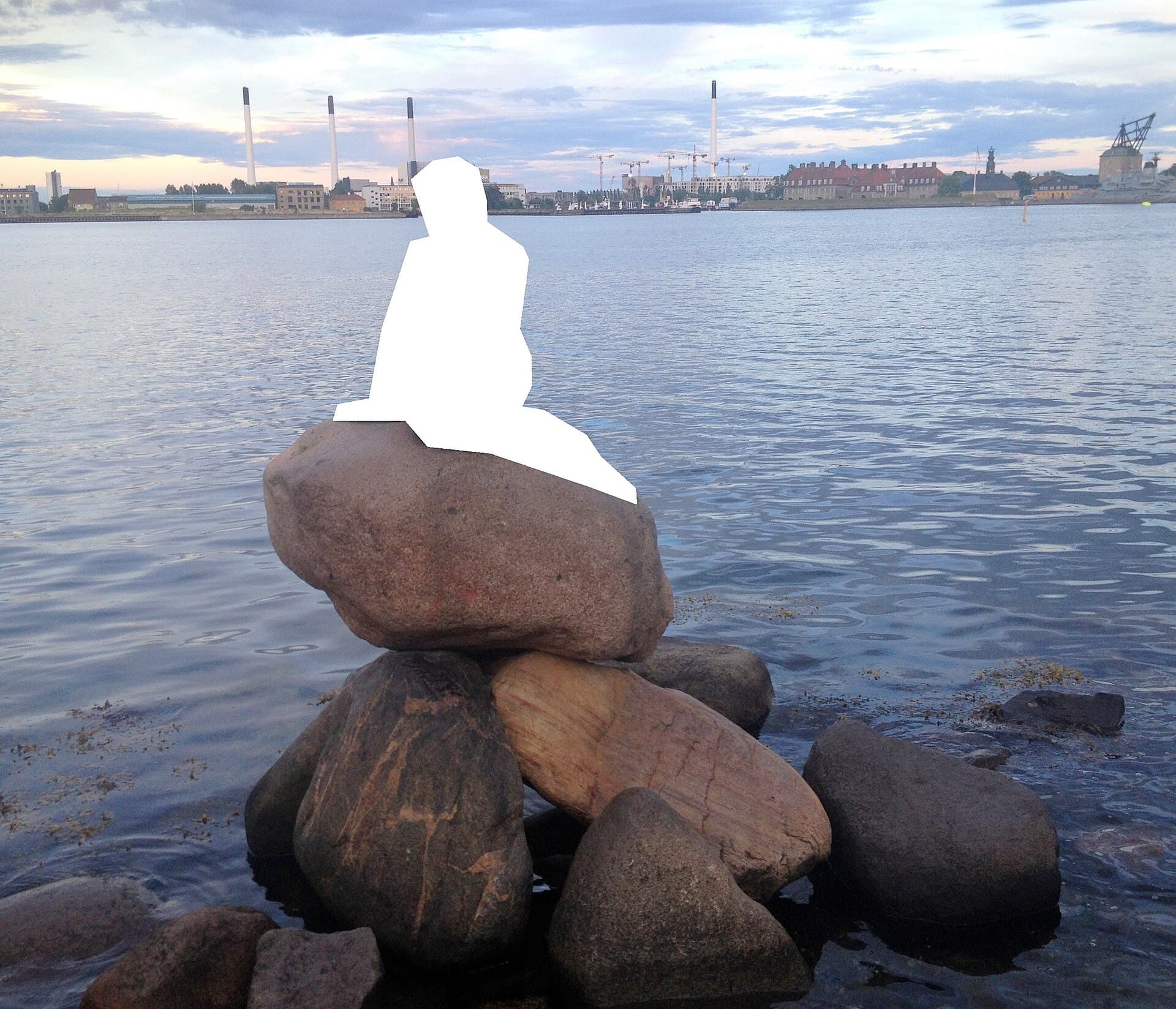 The Little Mermaid & the Kastellet WalkThe Little Mermaid is uncontested the world's most famous small statue: a bronze10 minutes walk4.0
Because it came out of constraint, not luxury. Denmark is a small country with few raw materials, long dark winters and small homes, so its mid-century designers worked towards pieces that were **simple, durable and relatively cheap** — things that work in a small room under thin light. Add a strong tradition of **hand joinery** that survived here after it died elsewhere, and design schools that put the designer directly next to the workshop. The result is furniture that does not date: exposed timber, quiet lines, no surplus ornament. The major names are **Arne Jacobsen**, **Hans Wegner**, **Børge Mogensen** and **Verner Panton**, and many of their pieces are still made today from the original patterns.