
The coloured houses
Red, yellow and blue on a 17th-century canal.
kallerna — CC BY-SA 4.0 · Jorge Láscar from Melbourne, Australia — CC BY 2.0 · News Oresund — CC BY 2.0 · News Oresund — CC BY 2.0
Nyhavn is the Copenhagen postcard the world knows: a 17th-century canal (the New Harbour) lined with coloured houses — red, yellow, blue — and old wooden ships moored along it, dug by Swedish prisoners of war to link the sea directly to the King's New Square. For two centuries it was the sailors' rough harbour of taverns — Hans Christian Andersen lived in three different houses on its banks (No. 20, where he wrote his first tales, and No. 67 for twenty years) — before the twentieth century turned it into the city's longest run of cafés and restaurants. The scene itself is the visit: sit on the quay edge with a coffee as locals do (far cheaper than the restaurants), the tour boats leave from the canal's head for the classic canal cruise — and summer turns the sunny southern bank into a kilometre-long public bench.
Red, yellow and blue on a 17th-century canal.
The classic hour from the canal's head.
Nyhavn, 1051 Copenhagen
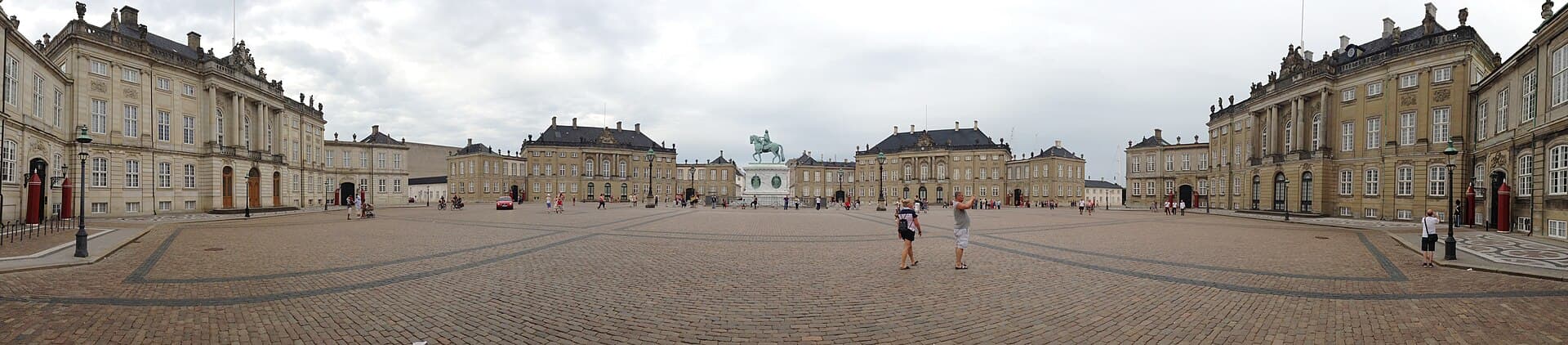 Amalienborg Palace & the Changing of the GuardAmalienborg is the Danish royal family's actual home — Europe's oldest continuou6 minutes walk4.4
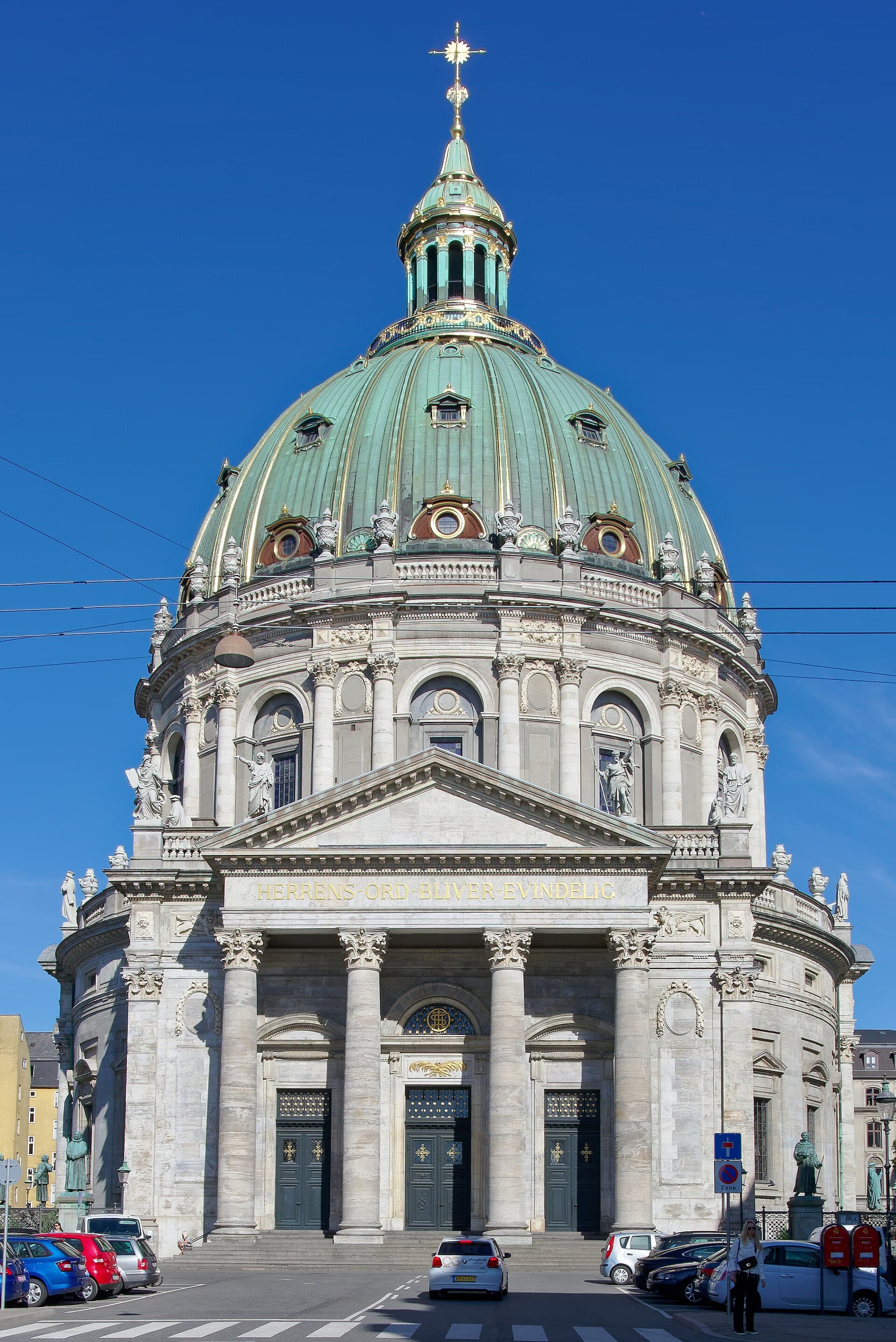 Frederik's Church (The Marble Church)Its official name is **Frederik's Church**, but nobody calls it anything but the7 minutes walk4.7
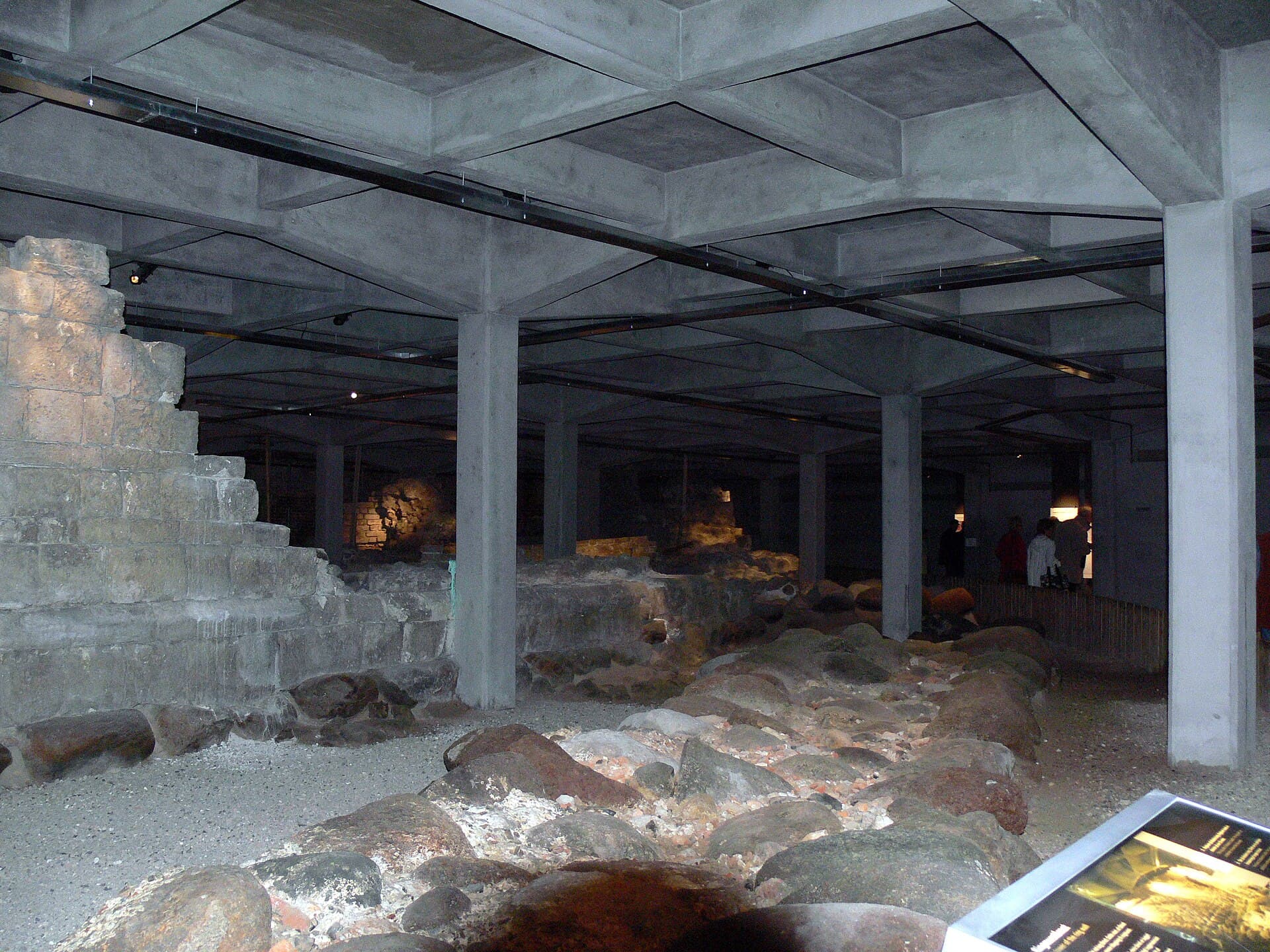 The Ruins under ChristiansborgBeneath the floor of the palace that today holds the **Danish parliament** is an9 minutes walk4.3
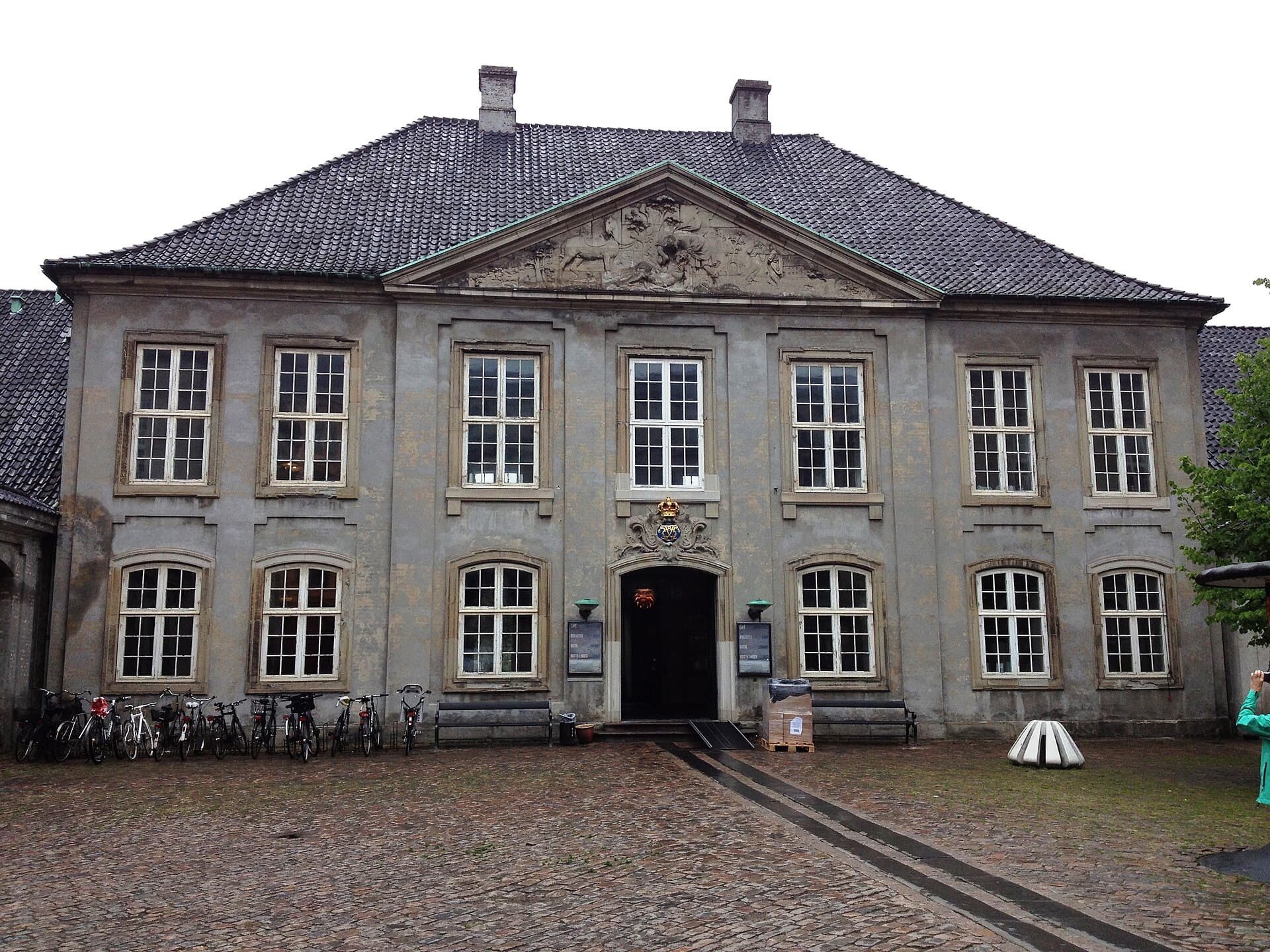 Designmuseum DanmarkIf one place in Copenhagen explains why "Danish" became an adjective attached to10 minutes walk4.4
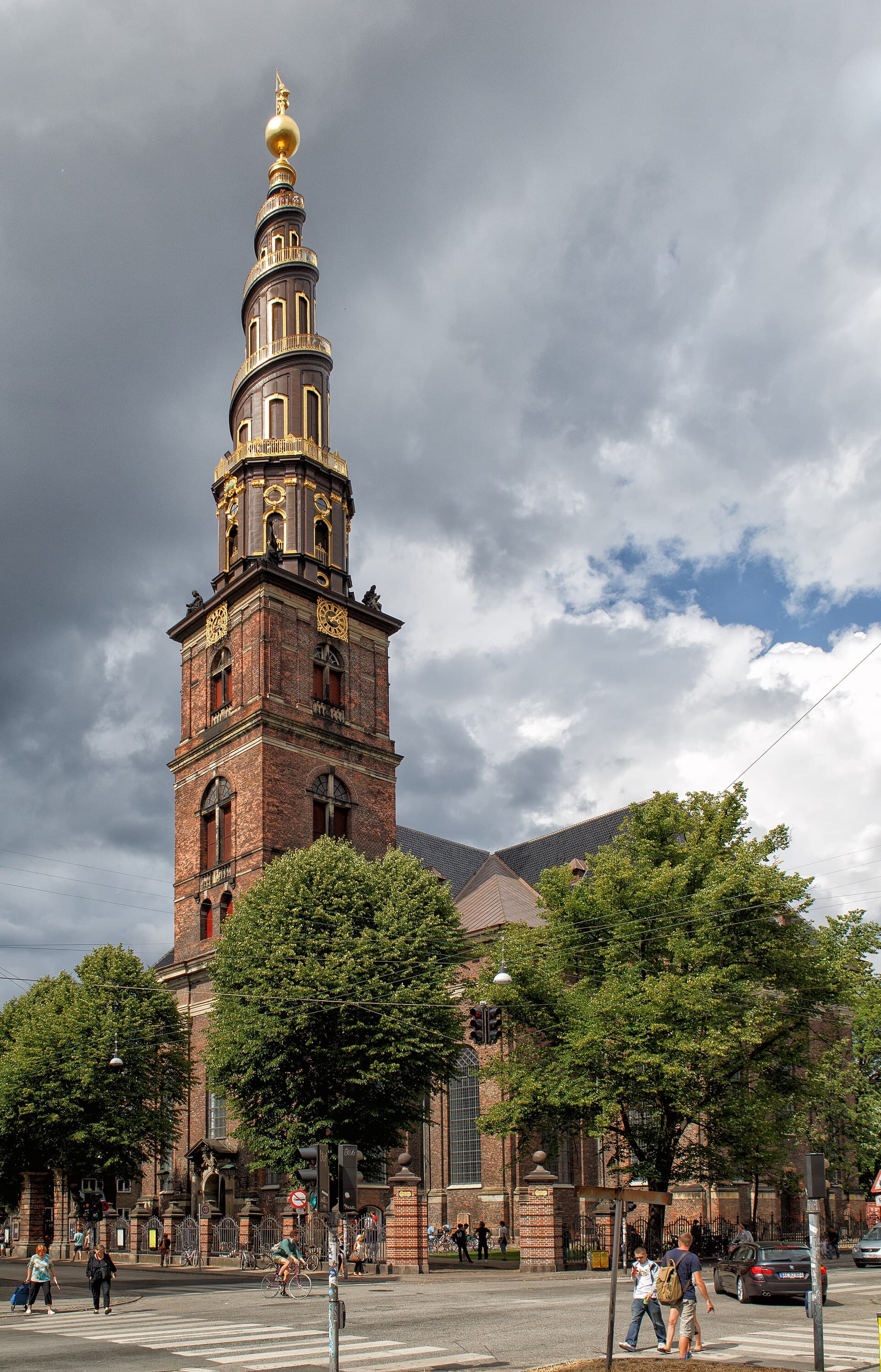 The Church of Our Saviour & its Spiral SpireThe Church of Our Saviour is Copenhagen's strangest tower: a gilded spiral spire10 minutes walk4.5
Three are ideal: a centre day (Nyhavn, Amalienborg, Rosenborg, the Round Tower on foot), a Tivoli-and-museums day, and a northern-castles day (Frederiksborg and Kronborg by train). The city is walking and cycling — forget the car, and budget for Denmark being Europe's priciest: coffee and meals surprise.