
Filmed testimony
Survivors speaking in their own names.
Dokumentationszentrum Deutscher Sinti und Roma — CC BY-SA 3.0 · Dokumentations- und Kulturzentrum Deutscher Sinti und Roma — Public domain
This centre is the world's first permanent museum devoted to the genocide of the Sinti and Roma peoples under the Nazi regime, opened in 1997 after years of pressure from those communities' own organisations — and that detail is essential: the exhibition was designed from inside the affected community rather than about it from outside. An estimated hundreds of thousands of Sinti and Roma were killed in the camps and in mass shootings, yet Germany did not officially recognise this as a racially motivated genocide until 1982 — some forty years later, by which time most survivors had died without compensation or apology. The exhibition tells the story of that delay too, not only of the crime. The presentation is deliberately personal: family photographs, letters, documents and filmed survivor testimony, arranged to follow named individuals across the years rather than present abstract figures. The place is small — two floors in an old-town building — and entry is free, but the impact is heavy and it deserves at least a full hour.
Survivors speaking in their own names.
Photographs and letters following individuals.
Bremeneckgasse 2, 69117 Heidelberg
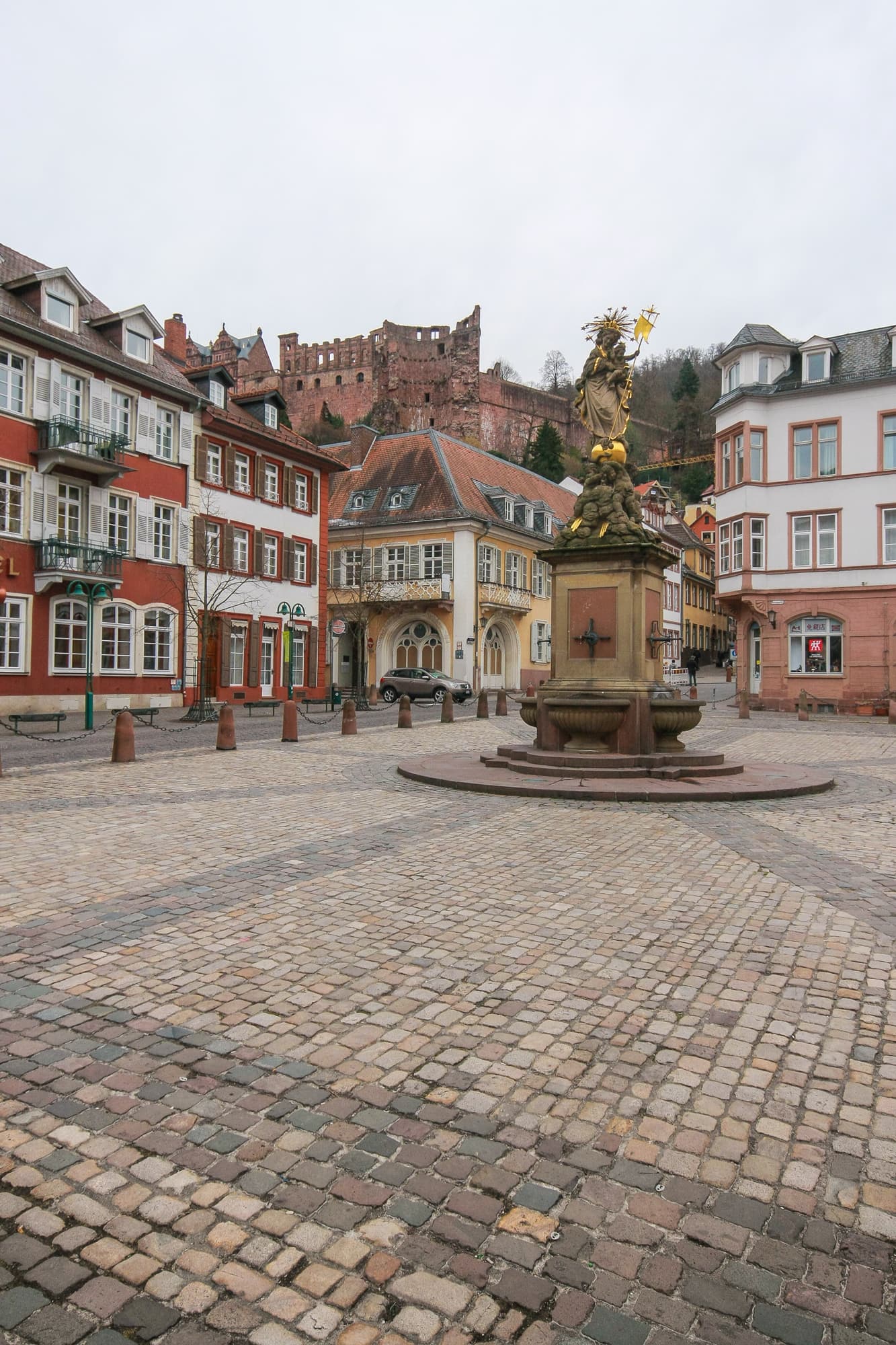 KornmarktThe Kornmarkt is a small square in the old town a few steps from the market squa2 minutes walk4.6
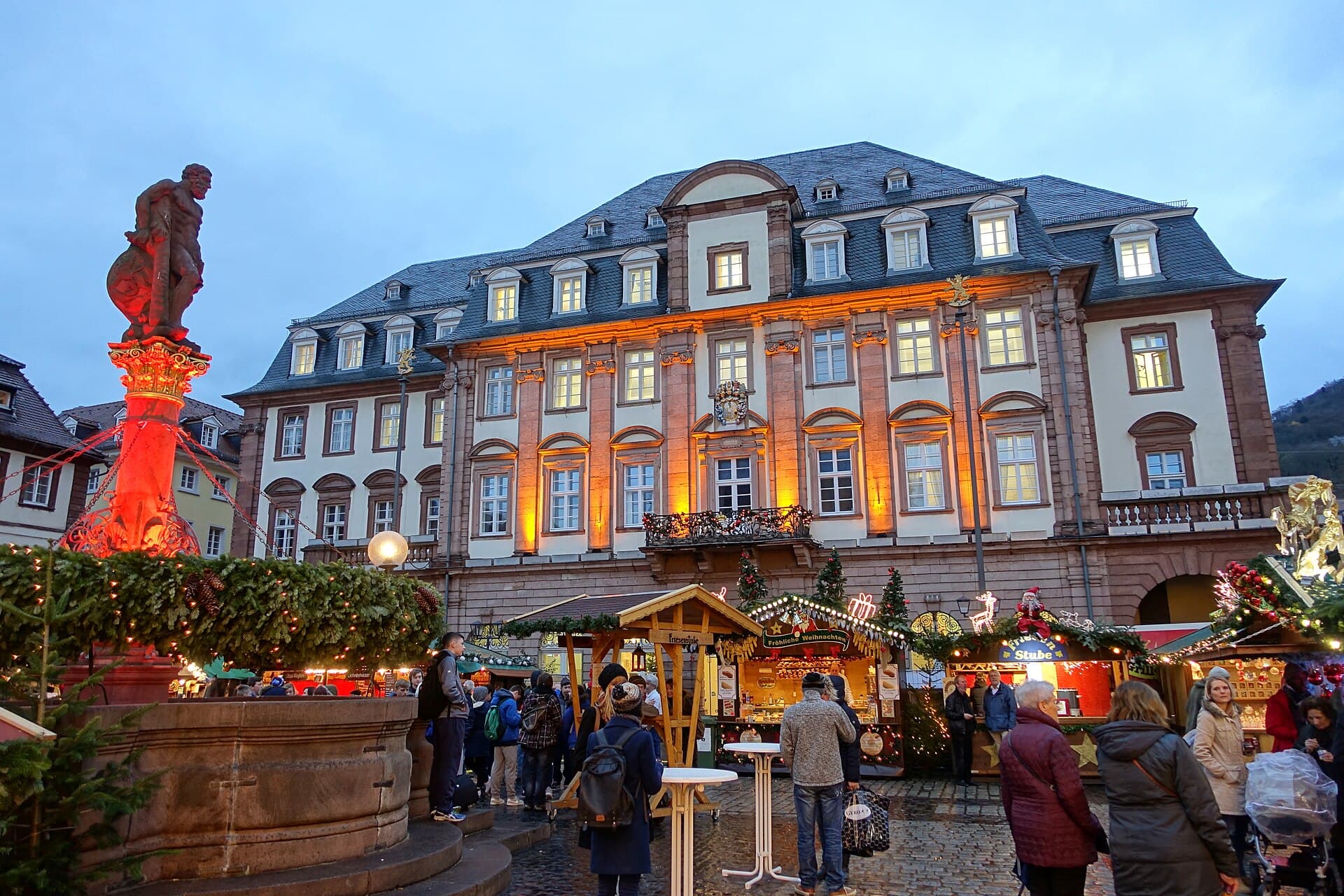 Heidelberg Market SquareThe Marktplatz is the heart of Heidelberg's old town, ringed by the Church of th2 minutes walk4.5
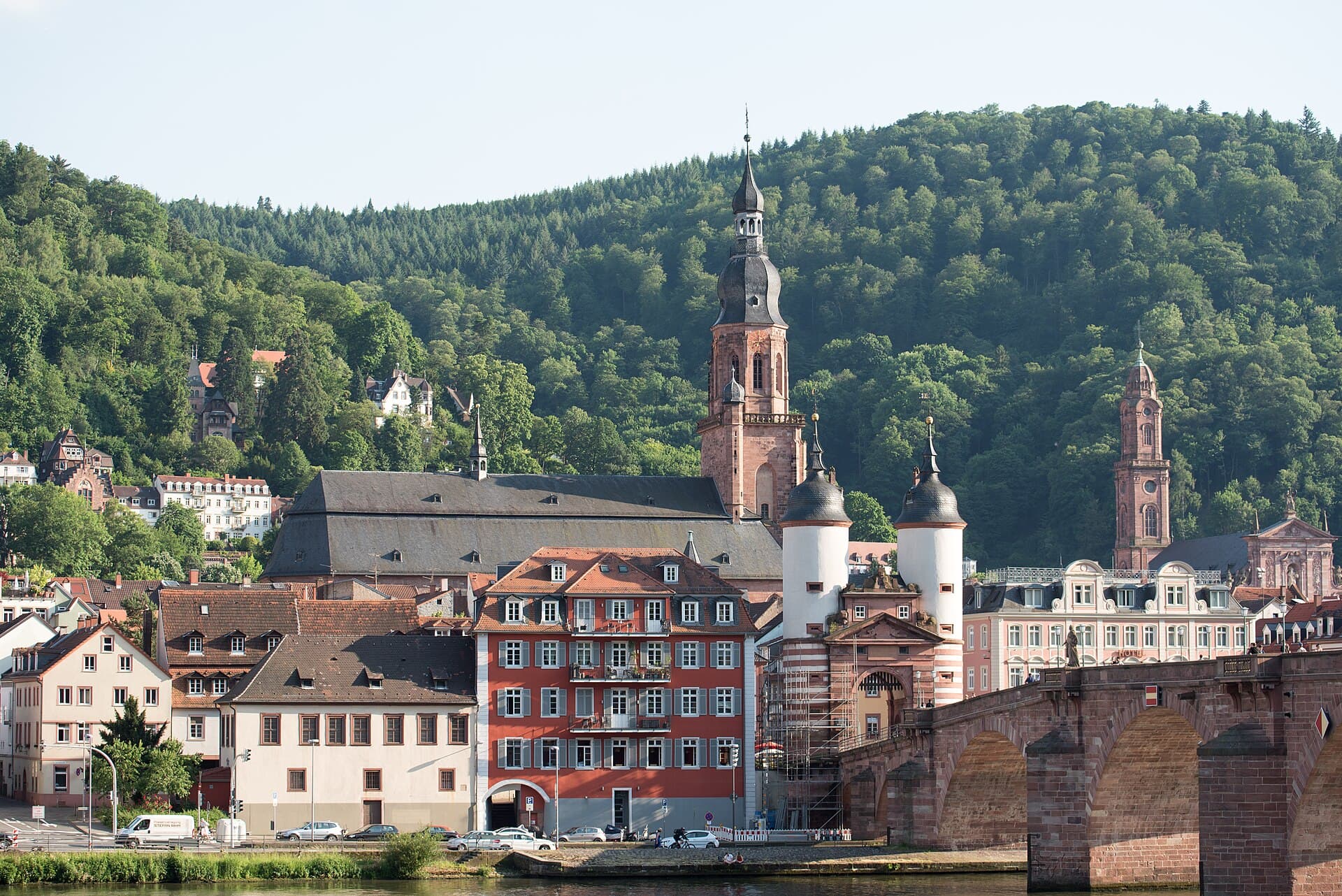 Church of the Holy SpiritThe Heiliggeistkirche stands dead-centre in the market square — old Heidelberg's2 minutes walk4.7
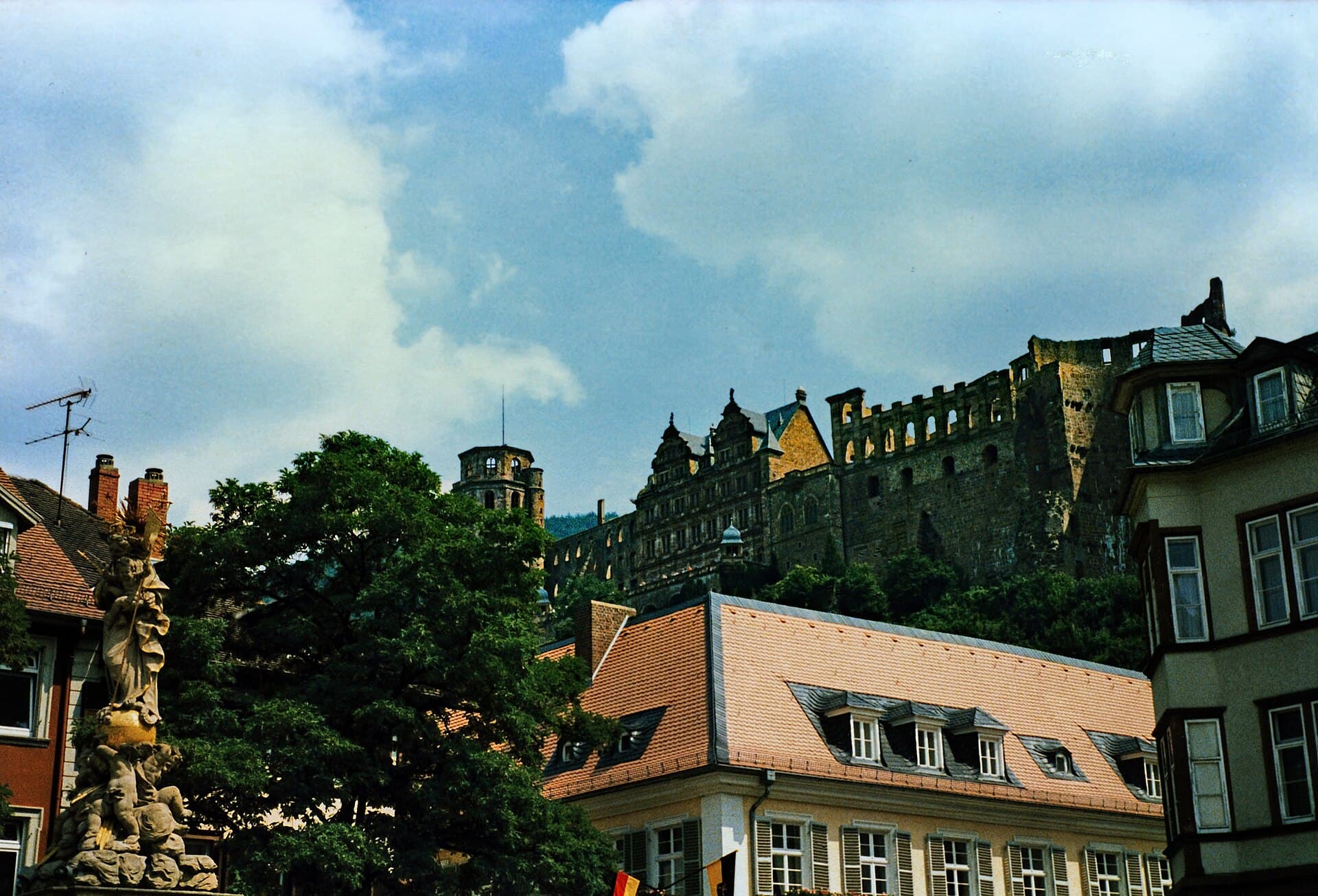 KarlsplatzKarlsplatz is a quiet square in Heidelberg's old town near the market square, an3 minutes walk4.7
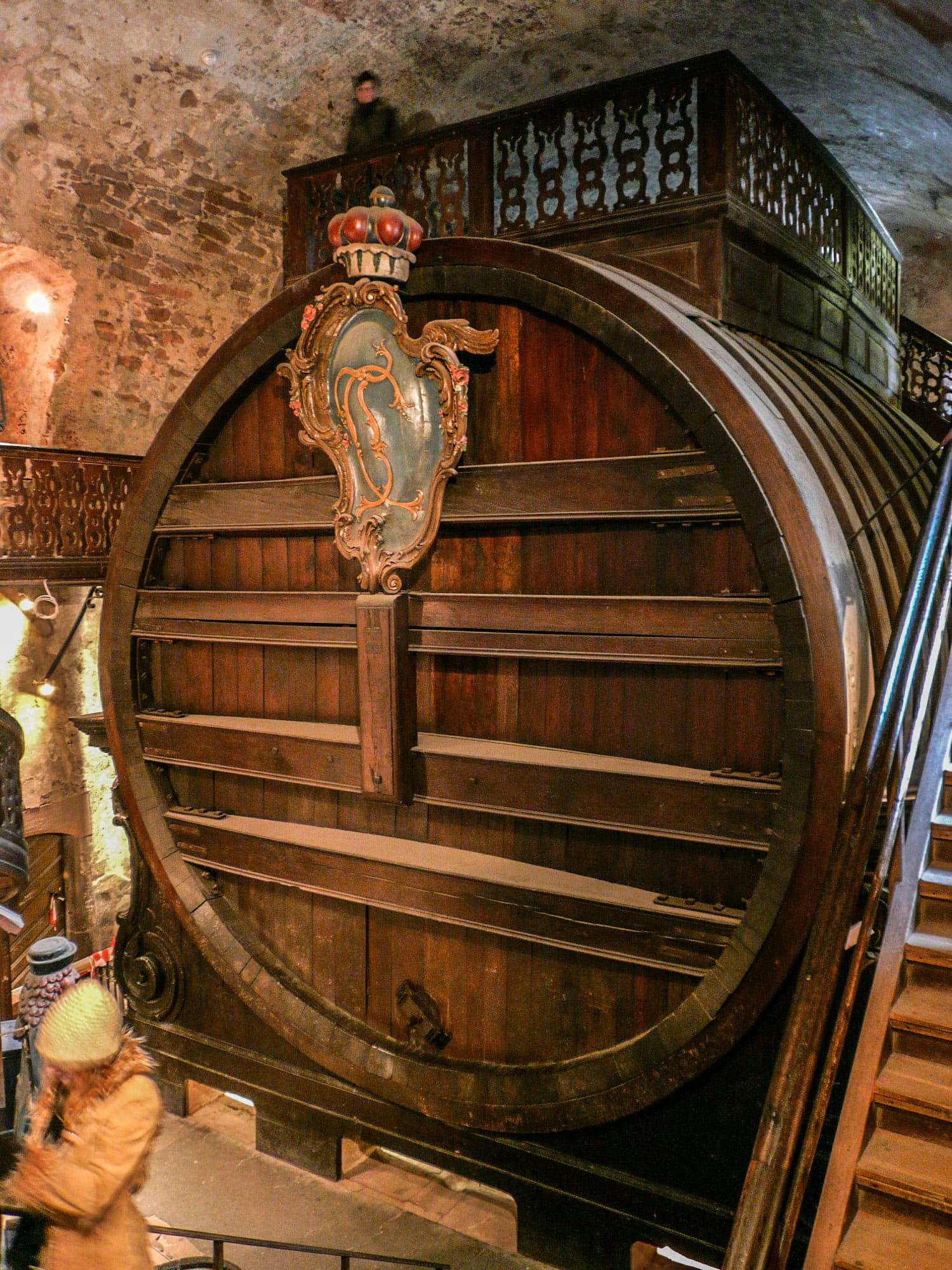 The Heidelberg TunThe Heidelberg Tun is the largest wine barrel in the world, standing in a cellar3 minutes walk4.4
Because post-war German authorities went on for decades classifying the persecution of Sinti and Roma as security measures against people deemed antisocial rather than as racial persecution — the same framing the Nazi regime had used. That denied survivors compensation, since the law compensated victims of racial persecution alone. The position only changed officially in 1982, after a long campaign.