
Real individual stories
Documents and photographs of named people rather than a general account of the war.
Jvhertum — Public domain · Thomas Quine — CC BY 2.0 · Thomas Quine — CC BY 2.0 · Thomas Quine — CC BY 2.0
A museum about how the Dutch lived through the German occupation between 1940 and 1945, and what ordinary people did when faced with the choice to resist, adapt or collaborate. What separates it from the usual war museum is that it shows no battles and no weapons. It is an exhibition about decisions: who hid their neighbours, who turned them in, who looked away, and why. The display is built on the stories of real individuals with their documents and photographs, and it puts the same question to the visitor in every section. That makes it a direct complement to the Anne Frank House rather than a substitute: the Anne Frank House shows you one family in hiding, while this explains the society that made hiding both necessary and possible. There is a separate children's section telling the story through four real children who lived those years. The location is in the quiet Plantage district, a short distance from the zoo and far less crowded than central Amsterdam.
Documents and photographs of named people rather than a general account of the war.
That shows one family hiding; this explains the society that made hiding necessary.
A separate section telling the same years through four real children.
Plantage Kerklaan, Plantage district, Amsterdam
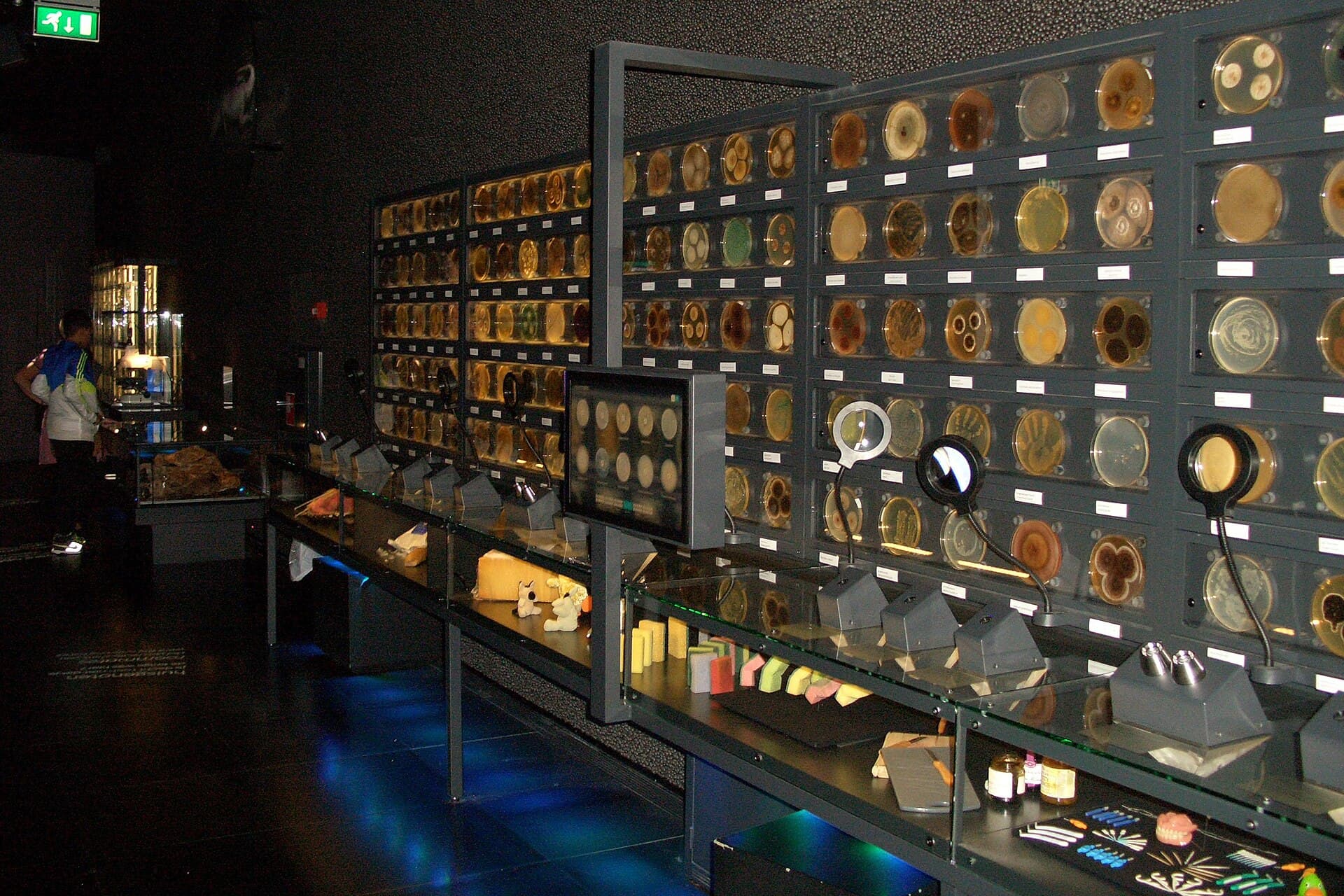 MicropiaMicropia is the only museum in the world devoted to microorganisms: bacteria, fu1 minute walk4.6
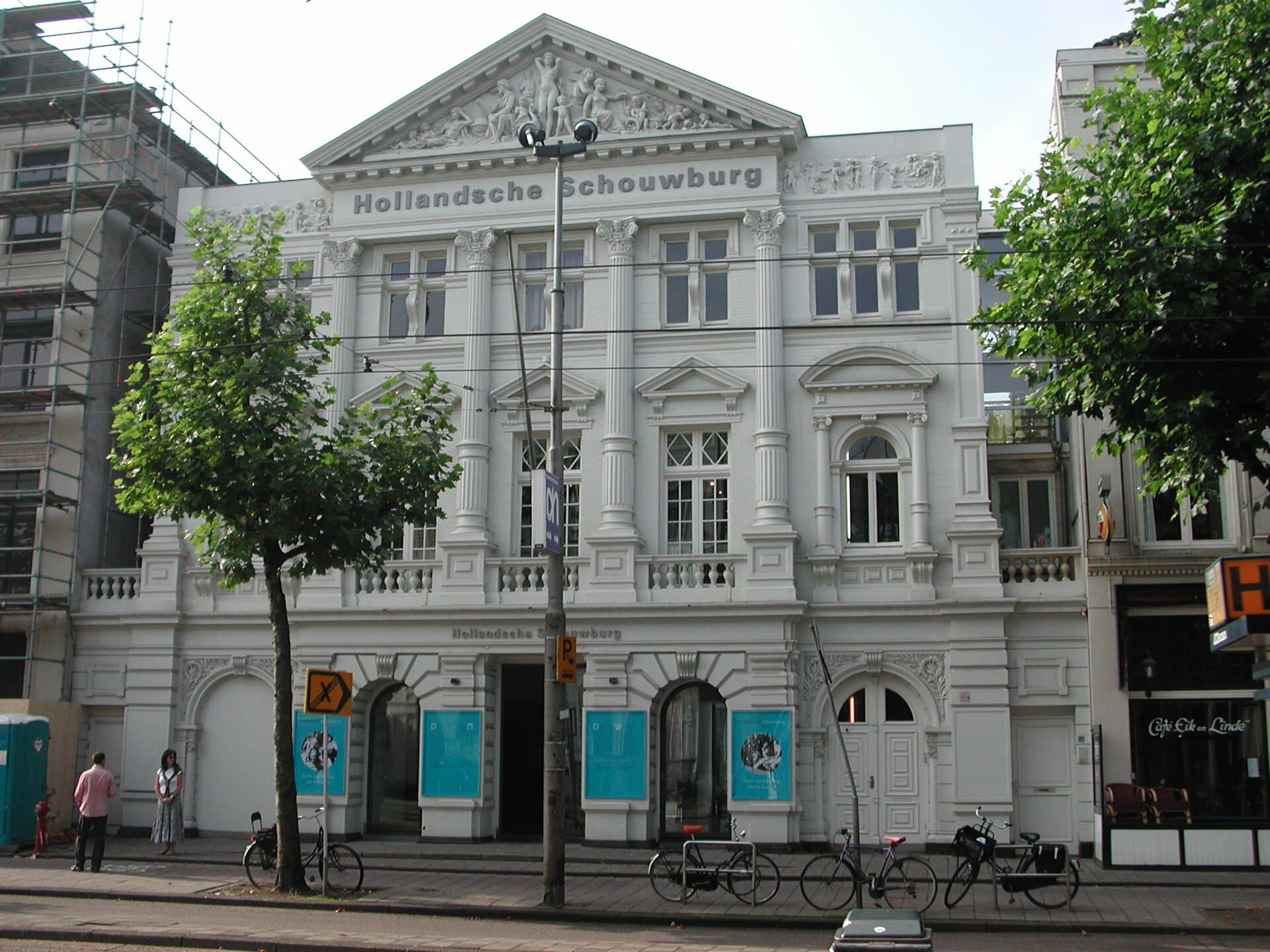 The Hollandsche Schouwburg MemorialThe Hollandsche Schouwburg was an ordinary theatre in the Jewish quarter until t2 minutes walk4.6
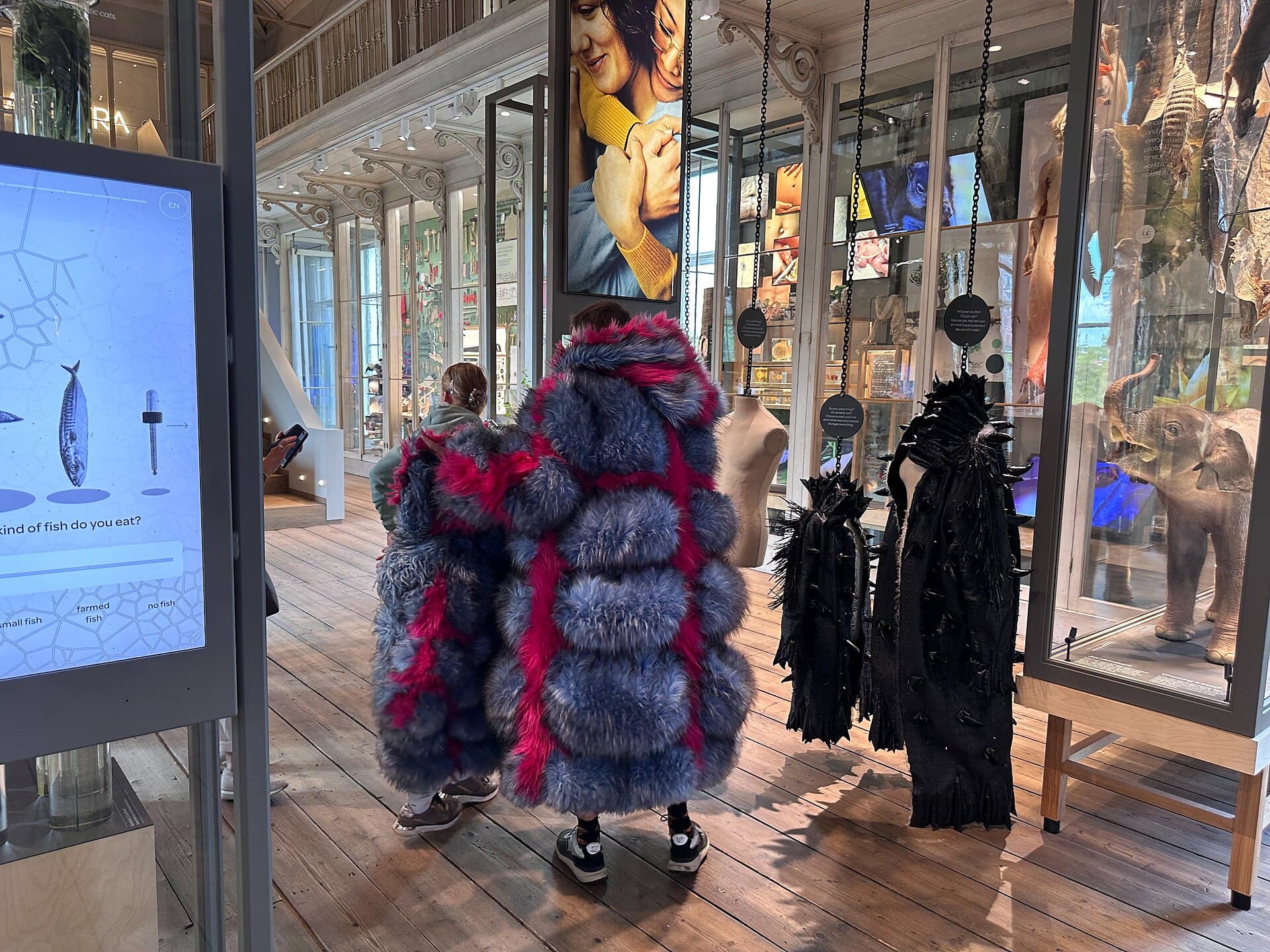 The Groote Museum at ARTISThe Groote Museum is an 1855 building inside the ARTIS zoo, built originally as 2 minutes walk4.5
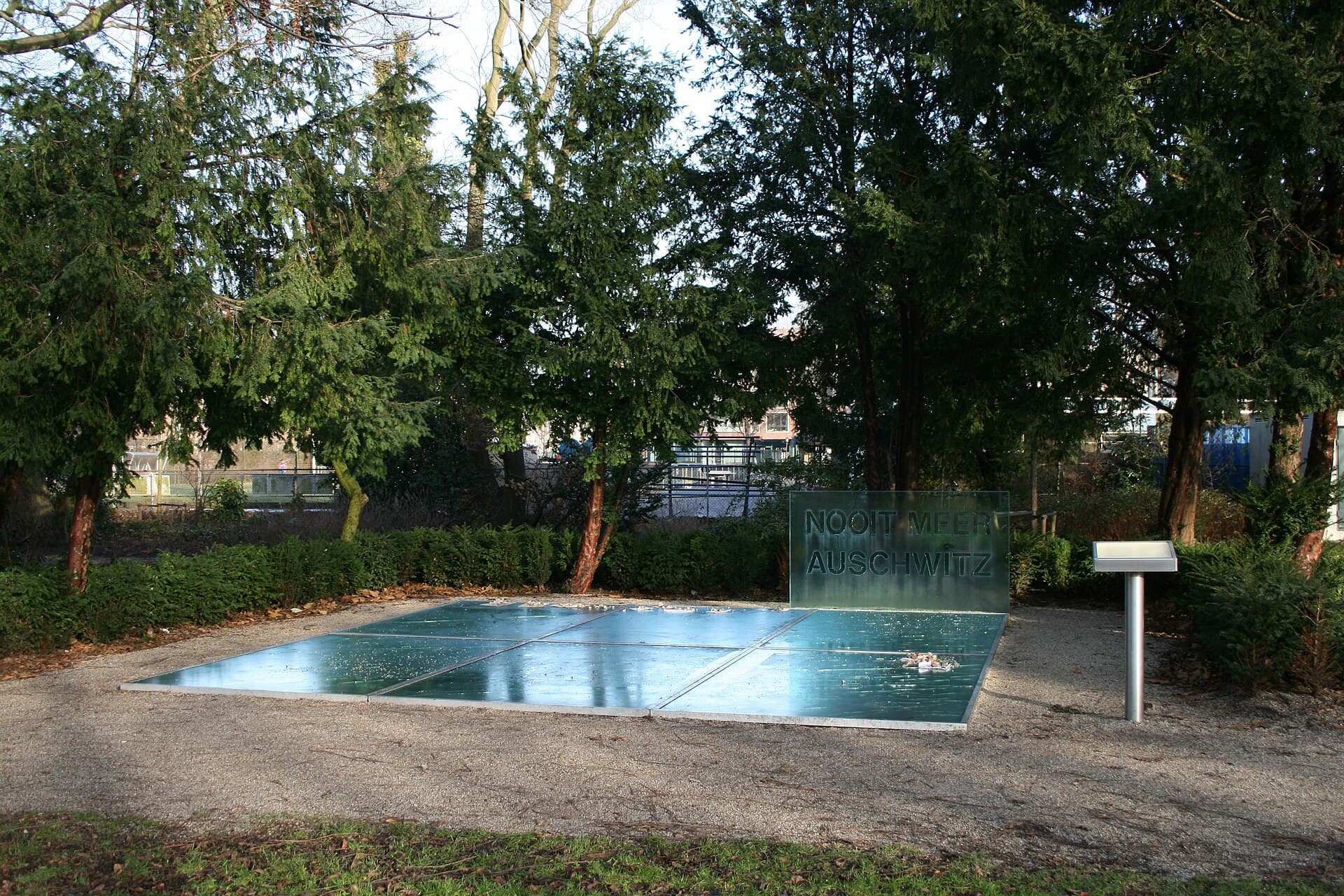 The Auschwitz Monument, WertheimparkA memorial to the victims of Auschwitz in Wertheimpark, designed by the writer a3 minutes walk4.3
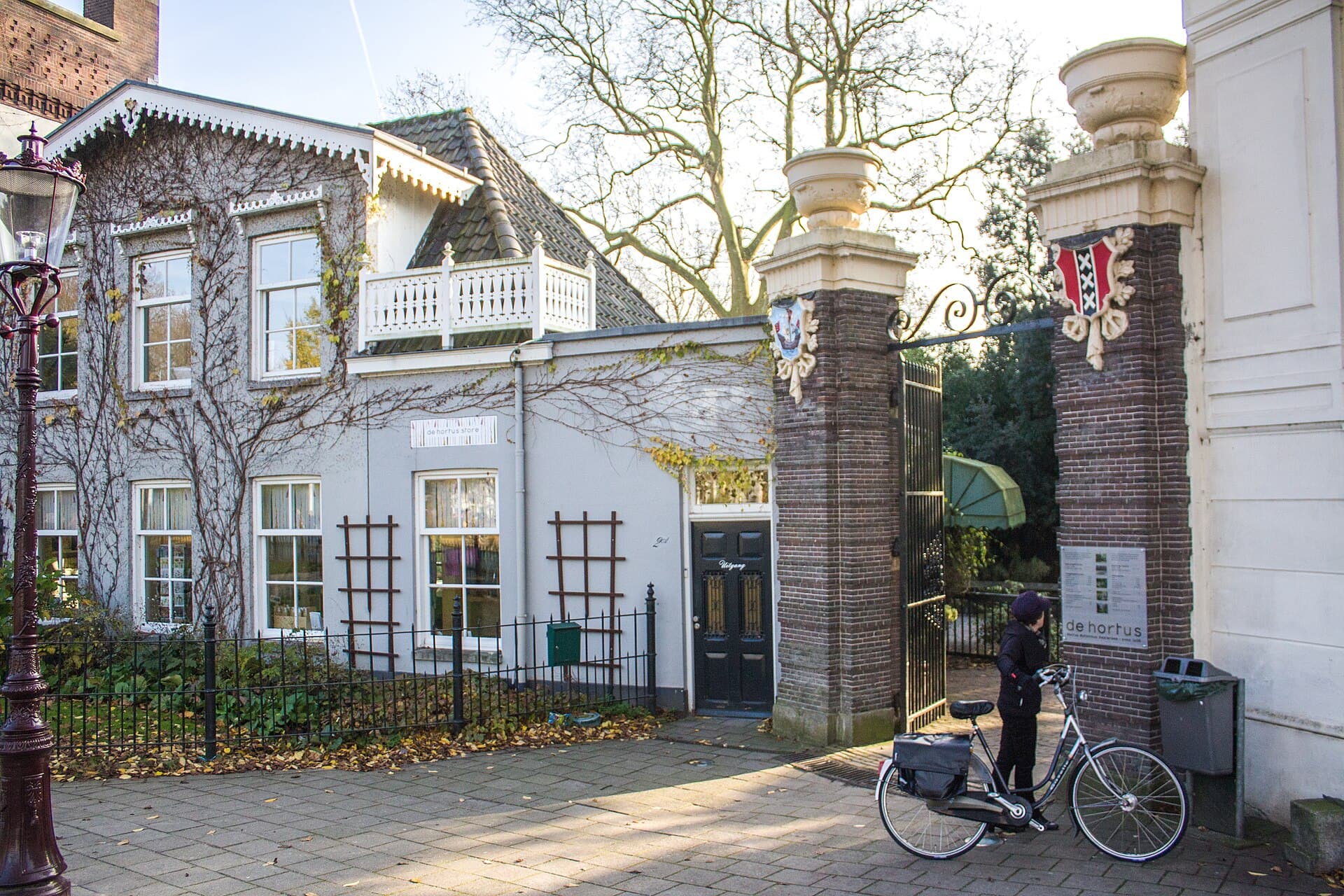 Hortus BotanicusThe Hortus Botanicus is among the world's oldest botanical gardens (1638) — Amst4 minutes walk4.4
Before if you can. This museum gives you the context of the society and the occupation, so you enter the Anne Frank House understanding why the family had to hide, who helped them and who might have reported them. The reverse order works too but teaches less.
There is a dedicated children's wing telling the story through four real children, carefully designed for that age. The main exhibition is heavy in text and subject and suits teenagers and above.
Yes, the exhibition is bilingual in Dutch and English through its main sections, and it is one of the museums where the English text works fully rather than as a short summary.