
The emptiness
The auditorium was removed and the space left deliberately bare.
P.H. Louw — CC BY 2.5 · Rijksmuseum — CC0 · Fred Romero from Paris, France — CC BY 2.0 · Ceescamel — CC0
The Hollandsche Schouwburg was an ordinary theatre in the Jewish quarter until the Nazi occupation turned it in 1942 into an assembly point for deportation. Some forty-six thousand Dutch Jews passed through it on their way to the Westerbork camp and from there to Auschwitz and Sobibor. The place today is not a museum in the usual sense. The auditorium was removed and the space left empty, with a granite monument where the stage stood. On an inner wall are written 6,700 families by name — not individuals, but family names, because the number of individual dead is too great to write. The emptiness is the exhibit. Directly across the street stood a nursery used to hold the children. From there some six hundred children were smuggled out of the system with the help of Dutch staff and students, sometimes through the garden of the neighbouring college. That part of the story is told in the building opposite, and the ticket is shared with the Portuguese Synagogue and the Jewish Museum.
The auditorium was removed and the space left deliberately bare.
Some six hundred children smuggled from the house opposite.
Plantage Middenlaan 24, 1018 Amsterdam
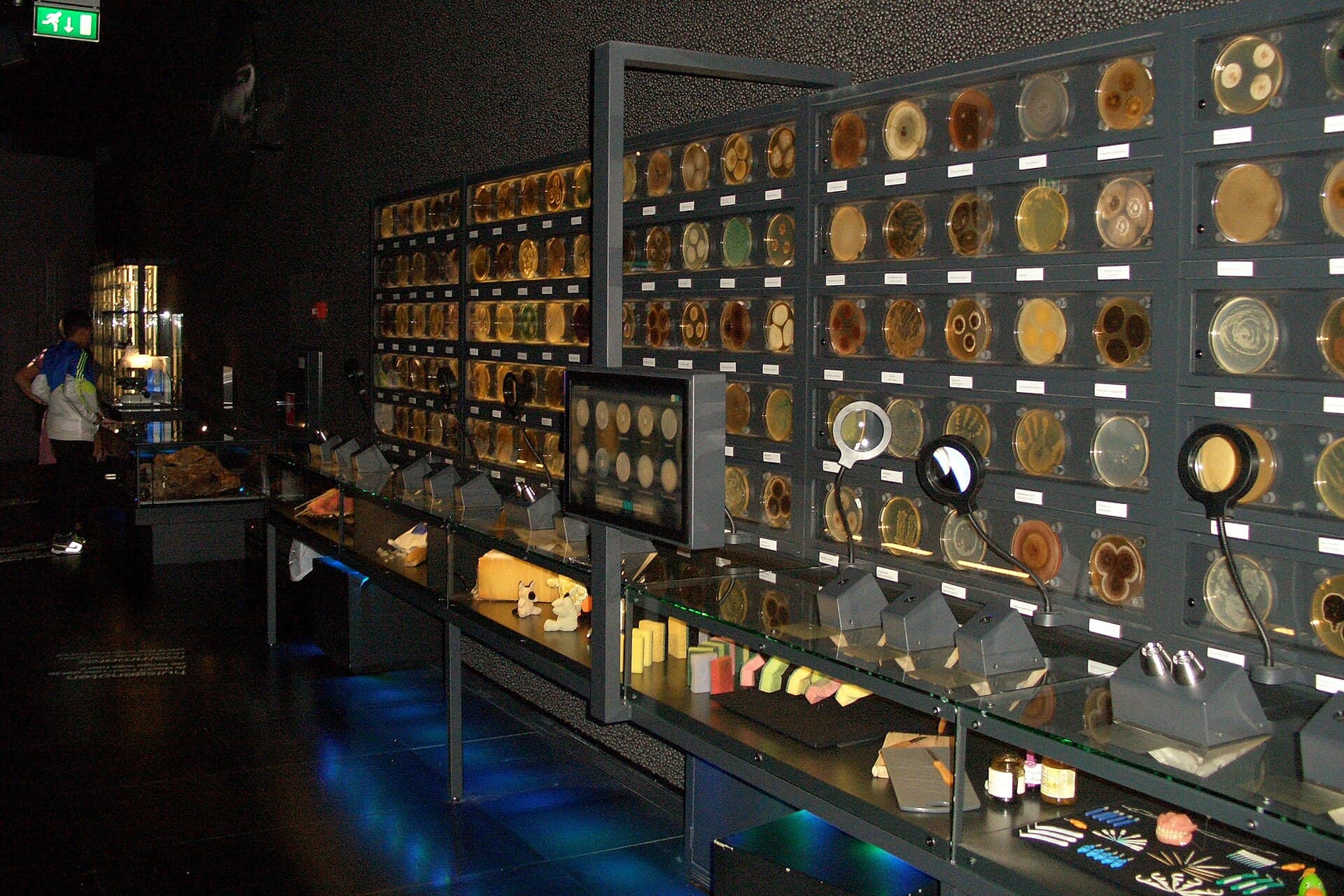 MicropiaMicropia is the only museum in the world devoted to microorganisms: bacteria, fu1 minute walk4.6
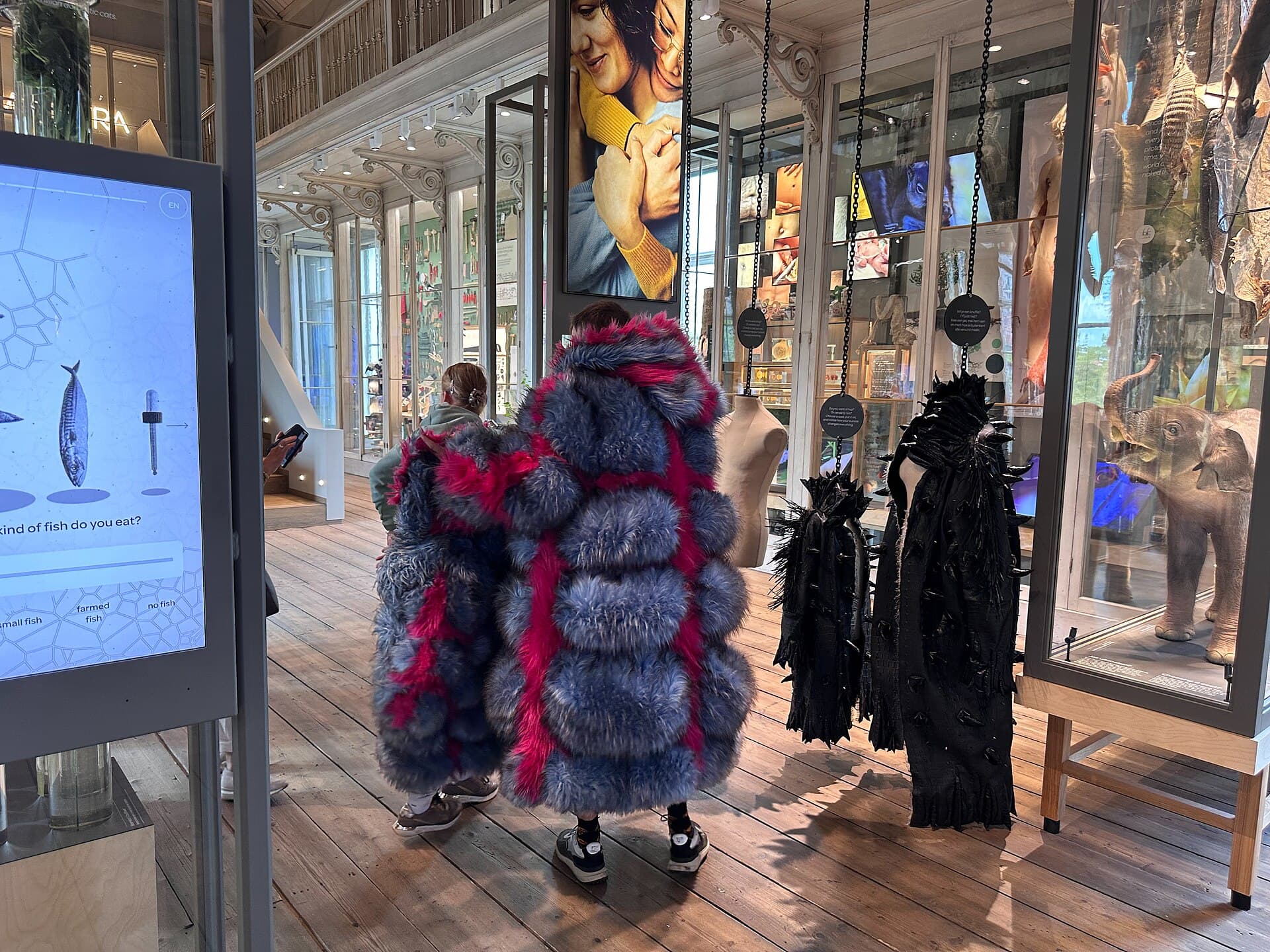 The Groote Museum at ARTISThe Groote Museum is an 1855 building inside the ARTIS zoo, built originally as 2 minutes walk4.5
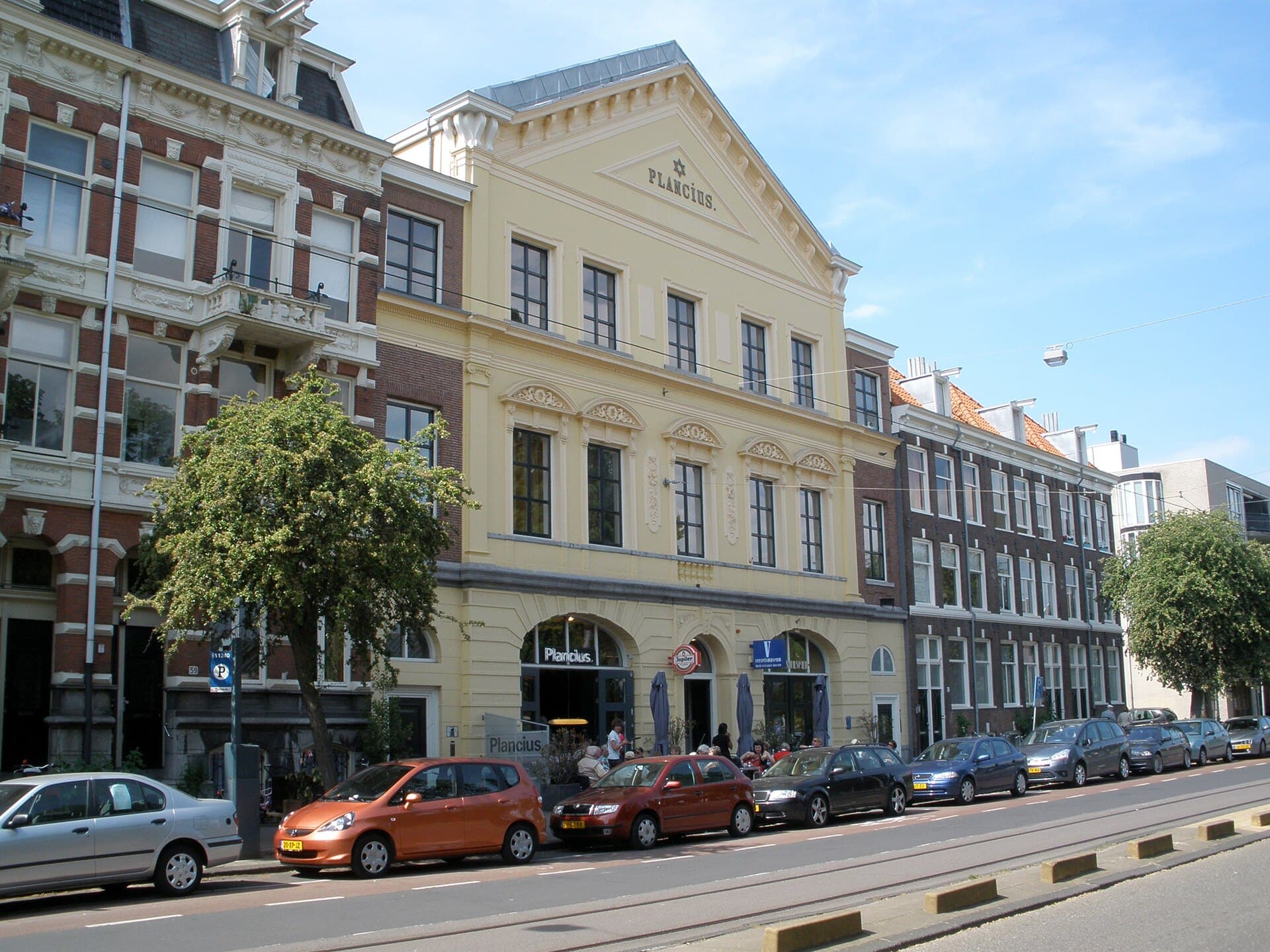 Dutch Resistance MuseumA museum about how the Dutch lived through the German occupation between 1940 an2 minutes walk4.5
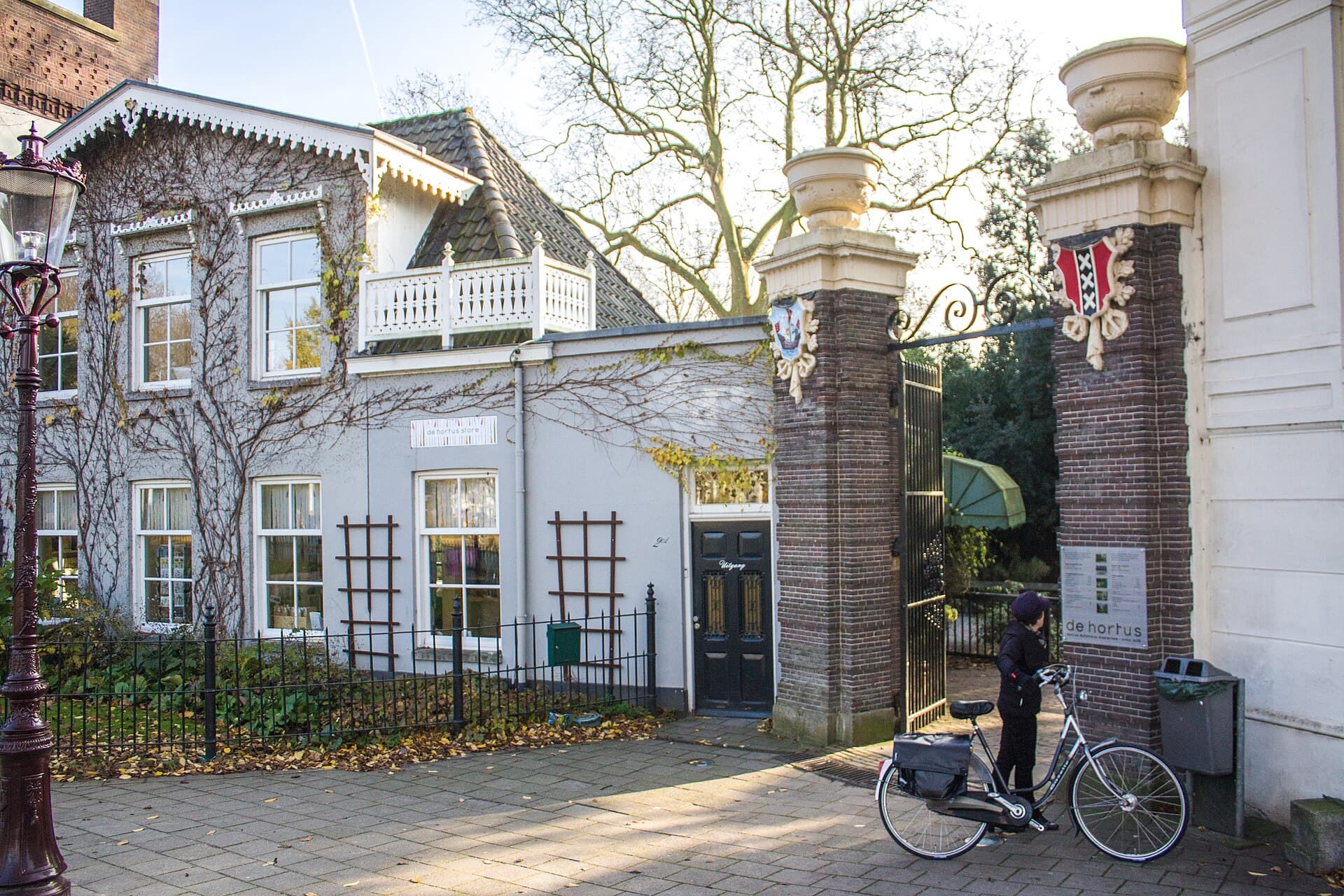 Hortus BotanicusThe Hortus Botanicus is among the world's oldest botanical gardens (1638) — Amst2 minutes walk4.4
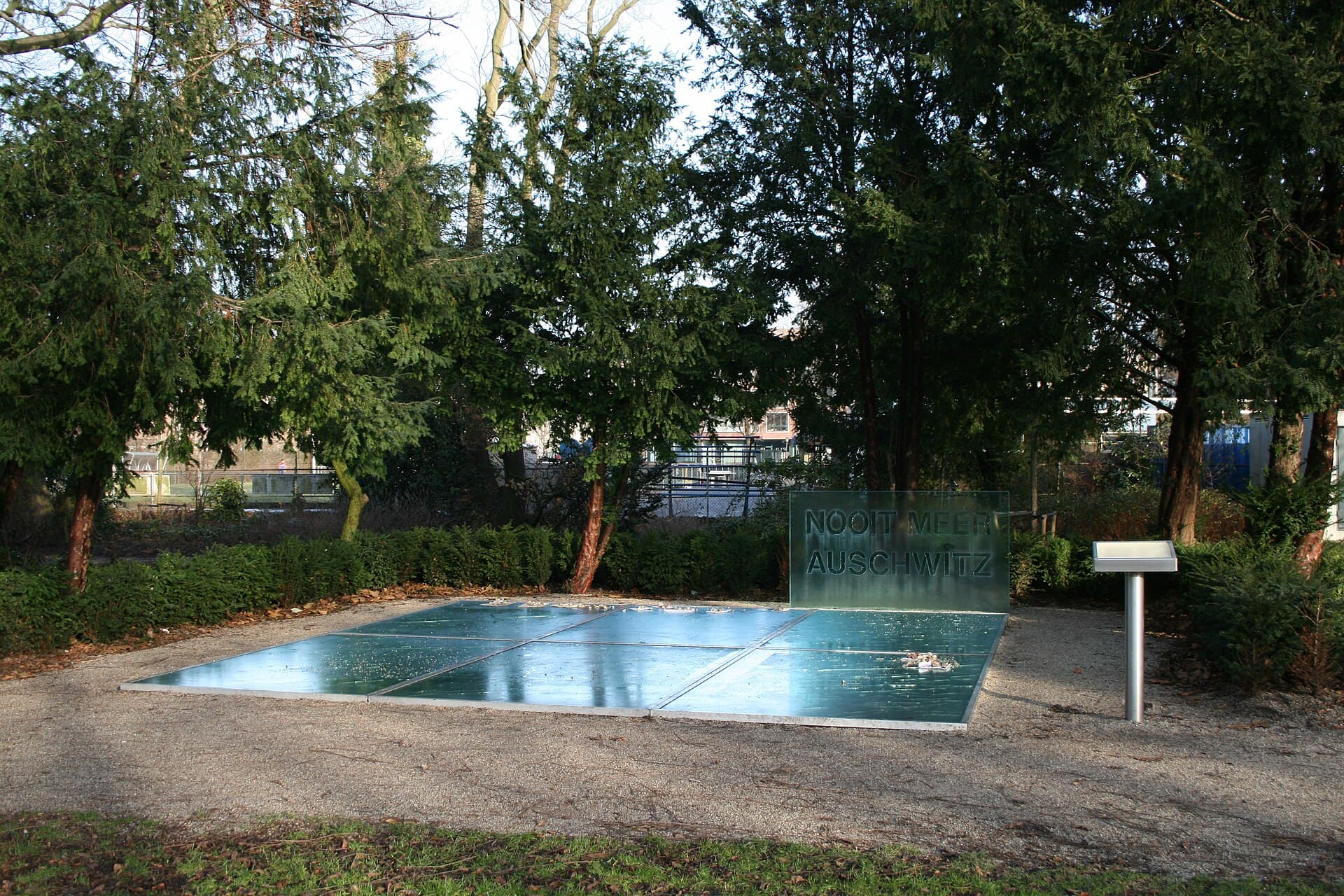 The Auschwitz Monument, WertheimparkA memorial to the victims of Auschwitz in Wertheimpark, designed by the writer a3 minutes walk4.3
About seventy-five per cent of the Netherlands' Jews were killed, the highest proportion in western Europe — higher than France or Belgium. The reasons compound: a direct German civil administration rather than military rule, exceptionally precise Dutch population records that noted religion and so made tracing easy, flat geography with no mountains and no near border to escape across, and a local bureaucracy that cooperated in carrying it out. Dutch museums today address this question directly.