
An execution that changed history
Egmont's death ignited the revolt that eventually produced Dutch independence.
Michel wal — CC BY-SA 3.0 · FrDr — CC BY-SA 4.0 · FrDr — CC BY-SA 4.0 · FrDr — CC BY-SA 4.0
An aristocratic palace in the Sablon district, sixteenth-century in origin and rebuilt several times after fires, now the seat of Belgium's foreign ministry and used for official receptions and international conferences. The name comes from the Egmont family, and from Count Lamoral of Egmont, executed on the Grand Place in 1568 on the orders of the Duke of Alba during the Spanish repression of the Low Countries. His execution helped ignite the revolt that eventually produced Dutch independence, and he became a figure in European literature: Goethe wrote a play about him and Beethoven composed its overture. That means the palace is tied to an event that changed the region's course rather than being merely a handsome building. In practice the visit is exterior: the building is a working government institution and its interior is opened only on rare occasions. But the Egmont park behind it is open to the public and free, among the quietest gardens in central Brussels, and its entrance is not obvious to most visitors.
Egmont's death ignited the revolt that eventually produced Dutch independence.
Goethe wrote a play about him and Beethoven composed its overture, famous in its own right.
Open, free and quiet, and missed by most visitors because its entrance is not visible.
Sablon district, Brussels
 Place du Grand SablonThe Grand Sablon is Brussels' most refined square: an elegant sloping piazza rin2 minutes walk4.2
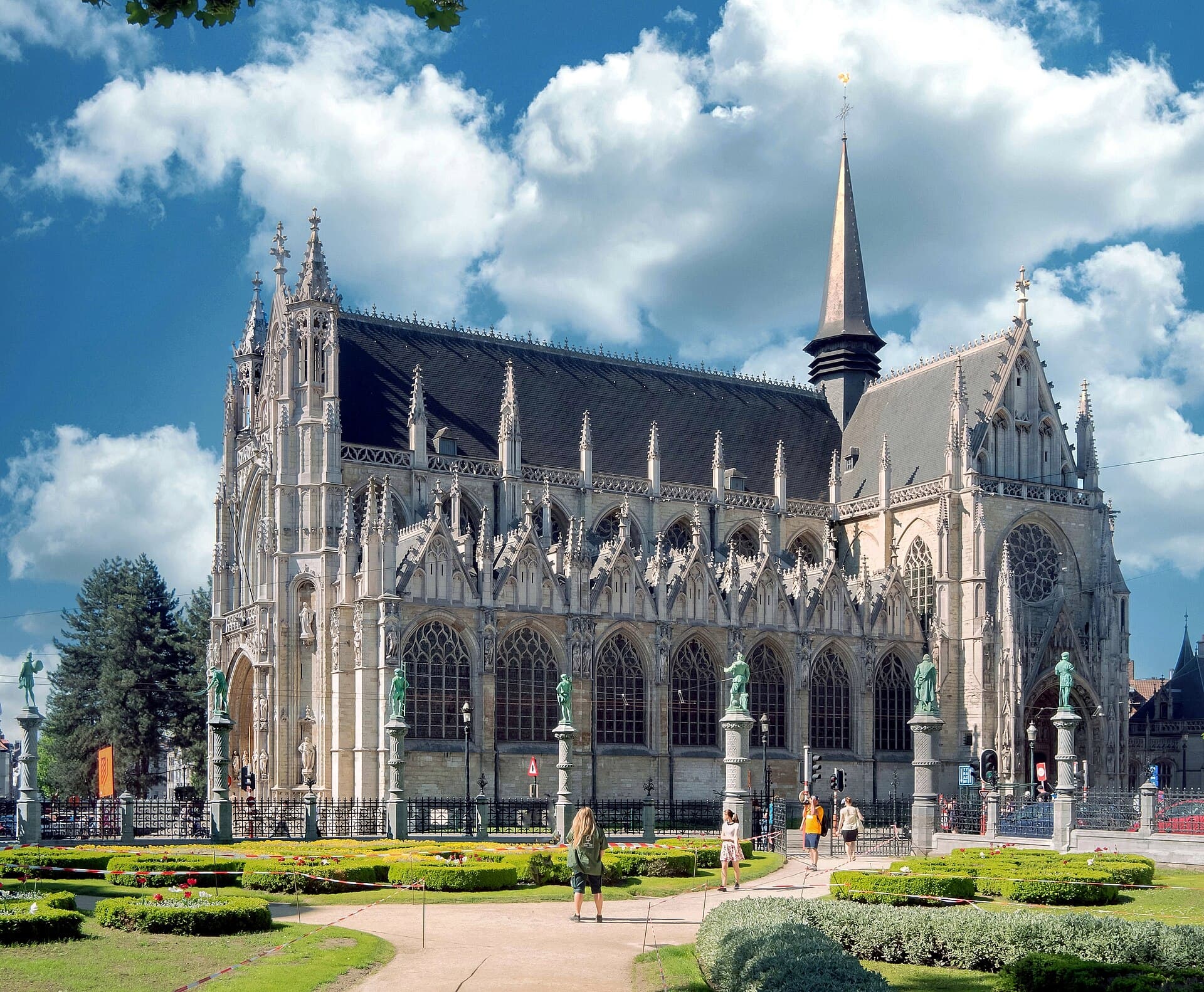
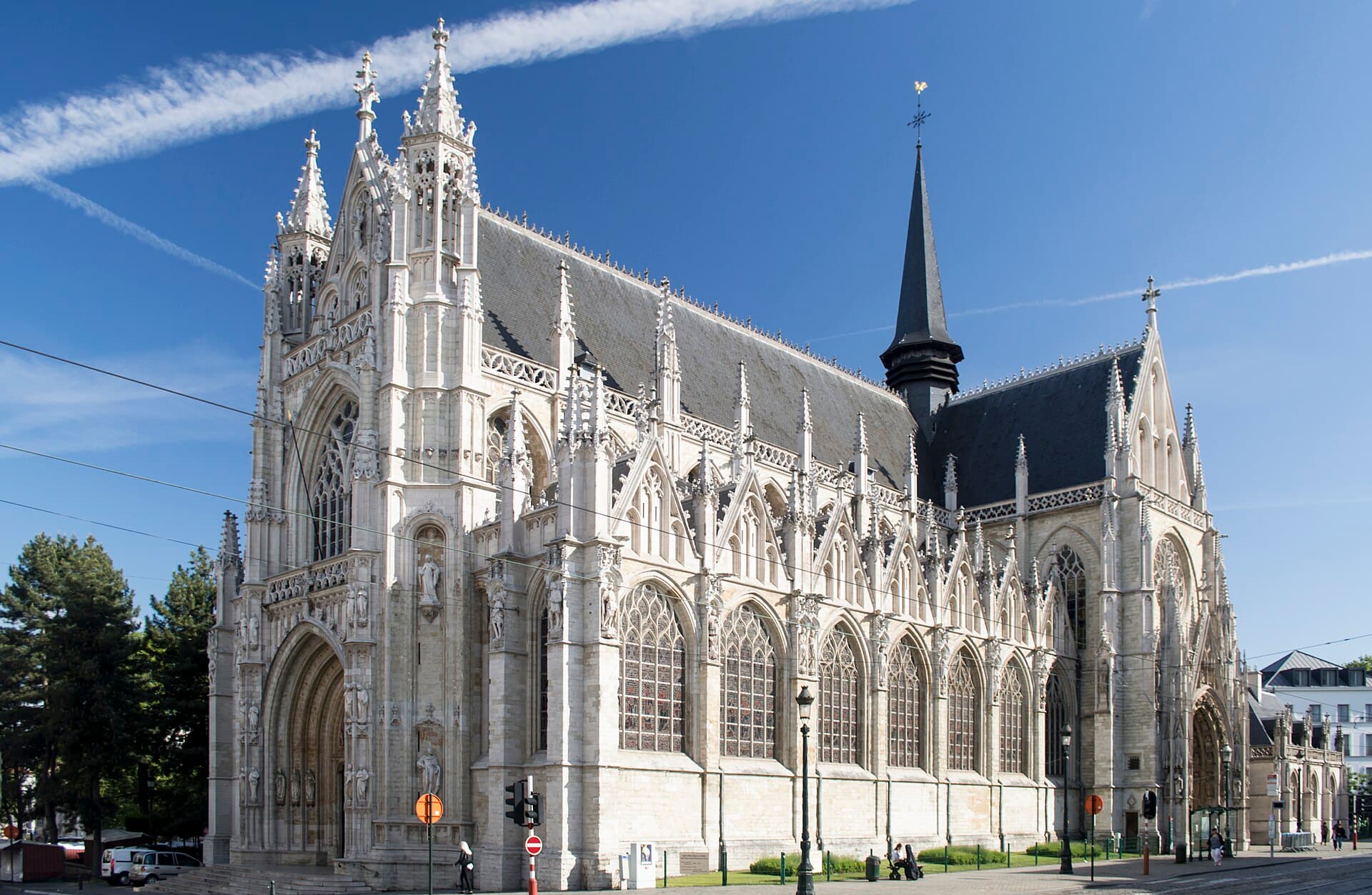 Church of Notre-Dame du SablonNotre-Dame du Sablon is Brussels' loveliest Gothic church after the cathedral, a3 minutes walk4.5
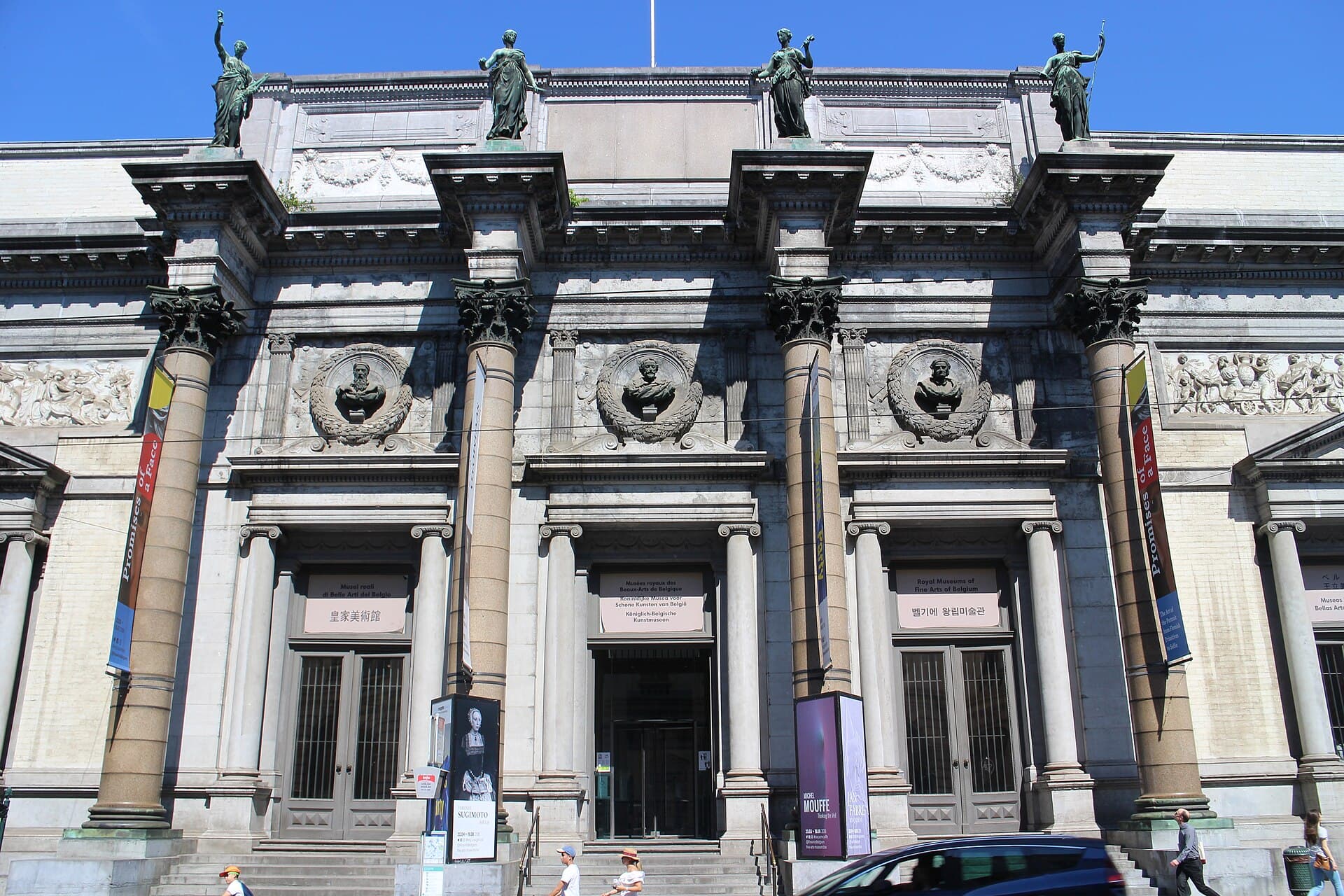 Royal Museums of Fine Arts of BelgiumThe Royal Museums of Fine Arts are Belgium's largest art complex, on the Place R4 minutes walk4.6
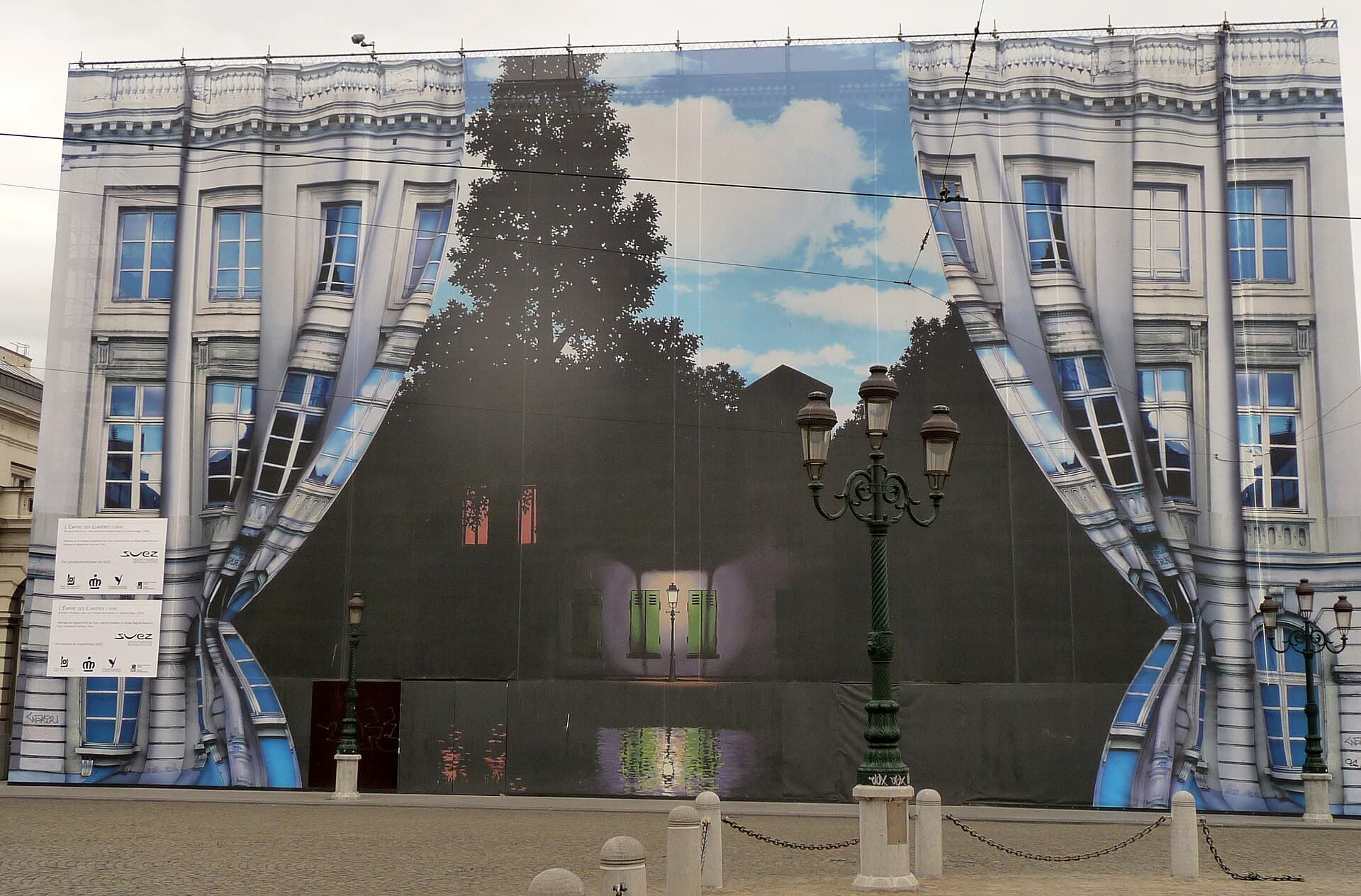 Magritte MuseumThe Magritte Museum holds the world's largest collection of René Magritte, Belgi5 minutes walk4.4
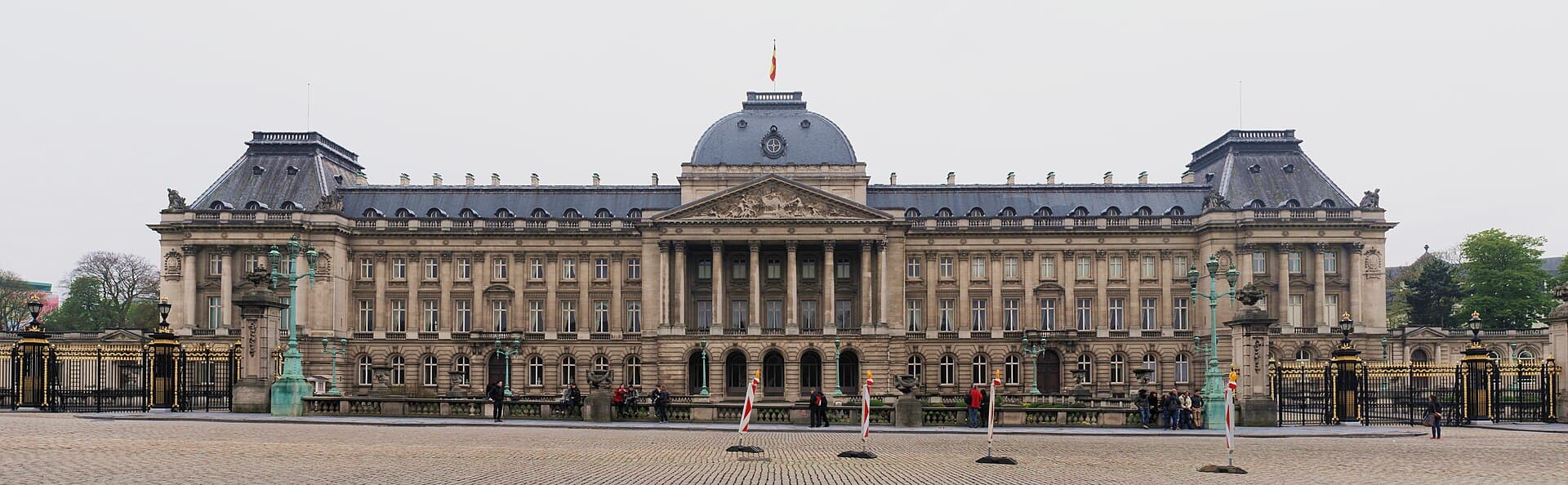 Royal Palace of BrusselsThe Royal Palace is the official palace of the King of the Belgians — not his re6 minutes walk4.6
Normally not. It is the working seat of Belgium's foreign ministry, used for receptions and conferences, and opens to the public only on rare occasions such as the annual heritage open days. The ordinary visit is the facade and the garden.
The Sablon district around it: the Grand Sablon square and the Notre-Dame du Sablon church are minutes away, and the area is known for antique and chocolate shops. The Egmont park itself is a good place to rest between them.