
The Narmer Palette
The earliest pictorial record of Egypt's unification, and one of the most important objects in world archaeology.
Holger Uwe Schmitt — CC BY-SA 4.0 · Amal Aglan — CC BY-SA 4.0 · Johnny 201 — CC BY-SA 3.0 · Johnny 201 — CC BY-SA 3.0
The red building on Tahrir Square, the oldest archaeological museum in the Arab world — it opened in 1902 and is still in its original home. One thing must be clear before you go: the Tutankhamun treasure is no longer here. It moved to the Grand Egyptian Museum out by the pyramids, gold mask, coffins and all. Anyone coming to Tahrir for Tutankhamun will leave disappointed. What remains is still worth the visit. The collection spans more than five thousand years and holds pieces with no equal anywhere: the Narmer Palette recording the unification of Upper and Lower Egypt, the statues of Khafre and Menkaure, the Amarna material from the reign of Akhenaten and Nefertiti, and the gold of Tanis that some call the second Tutankhamun hoard. The way it is displayed is part of the experience, and it is the opposite of a modern museum: wooden cases, handwritten labels, objects stacked without strict chronology. Some visitors find it chaos; others find it a museum of how museums were arranged a century ago. The Royal Mummies room is a separate ticket on top of admission, and many of the famous royal mummies have themselves moved, to the Museum of Civilisation in Fustat. The building is old and most halls are not air-conditioned; a midday visit in summer is punishing.
The earliest pictorial record of Egypt's unification, and one of the most important objects in world archaeology.
The gold of the Twenty-first Dynasty kings — what gold remains here now that Tutankhamun has gone.
The strange elongated statues of Akhenaten, a complete break with Egyptian art before and after.
Tahrir Square, Downtown, Cairo
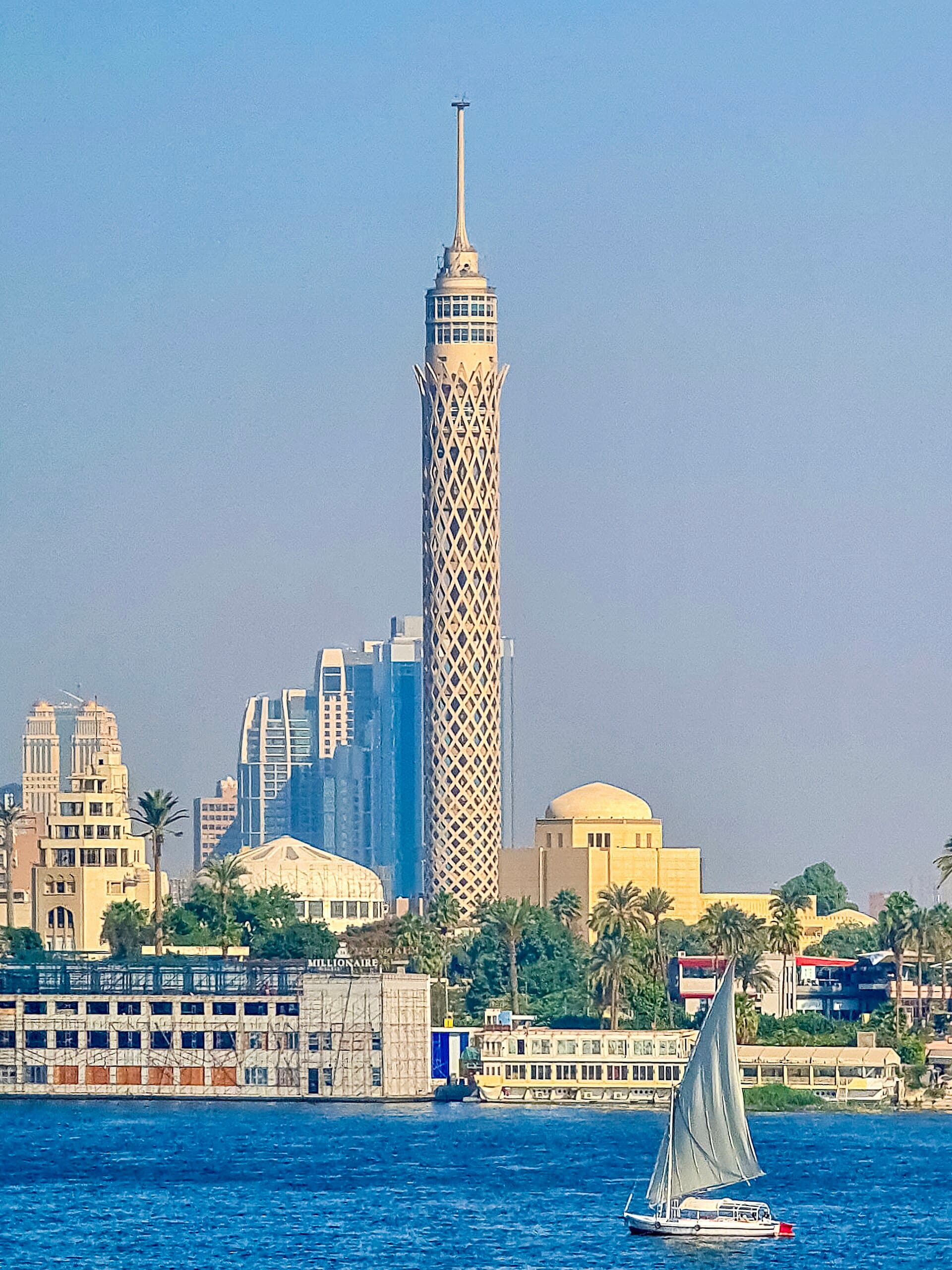 Cairo TowerA concrete tower on Zamalek island, a hundred and eighty-seven metres high, buil12 minutes walk4.2
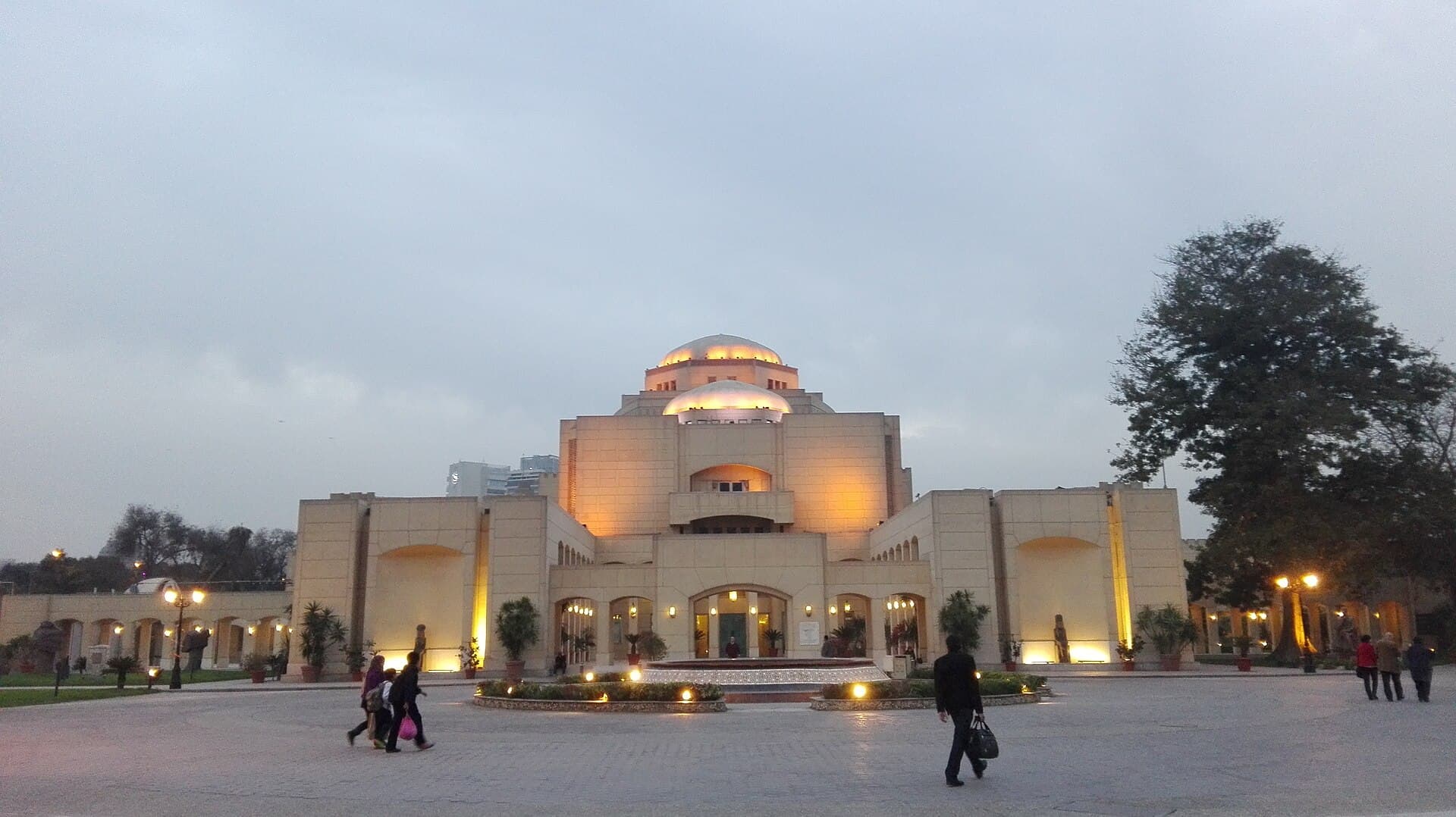 Cairo Opera HouseEgypt's largest arts centre, on Gezira island in the Nile, opened in 1988 with a15 minutes walk4.6
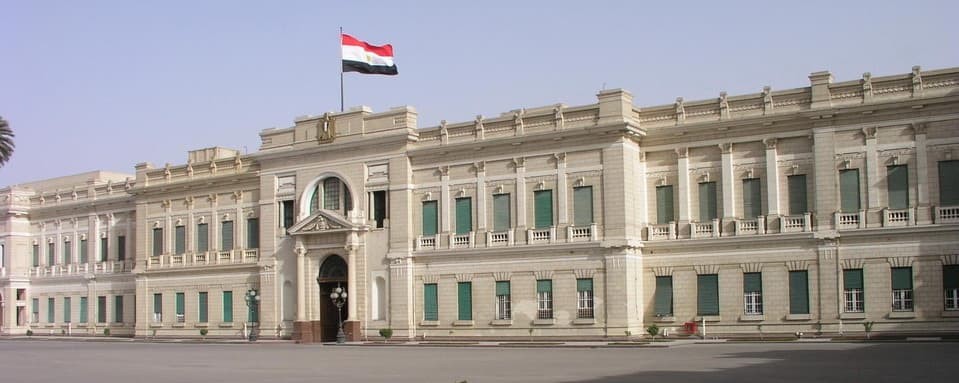 Abdeen Palace MuseumThe palace Khedive Ismail built in the mid-nineteenth century as the official se18 minutes walk4.5
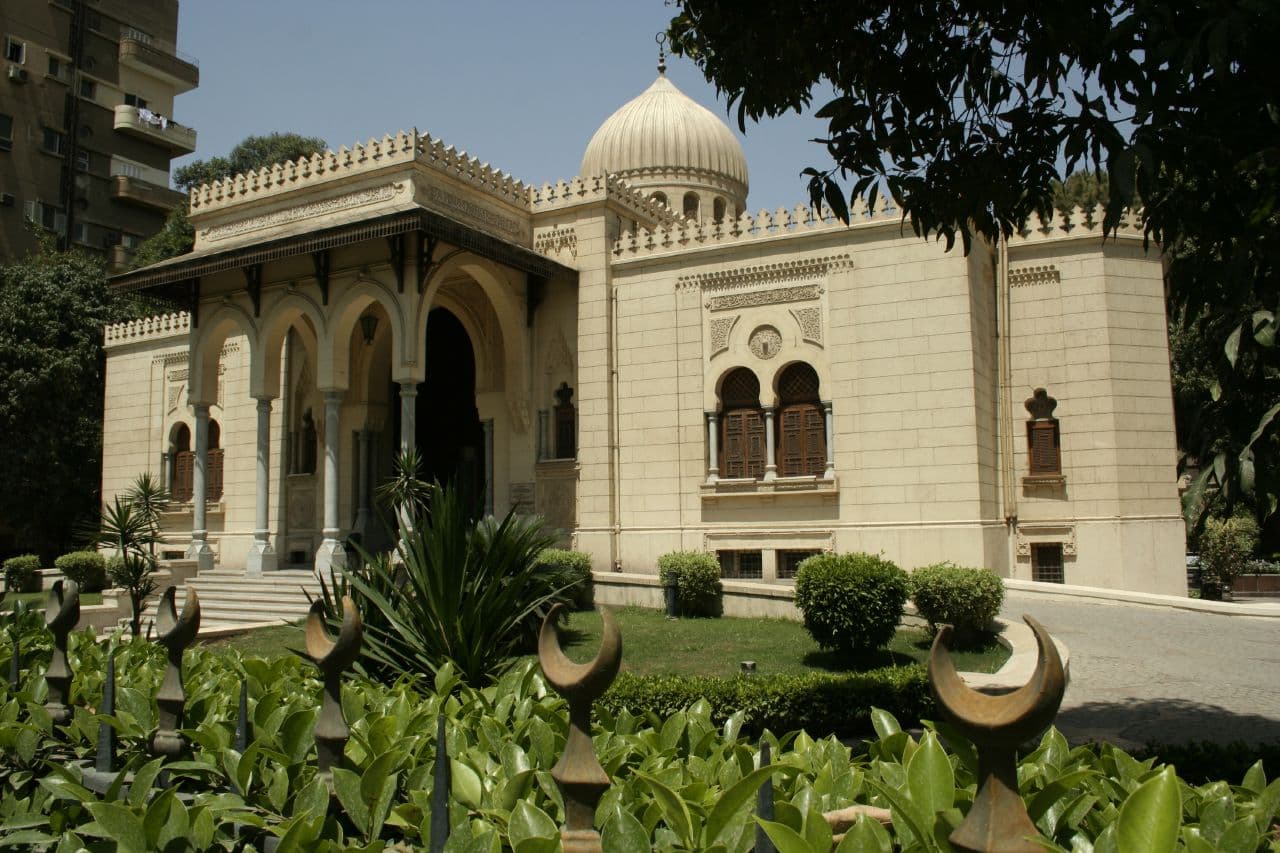 Museum of Islamic ArtThe most important museum of Islamic art in the world by collection, and yet mos23 minutes walk4.5
The Grand Museum by the pyramids has the complete Tutankhamun collection, a modern display and space; it is the first choice on a single day. Tahrir is smaller, older and denser, and what remains is still an enormous collection. With two days see both; with half a day and a wish to see the gold, go to the Grand.
Many of the famous royal mummies — Ramesses II, Hatshepsut and others — moved to the Museum of Civilisation in Fustat in the golden parade. What is left at Tahrir is less celebrated. If royal mummies are the point, Fustat is the place.
Two hours covers the major pieces if you know what you are looking for. Anyone who reads and lingers will spend four without effort. The museum is large and the labels sparse, which is why a guide helps here more than in a modern museum.