
Garitas
Sentry boxes.
Nils Huenerfuerst — CC BY 4.0 · P. Hughes — CC BY-SA 4.0 · Godot13 — CC BY-SA 4.0 · Breezy Baldwin — CC BY 2.0 · Godot13 — CC BY-SA 4.0
Puerto Rico's most famous landmark, a massive stone fortress on a rocky headland at the mouth of San Juan Bay. King Charles I ordered it built as a small tower in 1539, and it grew for two and a half centuries until reaching its present form in 1787, a citadel of layered walls and batteries rising some 43 metres above the Atlantic. Visitors roam its stepped levels between gun decks, barracks and stores, its tunnels and stone ramps for hauling cannon, the little sentry boxes, garitas, that have become the island's symbol, and an old lighthouse on top. Halls hold exhibits on the fort's history and the attacks it repelled. In front stretches a broad green lawn running to the city walls, where families fly kites in the evenings and from which the fort and sea look their best. The fort, with Castillo San Cristóbal and the city walls, forms a US national historic site and a UNESCO World Heritage Site. The sun is strong all year, so carry water, a hat and sunscreen. Puerto Rico is a US territory, so entry follows US rules: a US visa, or an electronic travel authorisation for those eligible.
Sentry boxes.
On top.
Kite flying.
North-western tip of Old San Juan
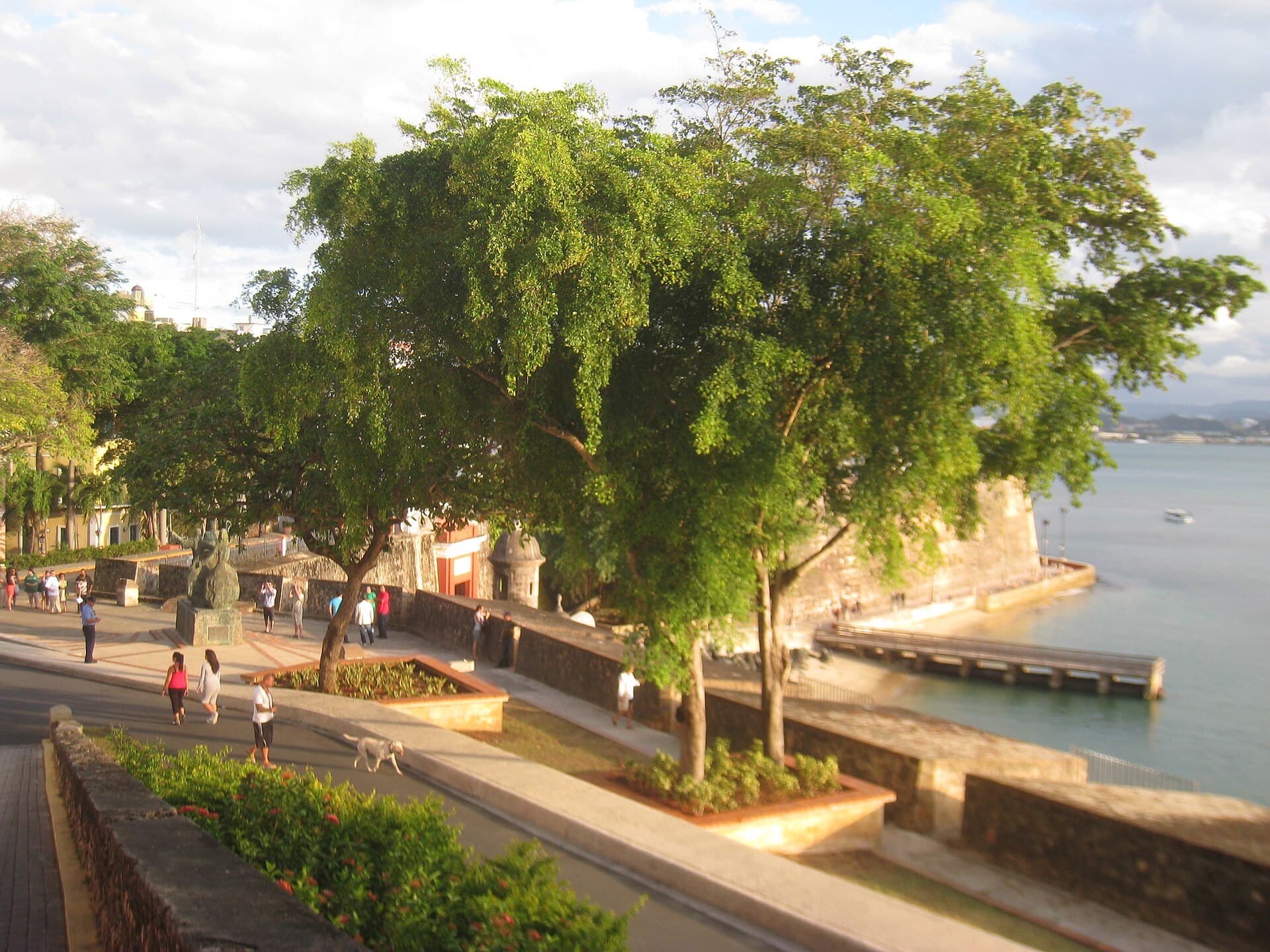 Paseo de la Princesa and the City WallsA nineteenth-century promenade about eight hundred metres long, running along Sa14 minutes walk4.7
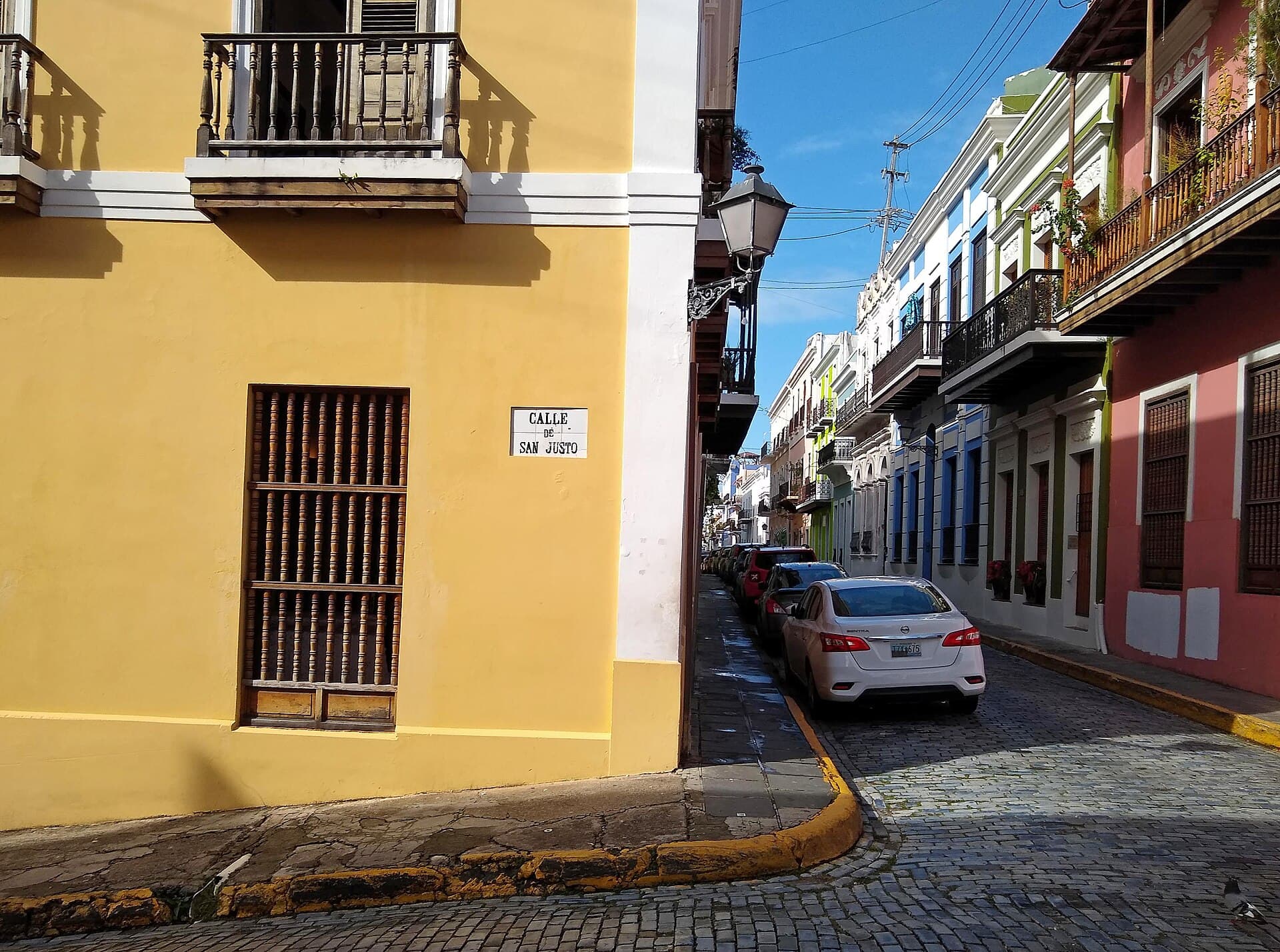 Old San Juan and La FortalezaThe historic quarter of Puerto Rico's capital and the island's oldest settlement16 minutes walk
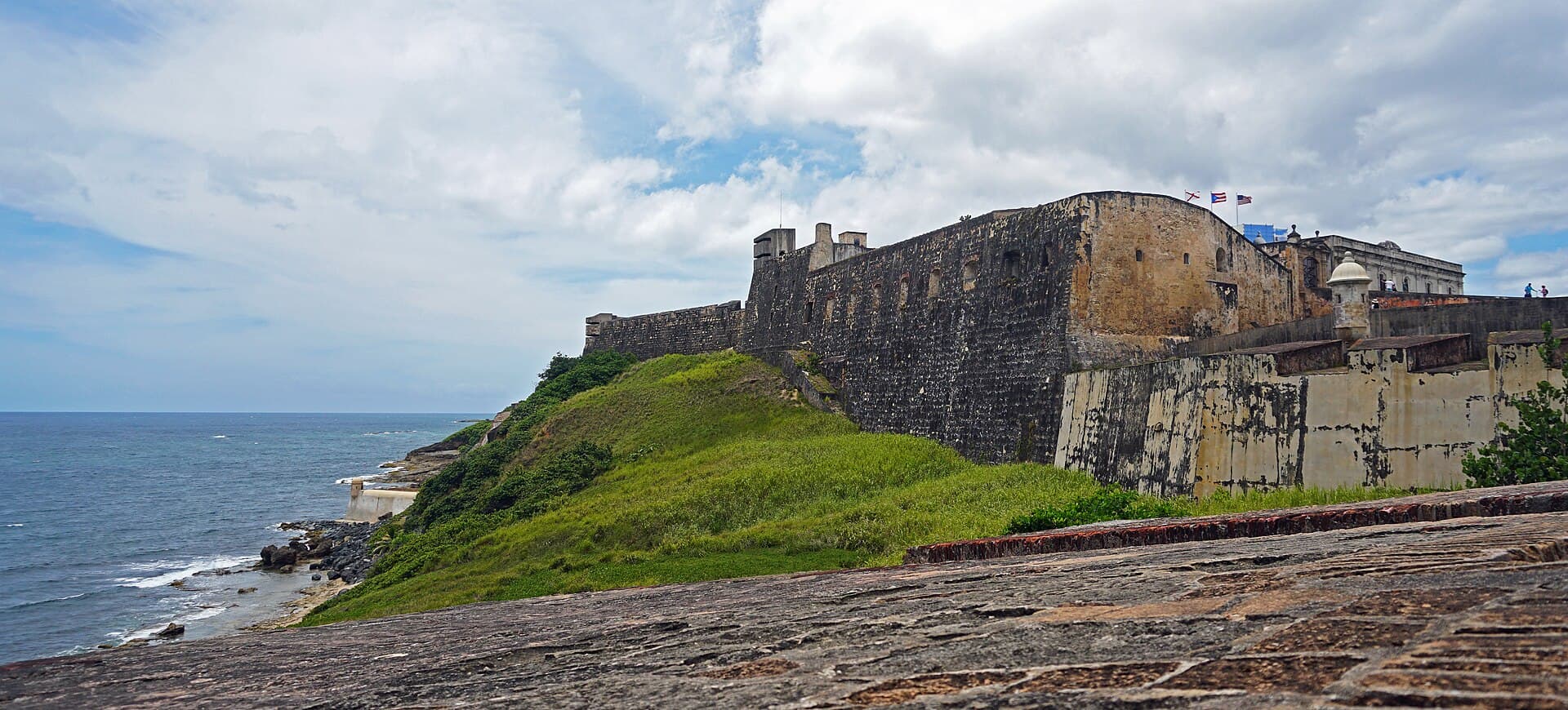 Castillo San CristóbalThe largest fortification the Spanish built in the New World, guarding Old San J18 minutes walk4.7
Yes, one US$10 adult ticket covers both forts; card payment only.
Puerto Rico is a US territory, so US entry rules apply: a US visa, or an electronic travel authorisation for those eligible.