
Calle Fortaleza
Colourful umbrellas.
P. Hughes — CC BY-SA 4.0 · Fuzheado — CC BY-SA 4.0 · vxla — CC BY 2.0 · Jorge Rodriguez — CC BY 2.0 · Ligocsicnarf89 — CC BY 4.0
The historic quarter of Puerto Rico's capital and the island's oldest settlement, on a small islet between the Atlantic and San Juan Bay, ringed by Spanish walls and forts. Its narrow streets, paved with shiny blue cobbles, are lined with brightly painted colonial houses in yellow, blue and pink, with iron balconies and tall wooden doors. Its best-known street, Calle Fortaleza, is hung with colourful umbrellas in some seasons and ends at La Fortaleza, the governor's mansion, built as a fort between 1533 and 1540 and home to governors since the sixteenth century, the oldest executive seat in continuous use in the New World. It can be seen from outside, with short tours offered at times. The quarter has shady squares, cafés, craft and local-coffee shops, and museums in old houses. A free trolley loops its main sights, though walking is the best way to explore. Some streets are steep, so wear comfortable shoes, and go in the morning or late afternoon away from the midday heat. The sun is strong all year, so carry water, a hat and sunscreen. Puerto Rico is a US territory, so entry follows US rules: a US visa, or an electronic travel authorisation for those eligible.
Colourful umbrellas.
Governor's mansion.
Iron balconies.
North-western end of San Juan Islet
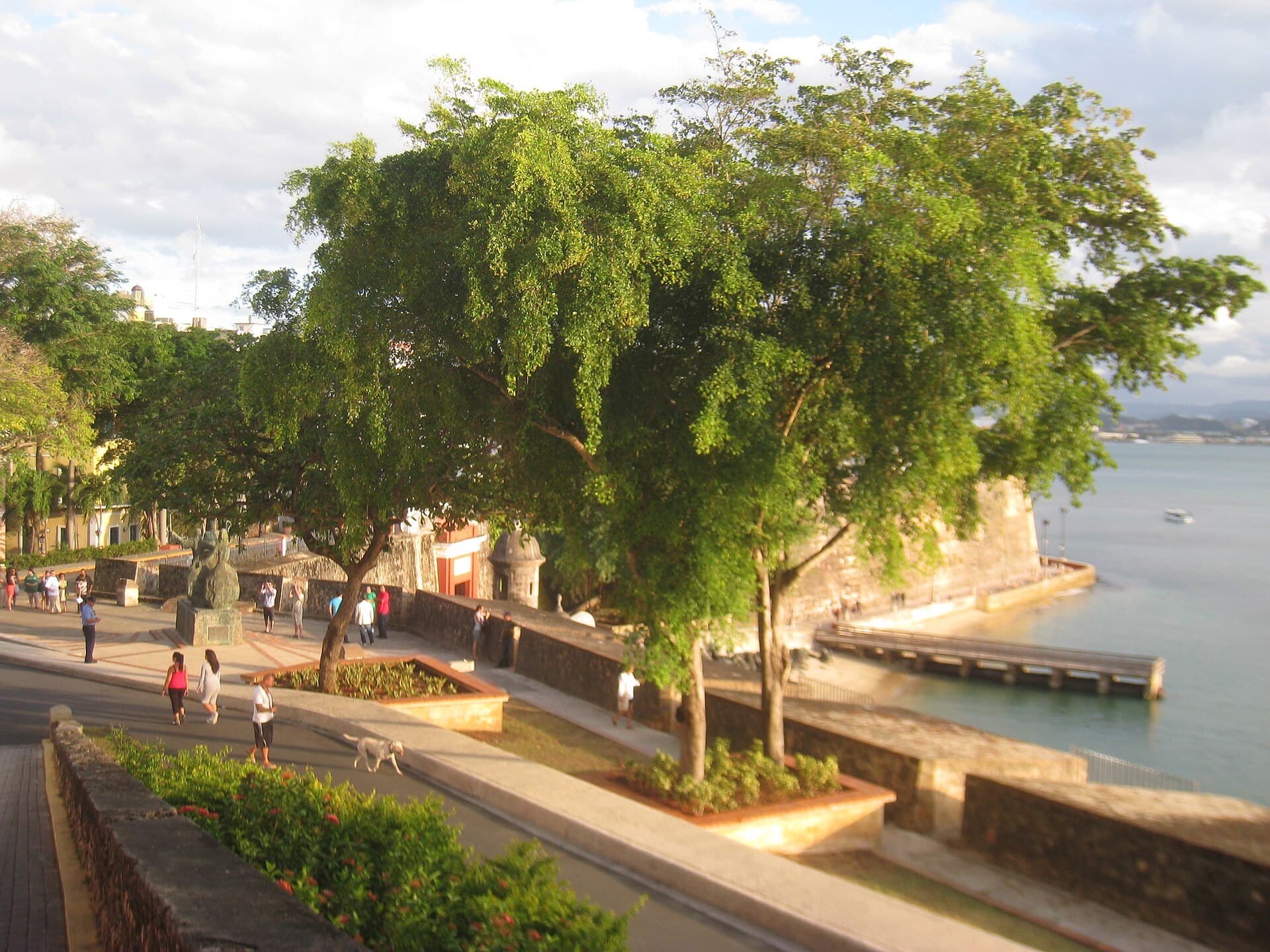 Paseo de la Princesa and the City WallsA nineteenth-century promenade about eight hundred metres long, running along Sa2 minutes walk4.7
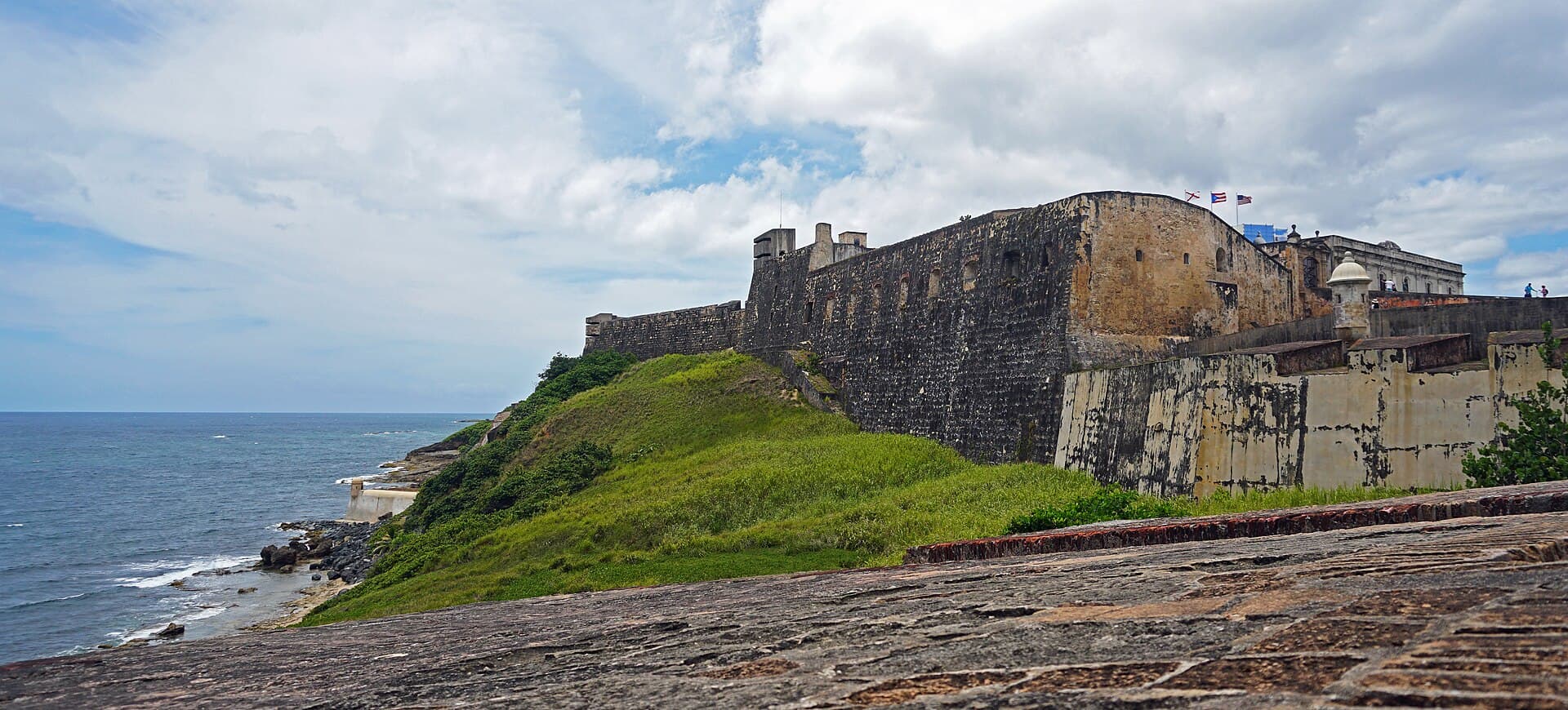 Castillo San CristóbalThe largest fortification the Spanish built in the New World, guarding Old San J8 minutes walk4.7
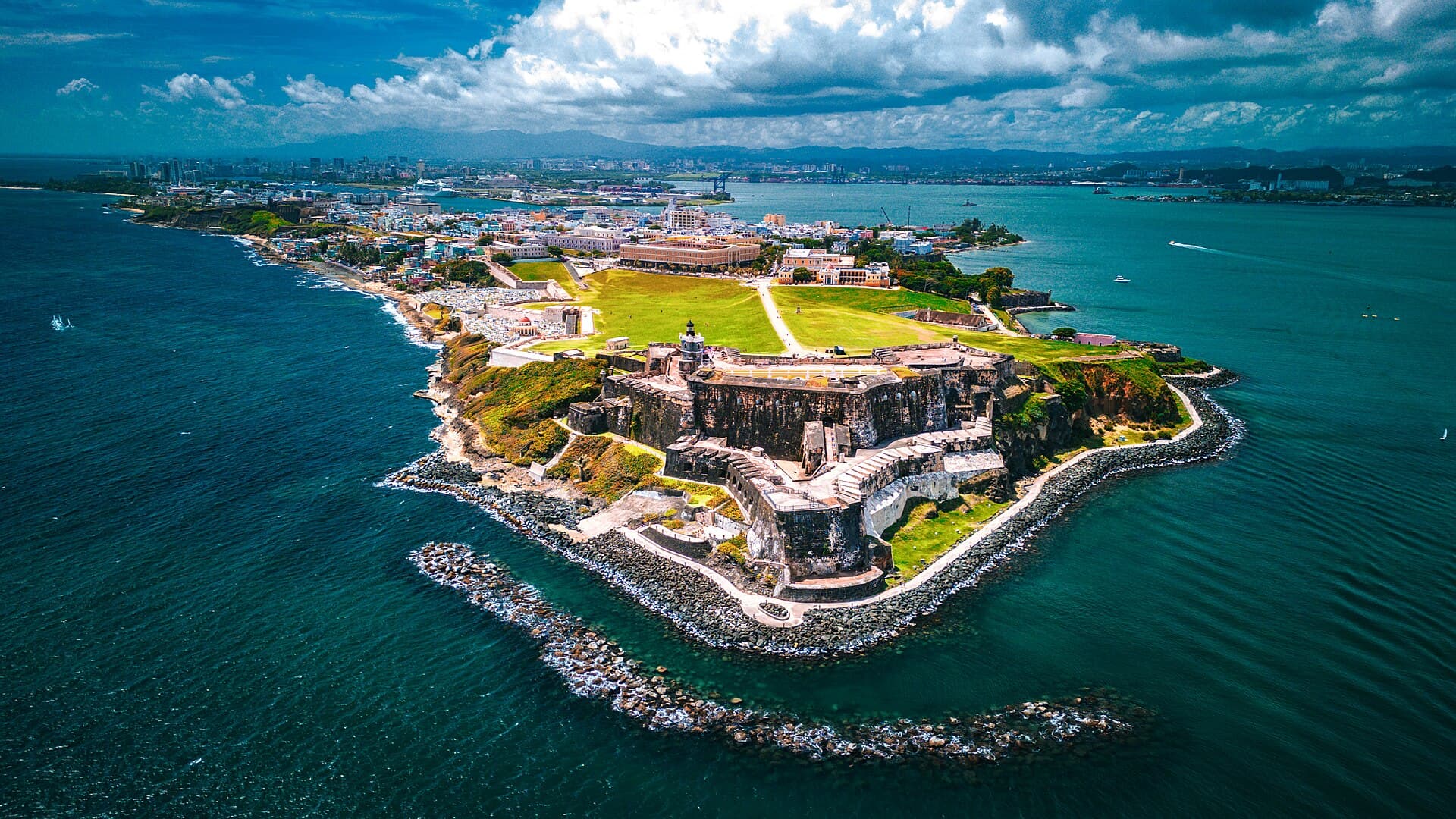 El Morro FortressPuerto Rico's most famous landmark, a massive stone fortress on a rocky headland16 minutes walk4.7
You can see it from outside at the end of Calle Fortaleza, and short tours run at set times, so check before going.