
Another Czech Republic
A rural culture of which nothing shows in the streets of Prague.
VitVit — CC BY-SA 4.0 · Matěj Baťha — CC BY-SA 3.0 · Matěj Baťha — CC BY-SA 3.0 · Matěj Baťha — CC BY-SA 3.0
A museum of Czech folk culture in the Kinský summer villa, inside a large garden on the slope of Petřín hill. The subject is Bohemian and Moravian country life before industrialisation: traditional dress in all its regional variety, farming tools, household crafts, and the seasonal rituals tied to the agricultural cycle and the church calendar. This explains a side of the Czech lands you do not see in Prague at all. The city is purely central European in appearance, but its folk culture — especially in Moravia — kept distinctive dress, music and ritual into the twentieth century, and these are still alive in village festivals. The building itself is a nineteenth-century Empire-style villa, and the garden around it is free, large, and walks up to the summit of Petřín. The museum is quiet and lightly visited.
A rural culture of which nothing shows in the streets of Prague.
It kept its dress, music and ritual, still alive in village festivals.
Large, and it walks up to the summit of Petřín — worth it even without entering.
Kinský Summer Villa, Kinský Garden, Smíchov
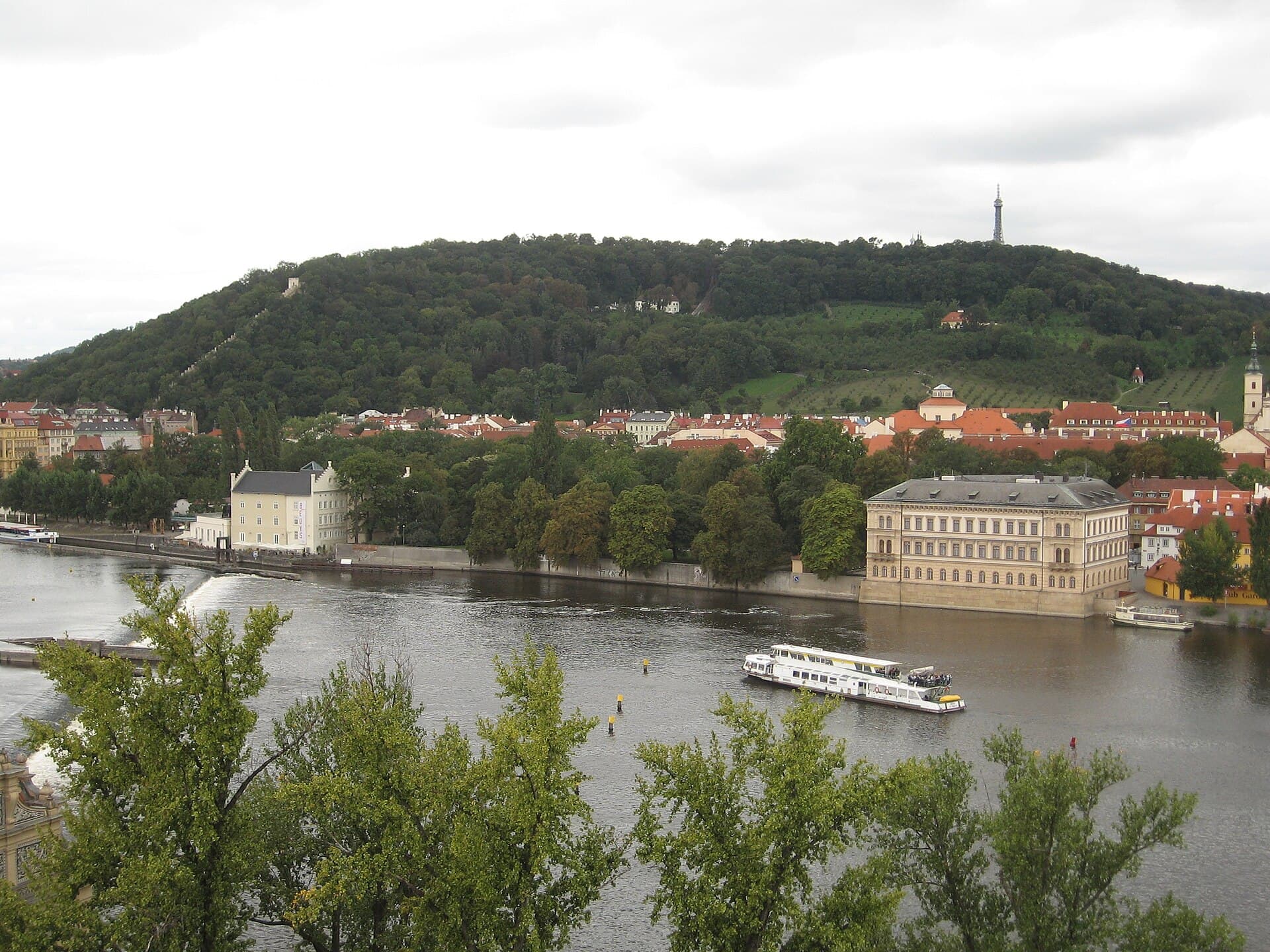 PetřínPetřín is Prague's green lung: an entire slope rising to about 327 metres, separ8 minutes walk4.7
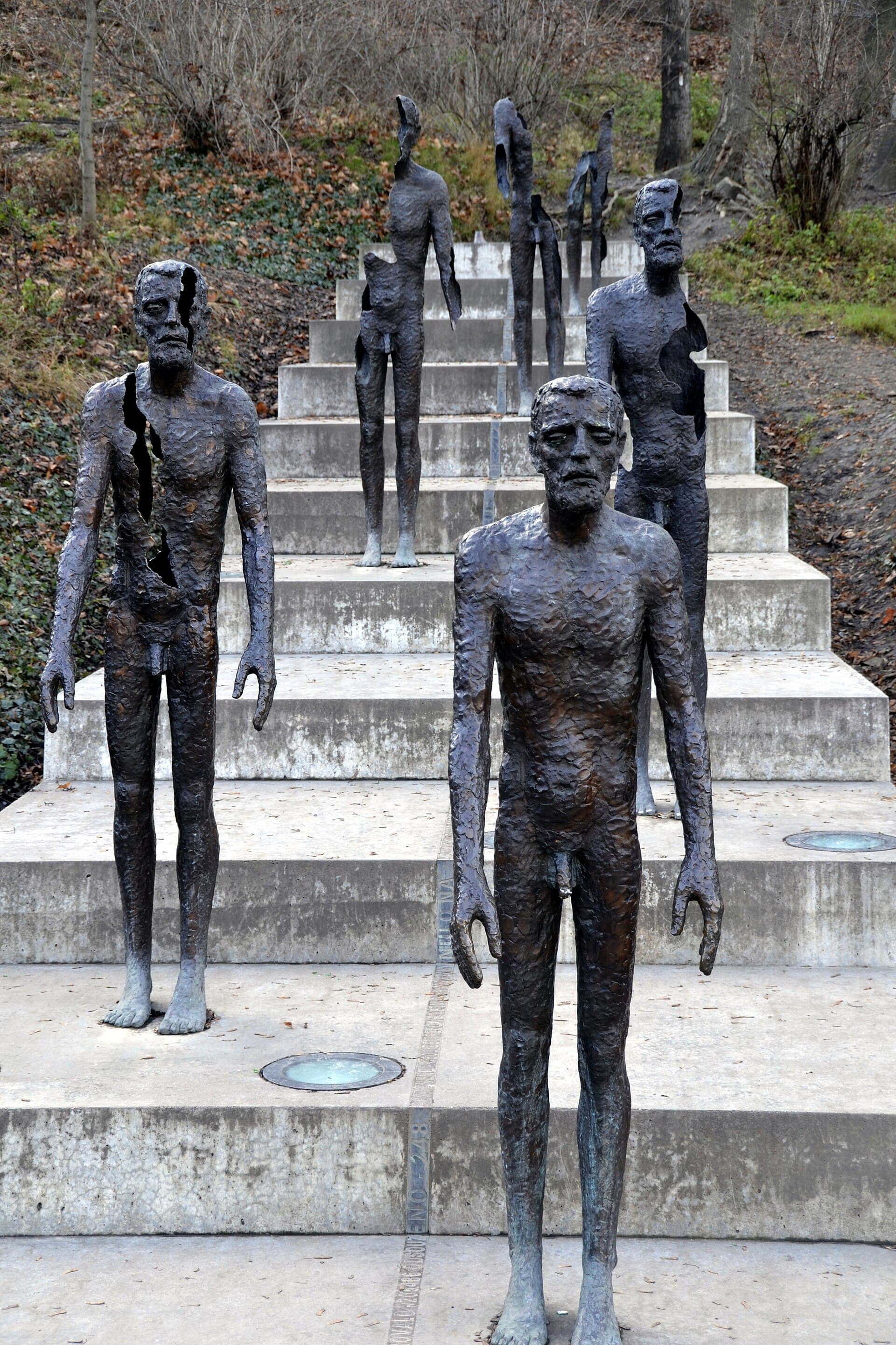 Memorial to the Victims of CommunismA memorial at the foot of Petřín hill in Prague, installed in 2002 for the victi8 minutes walk4.4
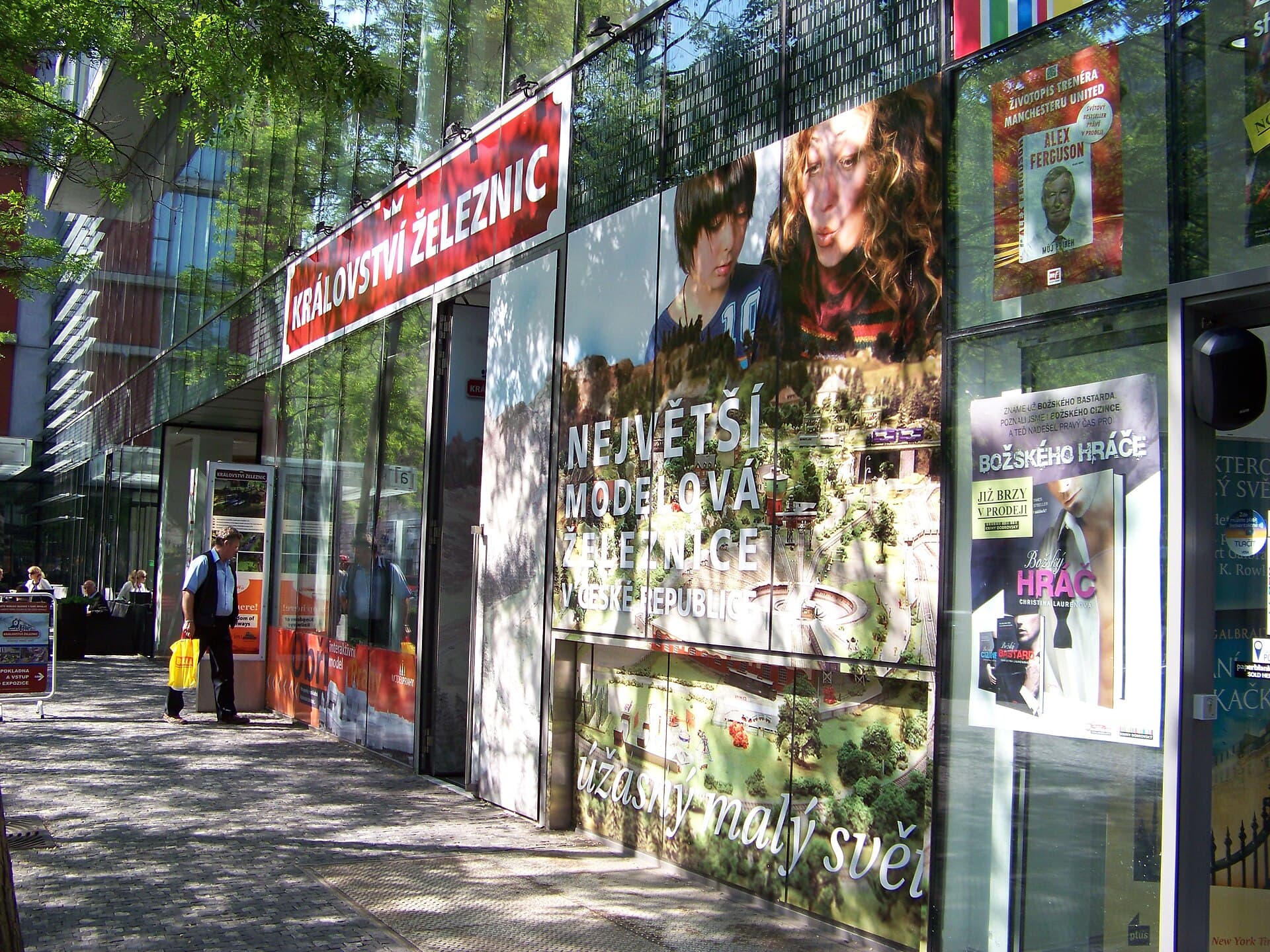 Kingdom of RailwaysThe largest model railway in the Czech Republic, in Smíchov south-west of Prague9 minutes walk4.6
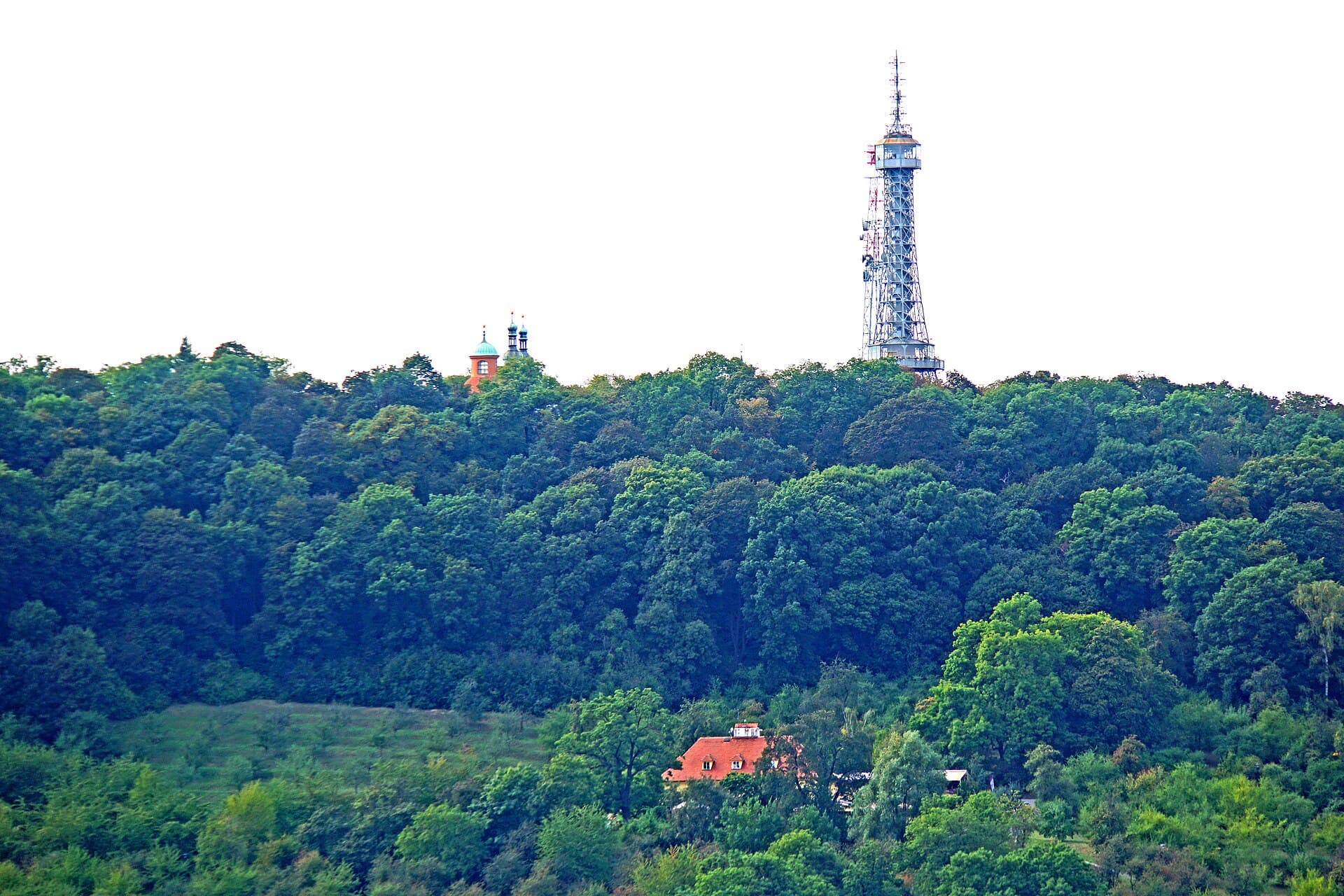 Petřín Lookout TowerThe Petřín tower is Prague's small Eiffel Tower, and that is not a journalistic 10 minutes walk4.4
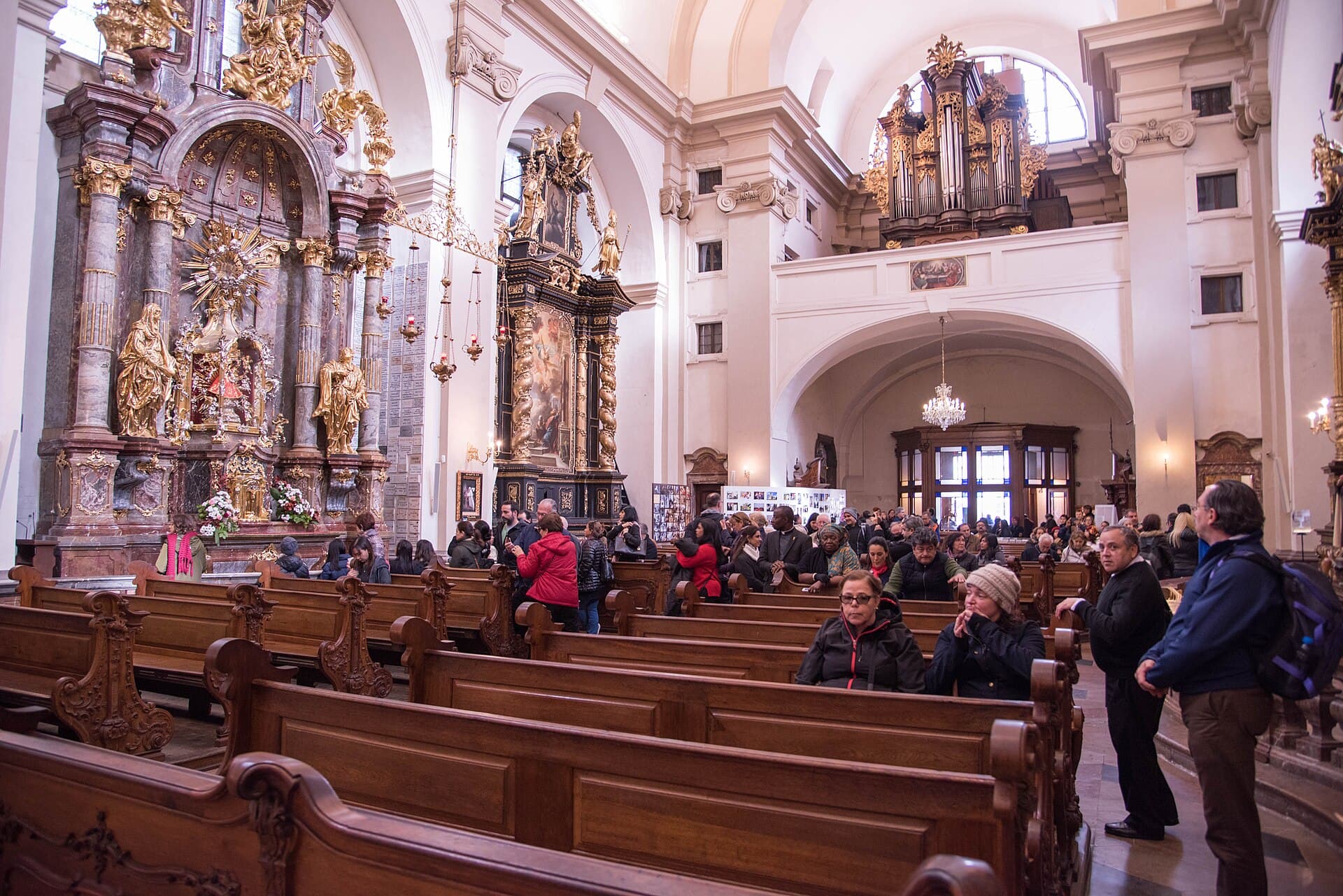 Infant Jesus of PragueThe Church of Our Lady Victorious in the Lesser Town is a quiet early-17th-centu13 minutes walk4.8
Yes, and that is the best order. The Kinský garden connects to Petřín hill, so you can walk up from the museum to the lookout tower, the Hunger Wall and the rose garden, then come down on the funicular. A pleasant full day away from the Old Town crush.
Bohemia is the west, with Prague as its capital; Moravia is the east, with Brno as its largest city. The difference is not only administrative: the dialects differ, Moravian folk culture is richer and more present even today, and the two regions have distinct wine, music and dress traditions. The museum shows both and makes the difference clear.