
Gradual erosion
The body breaks apart figure by figure, the idea being that repression works slowly rather than at once.
High Contrast — CC BY 3.0 de · Satdeep Gill — CC BY-SA 4.0 · Satdeep Gill — CC BY-SA 4.0 · Satdeep Gill — CC BY-SA 4.0
A memorial at the foot of Petřín hill in Prague, installed in 2002 for the victims of the communist regime in Czechoslovakia between 1948 and 1989. The work is seven bronze figures of one man, ranged up a flight of steps. The nearest is whole, and each figure behind it is more eroded than the last: limbs go missing and the body breaks apart until the furthest has almost disappeared. The idea is direct and harsh: what repression does to a person gradually rather than at once. Alongside the figures a bronze strip set into the ground carries numbers: how many were sentenced, imprisoned, shot at the border, died in prison, and emigrated. The numbers do what the figures cannot. The visit takes minutes, is free and always open. It stands at the Újezd tram stop below the Petřín funicular, so most people heading up the hill pass it, and it deserves a stop rather than a glance.
The body breaks apart figure by figure, the idea being that repression works slowly rather than at once.
Counts of the sentenced, imprisoned, killed and exiled set into the ground — harsher than the figures.
Most people heading up Petřín walk past it, and the few minutes are worth taking.
Foot of Petřín hill, Malá Strana, Prague
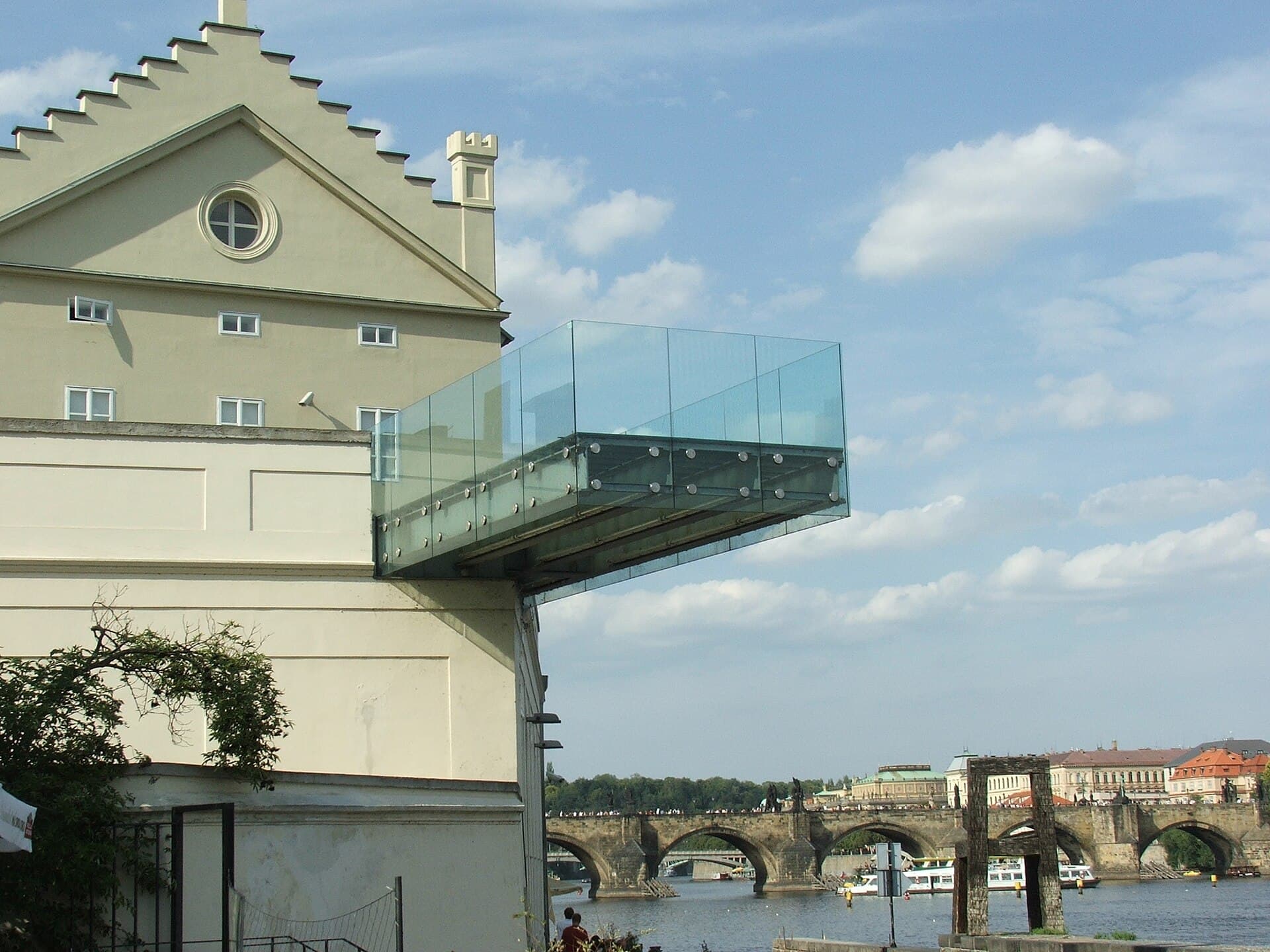 Museum KampaMuseum Kampa occupies an old mill building on the Vltava bank on Kampa island, i6 minutes walk4.4
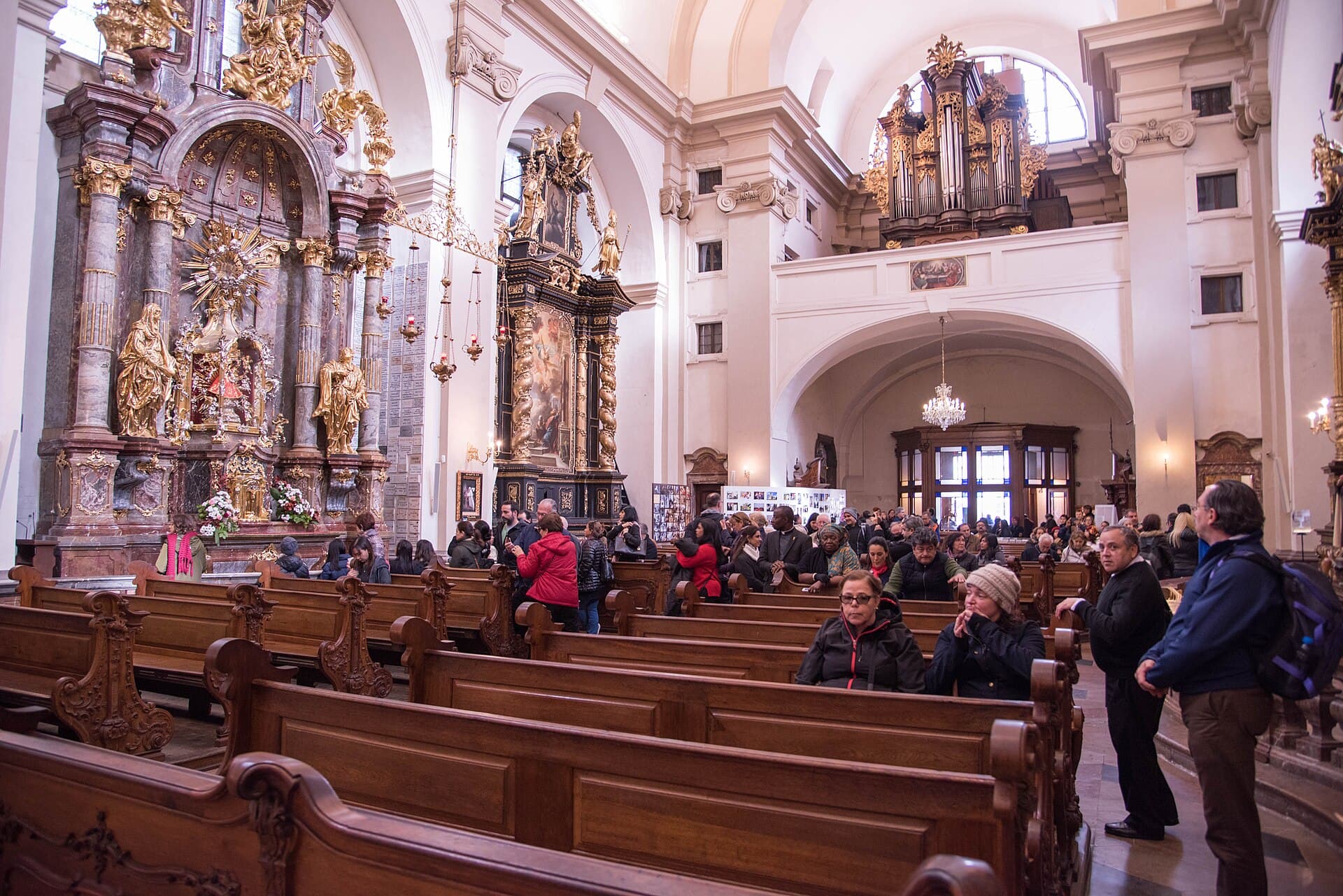 Infant Jesus of PragueThe Church of Our Lady Victorious in the Lesser Town is a quiet early-17th-centu6 minutes walk4.8
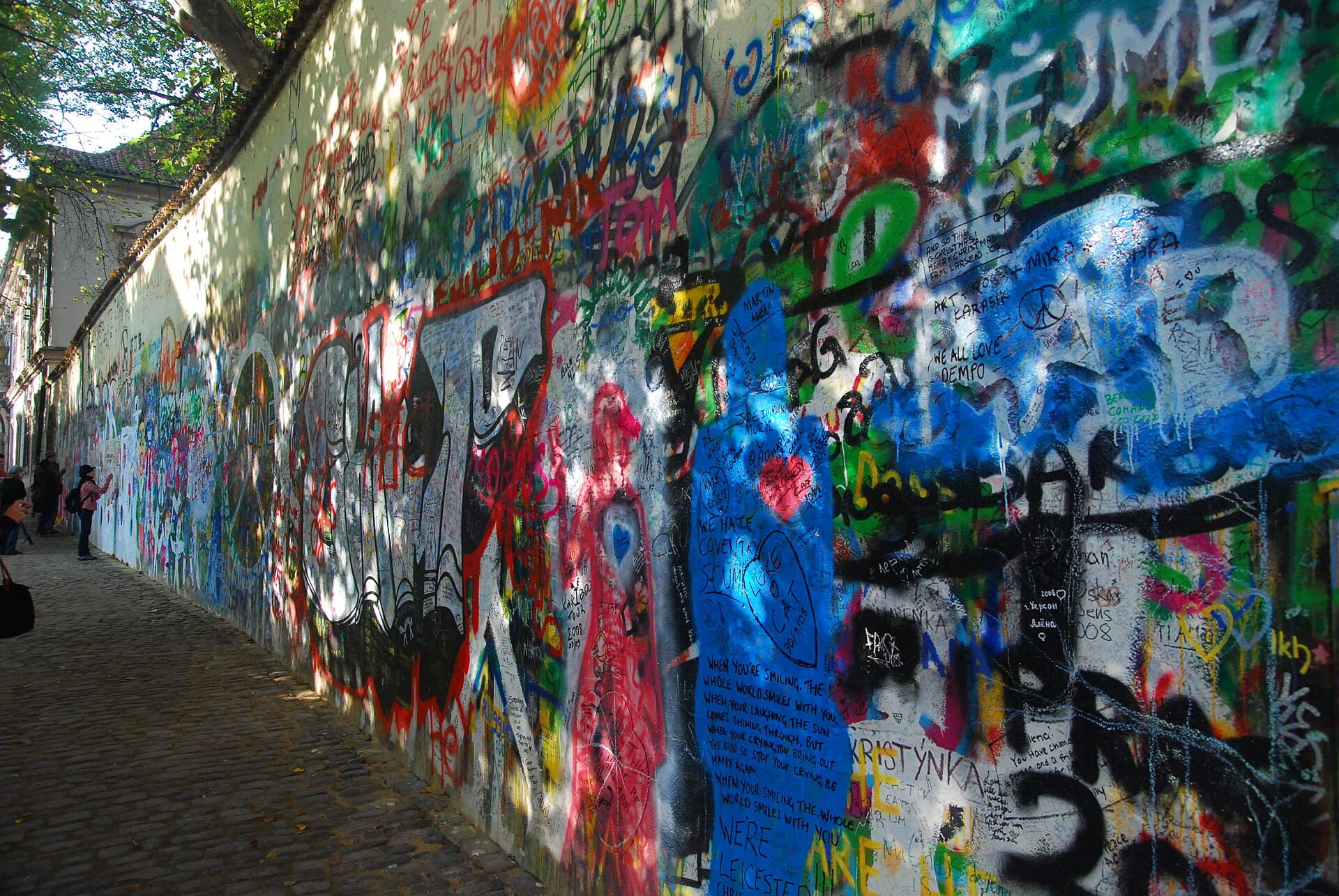 Lennon WallIn a quiet side square in the Lesser Town, minutes from Charles Bridge, runs a l7 minutes walk4.2
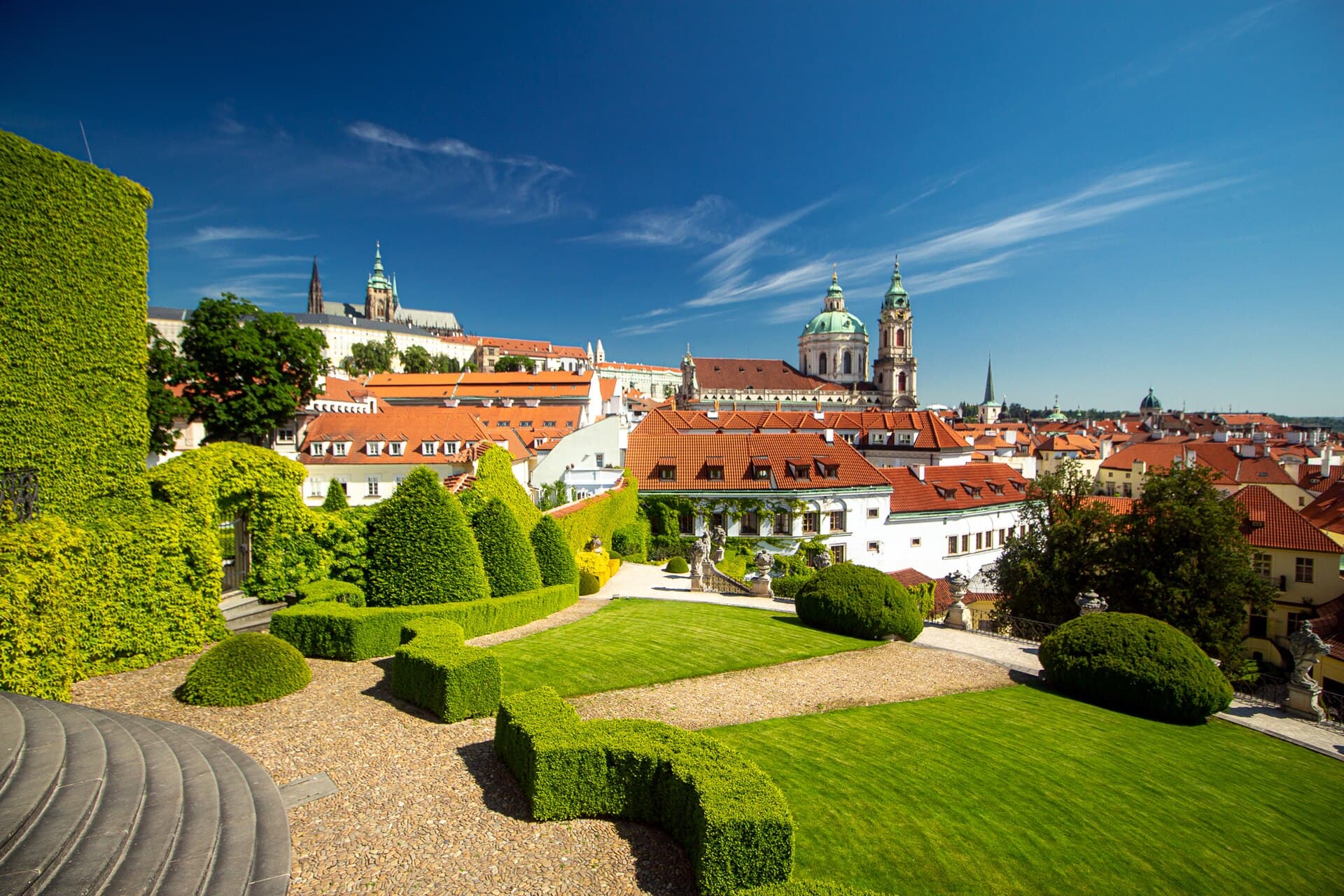 Vrtba GardenThe Vrtba Garden is one of Prague's best-kept secrets: you go in through a small8 minutes walk4.6
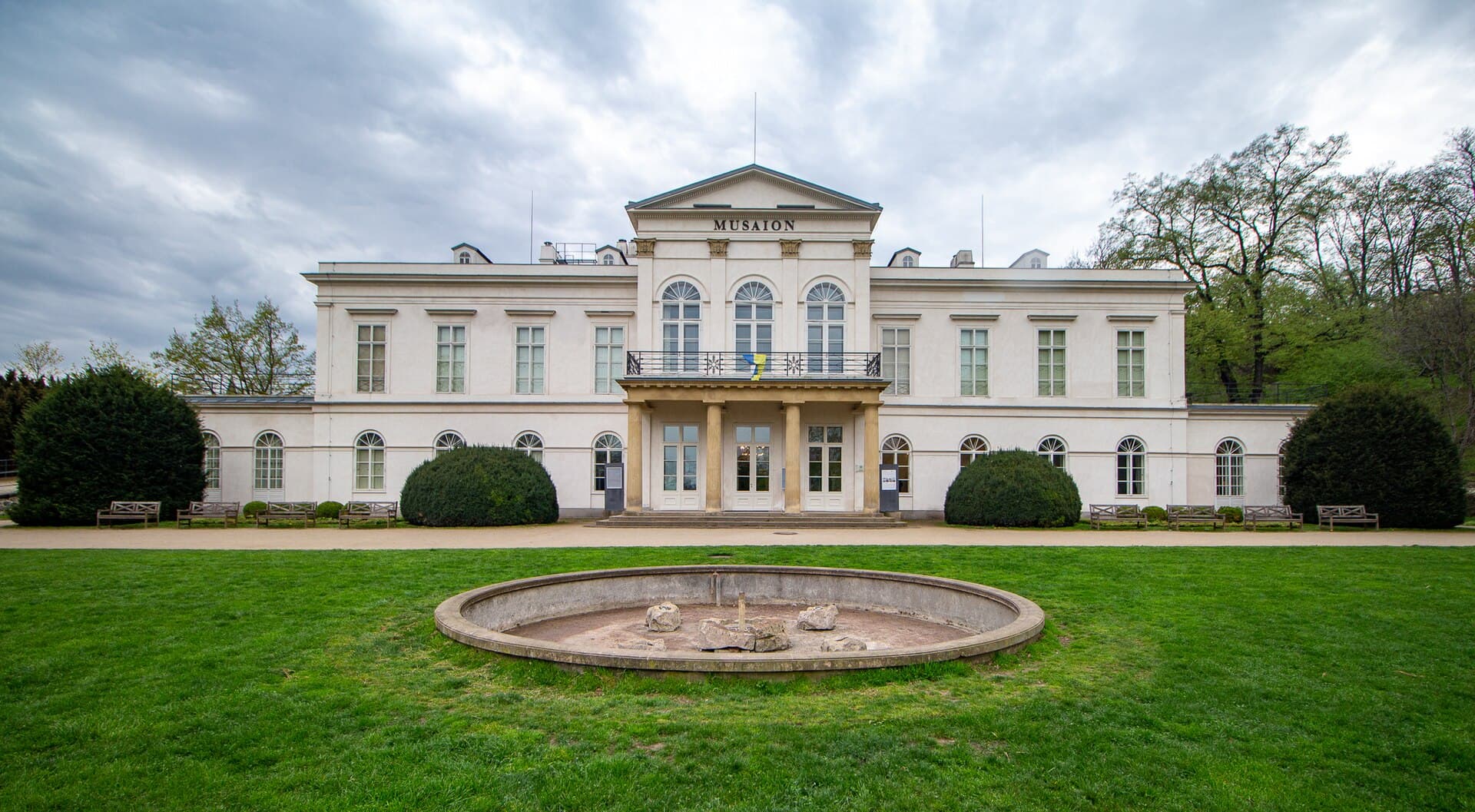 Musaion Ethnographic MuseumA museum of Czech folk culture in the Kinský summer villa, inside a large garden8 minutes walk4.6
Communist rule in Czechoslovakia between 1948 and 1989, from the coup that brought the party to power to the Velvet Revolution that ended it. The numbers on the bronze strip summarise the cost of those four decades.
It sits at the foot of Petřín, so the natural arrangement is to stop here and then take the funicular up to the hill and its lookout tower. Charles Bridge and Malá Strana are also within walking distance.